Greenhouse Ventilation Mesh for Shade and Airflow
Australian greenhouses face a familiar tension: admit air and light, but limit harsh sun, wind and insects. Aluminium mesh gives growers a durable middle ground. Used across vents and sidewalls, a ventilated screen can reduce solar load while preserving airflow, unlike a solid panel or tightly woven shade cloth that may trap heat and restrict ventilation.
The right specification depends on your crop, structure and climate. Aperture, wire size, open area, fixing method and frame design all affect performance. This guide explains how aluminium mesh can serve as insect screening, solar shading and a weather barrier, with practical considerations for Australian conditions from Perth to Brisbane.
Why Aluminium Suits Australian Greenhouse Conditions
Aluminium offers a useful balance of low weight, strength and corrosion resistance. It does not red-rust like ordinary steel, and an open mesh needs less supporting structure than sheet metal. Depending on the design, fabricators may use 3003, 5052 or another suitable alloy, with the grade selected for stiffness, forming and the expected environment.
That balance is valuable in a hot climate. Although aluminium conducts heat well, an open screen does not act like a continuous heated panel. Air can pass through it, and the mesh can shade glass or plastic while allowing ventilation. Melbourne’s changeable weather, Perth’s dry summers and Sydney’s humid coastal conditions call for different airflow targets rather than one generic screen.
Australian growers commonly call a protected growing structure a shade house, while polytunnel is also familiar in the trade. A mesh screen lets those structures retain a cleaner, more usable growing area without sealing them down. It can also provide privacy for nurseries and courtyard growing systems while keeping the visual openness of an architectural metal panel.
Balancing Airflow, Shade and Temperature Control
Shade and airflow must be balanced because the same screen can perform both jobs. A fine aperture blocks more direct sunlight and insects but also creates greater resistance to moving air. A vent with insufficient free area can recirculate hot air inside the greenhouse and place unnecessary load on fans. Screen selection should therefore begin with the vent dimensions and required air-change rate.
Open area provides a useful starting point, but it is not the whole performance figure. Wire diameter, aperture shape and the proportion of blocked area determine airflow resistance, while direct-beam and diffuse-light transmission determine shading quality. Ask for comparable shade-factor or solar-transmittance data, along with clean-air and insect-exclusion performance, rather than relying on mesh count alone.
Orientation changes the result as well. A west-facing wall in Perth may need stronger solar control than a north-facing screen in Melbourne, whereas screens fitted to roof vents mainly improve extraction without replacing the greenhouse covering. Automated systems should use wind and rain sensors so vents close before a squall arrives and reopen only when conditions are safe.
Choosing Screens for Vents, Roofs and Sidewalls
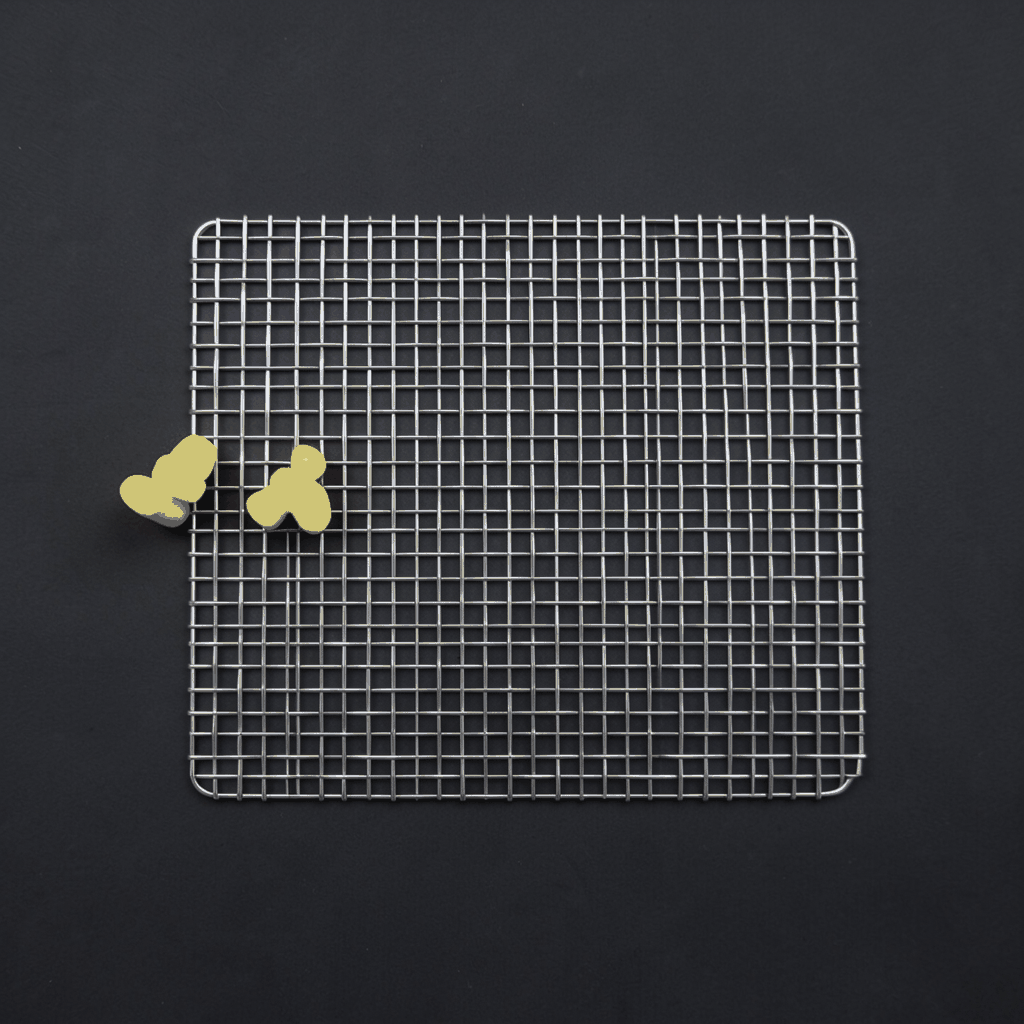
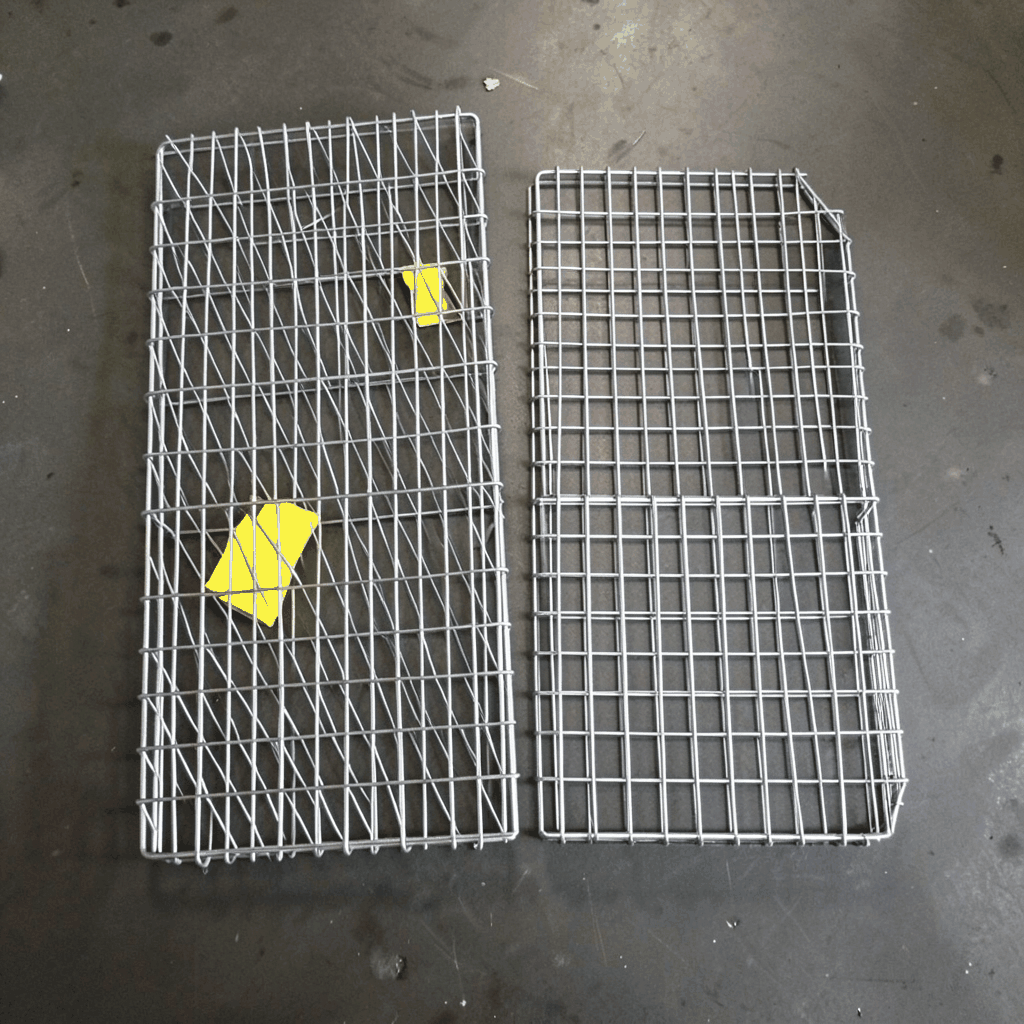
For fixed side vents, aluminium wire mesh panels can be hinged or latched directly to the opening, making them useful for vents opened only during hot periods. A tight mesh keeps many flying insects away from edible crops while still admitting air. Frames should be light enough to open easily but stiff enough to hold the screen taut and resistant to wind.
Roof and ridge vents need a different arrangement because airflow and loading are concentrated around hinges and sliders. Roller or folding aluminium screens can run in guide channels, while spring-loaded cassettes keep them raised clear of the roof. A tensioned cable system suits larger panels but requires careful sag and end-stop adjustment on sloping roofs.
When insect exclusion is the priority, choose an aperture based on the pests present rather than simply requesting the finest available mesh. Very fine aluminium screen can restrict airflow and collect more dust and leaf debris, so it must be cleaned regularly. For crops requiring stronger privacy or wind protection, a broader architectural mesh can be paired with a separate fine insect layer.
Coastal Salt, Bushfire and Cyclone Exposure
Coastal exposure deserves particular attention in Sydney, Perth and other coastal growing districts. Salt and damp air can promote pitting around damaged areas and galvanic reactions where aluminium touches dissimilar metals. Use compatible stainless or aluminium fasteners, isolate dissimilar surfaces with suitable washers and rinse the mesh with fresh water after salt exposure. Avoid harsh alkaline cleaners that can attack the finish.
Fire and storm planning also affect specification. Around bushfire-prone parts of Melbourne and Adelaide, aluminium is non-combustible, but the performance of a complete screen assembly still requires assessment because coatings, fixings and nearby materials can affect compliance. In cyclone-prone north Queensland, specify screens for the site’s design wind loads with secure anti-lift edges rather than relying on a light clip alone.
The appropriate documentation should identify the alloy and coating and show how fixings meet the relevant Australian design requirements. Local conditions can change a standard panel into a poor choice, so a site-specific review is worthwhile for exposed roofs, coastal sites and bushfire interfaces.
Measuring, Fixing and Maintaining Mesh Screens
Measure the clear vent opening rather than relying on the greenhouse frame size. Record the width, height, fixing centres and any hinge or slider obstructions, then confirm whether the screen sits inside or overlaps the opening. Aluminium expands as it heats, so edge details should permit movement without allowing the mesh to buckle or pull away from its fixings.
Fixings should be corrosion-resistant, removable and spaced to keep the screen under even tension. Stainless screws and clips suit many installations, but coated finishes and nearby materials need compatibility checks. Avoid sharp exposed wire ends, particularly around crop-access areas, and use edge binding or folded returns to protect both the mesh and the hands installing it.
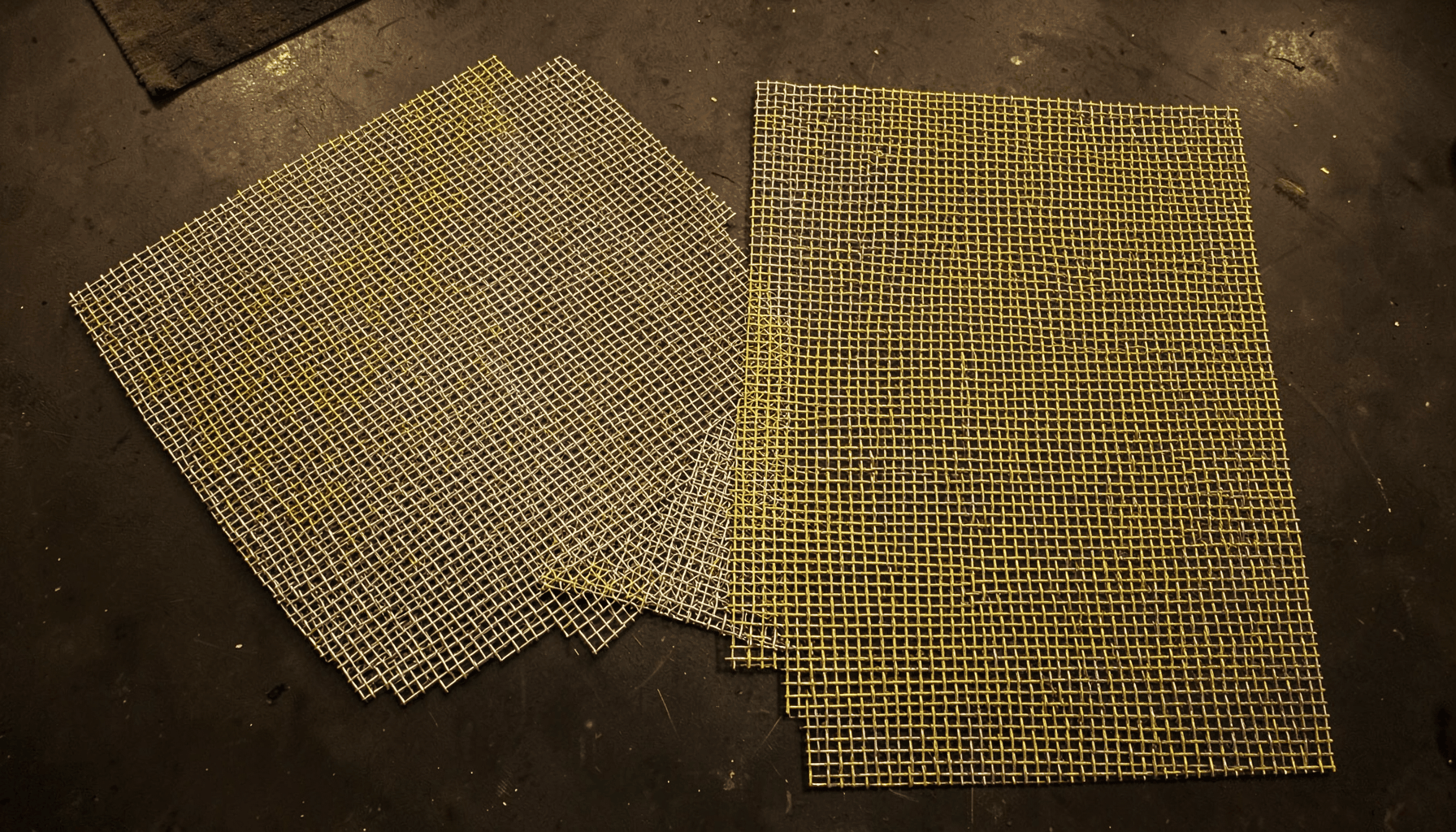
In the Australian market, greenhouse screens may be supplied as rolls, sheets or cut-to-size panels. Local suppliers and installers often work from a sample and a site drawing, so dimensions should be stated in millimetres with the required tolerance. A removable screen is easier to inspect for dust, algae and insect nests, particularly where damp coastal conditions slow drying.
Tailored Solutions for Commercial Greenhouse Projects
Commercial greenhouse projects may combine ventilation, shading, privacy and architectural appearance. Aluminium screens can suit market gardens, plant nurseries, rooftop growing rooms and research facilities around Melbourne, Sydney and Perth. For larger installations, modular panels simplify handling and allow damaged sections to be replaced without disturbing the entire vent system.
Aluminium mesh can also be integrated as a decorative architectural screen, powder-coated to complement wall cladding, window frames or courtyard structures. This creates a consistent visual language across a commercial property while retaining the openness needed for ventilation. Laser-cut patterns can provide privacy or branding without turning the screen into a solid wind barrier.
For non-standard openings, custom mesh fabrication can support unusual shapes, frames and attachment details. Useful information includes vent drawings, mesh samples, expected wind exposure and the preferred finish. Clear manufacturing tolerances and material documentation make it easier for architects, builders and greenhouse contractors to compare options and coordinate installation.
Specify the Right Screen and Order with Confidence
When comparing suppliers, request mesh count, wire diameter, clear aperture, open area, airflow data and solar-control information. Also confirm the alloy, coating, panel dimensions, edge treatment and available fixing hardware. These details allow quotes to be compared on performance rather than on price alone, while helping prevent a screen that is too fine for the ventilation system.
Before ordering a full quantity, obtain a sample and test it in the intended location. Check airflow, insect control, shade distribution, opening force and the stability of every fixing. For exposed Australian sites, include local installers or greenhouse engineers in the review, particularly where wind loads, corrosion or bushfire requirements affect the installation.
Contact Shuo Ke Wire Mesh Product Technology Co., Ltd. with the vent dimensions, preferred alloy, finish and installation location. Request a sample, a drawing review and a tailored quotation before fabrication begins, so the finished screen fits the opening, suits the climate and is ready for dependable service.