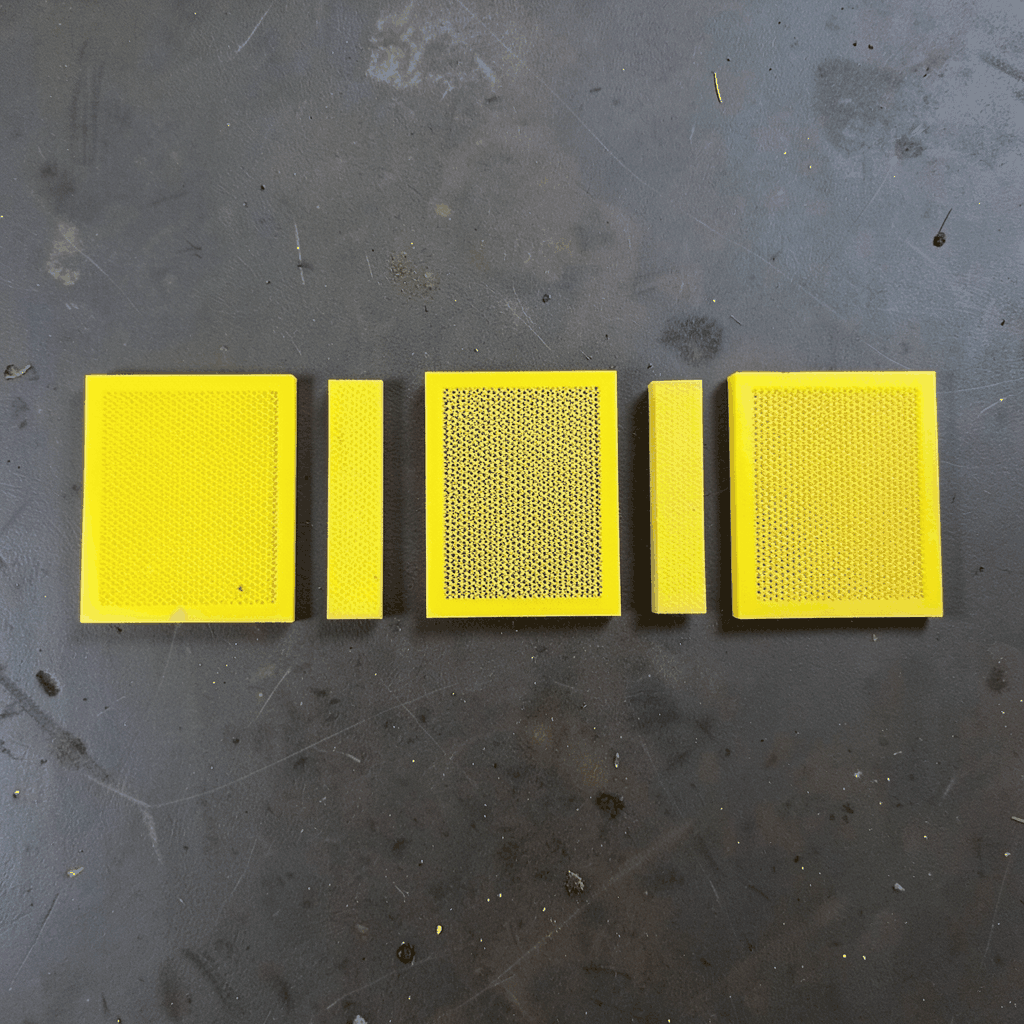
Aluminum mesh for radiator and heat exchanger fins
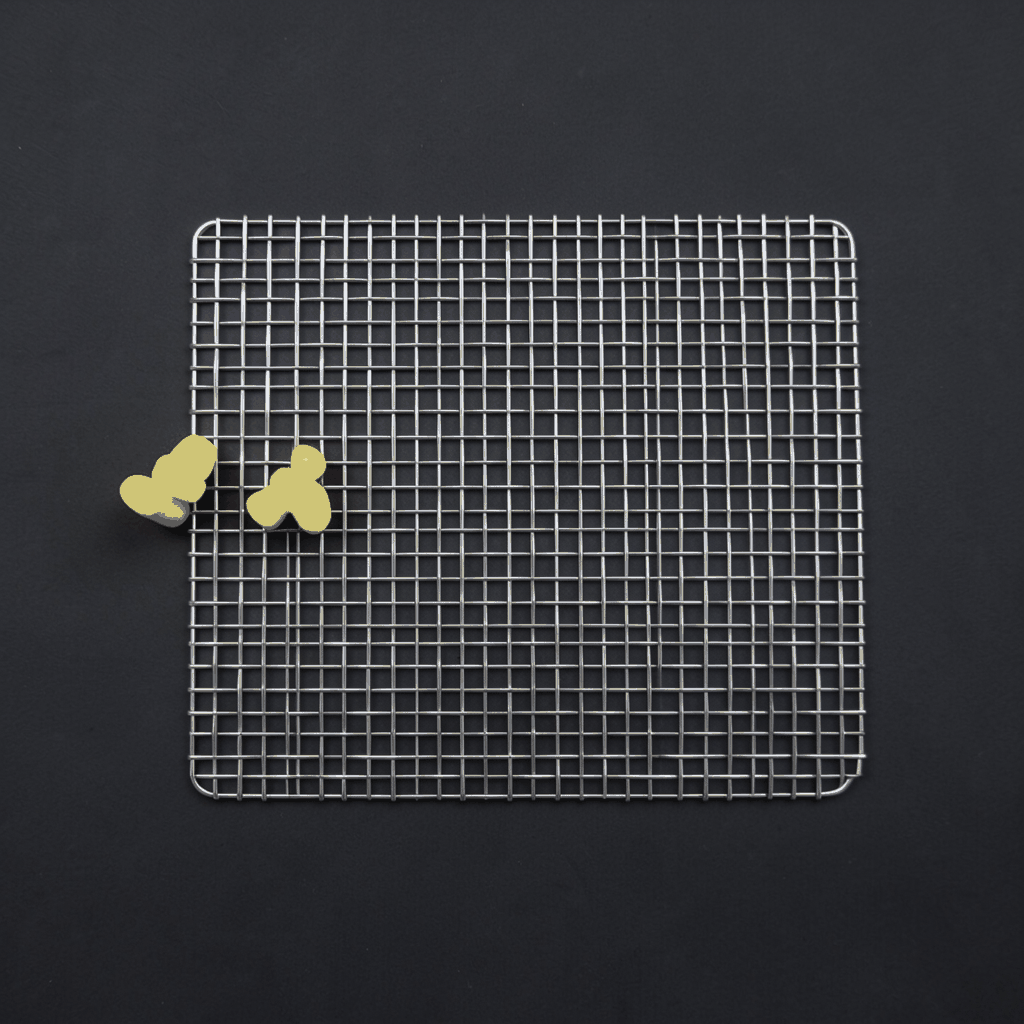
Aluminium mesh can turn a basic radiator cover or air-side heat exchanger core into a controlled thermal surface. Woven or welded panels add convective area, preserve an open airflow path and provide a durable finish for exposed equipment. Although Australian drawings usually spell the metal as aluminium, international supplier catalogues may use the American form; the application is aluminum mesh for radiator and heat exchanger fins.
The design choice matters because radiator covers, condenser fins and evaporator coils each impose different airflow, corrosion and maintenance demands. A decorative mesh can improve the appearance of exposed equipment, but its wire size, open area and mounting method determine how it performs. Australian conditions—including coastal salt, summer humidity, winter frosts and hard water in some regions—also make material selection and corrosion protection central to a long service life.
A reliable specification connects the mesh geometry to the intended heat-transfer duty rather than treating it as a generic architectural product. It should identify the airflow direction, available space, finish, fixing system and expected service conditions. This allows manufacturers to produce aluminium mesh fins that are practical to install, clean and replace without compromising the thermal design.
Why aluminium mesh works as a fin
Heat moves from the fluid inside a radiator or heat exchanger into its metal surfaces, then passes from those surfaces to moving air. Finned components increase the exposed area available for convection. Aluminium is useful in this process because its high thermal conductivity spreads heat rapidly through the panel, while an open mesh maintains a clear path for air.
Mesh is not automatically more effective than a conventional solid or extruded fin. Its performance depends on how much surface is exposed, how closely the wires are spaced and whether the airflow can pass through the panel without excessive pressure loss. Welded woven panels can provide consistent geometry, while expanded or perforated aluminium sheets offer greater stiffness for large covers and screens.
For hydronic radiators, mesh may form an outer guard, decorative enclosure or supplementary fin panel around the heat-emitting section. In air-handling equipment, it can serve as an air-side core, condenser fin or protective face. These applications require different attachment methods, so the mesh must be matched to the equipment rather than selected solely by its attractive surface pattern.
Alloy, weave and finish selection
Alloy selection begins with the installation environment and the degree of mechanical support required. Common aluminium grades used in mesh manufacture include 3003-series alloys for general fabrication and 5052 for stronger, corrosion-resistant panels. Extrusion-grade 6063 can suit formed components and framing, while the appropriate grade for welded or woven wire should be confirmed against the panel design and welding procedure.
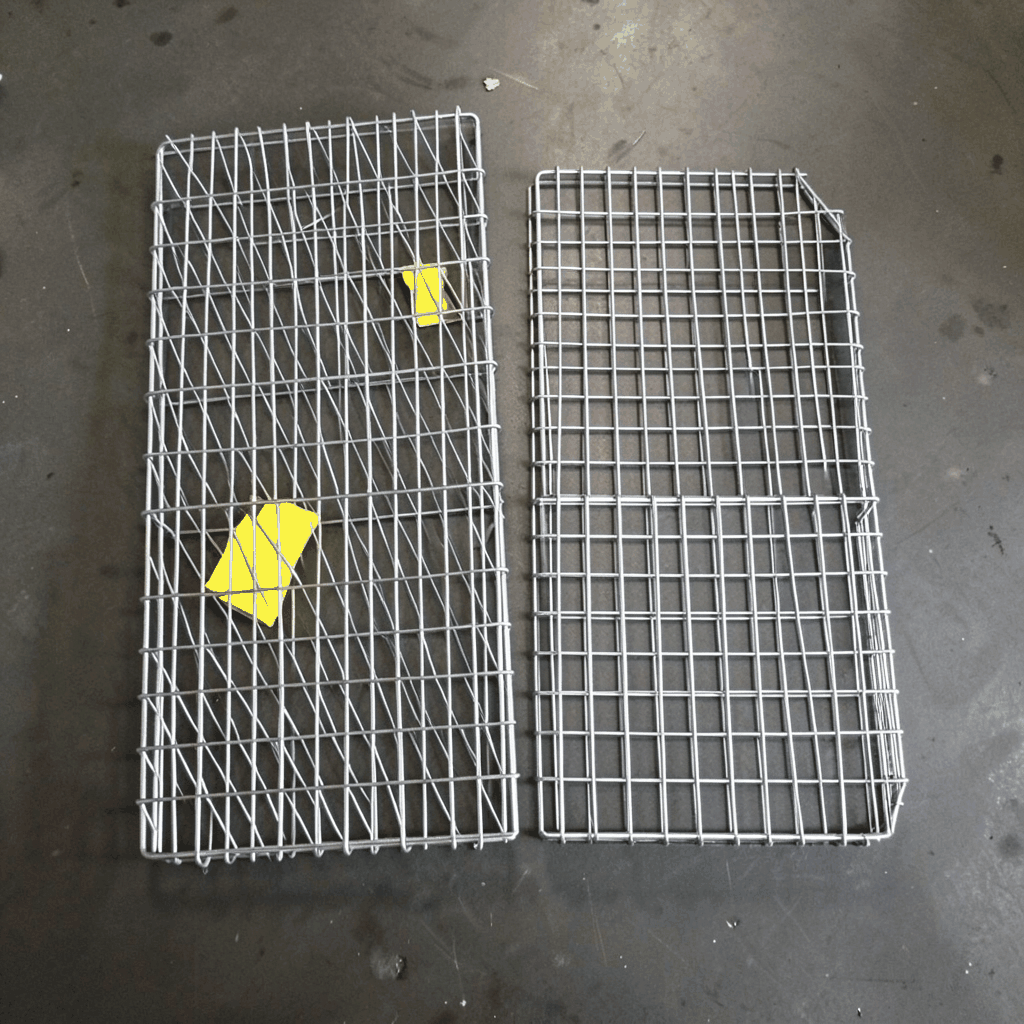
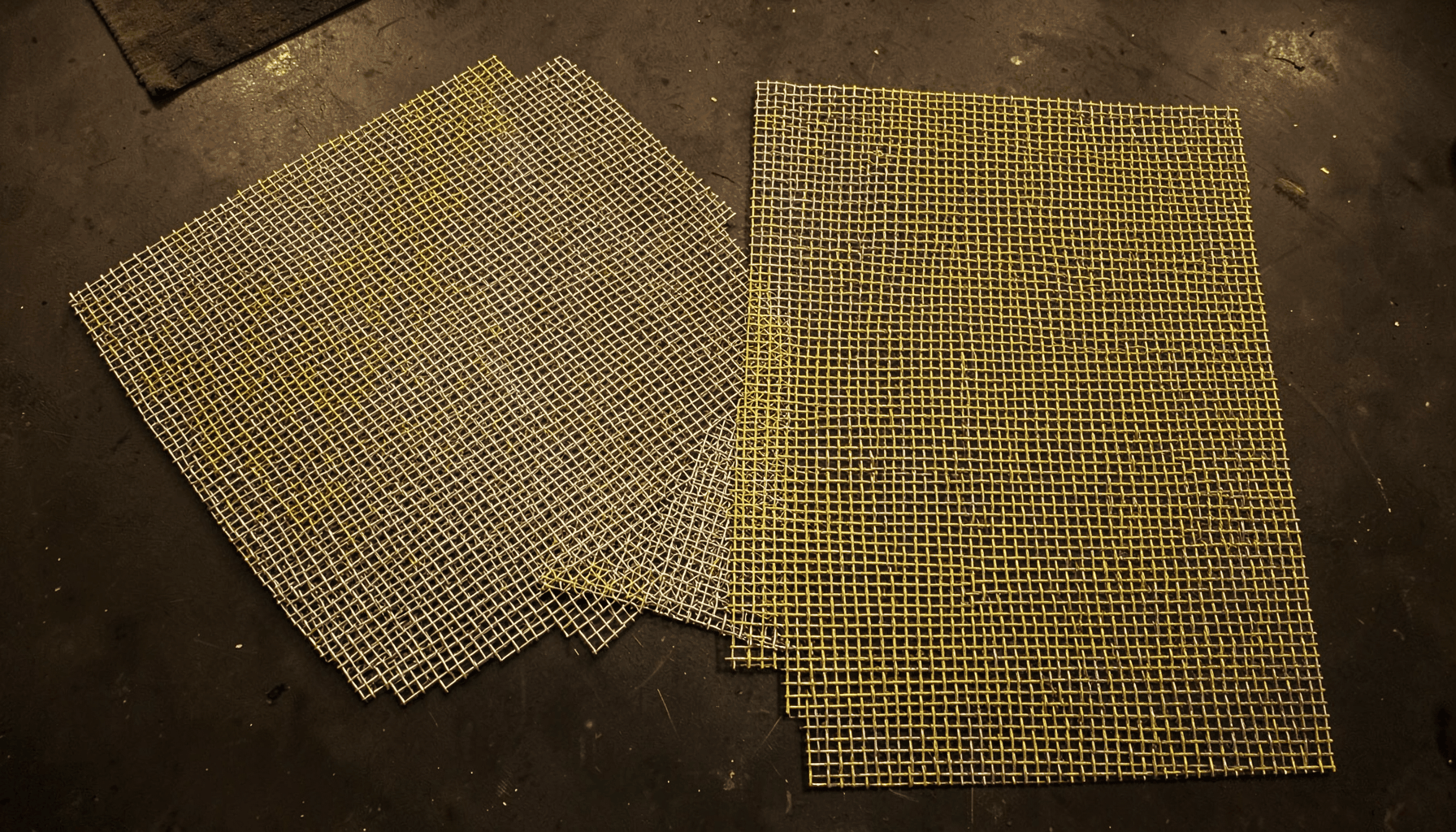
Construction influences both stability and heat transfer. Welded wire mesh offers uniform openings and good dimensional control, whereas woven mesh can use finer wire and provide a broader decorative choice. Expanded aluminium mesh is produced by stretching and slitting sheet, while perforated sheet is mechanically punched. These forms have different baselines for open area and should not be compared by mesh name or visual appearance alone.
The finish protects the aluminium and determines how the component fits into its surroundings. Mill-finished aluminium provides a natural metallic appearance, while brushed, anodised or powder-coated finishes create more consistent colour and surface protection. Fasteners and adjacent metals should be checked for galvanic corrosion, particularly around dissimilar metals or damp coastal installations. Powder coating also adds an insulating layer, so exposed thermal performance should be assessed with the finished surface in place.
Tuning open area for airflow
Wire diameter, opening size and open-area percentage determine the balance between surface area and airflow resistance. A fine mesh can expose more metal and create useful turbulence, but it can also collect dust and reduce pressure drop efficiency if the spacing is too small. A larger opening usually supports freer airflow yet may provide less convective surface than a finer panel with the same external dimensions.
Fin efficiency describes how effectively a fin transfers heat compared with an ideal fin of unlimited length. Actual efficiency falls when heat is lost from the tip, or when the fin tip and exposed surfaces transfer heat to surrounding air. Panel length, wire thickness, spacing and the velocity of the incoming air all influence the result. For a radiator or heat exchanger with measurable duty, suppliers should compare the proposed geometry with established finned-coil data.
Airflow direction should be established before the mesh is cut. Wires crossing the primary flow path can create turbulence and improve local heat transfer, but incorrectly aligned panels can block intake or discharge openings. Equipment in Melbourne’s changeable conditions may experience dust from dry lawns, while humid installations around Brisbane can accumulate residues more readily. Regular inspection and suitable access are therefore part of the thermal design, not optional extras.
Australian project requirements and supplier brief
Australian projects combine several local realities that should appear in the specification. Coastal Sydney exposes external equipment to salt-laden air, Canberra can experience frost, and humid Queensland conditions can accelerate surface contamination. Dimensions and material grades are normally stated in metric units, while installers must comply with applicable council requirements, Australian Standards and the instructions of the building practitioner or equipment manufacturer.
The local market often links architects, mechanical consultants, plumbing or HVAC contractors, metal fabricators and specialist distributors. Building practitioners coordinate the mechanical and electrical interfaces, and NATA-registered trades may be specified where workmanship warranties apply. In Australian workshop language, it is common to run a mock-up before signing off a full batch, which helps catch issues with access, fixing and visual alignment early.
For the thermal criteria:
- State the aluminium grade, temper, wire or sheet thickness and required dimensional tolerances.
- Record the opening size, open-area percentage, panel orientation and proposed airflow direction.
- Define the fin depth, pitch, heat-transfer duty and available pressure-drop allowance.
- Specify the finish, corrosion protection and compatibility with neighbouring fasteners.
For fabrication and handover:
- Provide cut sizes, edge treatment, flatness requirements, marking and packing instructions.
- Identify the fixing method, service clearances, drainage provisions and removable panel sections.
- State whether a sample, prototype, inspection plan or test documentation is required.
- Confirm the installer, site access conditions, delivery sequence and responsibility for final adjustment.
Before full production, the mock-up should be checked against the actual bracket, pipework and airflow opening. A representative sample also allows the maintenance team to assess cleaning access and whether dust or lint will be trapped behind the mesh. Any agreed changes should be recorded before production panels are manufactured.
Fabrication, installation and service access
Custom aluminium mesh begins with drawings or an accurate sample. The manufacturer checks panel divisions, edge conditions, weld intersections and fixing points, then confirms the production method. Larger architectural components may be assembled from smaller sections, but the seams must remain stable and should not obstruct critical airflow or create visible misalignment across the finished radiator or heat exchanger.
Workshop preparation includes cutting, trimming, joining and finishing the selected mesh. For shops preparing panel samples or trimming profiles, the AEG power tools range can be reviewed for compatible cutting and grinding equipment; the specific tool, blade and guarding must be appropriate for aluminium. Safe edge preparation is essential because exposed wire ends and sharp sheet edges can injure installers or disrupt airflow after handover.
Installation should follow the approved fixing layout rather than relying on adhesive alone for structural panels. Brackets, clips and fasteners need to resist vibration and thermal movement while allowing the mesh to be removed for cleaning. Hydronic systems should be pressure-tested and commissioned under the equipment manufacturer’s procedures, and air-side assemblies should be checked for obstruction. A simple maintenance plan should specify suitable cleaning methods and replacement criteria for damaged sections.
Commission a custom aluminium mesh package
A productive enquiry should include a sketch or CAD drawing, the application, alloy preference, panel dimensions, airflow information, fixing details, finish and delivery expectations. For radiator work, photographs of the existing installation and details of the available space can prevent assumptions. For heat exchangers, information about fluid, operating temperature, airflow and the required service clearances helps the supplier select an appropriate panel construction.
Shuo Ke Wire Mesh Product Technology Co., Ltd. manufactures and processes architectural and industrial metal mesh for residential, commercial, municipal and engineering applications. Its material options include aluminium, stainless steel, copper, iron and other alloys, with capabilities extending from decorative curtains and partitions to filters, baskets, fencing and laser-cut screens. This wider manufacturing background supports custom aluminium mesh fins that combine practical engineering with decorative design.
Send Shuo Ke the application details, drawings and performance requirements, and request a manufacturable sample or project quotation. A clear brief allows the company to assess the aluminium mesh configuration, finishing, packing and production method, giving the radiator or heat exchanger a durable mesh panel that can be installed, maintained and serviced with confidence.