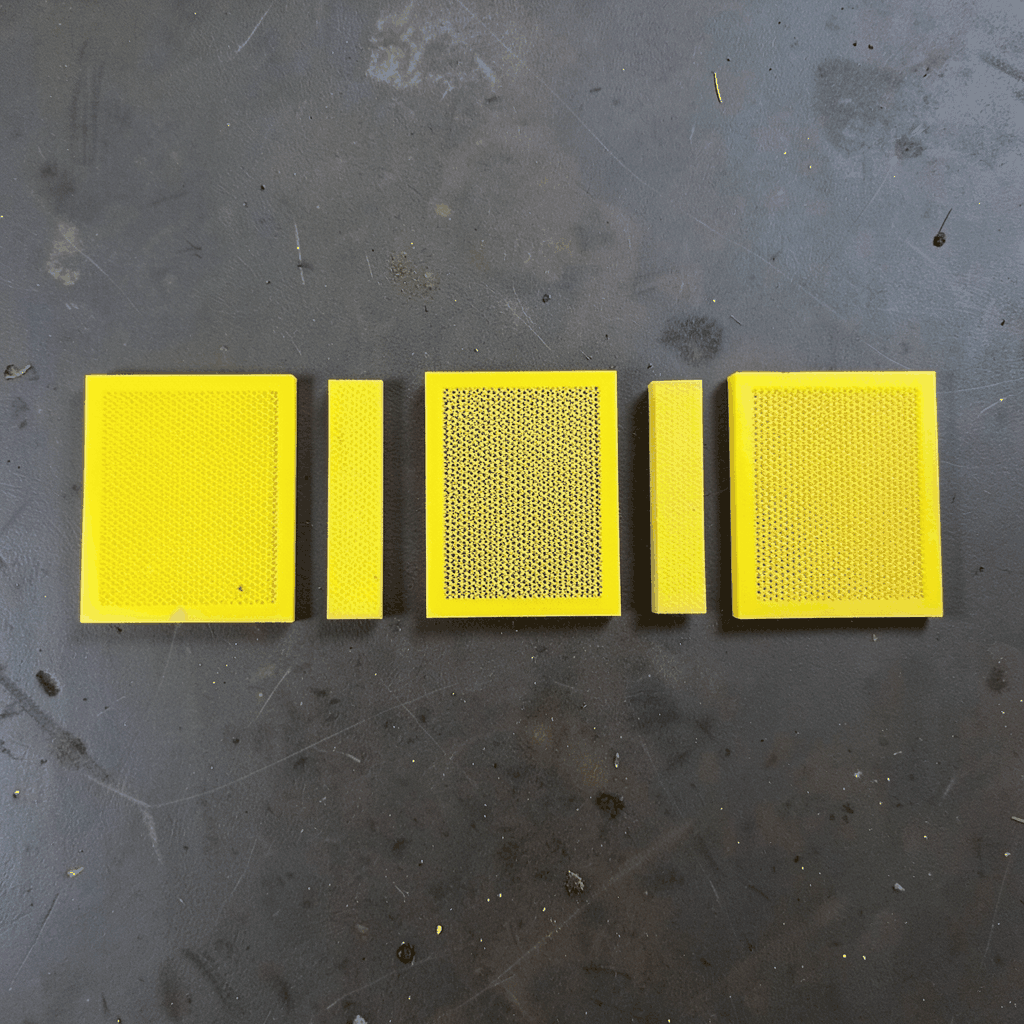
Architectural mesh for museum displays and pedestals
Museum designers increasingly use metal mesh to give display cases, plinths and gallery interiors a lighter architectural character. The material can define a secure exhibit zone without making valuable objects feel sealed away behind heavy construction. Depending on the weave, finish and lighting, mesh may appear almost transparent, softly reflective or visually dense.
For Australian museums, galleries and cultural venues, this balance is especially useful. A display may need to sit comfortably within a heritage building in Sydney, a contemporary arts centre in Melbourne or a regional museum in Queensland. Architectural wire mesh can respond to each setting while providing a durable surface for partitions, pedestal panels, screens and custom case components.
The right solution depends on the collection, visitor flow, conservation requirements and building conditions. Stainless steel suits high-contact public areas, while aluminium can reduce weight in suspended or freestanding structures. Copper, brass, painted steel and woven alloys offer further options when the display needs warmth or a distinctive visual identity.
A successful project brings together appearance, engineering and museum practice from the beginning. Mesh should support safe access, reliable cleaning, controlled light and long-term maintenance rather than being treated as a decorative layer added at the end of the design process.
Why mesh suits museum interiors
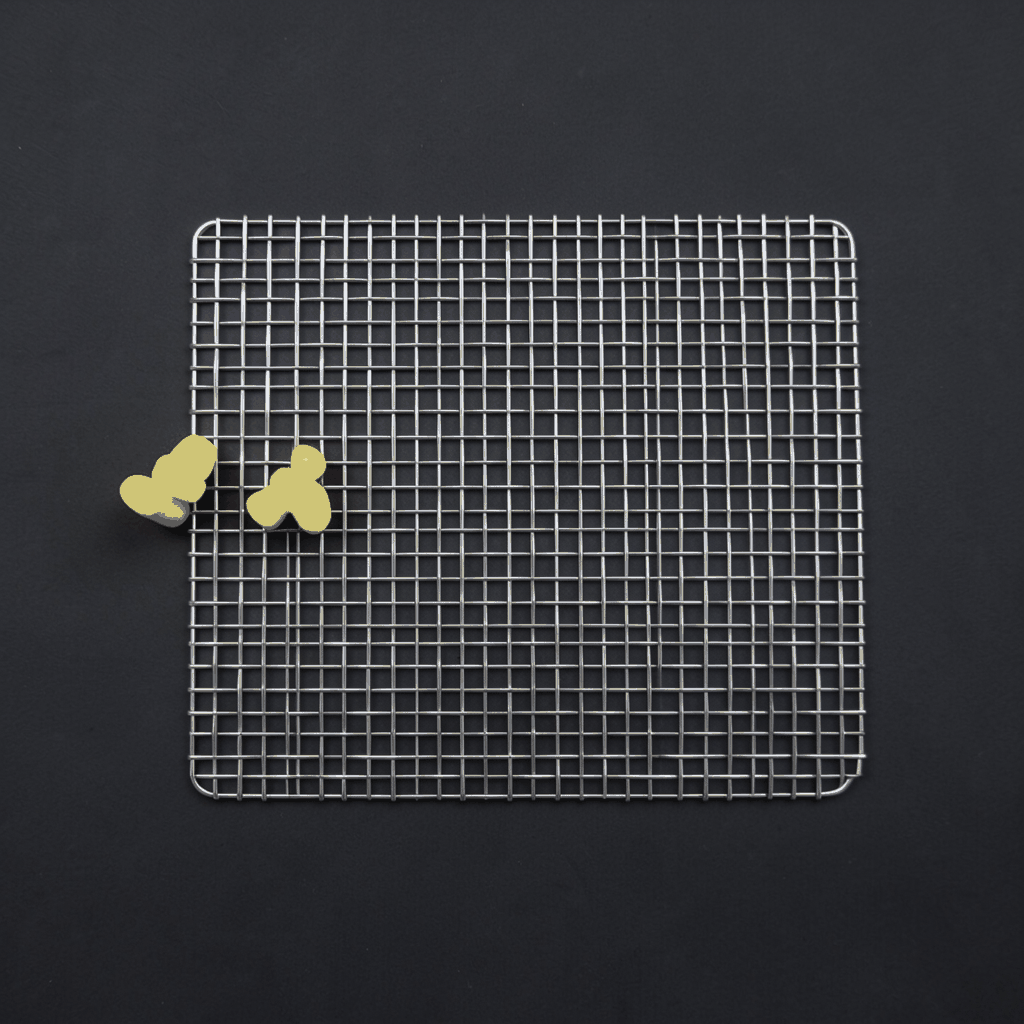
Woven metal mesh provides a practical visual filter between the visitor and the exhibit. It can form a secondary skin around a pedestal, a ventilated enclosure for selected artefacts or a partially screened display case. The open area of the weave controls visibility while allowing designers to create depth between the object, lighting and background.
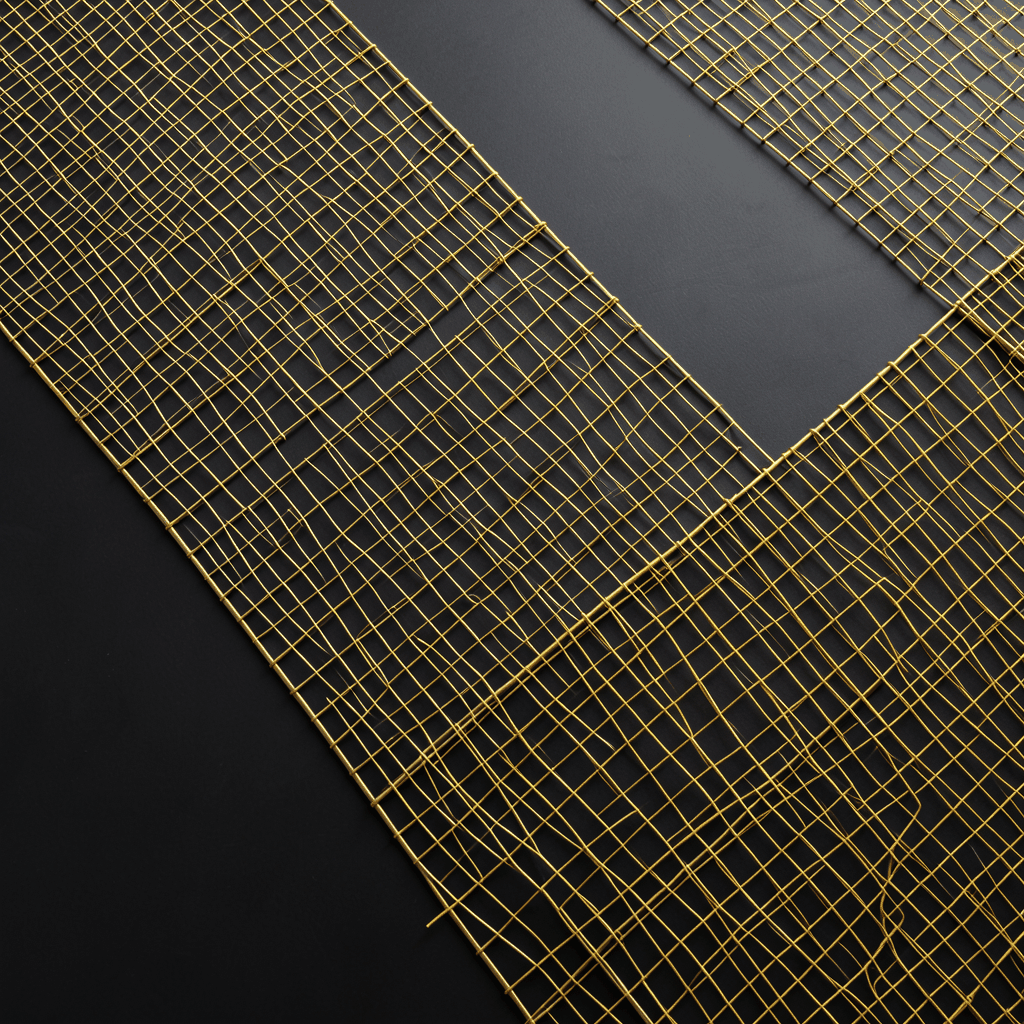
This layered effect is valuable in galleries where a solid cabinet may interrupt sightlines. A fine stainless steel mesh can produce a quiet, almost seamless boundary, while a larger architectural weave creates a stronger pattern. Perforated sheet and expanded metal offer related effects, especially when a project requires a rigid panel rather than a flexible cloth.
Mesh can also support a consistent language throughout a museum fit-out. The same finish may appear on display plinths, balustrade infill, reception screens and service doors. This helps connect exhibition furniture to the wider interior without competing with paintings, sculpture, natural history specimens or First Nations cultural material.
For designers reviewing custom fabrication options, metal mesh solutions can be adapted to different panel sizes, edge details and installation conditions. The important point is to develop the mesh pattern alongside the casework, lighting and security strategy.
Selecting the right metal and finish
Stainless steel is often the safest starting point for museum display furniture. Grades such as 304 are suitable for many interior applications, while 316 may be preferred where salt air, humidity or cleaning conditions create a greater corrosion risk. This can matter in coastal locations such as Perth, Brisbane, Newcastle and Hobart, where environmental exposure varies considerably.
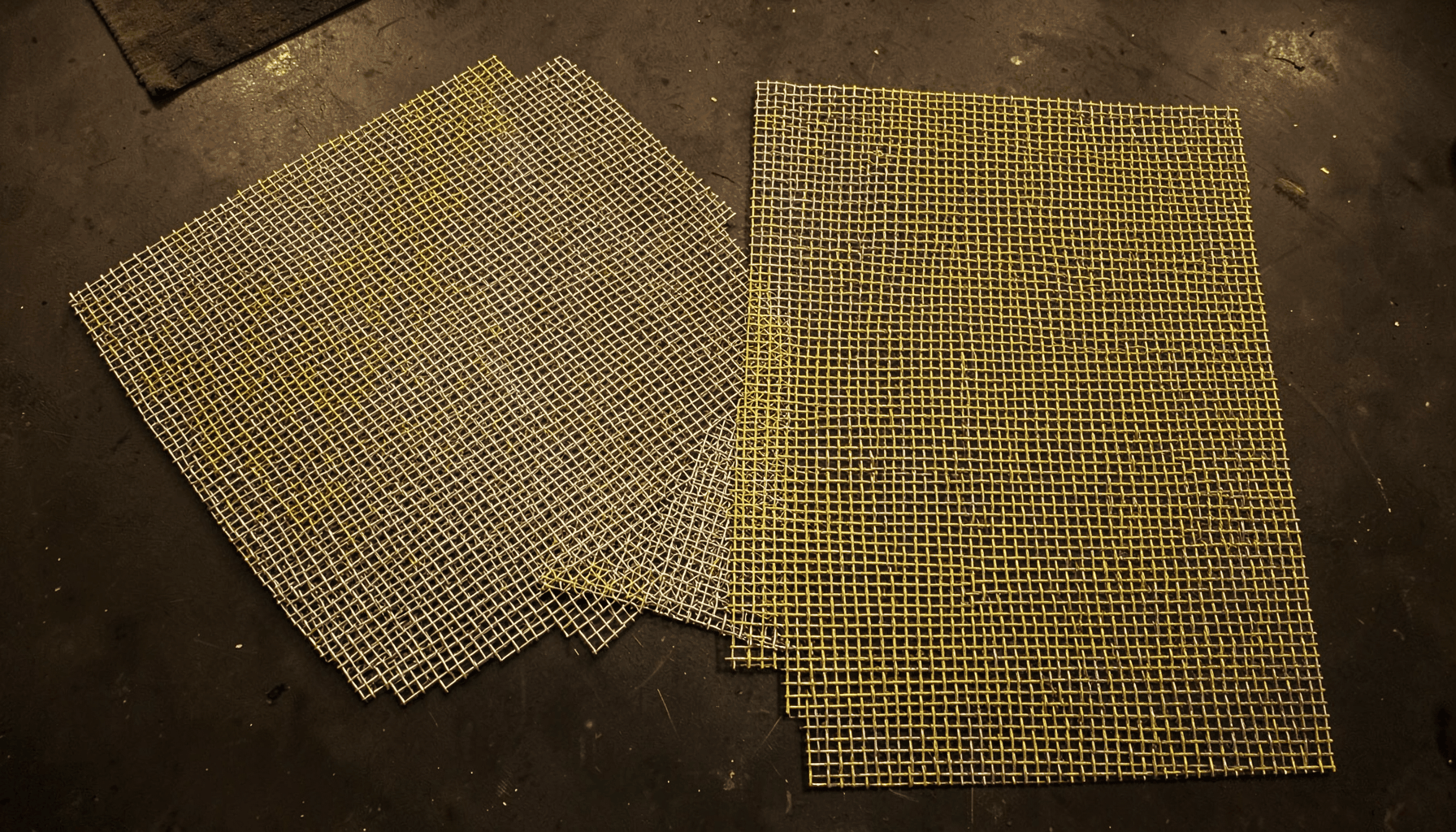
Aluminium is useful when a pedestal, screen or suspended element must remain light and easy to handle. It can be anodised for a restrained metallic appearance or powder coated in a colour specified by the exhibition designer. Copper and brass introduce a warmer tone, although their surface behaviour and maintenance requirements should be assessed carefully near sensitive objects.
Finish selection should account for glare. Highly polished wire can reflect spotlights directly into visitors’ eyes or create distracting highlights across a case. Satin, brushed, bead-blasted and low-sheen powder-coated finishes generally provide better visual control. A dark finish may recede around an object, while a pale or metallic finish can help a mesh screen read as part of the architecture.
Museum teams should also document the proposed coating, cleaning products and substrate. Some collections require low-emission materials, stable finishes and limited contact with untreated metals. Samples viewed under the actual gallery lighting are more reliable than small catalogue images, particularly where warm LEDs, daylight and theatrical illumination will be combined.
Designing mesh display cases and plinths
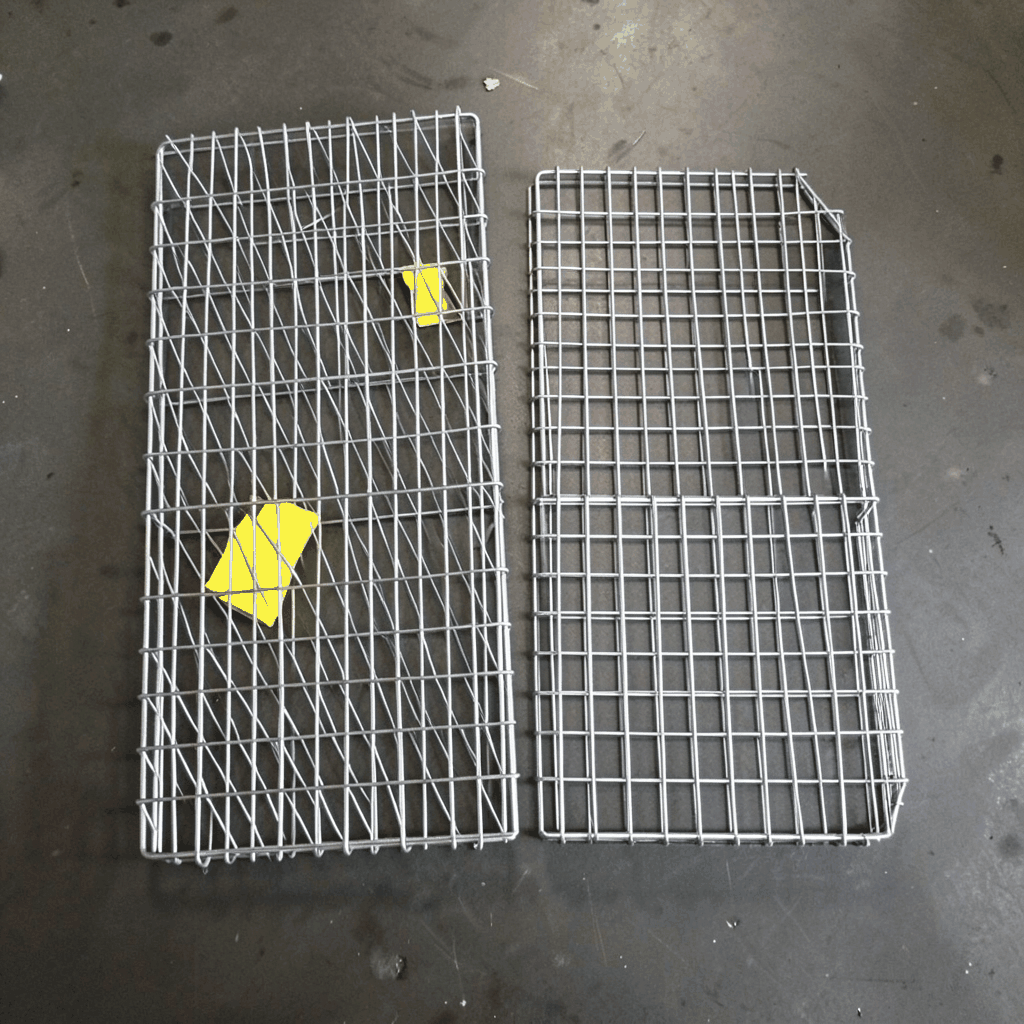
A mesh case needs a clear structural logic. The mesh itself may be flexible, but the finished assembly usually depends on a rigid frame, tensioning system, folded edge, welded support or concealed fixing. For a pedestal, mesh panels can be mounted to a steel or aluminium carcass, leaving access points for cables, alarms and internal lighting.
The opening size influences both security and presentation. Fine mesh helps prevent accidental contact and can make small objects feel carefully protected. Larger openings produce stronger transparency and may suit robust sculptures, architectural fragments or educational displays. The specification should consider whether visitors could insert fingers, clothing or objects through the screen.
Edges deserve particular attention. Exposed cut wire can snag clothing, catch dusting cloths or create a sharp contact point. Rolled edges, welded frames, hemmed panels and capped borders give a cleaner result. Doors and removable sections should align accurately with the surrounding mesh so that access for curators does not compromise the visual quality of the case.
Pedestals may also incorporate ventilation pathways. A perforated backing, open mesh plinth or concealed grille can help manage heat from LED drivers and reduce stagnant air around an artefact. Ventilation must still be coordinated with dust control, relative humidity targets and the conservation requirements of the object. A decorative opening should never be assumed to provide adequate environmental performance by itself.
Managing light, visibility and visitor movement
The appearance of architectural mesh changes significantly under lighting. A front-lit mesh screen can become visually solid, while light placed behind it may reveal the object and soften the boundary. Designers can use this effect to create focus, conceal service equipment or separate a high-value item from a busy gallery background.
Moire patterns are another consideration. Fine mesh placed close to glass, perforated sheet or a digital screen may create unwanted visual interference. Testing full-size samples at the intended viewing distance helps identify this issue before fabrication. The relationship between wire diameter, opening size, glass reflection and lighting angle should be reviewed as part of the display mock-up.
Australian galleries also need to consider visitor movement and accessibility. In a busy Melbourne exhibition, school groups may gather around a central plinth, while a smaller regional venue may rely on flexible displays that staff reposition during programs. Mesh corners, projecting frames and low screens should be visible to people moving through the space, including visitors using wheelchairs or mobility aids.
The Building Code of Australia, access provisions and project-specific safety requirements should be reviewed by the responsible design team. Mesh is not automatically safe because it is open. Apertures, fixing strength, impact resistance and the risk of climbing or entrapment all need to be considered in relation to the location and audience.
Security and conservation considerations
Museum security may require mesh to work as part of a larger protection system. It can support a lockable secondary barrier, conceal hinges and alarms, or make a display boundary visible without using a fully opaque panel. For vulnerable objects, the design may combine laminated glass, a rigid frame, tamper-resistant fasteners and a woven or perforated metal layer.
The chosen barrier should match the threat profile. A fine decorative screen may discourage casual touching but will not replace tested glazing or a properly engineered security enclosure. Curators, conservators, security consultants and fabricators should agree on the role of each component before the final pattern is selected.
Dust and cleaning are practical issues in every public collection. Complex weaves collect more dust than smooth sheet, particularly when installed near floors, vents or food-service areas. A maintenance schedule should specify vacuuming, soft-brush cleaning or approved wipes without placing pressure on delicate objects. The mesh should be removable or accessible enough to clean without dismantling the whole display.
For custom metal components, OEM fabrication support can be relevant where the project requires repeatable frames, formed parts or coordinated production across several display units. Consistency matters when a museum is fitting out multiple galleries and expects replacement panels or additional plinths several years later.
Custom fabrication for Australian projects
Museum work rarely fits a standard product catalogue. Case dimensions may be dictated by an existing wall, a heritage listing, a sculptural object or a transport route through the building. A capable manufacturer should be able to review drawings, recommend a suitable mesh type, prepare samples and adjust the design around frames, doors, fixings and service penetrations.
Local project conditions also shape the fabrication brief. A gallery in Darwin may need careful consideration of heat, humidity and corrosion, while a coastal site near the Gold Coast may experience salt-laden air and frequent public use. In Adelaide or Canberra, dry conditions and seasonal temperature changes create a different maintenance profile. These factors should be discussed before material and coating approval.
Installation planning is just as important as workshop production. Large panels may need to pass through narrow heritage doorways or be assembled inside a finished gallery. Modular sections, concealed joins and labelled fixings can reduce disruption during installation. Protective packaging is essential because scratches, bends and contamination are difficult to correct once the mesh is integrated into a completed case.
Procurement teams may also need clear documentation for Australian contractors. Useful information includes material grade, wire diameter, opening size, panel tolerance, finish, frame material, fixing method and cleaning instructions. Samples should be approved against the final specification rather than a general description such as “decorative stainless mesh.”
Architectural mesh for museum display cases and pedestals works best when it is treated as a complete system. Its pattern, transparency and finish should support the object, while its frame, fixings and access provisions should satisfy the practical needs of staff. A visually delicate installation can still be robust when the engineering is resolved early.
For museums, galleries, universities and civic exhibition spaces, the material offers a way to create secure boundaries without losing visual openness. It can complement Australian architectural settings ranging from refurbished warehouses in Sydney to purpose-built cultural venues in regional New South Wales. With careful specification, mesh remains durable, serviceable and adaptable as exhibitions change.
Develop the project with full-scale samples, coordinated shop drawings and a clear maintenance brief. Contact a qualified metal mesh manufacturer to discuss the collection, gallery conditions, required security level and desired finish, then turn the concept into display cases and pedestals built for dependable public use.