Choosing Aluminum Alloy Mesh for Coastal Balcony Railings
Coastal balconies combine open views, strong wind, salt-laden air, and frequent exposure to moisture. A guardrail therefore has to do more than define an edge. It must provide reliable fall protection, resist corrosion, remain stable under wind pressure, and complement the building’s exterior for many years.
Aluminum alloy mesh is often selected for this environment because it offers a useful balance of low weight, corrosion resistance, design flexibility, and manageable installation. It can be expanded, woven, perforated, or laser processed into panels with different opening patterns, allowing architects and property owners to control privacy, airflow, visibility, and appearance.
The best result depends on more than choosing “aluminum” from a product list. Alloy grade, mesh construction, surface treatment, fasteners, drainage, panel dimensions, and local railing regulations all affect performance. A properly specified system can make a coastal balcony safer and easier to maintain without making it visually heavy.
Why aluminum mesh suits seaside balconies
Aluminum naturally forms a thin oxide layer when exposed to air. This layer helps protect the underlying metal from general atmospheric corrosion, which is one reason aluminum is widely used for exterior architectural applications. Its low density also reduces the load on balcony edges, support frames, and mounting hardware compared with many steel alternatives.
For coastal use, the distinction between ordinary outdoor aluminum and a suitable aluminum alloy is important. Salt spray can create localized pitting, especially where water remains trapped, coatings are damaged, or dissimilar metals are in direct contact. Marine-oriented alloys, carefully designed drainage paths, and a durable finish provide stronger protection than material selection alone.
Mesh adds functional advantages to a balcony guardrail. Small openings can discourage climbing and help prevent objects from passing through, while larger or more open patterns preserve outward views and improve air movement. The panel also creates a continuous visual surface that can conceal equipment, reduce perceived exposure, or give a residential façade a more finished appearance.
Selecting the right alloy and mesh construction
Common aluminum alloys used in architectural fabrication include 5052, 5005, 6061, and related grades. The appropriate choice depends on forming requirements, structural design, availability, and the type of finish required. Alloys intended for sheet forming may be preferable for shaped mesh panels, while higher-strength grades can be useful for framed components or brackets.
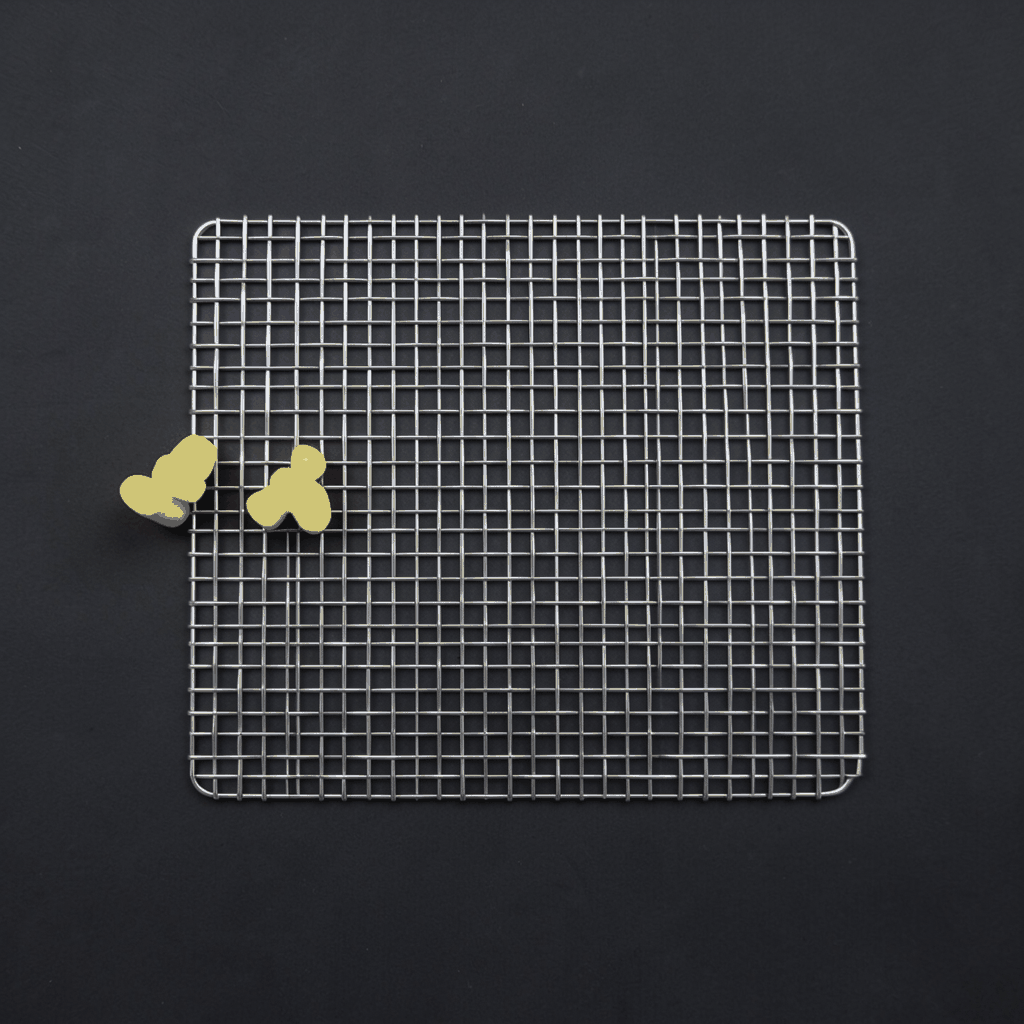
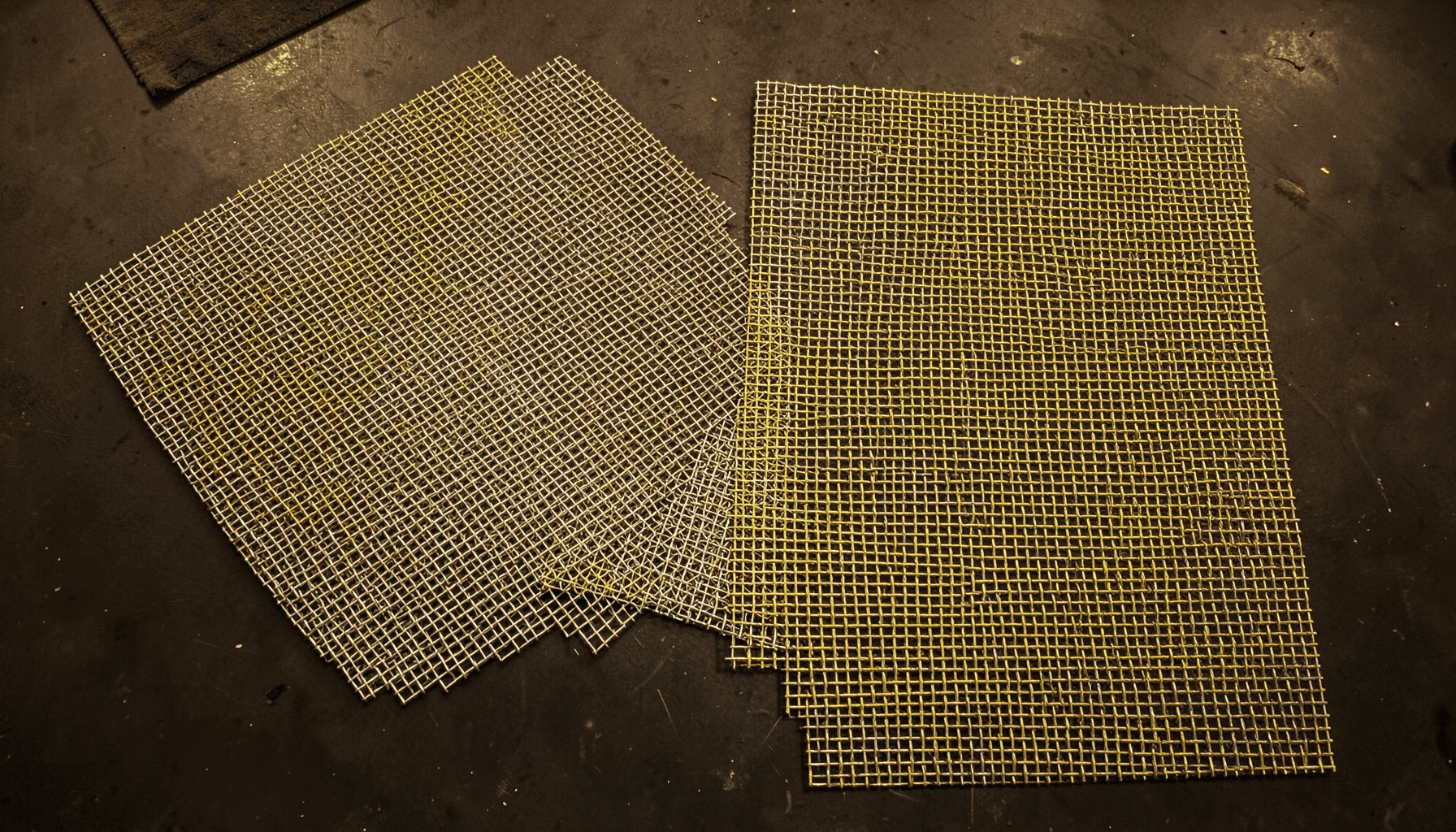
The mesh manufacturing method affects both appearance and engineering behavior. Expanded aluminum mesh is produced by slitting and stretching sheet, creating a continuous panel with diamond-shaped openings and no conventional woven intersections. Woven wire mesh provides a different visual texture and can be specified with various wire diameters and apertures. Perforated or laser-cut aluminum screens offer precise patterns, although the remaining solid area and edge geometry must be considered in wind-load calculations.
Panel rigidity is determined by more than alloy strength. Thickness, opening size, strand width, border details, intermediate rails, and frame attachment all contribute to deflection resistance. A large uninterrupted panel may require reinforcing bars or a perimeter frame, particularly on high-rise balconies exposed to strong gusts. The mesh should be treated as part of a complete guardrail assembly rather than as an isolated decorative insert.
Balancing corrosion resistance with surface protection
Anodizing and powder coating are common finishes for exterior aluminum railings. Anodizing creates a controlled oxide layer that remains closely integrated with the metal surface and can provide a clean metallic appearance. Powder coating adds a colored protective layer and allows the railing to match a building façade, window system, or other architectural metalwork.
In a marine environment, coating quality and preparation are critical. The fabricator should remove contaminants, prepare the surface correctly, and use a coating system suitable for exterior exposure. A coastal-grade powder coating specification may include enhanced pretreatment and a suitable primer or multi-layer system. Color retention, film adhesion, edge coverage, and resistance to ultraviolet radiation should be reviewed rather than assumed.
The following comparison provides a practical starting point for evaluating materials commonly considered for balcony mesh and railing panels:
| Material | Coastal performance | Weight and handling | Appearance and fabrication | Maintenance considerations |
|---|---|---|---|---|
| Marine-suitable aluminum alloy | Good when alloy, finish, drainage, and fasteners are properly specified | Low | Easy to form, cut, coat, and customize | Rinse salt deposits; inspect coating and joints |
| 316 stainless steel | Very good in many marine conditions, though severe exposure can still cause staining or pitting | Higher | Clean modern appearance; strong woven and welded mesh options | Clean periodically; avoid chloride-collecting deposits |
| Galvanized steel | Moderate; exposed cuts and damaged zinc require attention | High | Rigid and economical, with industrial character | Monitor scratches, welds, and areas where zinc is depleted |
| Copper alloy | Naturally develops a changing patina | Moderate to high | Distinctive decorative finish; suitable for specialist designs | Appearance changes over time; prevent unsuitable metal contact |
| Painted mild steel | Dependent on coating integrity | High | Broad fabrication options | Requires frequent inspection and prompt repair of coating damage |
These materials are not interchangeable in every project. Aluminum is often attractive when balcony loading, installation access, or a lightweight appearance is important. Stainless steel may be preferred in especially aggressive marine zones or where a metallic finish is central to the design. A project engineer should verify the selection against the site’s exposure category, structural loads, and expected service life.
Designing openings for safety, privacy, and airflow
The opening pattern should be selected according to the railing’s safety function, not only its appearance. Local building codes may regulate maximum opening dimensions, climbability, minimum guard height, baluster spacing, and the ability of the assembly to resist concentrated and uniform loads. Requirements vary by jurisdiction and building type, so the mesh aperture must be checked against the applicable code before production.
Privacy and wind behavior also influence the ideal open area. A very dense screen can provide shade and visual separation but may receive greater wind pressure than a more open pattern. On exposed balconies, the designer may need to consider pressure equalization, panel deflection, frame strength, and the effect of building corners, where wind turbulence is often more pronounced.
Laser-cut patterns can create a strong architectural identity, while expanded mesh offers a lighter, more continuous texture. Woven wire mesh can suit projects that need transparency and fine visual scale. Rounded or carefully finished edges are preferable in areas where residents, children, or maintenance workers may contact the panel.
Drainage deserves equal attention. Horizontal folds, closed frame sections, and overlapping mesh edges can retain saltwater and dirt. Small drainage paths, accessible joints, and a layout that allows fresh water to wash across surfaces help reduce concentrated corrosion. The design should avoid hidden pockets that cannot be inspected or cleaned.
Preventing galvanic corrosion at connections
Aluminum railings frequently connect to stainless steel bolts, steel brackets, glass systems, concrete edges, or other metals. When dissimilar metals are exposed to moisture and electrically connected, galvanic corrosion can occur. The risk is higher in salt-rich environments because seawater acts as an effective electrolyte.
Isolation washers, sleeves, gaskets, coatings, and compatible fasteners can reduce direct contact. Stainless steel fasteners are often used with aluminum, but the connection still needs careful detailing. Sealants should not be used as a substitute for proper mechanical design or drainage, and trapped moisture around a bolt can be more damaging than visible surface exposure.
Cut edges, drilled holes, weld zones, and bracket interfaces deserve special protection because they may have less coating coverage than the main panel. Fabricators should deburr openings, treat exposed areas according to the finish system, and avoid designs that force water into unventilated cavities. If aluminum panels are mounted to a steel structure, an electrically insulating layer may be needed between the materials.
A complete specification should identify the alloy, thickness, mesh type, finish, fastener grade, isolation method, frame material, and cleaning access. This level of detail reduces ambiguity between the architect, structural engineer, installer, and manufacturer.
Planning installation and long-term maintenance
Before ordering panels, verify the balcony dimensions, support locations, finished floor levels, drainage points, and tolerances in the existing structure. Coastal renovation projects often involve irregular concrete edges or waterproofing layers that affect bracket placement. A shop drawing should show panel seams, corner conditions, access points, and the relationship between the mesh and handrail.
Installation should preserve the building envelope. Drilling into a waterproofed balcony edge without a tested sealing detail can create leaks even when the metalwork itself performs well. Brackets should transfer loads into suitable structural material, and the completed guardrail should be checked for movement, sharp edges, loose fixings, and interference with doors or drainage.
Routine cleaning is straightforward but should be consistent. Salt deposits can attract moisture and concentrate corrosion at seams, fasteners, and coating defects. Washing with clean water at suitable intervals, using a mild cleaner when needed, and avoiding abrasive pads or harsh chloride-based chemicals will help preserve the finish. High-pressure cleaning should be controlled so it does not force water into joints or damage coating edges.
Use these practical checks when preparing a coastal aluminum mesh railing specification:
- Confirm the local requirements for guard height, opening size, loading, and climb resistance.
- Choose an alloy and finish rated for the site’s marine exposure, including ultraviolet conditions.
- Detail isolation between aluminum and dissimilar metals at brackets, bolts, and frames.
- Provide drainage, inspection access, and a cleaning method for concealed or overlapping areas.
- Request samples, finish data, shop drawings, and load-related documentation before fabrication.
Working with a manufacturer on a custom solution
A manufacturer experienced in architectural and industrial metal mesh can help translate a design concept into panels that are practical to produce and install. Shuo Ke Wire Mesh Product Technology Co., Ltd. supplies customized mesh products in aluminum, stainless steel, copper, iron, and other alloys, supporting applications that include balcony railings, partitions, cladding, screens, fences, and guardrails.
For a coastal balcony project, useful information to provide includes balcony plans, elevation drawings, desired opening pattern, panel dimensions, railing height, support spacing, preferred color, exposure conditions, and the required level of privacy. Photographs of the installation area can also reveal nearby steelwork, drainage limitations, or existing finishes that affect compatibility.
The manufacturer can then prepare options for mesh style, panel thickness, frame construction, edge treatment, coating, and attachment. Physical samples are particularly valuable because screen density and color can appear different outdoors than on a computer drawing. They also allow the project team to inspect edge quality, surface consistency, transparency, and the relationship between mesh and frame.
A well-coordinated supply process includes approved drawings, clear tolerances, protective packaging, identification of each panel, and installation guidance. These details matter on balconies where access is restricted and replacement work can require scaffolding, lifting equipment, or temporary safety barriers.
Selecting aluminum alloy mesh for a coastal balcony is a decision about the entire railing system: material, pattern, finish, connections, drainage, structure, and care. When these elements are coordinated, the result can combine dependable fall protection with a light architectural character and a long service life.
Share your balcony drawings, dimensions, preferred mesh pattern, and coastal exposure details with Shuo Ke Wire Mesh Product Technology Co., Ltd. to develop a customized aluminum mesh guardrail solution suited to the project’s safety, appearance, and installation requirements.