Choosing Between Stainless Steel and Aluminum Mesh for Coastal Cladding
Coastal buildings face a demanding combination of salt spray, wind, humidity, ultraviolet exposure, and frequent temperature changes. A metal façade may look excellent when installed, yet poor material selection or weak detailing can lead to staining, corrosion, distortion, and premature maintenance. For this reason, the choice between stainless steel and aluminum mesh deserves attention from the earliest design stage.
Both metals can be formed into expanded mesh, woven panels, perforated sheets, laser-cut screens, and decorative cladding systems. Their performance, however, depends on the alloy, surface finish, panel size, support structure, fasteners, drainage, and distance from the shoreline. Coastal cladding must be evaluated as a complete assembly rather than as a single sheet of metal.
Stainless steel usually provides greater mechanical strength and a more robust long-term surface, while aluminum offers lower weight and easier handling. Neither option is automatically correct for every project. The best solution balances exposure level, visual goals, structural requirements, budget, installation access, and the maintenance standard expected by the building owner.
Coastal Exposure Changes Material Choice
Salt carried by sea air can settle on a façade and form a conductive film when combined with moisture. This accelerates electrochemical reactions and makes small weaknesses in the finish more significant. Buildings directly beside the ocean, on open waterfronts, or in locations exposed to prevailing marine winds generally require stricter material and detailing standards than properties several kilometers inland.
The shape of the cladding also influences performance. Fine wire mesh, folded screens, and perforated panels contain many edges, joints, overlaps, and connection points where deposits can collect. A well-drained façade with open ventilation can dry quickly, while a concealed cavity that traps salty water may remain damp for long periods. Proper slope, separation, and access for washing can therefore extend service life as much as the material selection itself.
The coastal environment may also affect appearance before it affects structural integrity. White deposits, tea-colored staining, dulling, and localized pitting can alter the intended architectural character. A finish that hides minor surface variation may be preferable for a commercial building where consistent appearance matters, while a naturally weathering surface may suit an industrial or resort project.
How Stainless Steel Performs Near the Sea
Stainless steel is widely selected for marine-facing façades because it combines high strength, impact resistance, and good corrosion performance. Grades such as 316 and 316L contain molybdenum, which improves resistance to chlorides compared with common 304 stainless steel. For severe coastal exposure, the grade should be specified according to the actual environment rather than chosen solely by price.
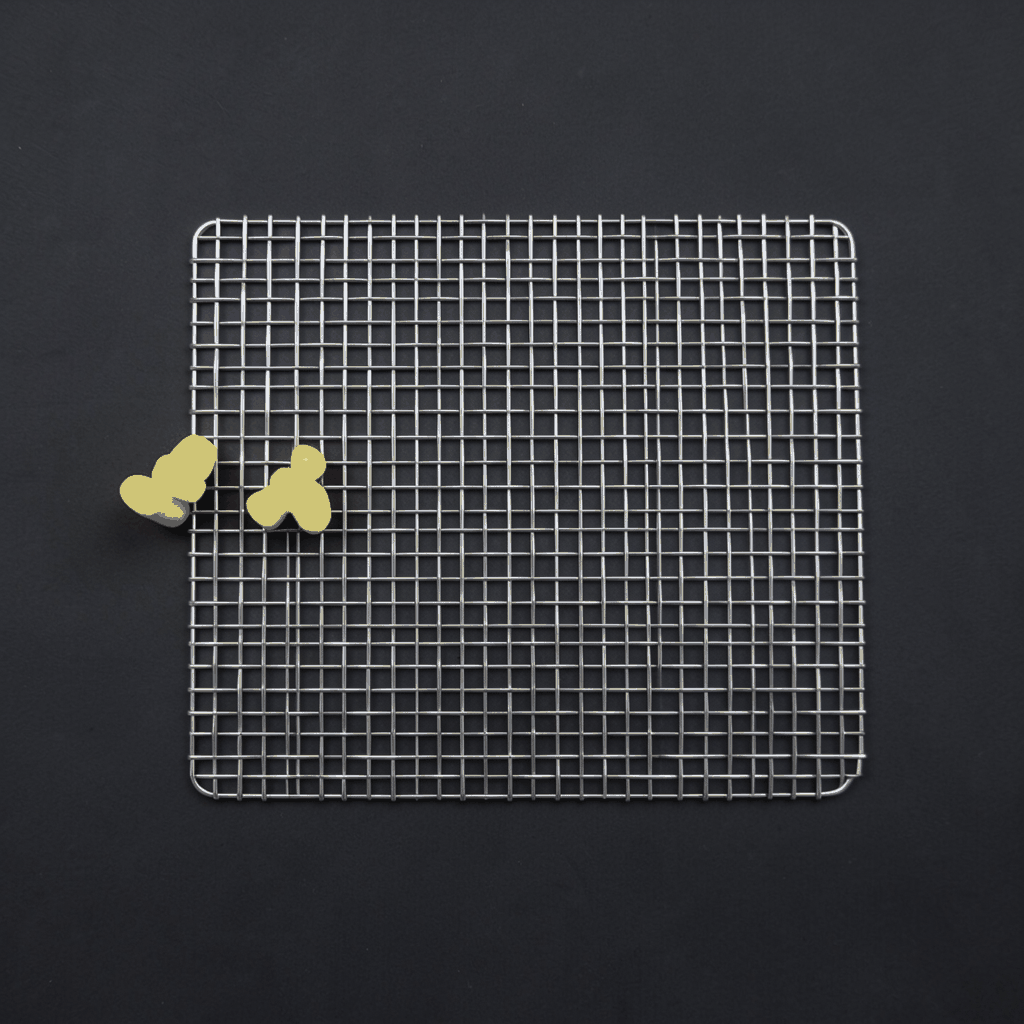
Its strength allows designers to use relatively slim wires, narrow framing members, and large panels while maintaining rigidity. Stainless steel mesh is suitable for balcony screens, elevator surrounds, ventilated rainscreen layers, entrance features, and security applications where the cladding may experience contact or vibration. It can also retain a crisp woven or architectural pattern over a long service period when properly fabricated and maintained.
Surface treatment still matters. Mill finish, brushed, bead-blasted, electropolished, and colored stainless steel surfaces behave differently in terms of reflectivity, fingerprint visibility, and cleaning requirements. Welded or cut areas should be processed correctly, and contamination from carbon steel fabrication tools must be avoided. Iron particles embedded in the surface can create rust-colored marks even when the underlying stainless alloy remains sound.
Stainless steel is heavier and commonly costs more than aluminum, especially when thicker framing and specialized finishes are included. Transport, lifting equipment, and support design may also add expense. Those costs can be justified where impact resistance, fire performance, longevity, or a premium appearance are central to the project.
Where Aluminum Delivers Practical Advantages
Aluminum is attractive for coastal cladding because of its low density. Panels and mesh screens are easier to transport, lift, cut, and install, which can reduce labor time and simplify work on upper floors or difficult sites. Lower dead load may also allow a lighter subframe, especially when the façade is being added to an existing building.
The metal naturally forms a thin oxide layer when exposed to air. This layer provides useful protection, and anodizing can improve surface uniformity, hardness, and color control. Powder coating offers a broad palette for branded façades, resort architecture, residential developments, and decorative sun screens. A high-quality coating system designed for marine conditions is essential; ordinary interior-grade finishes may chalk, fade, or lose adhesion faster in intense sunlight and salt air.
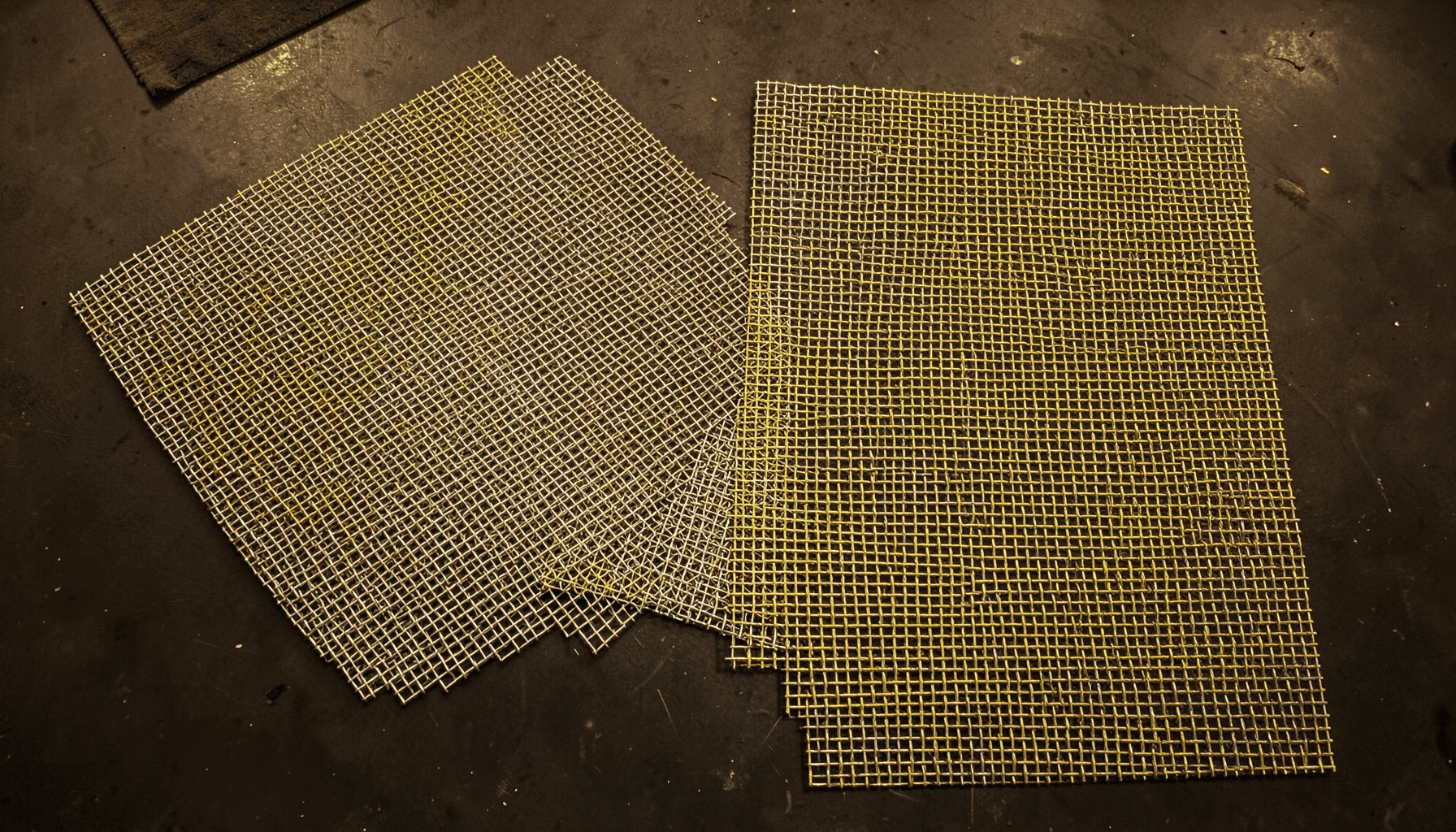
Aluminum mesh is often a good fit for large decorative screens, privacy panels, ventilated façades, ceiling features, and applications where visual coverage matters more than heavy impact resistance. It can be shaped into complex profiles and combined with laser cutting, perforation, or folded returns. Its lower weight makes modular replacement more manageable if a panel is damaged.
The material has limitations. Aluminum is softer than stainless steel and may dent or deform under impact. It also expands and contracts more with temperature changes, so oversized panels require movement allowances and carefully designed fixing points. Contact with dissimilar metals can create galvanic corrosion, particularly in a wet, salty environment. Compatible fasteners, insulating washers, coatings, and drainage paths should be included in the specification.
| Consideration | Stainless Steel Mesh | Aluminum Mesh |
|---|---|---|
| Marine corrosion resistance | Very strong with an appropriate grade, especially 316 or 316L | Good when anodized or marine-grade powder coated |
| Weight | Higher, requiring stronger handling and support | Low, simplifying transport and installation |
| Impact resistance | High and suitable for exposed or frequently touched areas | Moderate; vulnerable to denting and deformation |
| Finish options | Brushed, polished, colored, bead-blasted, and electropolished | Anodized, powder coated, painted, and decorative finishes |
| Thermal movement | Relatively low | Relatively high; movement joints are important |
| Typical cost | Higher initial material and fabrication cost | Often lower initial cost |
| Common coastal uses | Guardrails, high-traffic façades, premium screens, security cladding | Lightweight screens, sun shading, large decorative panels |
Design Details That Protect the Assembly
Material choice cannot compensate for poor water management. Cladding panels should be arranged so that rain and condensation can drain instead of pooling at lower edges, folded returns, or concealed brackets. Open-jointed systems need backing layers and ventilation paths that prevent salt-laden moisture from becoming trapped behind the decorative mesh.
Fasteners deserve the same attention as the visible panels. Stainless steel bolts, rivets, clamps, and anchors should be compatible with the selected mesh and support frame. When aluminum panels meet stainless steel hardware, isolating materials may be needed to reduce galvanic interaction. The design should also avoid direct contact between aluminum and untreated carbon steel, copper, or other metals that can establish an electrolytic cell.
Cut edges, welds, drilled holes, and field modifications are vulnerable points. Stainless steel fabrication should include suitable cleaning and passivation practices where appropriate. Aluminum parts should have edge protection and a coating system that remains continuous around bends and openings. Any repair coating should match the original preparation and exposure rating rather than being selected as a simple cosmetic touch-up.
Panel geometry affects wind response as well. A tightly woven mesh can create more resistance than an open expanded pattern, while a solid backing surface can significantly increase pressure on the frame. Engineers should check wind loads, attachment spacing, vibration, and deflection for the complete screen assembly. A decorative mesh that is visually light may still impose substantial forces when installed across a large façade.
Appearance, Maintenance, And Service Life
Stainless steel gives coastal architecture a precise, technical appearance. Its reflective surface can emphasize daylight, movement, and changing weather, while a satin finish provides a quieter visual effect. It is often selected for hotels, transport facilities, civic structures, and commercial interiors that extend toward exterior terraces. Regular rinsing can remove salt deposits and preserve the finish, particularly on façades exposed to direct sea spray.
Aluminum provides greater freedom when color is part of the architectural concept. Anodized silver, bronze, champagne, dark gray, and custom powder-coated colors can coordinate with glazing, stone, concrete, or branded signage. Coated aluminum should be cleaned with non-abrasive products and checked periodically for scratches, chalking, blistering, and loss of adhesion. Aggressive chemicals or abrasive pads may damage the protective finish.
Maintenance access should be considered before the mesh pattern is finalized. Very fine openings can collect airborne particles and may be difficult to wash efficiently. Removable panels, reachable fixing points, and a planned cleaning schedule can reduce lifecycle costs. In areas with intense salt exposure, periodic fresh-water rinsing is often more valuable than occasional heavy cleaning after deposits have hardened.
The expected service life should be discussed in practical terms. A coastal façade can remain functional while its appearance gradually changes, or it can be held to a demanding visual standard throughout its design life. Stainless steel may offer more tolerance for abrasion and localized damage, while properly specified coated aluminum can perform well where weight and color flexibility are higher priorities.
Match The Mesh To The Building Brief
A project close to breaking waves, exposed to strong winds, or located in a public area with high contact levels will often favor stainless steel. It is especially appropriate for guardrails, entrance screens, low-level cladding, and façades where dents or frequent handling would be costly. Selecting a marine-suitable grade and controlling fabrication quality are essential to receiving its full benefit.
Aluminum may be the more efficient choice for elevated decorative screens, sun-control layers, interior-exterior transitions, and large areas where reducing structural load is important. It works particularly well when the design depends on bold color, folded geometry, or quick panel replacement. The specification should identify the alloy, coating system, pretreatment, gloss level, color tolerance, and repair procedure.
For a mixed-material building, using both metals can be effective. Stainless steel may serve as the durable base, frame, or high-contact element, while aluminum forms lightweight upper screens or colored accent panels. This approach requires careful isolation between dissimilar metals and a consistent strategy for cleaning and inspection.
Working with an experienced processor can improve the result from concept through installation. A manufacturer such as custom metal mesh solutions can help assess mesh type, opening ratio, material, finish, edge treatment, and fabrication details for architectural or industrial applications. Early coordination reduces the risk of selecting a visually attractive pattern that later proves difficult to support, clean, or replace.
Recommendations For A Reliable Coastal Specification
- Specify the exposure level, distance from the shoreline, prevailing wind direction, and expected salt deposition before choosing an alloy.
- Use 316 or 316L stainless steel for severe chloride exposure when stainless steel is selected, subject to project engineering requirements.
- Require marine-rated anodizing or powder coating for aluminum and define pretreatment, coating thickness, color, and repair standards.
- Design drainage, ventilation, movement joints, compatible fasteners, and electrical isolation into the cladding system.
- Request samples, finish references, fabrication drawings, and maintenance instructions before approving full production.
A useful decision should consider the entire lifecycle rather than the lowest purchase price. Compare material, framing, lifting, installation, cleaning, repairs, replacement access, and the cost of visible deterioration. The right mesh creates a façade that supports the building’s identity while remaining practical under marine exposure.
Bring the project drawings, environmental conditions, preferred pattern, and finish requirements to a qualified metal mesh manufacturer before finalizing the specification. A coordinated review can turn the stainless steel versus aluminum decision into a durable, attractive coastal cladding system built for its actual site.