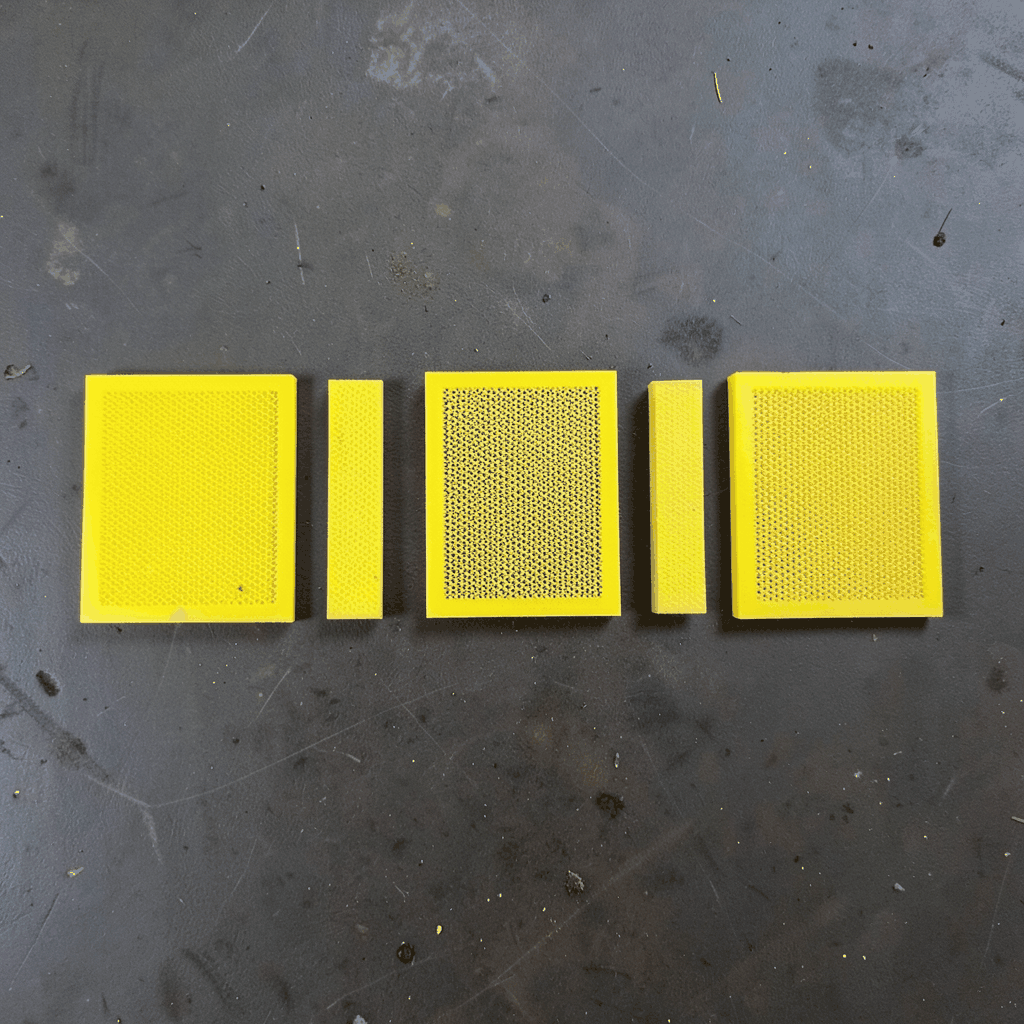
Selecting metal mesh for printing and ink filtration
Metal mesh has a direct effect on print definition, ink flow, filtration efficiency and production reliability. A mesh that looks suitable by its nominal count may perform poorly if its wire diameter, open area, material or tension does not match the process. The right selection begins with the application, then moves through measurable specifications.
For Australian printers, coating manufacturers, packaging plants and maintenance teams, local conditions also matter. Coastal salt air around Sydney, Brisbane and Perth can accelerate corrosion, while strong sunlight and outdoor temperature changes can affect screens, frames and stored inks. A practical choice balances technical performance, service life, cleaning requirements and the realities of the local supply chain.
Match the mesh to the process
Screen printing and ink filtration use woven metal mesh for different reasons. In screen printing, the mesh controls how much ink passes through a stencil and how accurately an image is reproduced. In filtration, the mesh retains unwanted particles while allowing the liquid to pass at an acceptable rate. These applications require separate specifications, even when they use similar stainless steel wire cloth.
Fine graphics, small text and detailed patterns generally need a finer screen-printing mesh. Large areas, dense inks and deposits requiring greater ink volume often benefit from a coarser mesh. Filtration selection depends on particle size, viscosity, pressure, temperature and the required flow rate rather than image resolution.
A manufacturer should also consider whether the mesh will be used continuously or intermittently. A screen used for short-run signage may have different wear requirements from a filtration element operating around the clock in a packaging or industrial plant. Defining the process first prevents a specification based on mesh count alone.
Understand count, wire diameter and open area
Mesh count describes the number of openings over a given distance. In Australia, technical discussions commonly use metric units such as threads per centimetre, micrometres and millimetres, although suppliers may also quote threads per inch. The conversion is not exact enough to rely on a simple label, so request the actual aperture and wire diameter.
Open area is the percentage of the screen available for liquid or ink to pass through. Two meshes with the same count can have different open areas if their wire diameters differ. A thinner wire can increase open area and improve ink release, while a heavier wire offers greater strength and resistance to abrasion.
A useful specification should state mesh count, wire diameter, aperture, open area and weave pattern. For filtration, also record whether the micron figure is nominal or absolute. A nominal rating gives an approximate retention level under stated conditions; an absolute rating indicates a much more defined maximum passage under a specified test method.
Select a weave for print quality and flow
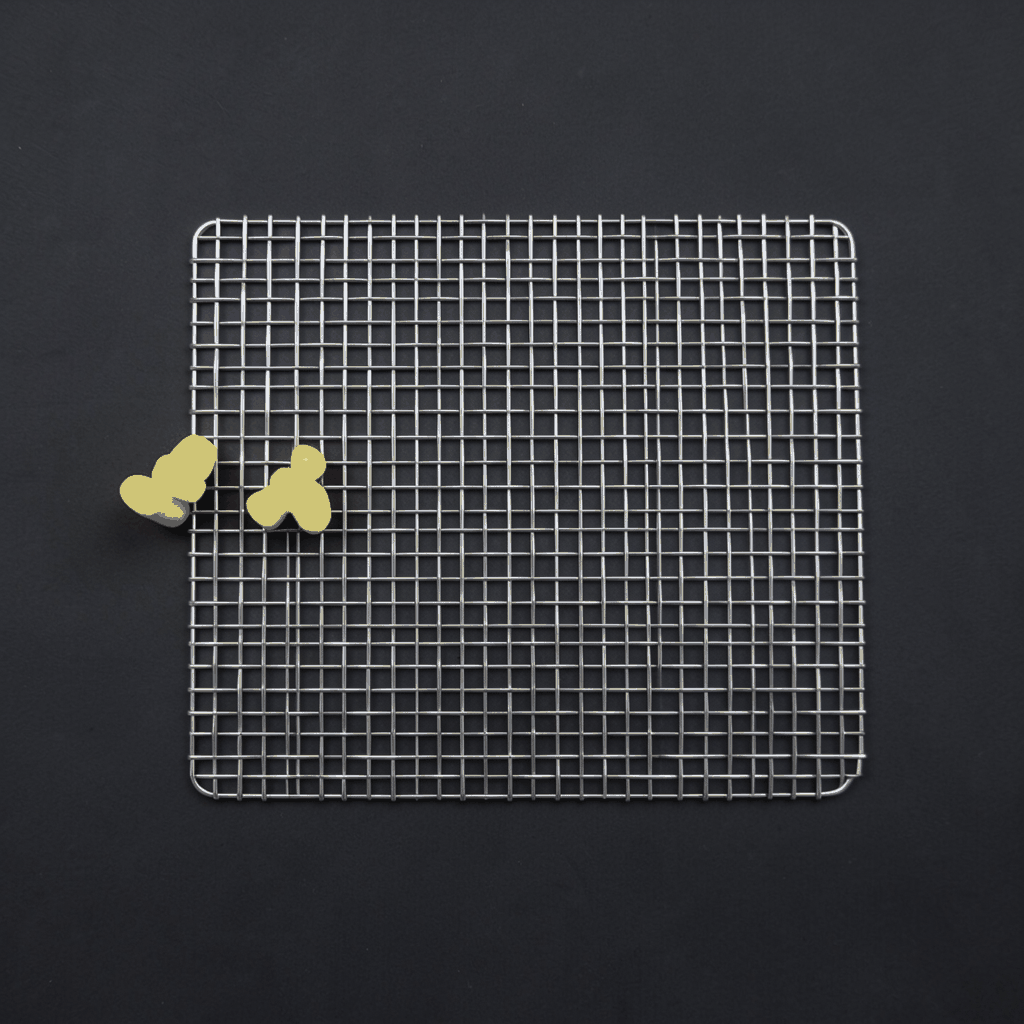
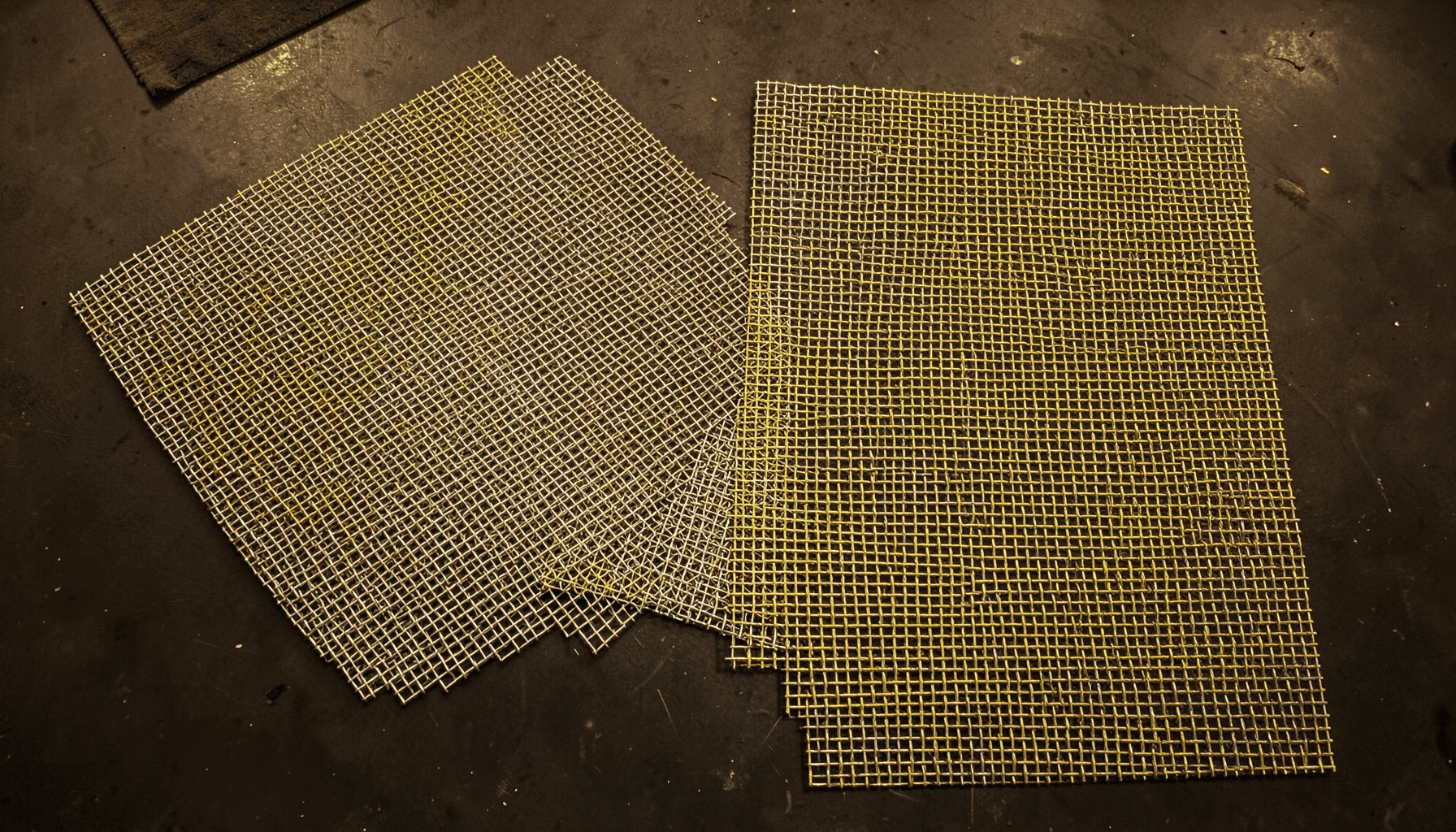
Plain weave is widely used because each wire passes over and under the next wire in a regular pattern. It provides predictable openings and is suitable for many screen-printing and general filtration duties. Twill weave can provide greater strength or a finer opening using relatively substantial wire, which is useful when a filter must tolerate pressure or repeated cleaning.
Dutch weave uses different wire arrangements in the warp and weft. It can deliver fine, controlled filtration with high mechanical strength, making it useful for inks, coatings, polymers and hydraulic fluids. The smaller openings may reduce flow, so the filter area and pressure conditions must be assessed rather than selected by micron rating alone.
For screen printing, mesh geometry affects stencil exposure, ink deposit and edge sharpness. A stable, evenly woven fabric supports consistent tension across the frame. For filtration, a uniform aperture reduces variation between batches and helps prevent early blockage caused by irregular wires or damaged areas.
Choose the right metal for ink and chemicals
Stainless steel is usually the safest starting point for demanding printing and filtration work. Stainless steel mesh offers strength, dimensional stability and resistance to many water-based inks, solvent systems, cleaning agents and industrial fluids. Common grades should still be matched to the chemical environment; exposure to chlorides, acids or aggressive cleaners may require a more corrosion-resistant grade.
Polyester and nylon are common in screen printing, but metal mesh has advantages where heat, solvent exposure, dimensional stability or durability are important. Stainless steel can also suit filtration elements that need repeated washing, backflushing or mechanical cleaning. Its higher cost may be justified by longer service life and reduced replacement frequency.
Aluminium mesh is light and can be useful for selected screens, guards and architectural applications, but it may be less suitable for abrasive filtration or strongly alkaline and acidic fluids. Copper and brass offer particular conductivity and decorative value, while iron and carbon steel can serve structural or lower-cost duties when corrosion protection is provided. Material compatibility should be checked against the full ink or fluid safety data sheet.
Specify performance before placing an order
The most useful purchase document connects the mesh to measurable operating conditions. For screen printing, include the image type, ink viscosity, expected deposit, squeegee pressure, screen dimensions, tension range and cleaning method. For filtration, include fluid type, temperature, viscosity, pressure, target particle size, flow rate and whether the element will be cleaned or replaced.
A clear request also reduces misunderstandings between Australian buyers and overseas manufacturers. State the finished dimensions, permitted tolerance, edge treatment, frame material, joining method and quantity. If the mesh will be installed in a filter basket or cartridge, provide a drawing showing the support structure and sealing surfaces.
Specification checks before ordering
- Mesh count, aperture and wire diameter in metric units
- Stainless steel grade or other confirmed alloy
- Plain, twill or Dutch weave and required open area
- Finished size, tension, frame and dimensional tolerances
For screen printing, ask for a sample panel or trial screen when the job involves fine halftones, high-opacity white ink, metallic particles or unusually thick coatings. For filtration, request a test section or laboratory sample where a blocked filter could interrupt production. A short trial often reveals pressure loss, cleaning difficulty and actual throughput before a larger purchase.
Account for Australian operating conditions
Outdoor signage, architectural graphics and municipal projects in Australia can expose mesh components to intense ultraviolet light, dust, rain and salt-laden air. Coastal sites in Queensland, New South Wales, Victoria and Western Australia need careful attention to stainless steel grade, weld quality and dissimilar-metal contact. A robust alloy may still develop staining if it is contaminated during fabrication or cleaned with unsuitable chemicals.
Australian factories also face practical temperature differences. A filtration unit in a warm warehouse near Darwin will behave differently from one in a cool Melbourne workshop, especially when fluid viscosity changes with temperature. Screen-printing operators in large cities may manage short production runs and rapid artwork changes, while industrial users in regional areas may prioritise long service intervals and readily available replacement parts.
Work health and safety duties are governed through Australian and state or territory arrangements, including model WHS laws adopted with local variations. Employers should assess solvent exposure, press guarding, manual handling, noise, chemical storage and cleaning procedures. Mesh selection does not replace a risk assessment, and any screen or filter integrated into machinery should be checked against the equipment supplier’s safety requirements.
Environmental controls also vary by jurisdiction and council. Solvent-based inks, wash-up chemicals and contaminated filters may require controlled storage and disposal. In cities such as Sydney and Melbourne, commercial operators may have strict waste-handling expectations, while remote sites may face higher transport costs for hazardous residues. A durable, cleanable metal filter can support waste reduction, provided it is compatible with the process and safely maintained.
Work with a manufacturer that can customise
Standard woven wire mesh is only one part of a usable screen or filtration component. A specialist manufacturer can cut mesh to size, form baskets, weld seams, fit frames, produce panels or combine mesh with support layers. These options are valuable when a filter must fit existing equipment or when an architectural screen must meet a precise opening and appearance requirement.
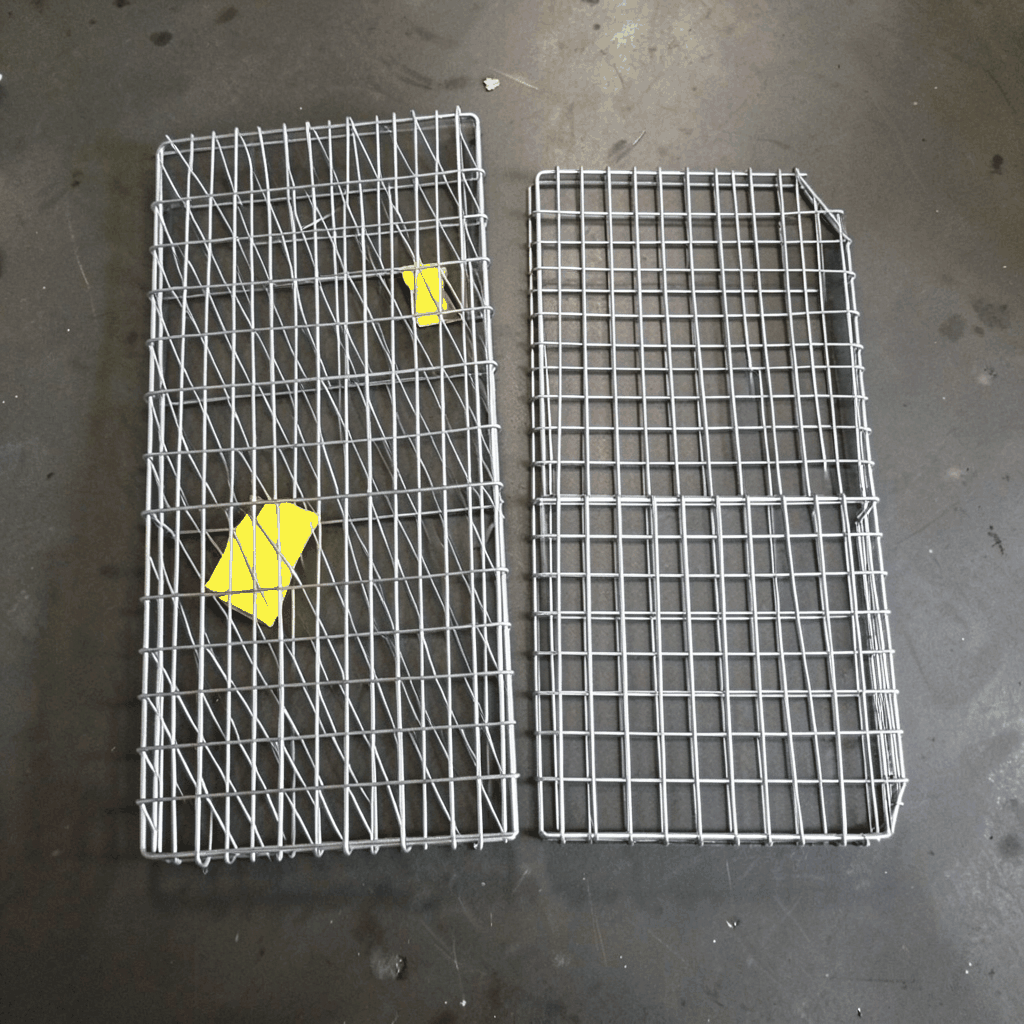
For printing applications, custom tensioned screens can be supplied with selected frame profiles and controlled mesh orientation. For filtration, rolled cylinders, discs, baskets and layered elements can be designed around the expected pressure and cleaning method. Support mesh may be added where a fine filter cloth would otherwise deform under load.
Architectural metal mesh capabilities can also assist projects where a technical screen has a visible role. Stainless steel, aluminium, copper and coated steel can be formed into partitions, guards, cladding inserts or decorative panels. The same attention to aperture consistency, edge finishing and corrosion resistance applies whether the product is hidden inside a machine or displayed in a commercial building.
Verify quality, traceability and service life
Quality control should cover more than a visual check. Inspect the mesh for broken wires, inconsistent openings, wrinkles, loose edges, weld defects and contamination. For printed screens, uniform tension and accurate frame squareness are important. For filters, the finished element should maintain its shape, seal correctly and resist collapse at the specified differential pressure.
Ask for material certificates when alloy grade matters, dimensional inspection records for custom parts and test information for filtration performance. A supplier should be able to explain how aperture is measured, how welded joints are inspected and what tolerances apply. Product identification on packaging helps Australian maintenance teams reorder the same specification rather than relying on a photograph or an approximate description.
Service life depends on handling as well as material. Store screens flat or in a protected position, avoid contact with sharp tools and rinse corrosive residues promptly. Filter elements should be cleaned according to the fluid and alloy, with pressure limits observed during backflushing. Abrasive brushing, excessive heat or incompatible chemicals can shorten the life of even a high-quality metal mesh product.
A reliable supply arrangement should include replacement availability, packing suited to international transport and clear communication about lead times. This is particularly important for regional Australian sites, where a failed filter or damaged screen may take longer to replace. Keeping the approved mesh code, drawing and material grade in the maintenance record supports consistent purchasing.
The best result comes from treating mesh as an engineered component rather than a generic roll of wire cloth. Share the process conditions, drawings, material requirements and Australian site constraints with Shuo Ke Wire Mesh Product Technology Co., Ltd. The company can help develop woven mesh screens, filtration elements, baskets, frames and other customised metal mesh products for printing, industrial and architectural use. Request a technical quotation and sample specification before production so the finished mesh performs reliably from the first installation.