
Custom Barbecue Mesh Solutions for Portable and Built-In Grills
Reliable grill performance begins with the cooking surface. A barbecue grate must transfer heat evenly, support food safely, resist corrosion, and remain easy to clean after repeated exposure to grease, smoke, moisture, and high temperatures. Standard off-the-shelf grates may work for occasional cooking, but custom barbecue mesh creates a better fit for portable grills, built-in outdoor kitchens, commercial barbecue stations, and specialty cooking equipment.
Shuo Ke Wire Mesh Product Technology Co., Ltd. manufactures and processes metal mesh products for practical engineering and decorative applications. Its capabilities include stainless steel, iron, aluminum, copper, and alloy mesh solutions that can be cut, formed, welded, and finished according to the dimensions and operating conditions of a particular grill.
A custom grill grate is more than a piece of woven wire. Mesh opening, wire diameter, edge construction, frame design, material grade, and surface treatment all affect cooking results and product life. By selecting these details together, buyers can obtain a barbecue screen or cooking rack that matches both the grill design and the way it will be used.
Why Grill Mesh Requires Careful Engineering
Barbecue mesh operates in a demanding environment. Direct flame, radiant heat, carbon deposits, acidic marinades, salt, and repeated thermal expansion can weaken unsuitable materials. A grate that appears strong during initial use may warp, become difficult to clean, or develop rust when its metal grade and construction do not match the application.
Mesh geometry also influences cooking. Narrow openings help retain vegetables, seafood, minced meat, and smaller cuts, while wider openings allow stronger flame contact and create more pronounced grill marks. A balanced design supports food without blocking airflow or trapping excessive grease beneath the cooking surface.
Custom engineering helps resolve practical details that are often overlooked. The grate may need to slide into a built-in frame, fold for transport, rest on removable supports, or include a reinforced perimeter. Handles, mounting tabs, divided cooking zones, and replaceable sections can be integrated into the design before production rather than added through improvised modifications.
Materials For Portable And Built-In Grills
Stainless steel is widely selected for cooking grates because it combines strength, corrosion resistance, and a clean appearance. Food-contact applications often use stainless grades chosen for their resistance to moisture and staining. The appropriate grade depends on the expected heat, cleaning routine, outdoor exposure, and budget.
Iron and carbon steel can provide excellent heat retention and a traditional cooking experience. They are suitable for heavy-duty barbecue plates and grates when a protective seasoning or high-temperature coating system is part of regular maintenance. These materials may be preferred where thermal mass and cost are more important than low-maintenance corrosion resistance.
Aluminum offers low weight and good corrosion resistance, making it useful for selected portable or auxiliary components. However, its temperature limitations must be evaluated carefully before it is used near direct flame. Copper and other alloys may serve decorative, specialized, or heat-transfer purposes, but their suitability must be confirmed according to the cooking temperature and food-contact requirements.
Finishing choices should support the use case rather than simply improve appearance. A smooth, polished surface can simplify cleaning, while a textured or treated surface may improve handling or reduce visible wear. For any grill component that contacts food or sits directly above flames, material and finish selection should be reviewed with safety and operating temperature in mind.
Mesh Patterns And Construction Options
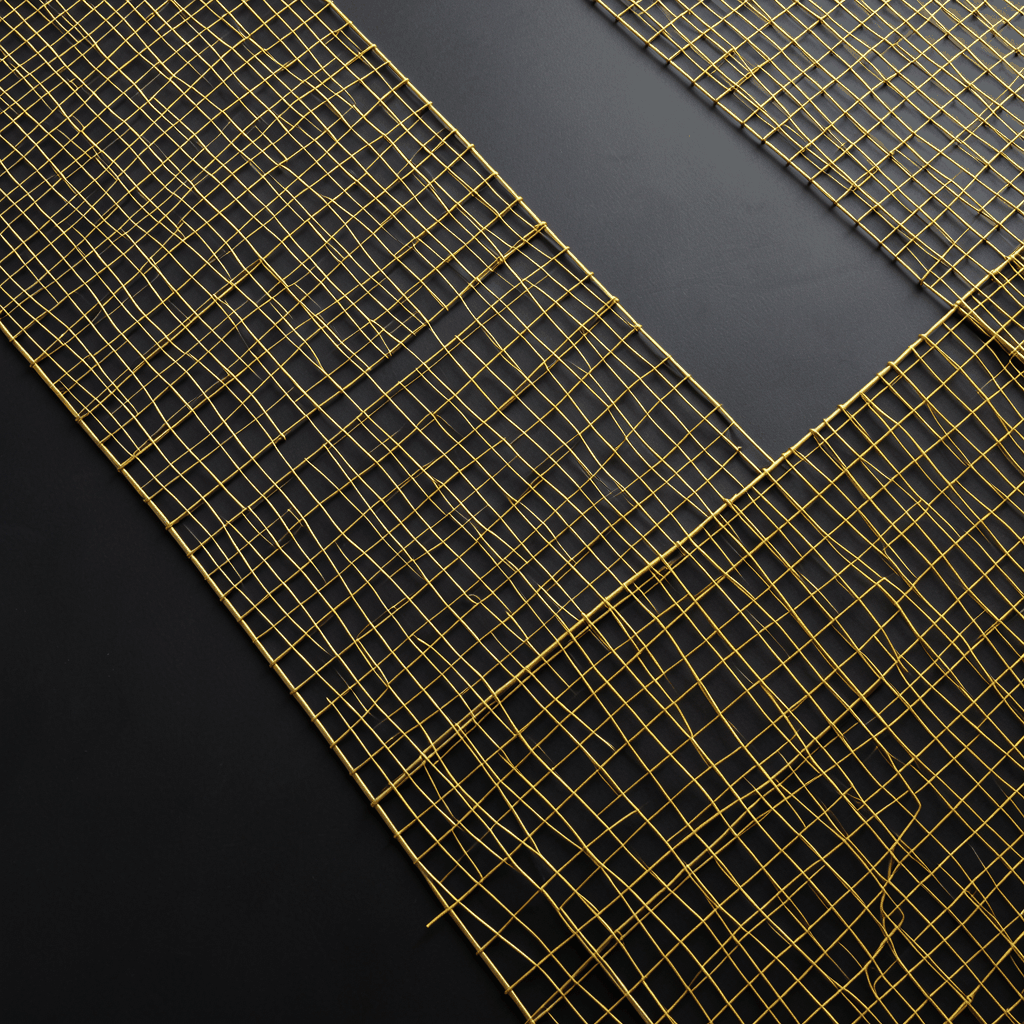
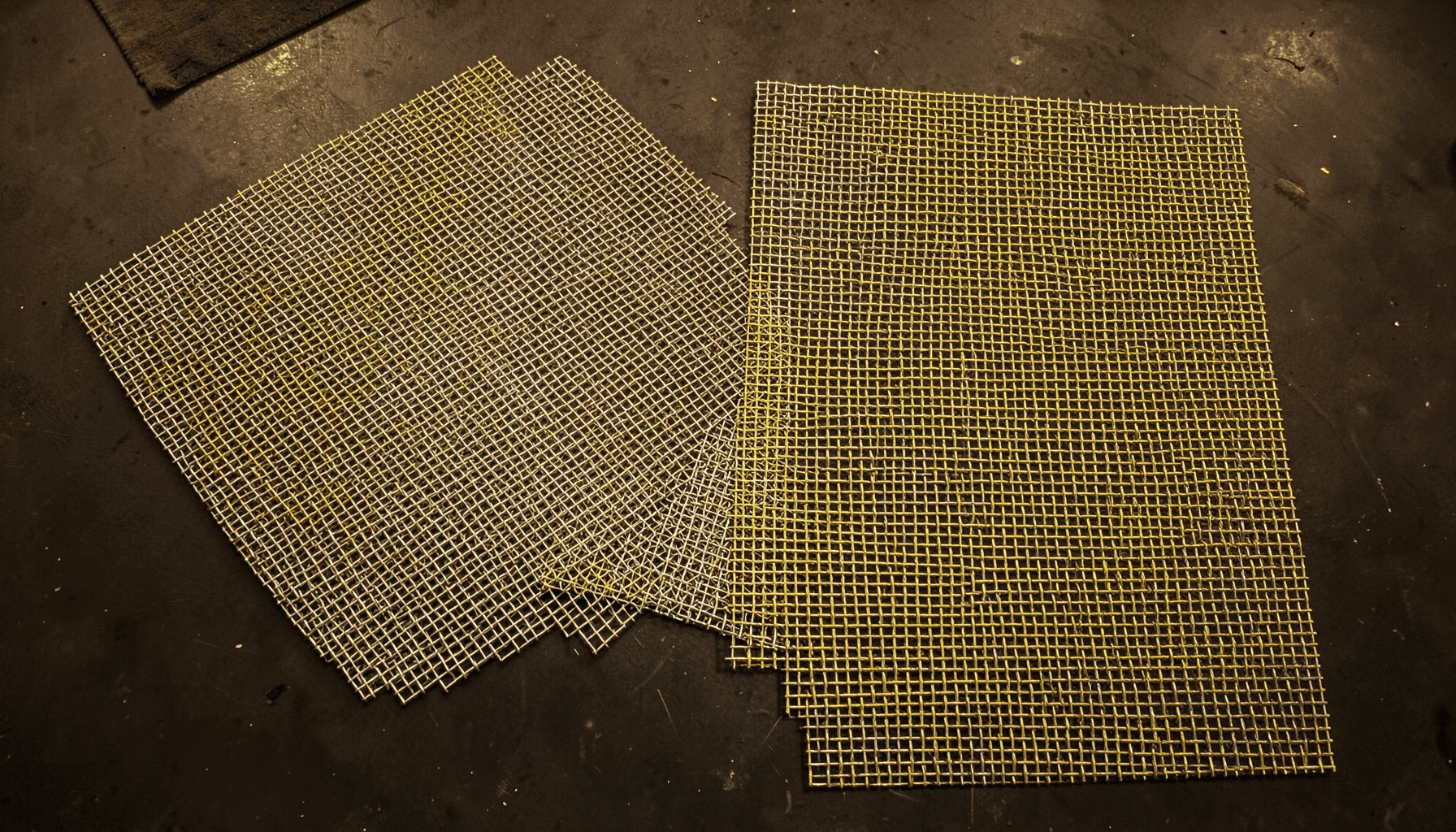
Woven wire mesh provides a flexible solution for many barbecue grate designs. Plain weave is familiar, economical, and available in a wide range of openings and wire diameters. It can be produced as a removable cooking screen or secured within a rigid metal frame for greater stability.
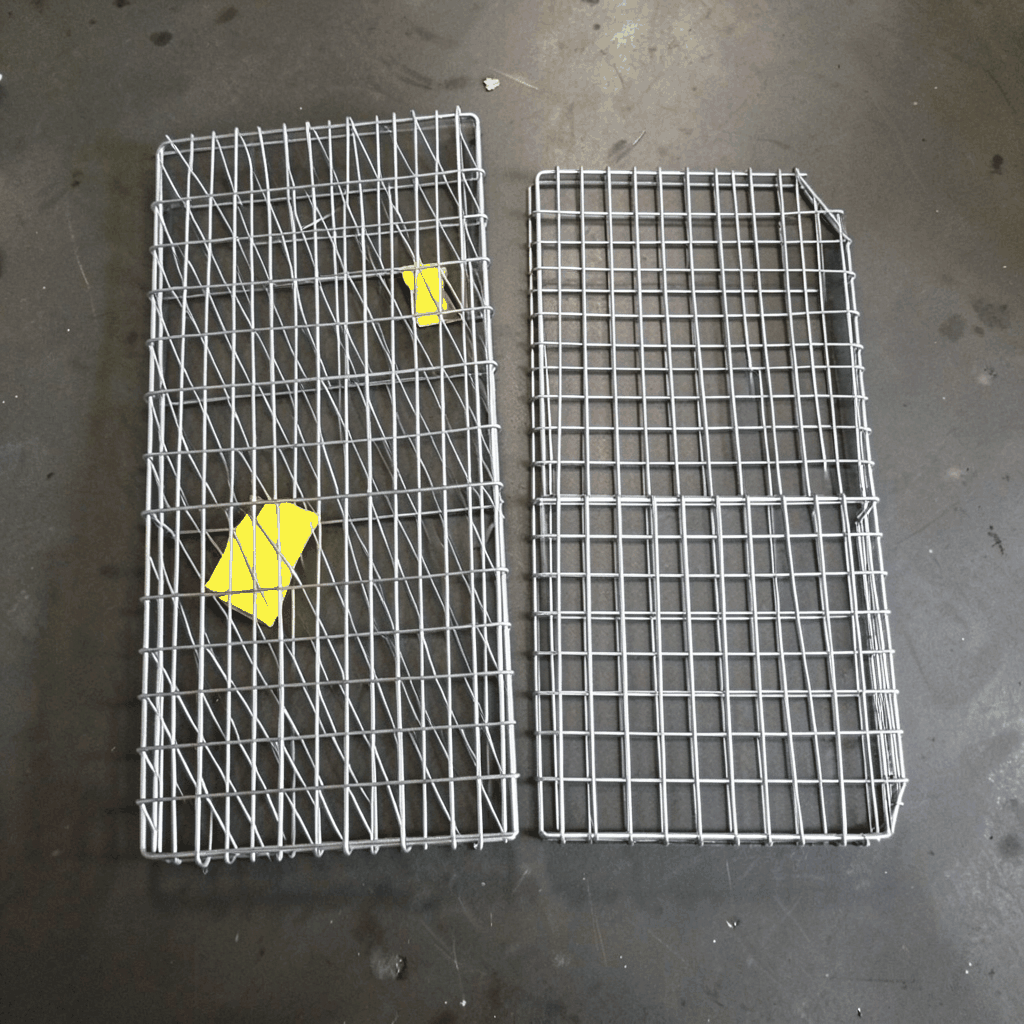
Welded wire mesh is often preferred when a firm, consistent grid is needed. Welded intersections resist movement and can create a durable support surface for heavier food items. It is especially useful for custom baskets, roasting racks, charcoal separators, and modular inserts used in commercial or built-in grill systems.
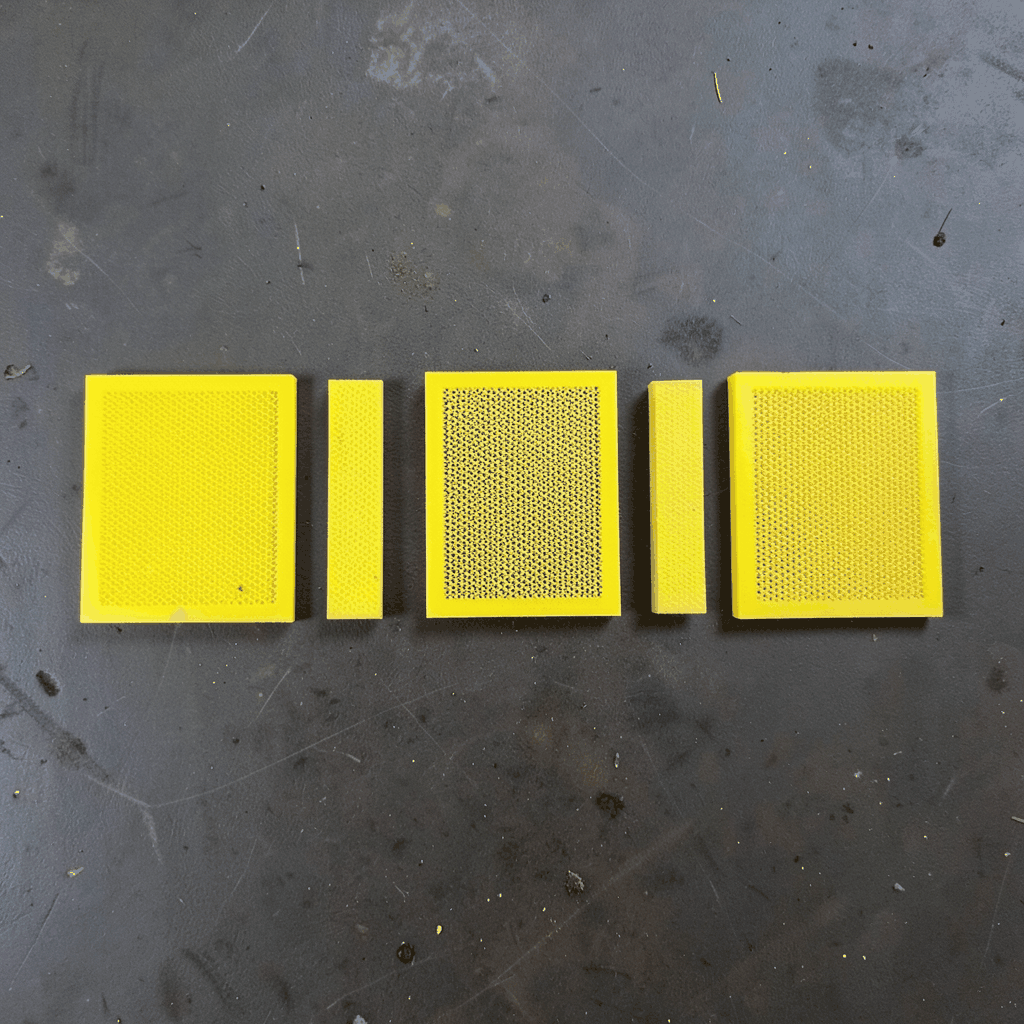
Expanded metal and perforated sheet offer different cooking characteristics. Expanded mesh creates a continuous diamond pattern with strong airflow, while perforated sheet can support smaller food pieces and provide a more enclosed cooking surface. These formats can be cut into round, rectangular, curved, or irregular shapes to follow the internal profile of a grill.
Edge treatment is just as important as the central mesh. Rolled edges, welded frames, folded borders, and reinforced corners reduce sharp projections and protect the grate from distortion. For portable units, foldable legs or removable handles can make storage and transport easier. For built-in grills, precise external dimensions and stable support points help the grate sit securely without rattling.
Portable And Built-In Grill Requirements
Portable grills prioritize low weight, compact storage, fast setup, and resistance to outdoor handling. Their barbecue mesh may need folding sections, detachable legs, hinged panels, or integrated carrying handles. A grate that is easy to remove also allows users to clean the firebox and replace individual cooking zones without dismantling the entire unit.
Built-in grills usually require tighter dimensional control. The grate must fit a masonry cavity, stainless steel cabinet, custom outdoor kitchen, or commercial cooking line. Designers may specify separate zones for direct and indirect heat, an opening for charcoal replenishment, a warming rack, or a removable center section for accessories such as a wok ring or rotisserie support.
The surrounding environment affects the specification. Coastal locations, pool areas, and humid climates place greater demands on corrosion resistance. Restaurants and catering facilities may need thicker mesh, reinforced frames, and replacement parts that withstand intensive daily cleaning. Residential outdoor kitchens may place equal value on visual coordination, allowing the mesh and frame to match nearby countertops, doors, screens, or architectural metalwork.
The broader design language of a project can guide the finish and pattern. For example, metal fabrication details used in an outdoor kitchen may coordinate with decorative architectural elements; designers exploring decorative mesh curtains can apply similar attention to proportion, texture, and finish when specifying visible grill components.
Comparing Custom Mesh Formats
The best format depends on the balance between food retention, airflow, strength, cleaning, and portability. The following comparison provides a practical starting point, although final selection should account for the grill’s temperature, dimensions, and fuel type.
| Mesh Format | Main Advantages | Suitable Applications | Key Considerations |
|---|---|---|---|
| Woven Wire Mesh | Flexible sizing, varied openings, efficient airflow | Portable grates, seafood screens, vegetable baskets | Edges should be secured to prevent distortion |
| Welded Wire Mesh | Stable grid, strong intersections, consistent geometry | Heavy-duty grates, roasting racks, charcoal dividers | Weld quality and corrosion resistance are important |
| Expanded Metal Mesh | Good strength-to-weight ratio, continuous diamond openings | Outdoor grills, fire baskets, warming surfaces | Pattern may require careful cleaning |
| Perforated Metal Sheet | Supports small foods, controlled openings, smooth visual profile | Built-in grill inserts, grease-control panels | Hole size affects airflow and heat distribution |
| Framed Mesh Panel | Rigid edges, secure installation, replaceable module | Commercial and custom outdoor kitchens | Frame dimensions must match support points precisely |
A modular approach can reduce long-term maintenance costs. Instead of manufacturing one oversized grate, a supplier can produce multiple sections with compatible frames. Damaged or heavily worn sections can then be replaced individually, while different mesh openings can be assigned to meat, vegetables, seafood, or warming areas.
Customization And Manufacturing Controls
A successful order begins with accurate technical information. Useful details include the grill’s internal length and width, support ledge dimensions, desired grate height, fuel type, operating temperature, mesh opening, wire or sheet thickness, frame profile, handle position, and preferred finish. Drawings, photographs, samples, and CAD files can help resolve irregular shapes and installation constraints.
Manufacturing may include wire drawing, mesh weaving or welding, laser cutting, bending, edge forming, frame welding, polishing, and inspection. Laser cutting is useful for repeatable outlines and complex profiles, while welding supports rigid frames and reinforced corners. Processes should be selected according to the material and the required dimensional tolerance.
Quality control should cover more than appearance. The manufacturer can inspect overall dimensions, mesh uniformity, weld continuity, edge safety, frame squareness, and fit against a reference sample or drawing. For repeat orders, retained specifications and production records help maintain consistency across replacement grates and multiple grill units.
Customization also allows branding and project coordination. A commercial operator may require identical grates across several locations, while an outdoor kitchen fabricator may need components that align with a particular cabinet system. A specialist metal mesh manufacturer can combine repeatable production with adjustments for different sizes, materials, and installation methods.
Recommendations For Selecting A Supplier
Choosing a supplier involves evaluating technical capability, material knowledge, and communication as much as unit price. A low-cost grate may become expensive if it needs frequent replacement or does not fit the grill correctly. Buyers should request clear specifications and confirm how the supplier will manage custom dimensions.
- Select a material grade that matches heat exposure, moisture, cleaning chemicals, and food-contact requirements.
- Provide measured drawings or physical samples showing support points, clearances, and removable components.
- Choose mesh openings according to the smallest food items being cooked and the desired airflow.
- Specify reinforced edges, rounded or folded borders, and secure handles for safe handling.
- Confirm inspection procedures, sample approval, packaging, and replacement-part availability before production.
From Specification To Finished Grill Component
A custom barbecue grate should be treated as an engineered component within the full grill system. Its mesh pattern affects heat and food support, its frame determines stability, and its material influences service life. Portable and built-in grills can therefore benefit from different solutions even when they use similar fuel and cooking methods.
Shuo Ke Wire Mesh Product Technology Co., Ltd. supports customized metal mesh production for residential, commercial, architectural, and industrial requirements. With options for stainless steel, iron, aluminum, copper, and other alloys, the company can develop cooking grates, barbecue baskets, fire screens, warming racks, and related fabricated parts around a project’s dimensions and performance goals.
Share your grill drawings, measurements, material preferences, and intended operating conditions with Shuo Ke to begin developing a durable, accurately fitted barbecue mesh solution for portable equipment or a built-in outdoor kitchen.