Custom Copper Mesh for Terrarium and Vivarium Enclosures
Australia has long held one of the world's most active herpetological communities, and the country now sits at the centre of a quieter but equally dedicated wave of terrarium builders. In suburban Brisbane garages, Melbourne share-houses and Sydney apartment balconies, hobbyists keep everything from children's pythons and knob-tailed geckos to rare Australian native plants in custom glass tanks. The same craft has produced a steady demand for hardware that stockists rarely supply off the shelf, particularly mesh components that combine structural function with the warm metallic finish that suits modern interior design.
Copper mesh occupies an unusual position in this trade. It is decorative enough to feature on the visible front of a built-in living-room vivarium in a Perth coastal home, yet engineered enough to handle the daily humidity cycle of a bioactive planted tank. Unlike stainless or galvanised steel, copper does not flash with rust when exposed to misting systems and damp substrate, and it carries well-documented antimicrobial behaviour on its surface.
Off-the-shelf rolls rarely fit the geometries that serious keepers build. A custom-fabricated sheet can be cut to the exact lid dimensions of a 900 mm cube, framed to sit flush on a rimless aquarium, or pressed into a curved canopy for a display enclosure in a Darwin wildlife park. The advantage of going custom is not just fit but the chance to specify aperture, wire diameter, weave pattern and finish in one order.
This article looks at the engineering properties of woven and welded copper mesh, the species and climate considerations that drive aperture choice in Australian builds, the design and fabrication options available to hobbyists and trade installers, and the practical realities of sourcing custom mesh from a Chinese manufacturer and shipping it to a workshop in Sydney, Melbourne or beyond.
Why copper mesh performs in humid enclosures
Copper develops a stable oxide layer that protects the underlying metal in damp conditions. Plain steel mesh, even galvanised, tends to bleed rust streaks down silicone seals and acrylic panels within a single humid season inside a tropical vivarium. In a Brisbane build aimed at maintaining 70 to 80 percent humidity for a green tree python or an emerald tree monitor, copper weathers cleanly and the patina it develops is part of the aesthetic rather than a flaw to hide.
The metal also releases trace ions that suppress bacterial and fungal colonisation on its surface. Hospitals have used copper-alloy touch surfaces for this reason for decades. In a bioactive enclosure with leaf litter, springtails and isopods working through the substrate, a copper mesh lid adds a quiet secondary defence against surface mould on the damp areas around misting heads.
Heat behaviour matters as well. Copper conducts evenly, so a copper mesh guard placed beneath a ceramic heat emitter or a halogen basking lamp does not create a localised hot spot that warps plastic fittings. The mesh stays straight at the temperatures common in standard reptile keeping, and it does not off-gas the way some coated metals do.
Matching aperture and weave to species and climate
Aperture is the single specification that determines whether a mesh works. Too large and hatchling reptiles, feeder insects or small marsupial roommates escape; too fine and airflow collapses, humidity spikes, and respiratory problems follow. The right opening depends on the species, the climate you are replicating, and where the enclosure sits inside an Australian home.
A rainforest vivarium in tropical Cairns, designed around a water dragon or a white-lipped python, needs generous airflow without losing humidity overnight. A mesh lid with a fine 1.6 mm to 3 mm weave balances both. By contrast, a desert bearded dragon enclosure in Adelaide or inland New South Wales often pairs a more open mesh section with solid panels, so heat is retained overnight while fresh air still moves through.
Common aperture ranges by enclosure type:
- Ventilation lids for tropical rainforest vivariums and humid planted terrariums: 1.6 mm to 3 mm fine plain or Dutch weave
- Drainage layer guards and false-bottom screens: 4 mm to 6 mm woven or welded grid
- Plant terrarium lids for ferns, mosses and native orchids: 0.8 mm to 1.5 mm tightly woven cloth
- Arboreal enclosures for climbing geckos and juvenile snakes: 1.6 mm to 2.5 mm
Wire diameter affects strength and visual weight. Thicker wire gives a robust industrial look suited to large public displays in zoos and visitor centres; finer wire nearly disappears against planting and suits the minimalist aesthetic common in contemporary Australian interior design.
Design finishes, frames and decorative choices
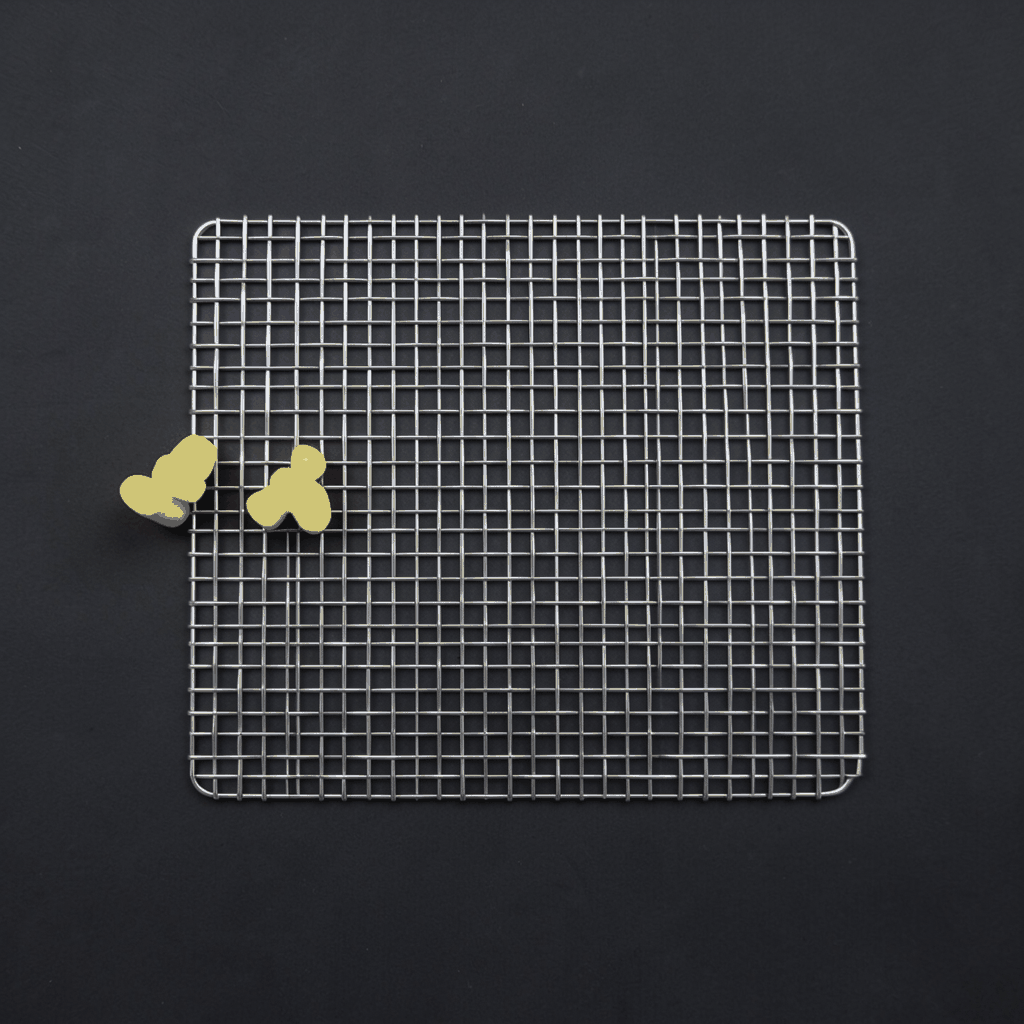
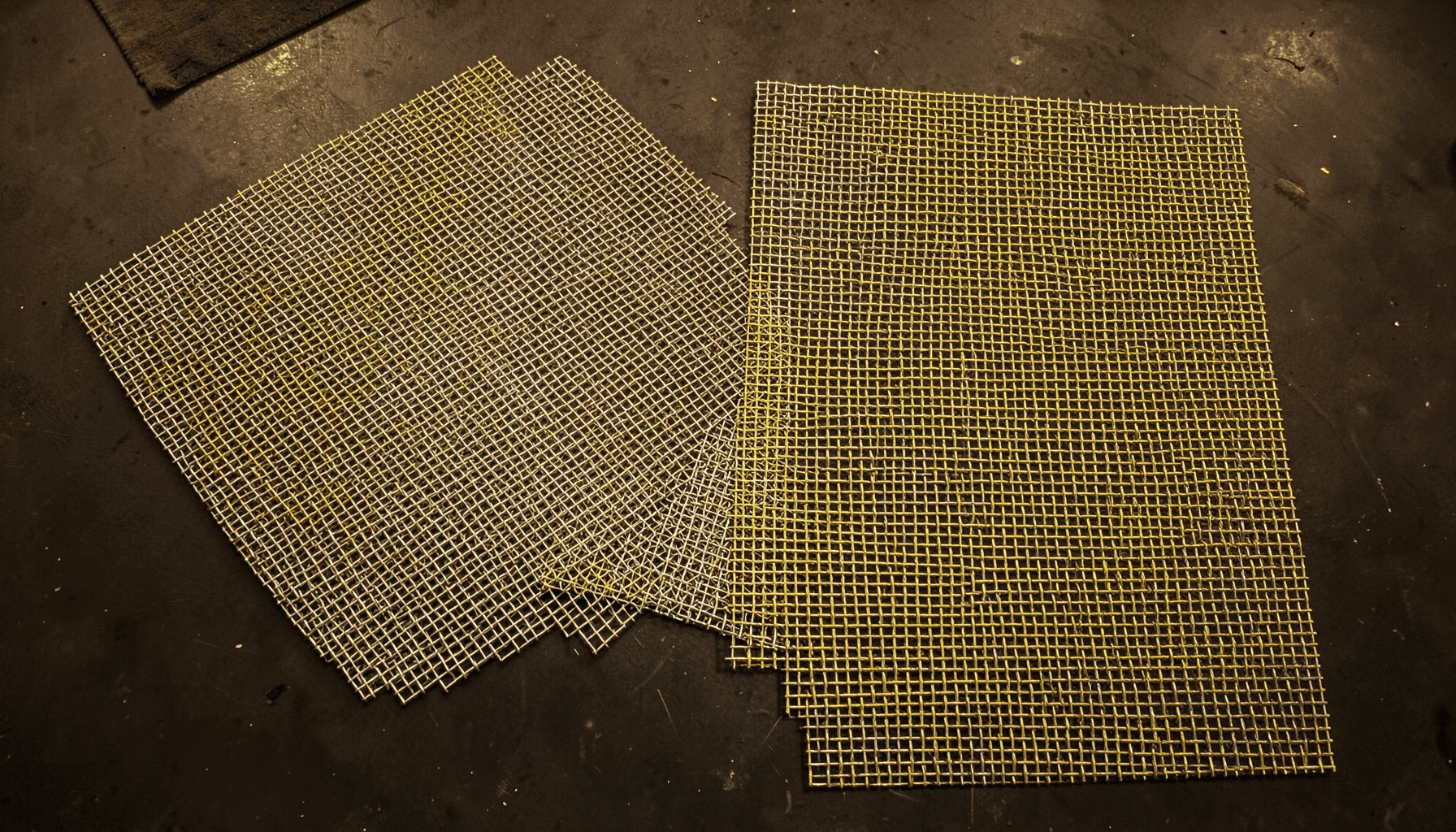
Copper mesh is sold as either rolls or pre-cut sheets, and the fabrication choice shapes how the finished piece sits in a build. Rolls suit curved surfaces such as the inside of a cylinder terrarium or a custom lamp canopy. Sheets cut to size and framed sit flat as lids, side panels or decorative fronts on cabinetry.
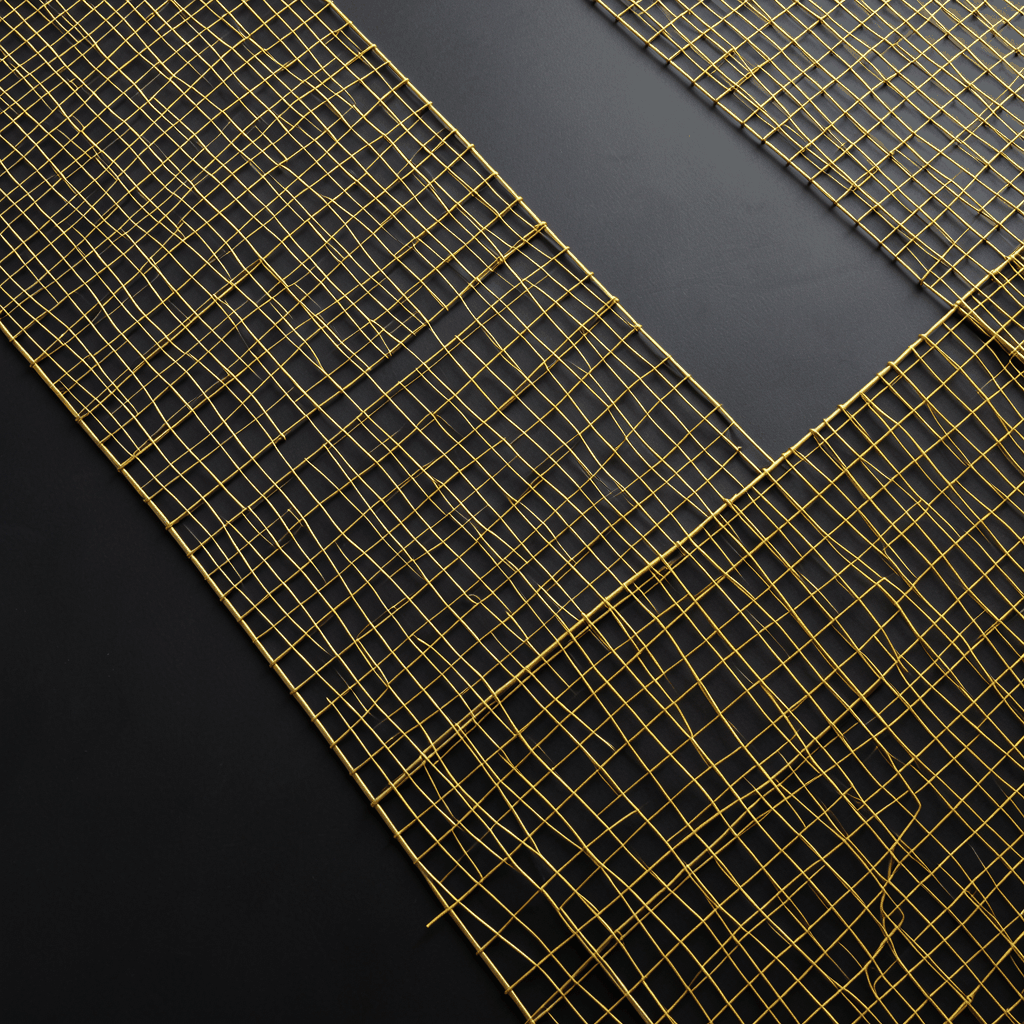
Weave options carry visual weight as well as functional character. Plain weave gives a balanced grid that reads as modern and restrained. Twill weave produces a denser cloth with smaller effective openings, useful for fine filtration and for terrariums where the mesh needs to disappear behind planting. Crimped weaves create a three-dimensional surface that catches light dramatically and suits feature walls in commercial fit-outs, hotel lobbies in Surfers Paradise or Brisbane's New Farm, and high-end residential projects in Mosman and Toorak.
The natural patina that copper develops is a deliberate design choice for many Australian interiors. A polished finish suits new builds and coastal Hamptons-style homes, while an aged green or brown patina complements heritage Queenslander renovations and country properties in the Adelaide Hills. A clear lacquer can be applied if the original bright finish is preferred; without it the surface will tone down gradually over twelve to twenty-four months in most indoor environments.
One caution worth noting: copper is toxic to amphibians and to some aquatic life in dissolved form. Copper mesh is well suited to reptile enclosures, plant terrariums and decorative panels, but should not be placed in direct contact with water or wet substrate in setups housing frogs, newts or freshwater fish.
Fabrication, fitting and installation
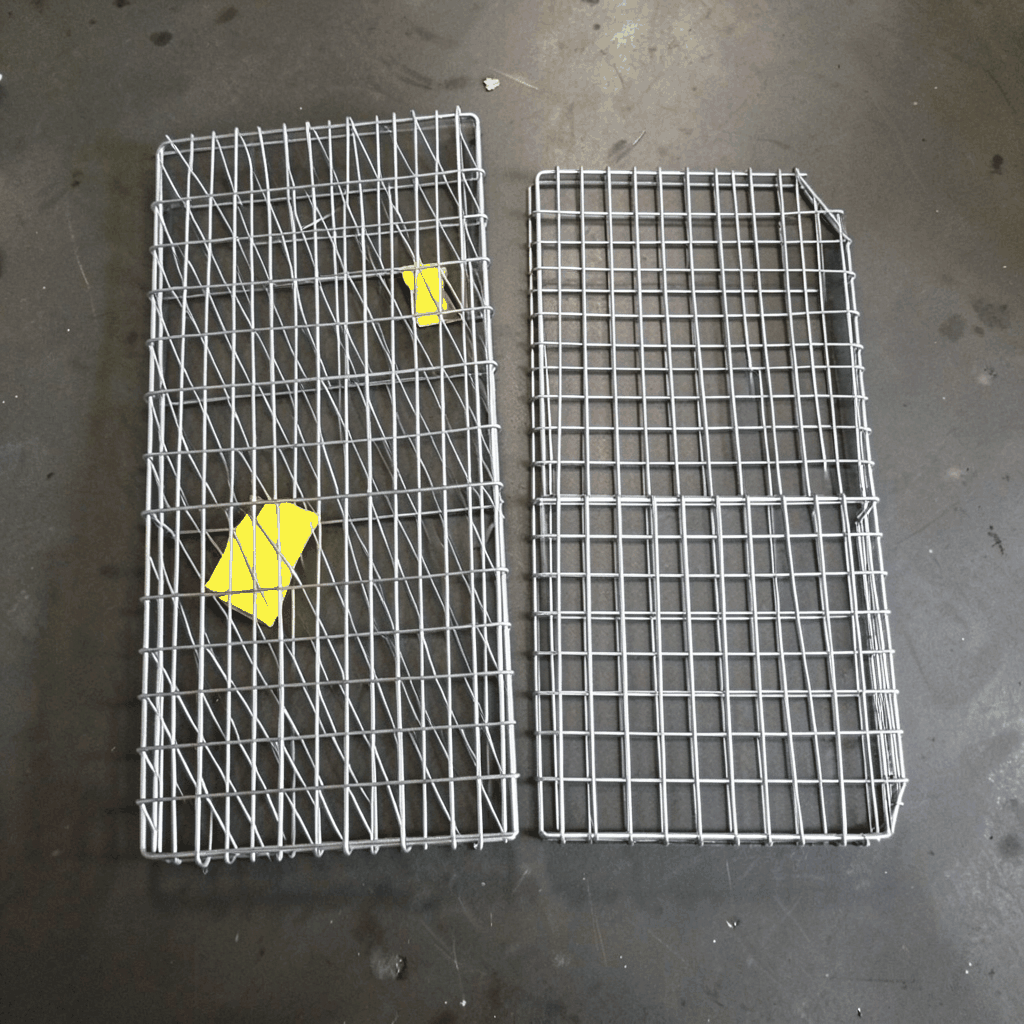
Cutting copper mesh at home is straightforward with aviation snips for sheet, or a fine-toothed hacksaw for framed pieces. Edges should be folded, welded or captured inside a frame so no wire points are exposed. Snout and toe injuries from sharp mesh ends are a known risk in reptile keeping, and Australian keepers who source custom mesh from overseas fabricators should request edge finishing as part of the order.
Framing also lets the mesh integrate with timber cabinetry, aluminium extrusion or stainless channel. Many hobbyists in Melbourne and Sydney pair a copper mesh front with black powder-coated aluminium sides, building a display that suits both a modern living room and a dedicated reptile room. The frame material matters less than the precision of the fit, since gaps around mesh lids are the most common source of escape in custom builds.
Specifications worth confirming with the fabricator before production:
- Final sheet dimensions in millimetres, with a tolerance of plus or minus 1 mm
- Wire diameter and aperture measured as clear opening, not centre-to-centre
- Edge treatment: welded border, folded return, or captured in a supplied frame
- A small sample piece or a signed-off drawing before the full production run
Lead times for custom work typically run two to four weeks for fabrication, plus sea freight from China to Australian ports. Planning ahead avoids rushed orders and shipping premiums.
Sourcing from a Chinese manufacturer and shipping into Australia
Working with a Chinese mesh producer on bespoke terrarium and vivarium components has become routine for Australian trade buyers and serious hobbyists. Communication in English, digital drawings reviewed by email, and sample shipments ahead of full production are now standard practice for established fabricators.
Sea freight from major Chinese ports to Sydney or Melbourne takes roughly three to four weeks, with a further week for Australian biosecurity processing and local delivery. Metal mesh is not a restricted import, but it must be declared correctly on incoming paperwork, and wooden crating may require treatment certification. A reliable supplier will handle the export documentation and provide a commercial invoice that satisfies Australian Border Force.
Pricing is typically quoted in United States dollars per square metre or per kilogram, and converted into Australian dollars at the prevailing rate. Minimum order quantities vary, but most architectural mesh producers will accommodate a hobbyist run of a few square metres, particularly when the order can be combined with a larger trade shipment.
Shuo Ke Wire Mesh Product Technology Co., Ltd. works with clients on both architectural scales and smaller custom runs, producing decorative mesh for residential and commercial projects as well as engineered filtration mesh for industrial buyers. Their range of materials, weaves and finishes can be specified down to aperture, wire diameter, sheet size and frame profile, making them a practical partner for Australian terrarium builders who need something beyond the off-the-shelf roll from a local hardware store.
For a project that needs a sample first, request a small swatch pack covering two or three weave densities and a quote on your exact cut size. Once the specification is locked, the production run moves quickly, and the finished mesh arrives ready to fit into your build. Reach out to the Shuo Ke sales team with your enclosure dimensions, species requirements and finish preference, and they will return a specification sheet, a quotation in AUD, and a sample dispatch timeline suited to your project.