Custom Decorative Mesh for Balcony Privacy Screens in Apartments
Apartment balconies need to balance privacy, airflow, daylight, safety, and visual appeal. A decorative metal mesh screen can create a more comfortable outdoor room without making a balcony feel closed in. It can soften views from neighbouring apartments, reduce direct sightlines, and add a considered architectural feature to a building façade.
For Australian apartments, the right screen must also suit local weather, strata requirements, bushfire considerations where relevant, and the practical demands of high-density living. Custom fabrication allows the mesh pattern, metal finish, panel size, fixing method, and privacy level to be matched to the building rather than relying on a standard product.
Why Metal Mesh Works Well On Apartment Balconies
Decorative metal mesh offers a useful combination of screening and openness. Unlike a solid panel, perforated or woven mesh can allow air and filtered light to pass through while reducing direct views into the balcony. This is valuable in cities such as Sydney, Melbourne, Brisbane, and Perth, where apartment residents often want privacy without losing natural ventilation.
Metal mesh is also visually lighter than masonry, timber boards, or opaque composite panels. A fine stainless steel mesh can create a subtle contemporary appearance, while expanded metal, woven wire, or laser-cut panels can produce a stronger design statement. The screen may be installed across part of a balcony, used as a side divider, or extended from floor level to the underside of the slab.
The material can provide long service life when its grade and finish are selected for the environment. Stainless steel is a dependable choice for exposed balconies, especially near coastal areas such as the Gold Coast, Newcastle, or Adelaide’s waterfront suburbs. Aluminium is lighter and can be powder coated in colours that coordinate with the building façade.
Privacy Levels And Mesh Patterns
Privacy does not depend only on whether a screen is solid or open. It is affected by aperture size, viewing angle, panel depth, lighting, and the distance between neighbouring balconies. A screen that provides good daytime privacy may appear more transparent at night when interior lights are switched on, so the design should be evaluated in realistic conditions.
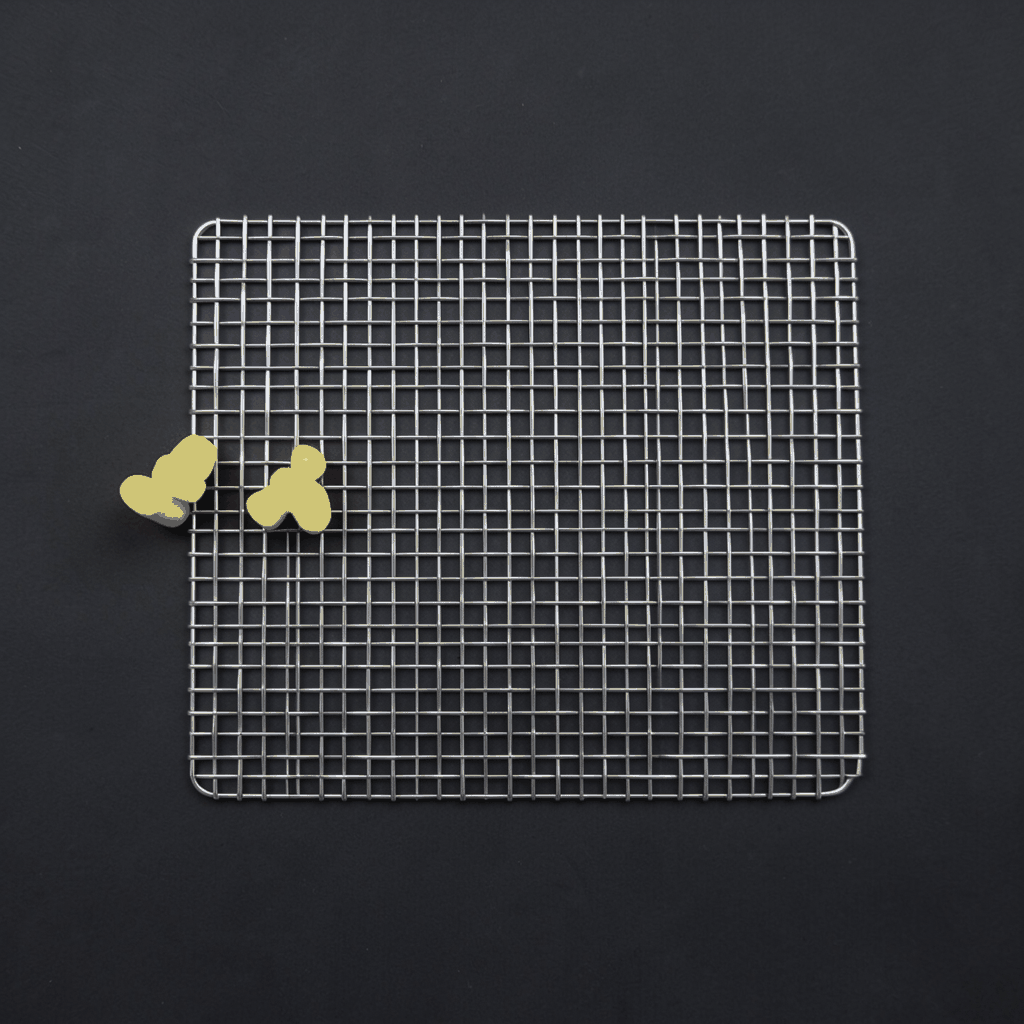
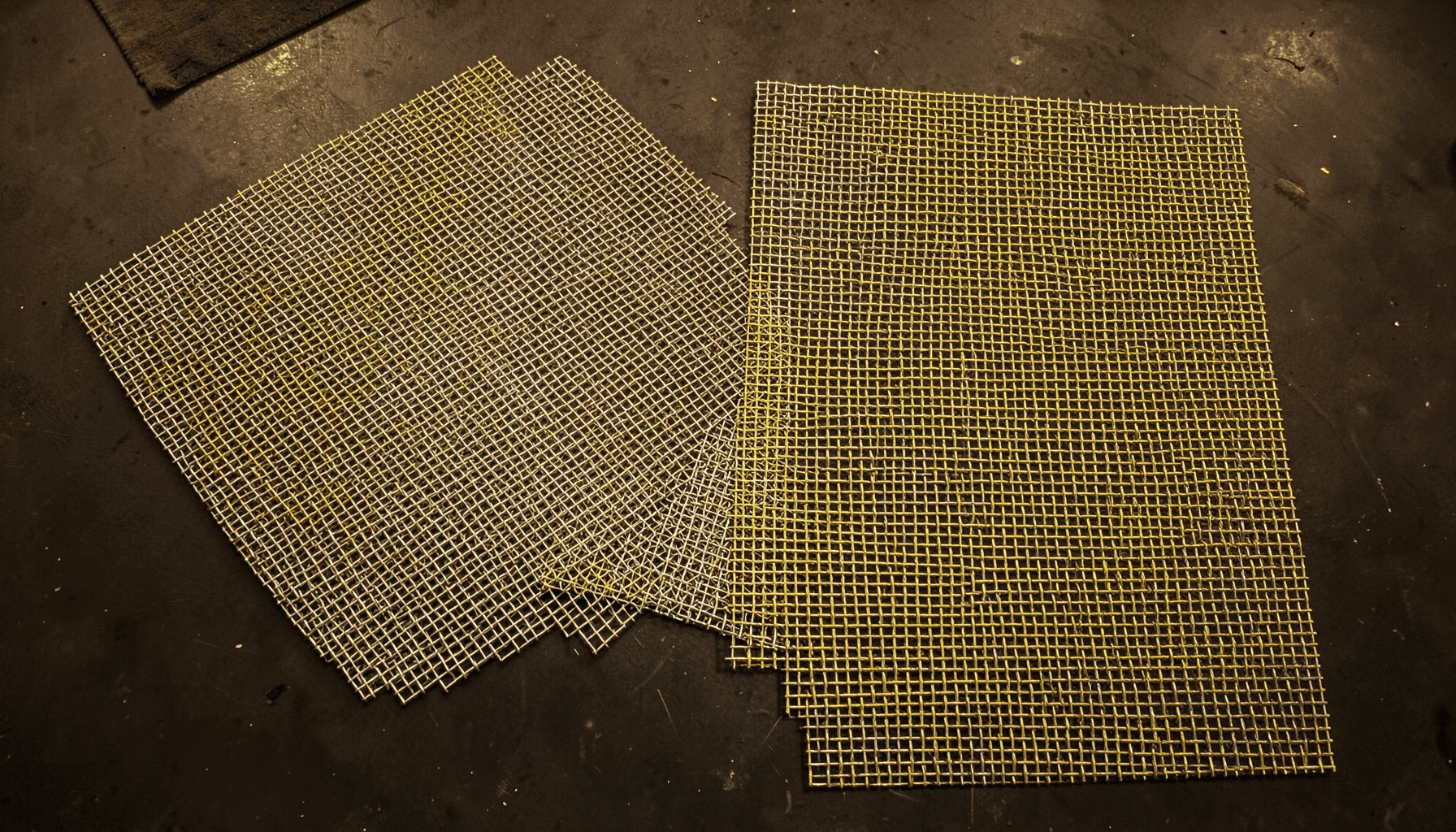
Woven wire mesh gives designers control over openness through wire diameter and weave type. Small openings can provide stronger visual screening, while larger patterns preserve more outward visibility. Expanded metal mesh creates a textured surface with diamond-shaped openings and can be selected in different strand widths to adjust the balance between privacy and ventilation.
Laser-cut decorative screens offer the greatest freedom for custom patterns. Geometric designs, foliage, abstract forms, and repeated motifs can be produced to complement apartment architecture. A pattern should be reviewed for cleanability and structural strength, particularly where narrow cut-outs may collect dust or where the screen is exposed to wind.
Materials And Finishes For Australian Conditions
Stainless steel is widely used for balcony privacy screens because it resists corrosion and retains a crisp appearance with relatively low maintenance. Grade 304 is suitable for many inland and urban applications, while grade 316 may be preferable in marine environments or locations exposed to salt air. A brushed, satin, mirror, or powder-coated finish can alter both the appearance and the way sunlight reflects from the surface.
Aluminium is a practical option where reduced weight is important. It can be powder coated in a broad range of colours, including charcoal, white, bronze, and custom façade colours. A quality architectural coating helps the screen maintain its appearance under Australian sunlight, although the appropriate coating system should be specified for the exposure category and expected maintenance schedule.
Copper and weathering-style finishes can create a warmer architectural character, while galvanised or painted steel may suit industrial, service, or budget-conscious projects. The finish should be considered alongside nearby materials, including glass balustrades, rendered walls, brickwork, powder-coated aluminium frames, and stainless steel handrails. Correct material selection also helps prevent dissimilar-metal corrosion at connection points.
Design And Engineering Considerations
A balcony screen must be treated as a functional building element rather than a decorative afterthought. Wind pressure can be significant on elevated apartments, particularly on exposed coastal sites and upper levels. The open area of the mesh, panel dimensions, frame design, and fixing points all influence the loads transferred to the balcony structure.
Custom drawings should show the overall panel size, support rails, brackets, posts, fasteners, edge returns, and any required access gaps. The fixing method needs to suit the existing concrete, steel, masonry, or aluminium substrate. Drilling into a balcony slab or balustrade may require approval from the building manager, engineer, or strata corporation, and waterproofing layers must not be damaged.
In Australia, building work may need to align with the National Construction Code, relevant Australian Standards, local planning rules, and the requirements of the owners corporation. Balustrade height, climbability, opening sizes, fall protection, and fire safety may all be relevant depending on the design. A qualified local professional should verify the final installation details before fabrication or site work begins.
Integrating Screens With Apartment Architecture
A decorative balcony divider should look intentional from both inside and outside the building. Repeating a façade colour can make the screen appear integrated, while a contrasting finish can identify private outdoor zones within a larger development. Vertical panels can emphasise height, horizontal patterns can visually widen a balcony, and framed motifs can create a strong architectural edge.
Privacy screens may be fitted to balcony sides, front edges, or a combination of both. Side screens are often effective for blocking direct views from adjacent units while retaining an open outlook. Front screens can provide more comprehensive privacy, though they require careful consideration of wind loading, cleaning access, and the relationship with existing balustrades.
The design can also serve several purposes at once. A perforated panel may hide air-conditioning equipment, create a backdrop for plants, or divide a shared terrace. In a Melbourne apartment, a darker laser-cut screen may suit brick and concrete surroundings, while a light powder-coated aluminium mesh may complement a coastal Queensland development. Material samples and full-size pattern mock-ups help stakeholders judge the result before production.
Maintenance, Cleaning, And Long-Term Value
Metal mesh is generally straightforward to maintain, but the cleaning routine should match the material and location. Dust, traffic residue, salt deposits, and pollutants can accumulate on exposed balconies. Regular rinsing with clean water and gentle cleaning with a non-abrasive product can help preserve the finish. Harsh chemicals, steel wool, and abrasive pads may damage protective coatings or create visible scratches.
Fine mesh and intricate laser-cut patterns should be designed with access in mind. If a panel cannot be reached safely from the balcony, cleaning may become difficult and costly. Removable sections, suitable clearances, and accessible fasteners can make future maintenance more practical without weakening the installation.
Long-term value comes from combining durable material with sound engineering. A low-cost panel may become expensive if it corrodes, rattles, bends, or requires frequent repainting. A properly specified custom screen can improve privacy and resident comfort while contributing to the apartment’s façade, resale appeal, and overall sense of quality.
Choosing A Custom Fabrication Partner
A manufacturer with experience in architectural and industrial mesh can help translate a privacy requirement into a workable product. The useful process begins with the site conditions: balcony dimensions, building height, orientation, exposure to wind and salt, existing structure, desired privacy, and the required visual style. These details guide the selection of mesh type, metal grade, thickness, finish, and support system.
A capable supplier should be able to provide samples, fabrication drawings, finish options, and practical advice about panel tolerances and installation. For larger apartment projects, consistency matters across every unit, so production controls should ensure that patterns, colours, dimensions, and frame details remain uniform. Packaging and delivery planning are also important when panels must be transported through restricted building access or staged for multiple floors.
Shuo Ke Wire Mesh Product Technology Co., Ltd. produces customised architectural mesh solutions in stainless steel, aluminium, copper, iron, and other alloys. Its product range includes decorative mesh curtains and partitions, laser-cut screens, wall and elevator cladding, fences, gates, guardrails, filters, baskets, and barbecue mesh. This manufacturing background supports balcony privacy designs that combine decorative appearance with practical fabrication and durable performance.
Specification Points For A Better Balcony Screen
Before approving a design, project owners, architects, strata managers, and contractors should align on the following details:
- Define the required privacy level for daytime and nighttime conditions, including views from neighbouring balconies and nearby buildings.
- Select stainless steel, aluminium, copper, iron, or another alloy according to coastal exposure, weather, weight, appearance, and maintenance expectations.
- Confirm panel dimensions, aperture size, open area, thickness, frame details, edge treatment, and any required access for cleaning.
- Check wind loads, fixing points, balcony structure, waterproofing, balustrade interfaces, and the need for engineering certification.
- Choose a finish that coordinates with the façade and is suitable for strong Australian ultraviolet exposure and local environmental conditions.
- Obtain approval from the owners corporation, building manager, designer, and relevant authorities before drilling, attaching, or altering the balcony.
- Request material samples, colour samples, and a fabrication drawing so the finished screen can be reviewed before production.
Clear specifications reduce changes during manufacturing and help prevent disagreements between apartment owners, builders, designers, and strata committees. They also make it easier to compare quotations on an equivalent basis instead of choosing by price alone.
For multi-unit developments, it is useful to establish one approved design family with controlled options for balcony size and orientation. This preserves a coherent façade while allowing each screen to be manufactured for its actual location.
A custom decorative mesh screen can turn an exposed apartment balcony into a more private, comfortable, and visually refined space. The best result comes from matching the mesh pattern and material to the building, then confirming structural, regulatory, and maintenance requirements before fabrication. Share balcony dimensions, photographs, drawings, preferred materials, and privacy goals with Shuo Ke Wire Mesh Product Technology Co., Ltd. to develop a tailored screen solution for Australian apartment projects.