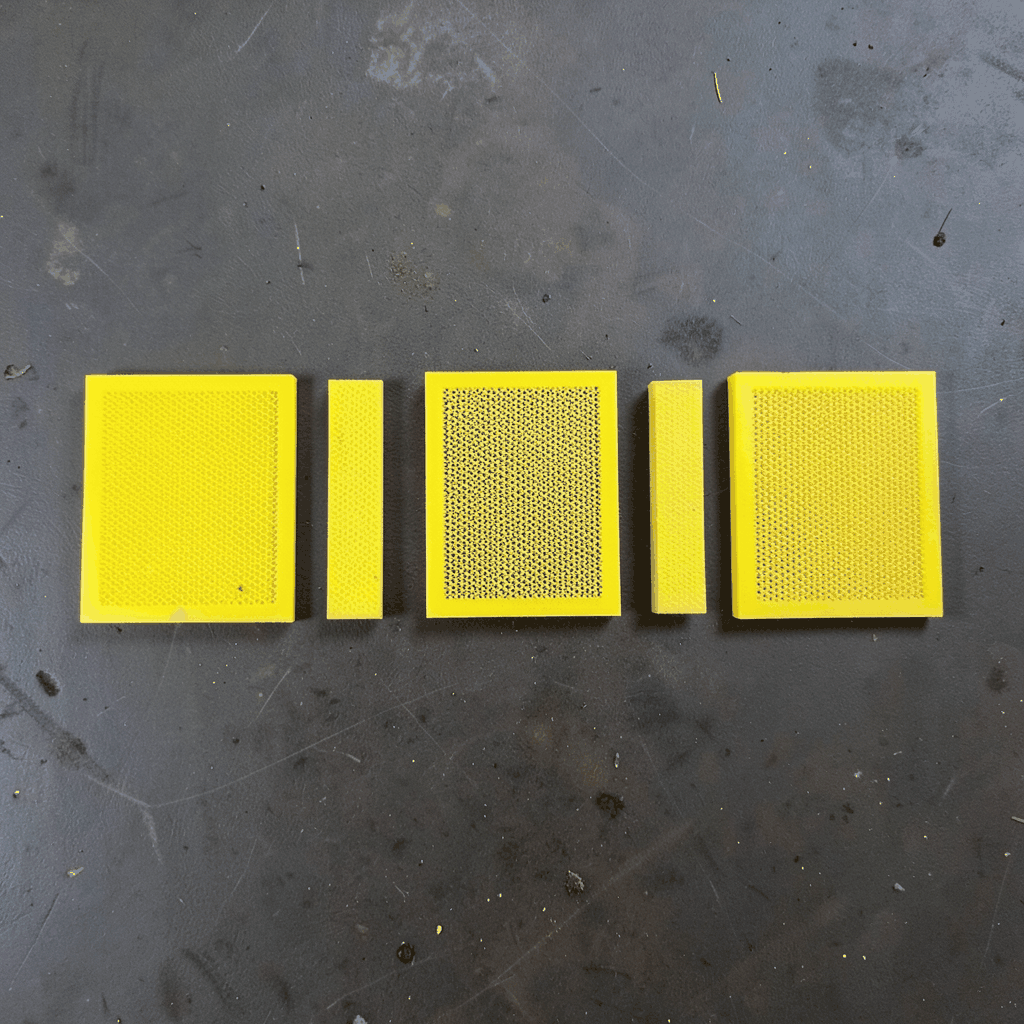
Custom Mesh Baskets for Deburring and Tumbling Metal Parts
Custom mesh baskets for deburring and tumbling metal parts help manufacturers move, clean, polish, and separate components without sacrificing surface quality. Unlike solid containers, perforated and woven baskets allow abrasive media, water, air, and cleaning compounds to reach parts from multiple directions. The result is more consistent processing and easier separation after each cycle.
A basket designed for one production line may perform poorly in another. Part size, geometry, material, machine type, load weight, finishing media, and unloading method all affect the correct specification. A small stamped component needs different support from a heavy casting, while delicate aluminum parts require gentler contact than steel hardware.
Shuo Ke Wire Mesh Product Technology Co., Ltd. produces and processes metal mesh products for industrial and architectural applications. Its manufacturing capabilities support tailored baskets, trays, screens, and related wire mesh components made from stainless steel, aluminum, iron, copper, and other alloys.
Why Basket Design Affects Finishing Quality
Deburring and tumbling expose parts to repeated impact, friction, vibration, and contact with abrasive media. A poorly sized basket can create dead zones where parts receive little movement, or it can allow components to collect in corners and emerge with uneven edges. Correct proportions encourage circulation and help distribute mechanical action throughout the load.
Mesh opening size is equally important. Openings must be large enough for water, chips, dust, and finishing media to pass through, but small enough to retain the smallest workpiece. If an opening is too large, small parts may become trapped or fall through. If it is too fine, the basket may restrict drainage and reduce the effectiveness of the tumbling process.
The basket should also protect the processed surface. Smooth wire intersections, rounded edges, reinforced rims, and carefully finished welds reduce the risk of scratches or snagging. For precision components, the internal contact points deserve as much attention as the overall basket strength.
Choosing Materials And Mesh Construction
Stainless steel is frequently selected for wet deburring, washing, passivation, and vibratory finishing because it resists corrosion and maintains structural stability. Grades can be matched to chemical exposure, temperature, and cleaning requirements. Stainless wire also provides a clean, durable surface for operations where contamination must be controlled.
Carbon steel and iron mesh may suit dry tumbling, heavy-duty handling, or cost-sensitive applications. They can provide strong load-bearing performance, although a protective finish may be needed where moisture or chemicals are present. Aluminum baskets are lighter and easier to handle, making them useful for lower-load systems or mobile processing stations.
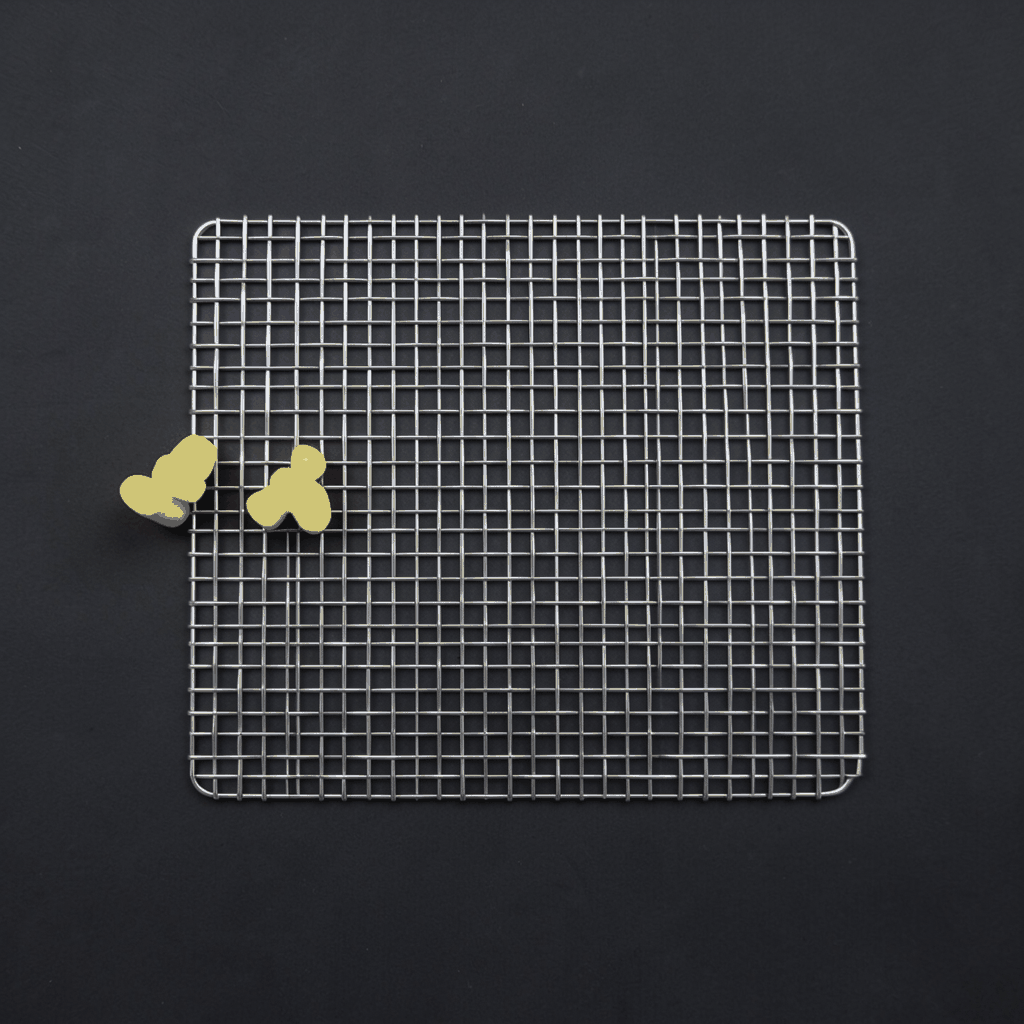
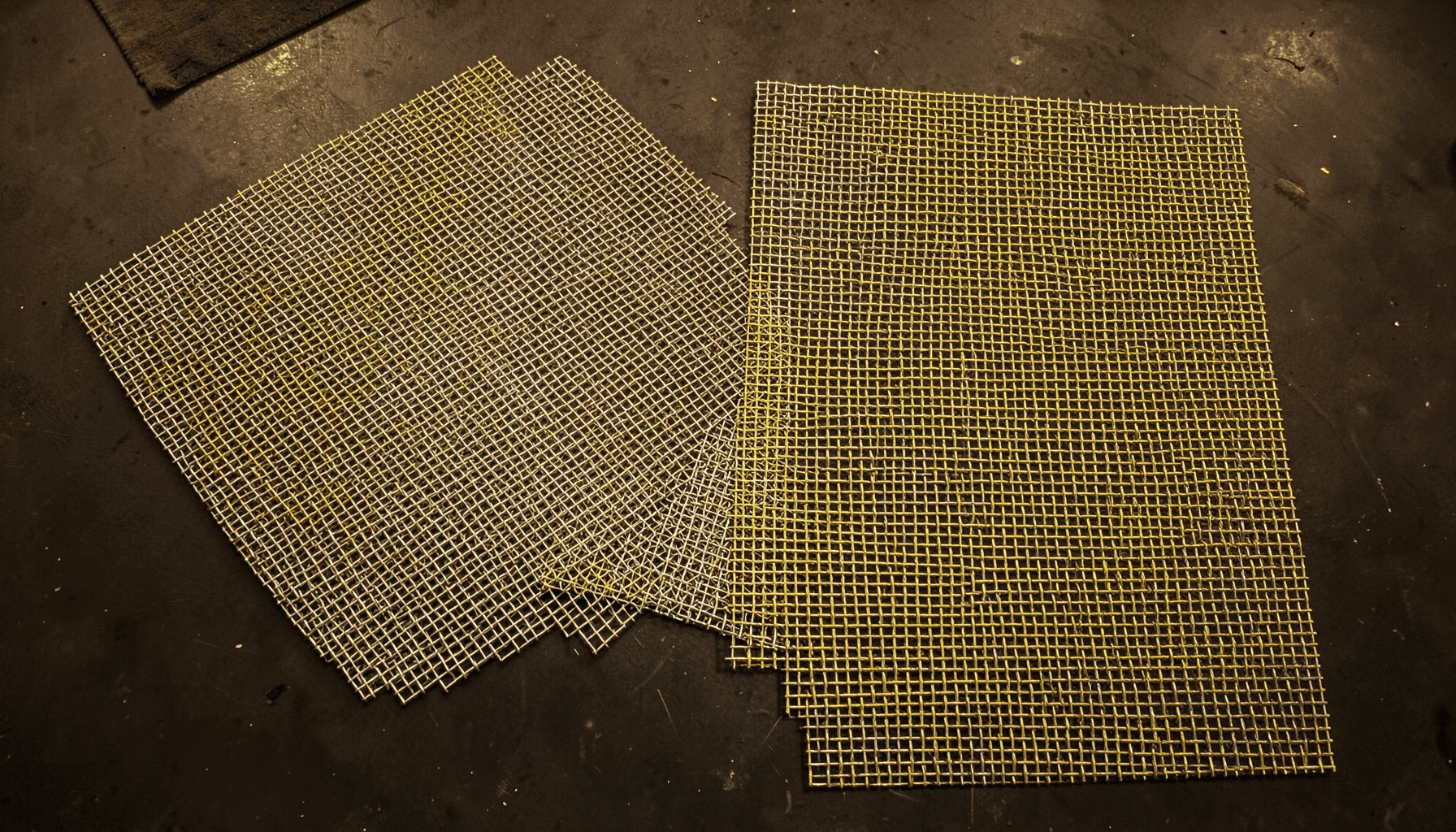
Woven wire mesh offers flexible opening patterns and broad drainage areas, while welded wire mesh generally provides a more rigid structure. Expanded metal may be suitable when ventilation and weight reduction are priorities. Perforated sheet baskets can deliver precise openings and smooth, predictable surfaces for small or fragile components.
The correct material depends on more than the workpiece itself. Consider the compound used in the machine, the cleaning temperature, the frequency of loading, and whether the basket will be stored wet. A manufacturer with experience in several metal alloys can recommend a construction that balances service life, handling weight, and production cost.
Geometry, Capacity, And Part Retention
Basket dimensions should be based on the machine chamber, not simply on the quantity of parts to be processed. A basket that fills too much of the available space may restrict movement, while one that is too small can reduce throughput. Clearance around the basket allows it to rotate, vibrate, drain, and unload without striking the equipment.
The shape also influences circulation. Cylindrical, rectangular, tapered, and perforated tray designs each suit different systems. Cylindrical baskets may work well in rotary equipment, whereas rectangular baskets can simplify loading and stacking. A tapered profile may help parts discharge more easily, particularly when the basket is emptied by tilting.
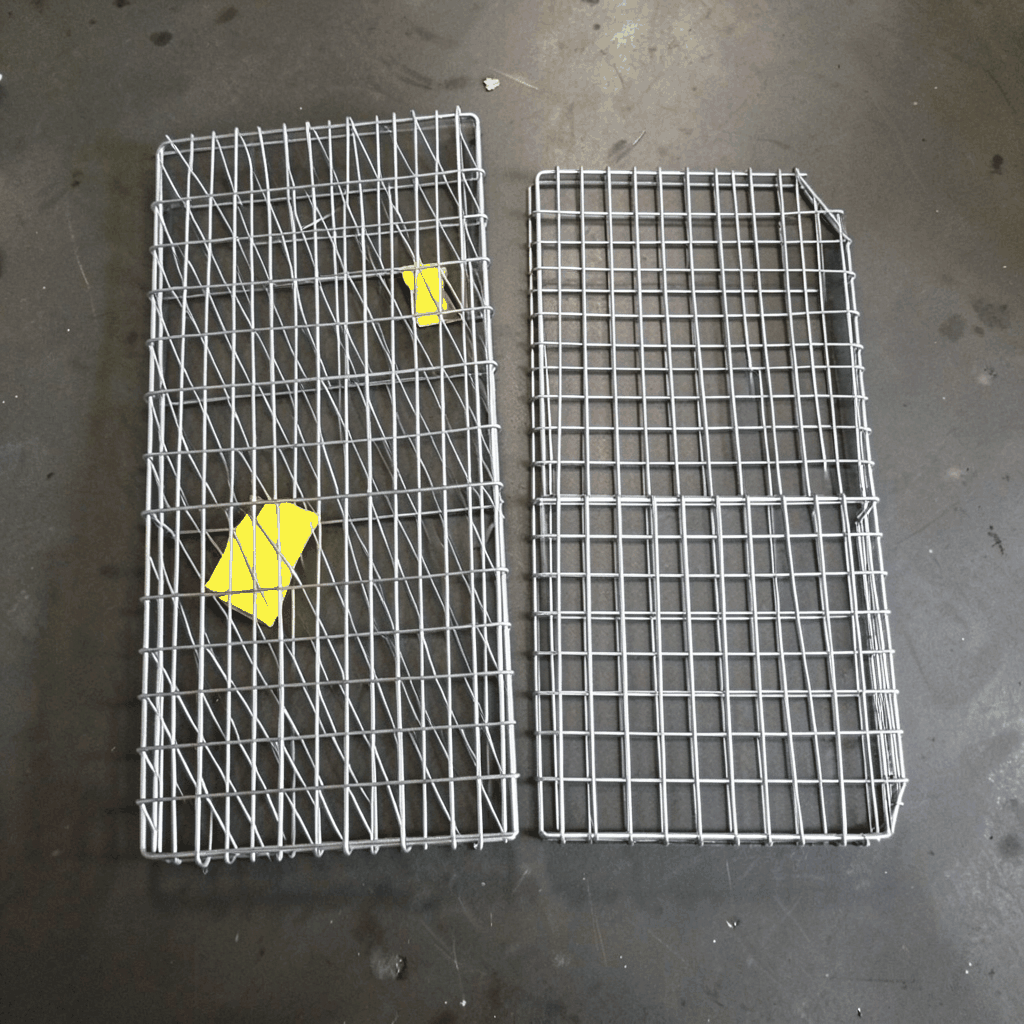
Part retention should be tested against the smallest and largest components in the batch. Fine mesh liners, removable inserts, internal dividers, and stepped compartments can prevent mixing between different part types. They can also reduce part-on-part impact when components have polished, coated, or easily marked surfaces.
Load capacity must include the combined weight of the parts, media, moisture, and basket. Reinforced corners, lifting points, support rings, and thicker wire or sheet can be added where repeated lifting places stress on the frame. These details protect the basket from distortion and help it remain compatible with automated equipment.
Matching Baskets To Processing Conditions
The operating environment determines whether a basket needs corrosion resistance, heat resistance, abrasion protection, or additional rigidity. Wet processes require open drainage and a material that will not deteriorate under repeated exposure to water and cleaning agents. Dry systems may place greater emphasis on impact strength and resistance to abrasive dust.
For vibratory finishing, the basket must transfer motion without excessive flexing. Excess movement can reduce process efficiency and accelerate fatigue at welded joints. For rotary tumbling, balanced construction and consistent weight distribution help the basket rotate smoothly. A design intended for manual dipping may prioritize ergonomic handles and easy draining instead.
The following specifications illustrate how common requirements influence basket construction:
| Processing Requirement | Suitable Design Response | Main Benefit |
|---|---|---|
| Small parts or mixed components | Fine mesh, liner, or internal partitions | Prevents loss and improves batch separation |
| Wet deburring or washing | Corrosion-resistant alloy and open drainage | Supports cleaning and faster drying |
| Heavy castings or forgings | Reinforced frame, thicker wire, and lifting points | Improves load stability and service life |
| Delicate or polished parts | Smooth welds, rounded edges, and soft inserts | Reduces scratching and contact damage |
| Automated loading and unloading | Consistent dimensions and engineered attachment points | Supports repeatable machine integration |
| High-volume production | Replaceable liners and reinforced wear zones | Simplifies maintenance and lowers downtime |
Basket performance should be evaluated over repeated cycles rather than after a single test. Look for distorted openings, loose welds, worn corners, media buildup, and changes in fit within the machine. A small design adjustment made before production can prevent frequent repairs later.
Custom Features For Safer Handling
Standard handles may be enough for light baskets, but heavier loads call for engineered lifting points. Handles can be positioned for balanced manual carrying, crane lifting, forklift movement, or robotic gripping. The attachment method should distribute force across the frame instead of concentrating stress at one wire intersection.
Removable lids and retaining bars help keep parts inside during aggressive tumbling. Hinged covers may be useful when operators need quick access, while bolted or clipped screens can offer stronger containment. For automated processes, the lid and attachment system should be designed around the machine’s loading and unloading sequence.
Internal dividers allow several part families to run in one batch without contact or confusion. Replaceable mesh panels can extend the life of the basket when only certain areas experience abrasion. Feet, stacking rings, and nesting profiles can improve storage and make handling more efficient between processing stages.
The same attention to frame design used in industrial baskets can support other fabricated mesh products. For example, laser-cut openings and steel frames can be coordinated for precise, durable assemblies, as shown in these laser-cut gate designs. In a finishing basket, that principle translates into accurate profiles, clean edges, and strong connections suited to the operating environment.
Building A Basket Around The Production Line
Customization begins with practical operating information. A manufacturer should understand the machine’s internal dimensions, movement pattern, maximum load, operating temperature, finishing media, and cleaning chemicals. Drawings or sample parts help establish opening size, clearance, handling points, and the most suitable mesh construction.
The workpiece itself also needs careful review. Sharp projections may require stronger mesh or a protective liner. Hollow parts may trap liquid and need a basket angle or perforation arrangement that improves drainage. Long components may need a narrow tray, while small mixed pieces may benefit from separated compartments.
Prototype testing is valuable when the basket will be used in demanding or automated production. A trial unit can confirm that parts circulate correctly, remain contained, discharge cleanly, and avoid damaging contact. It can also reveal whether handles interfere with machine movement or whether the basket needs additional reinforcement.
Shuo Ke can support customized metal mesh solutions for industrial use, from material selection and mesh specification to fabrication and finishing. Clear communication about the process allows the final basket to function as part of the entire production system rather than as an isolated container.
Recommendations For Reliable Service
A few design and maintenance practices can improve operating life and finishing consistency:
- Specify the smallest component, largest component, and maximum batch weight before choosing mesh openings or basket dimensions.
- Select the alloy and surface finish according to moisture, chemicals, temperature, and abrasive exposure.
- Add rounded edges, smooth weld finishing, and protective liners when parts have polished or coated surfaces.
- Use reinforced lifting points and balanced handles for baskets that will be moved manually or with mechanical equipment.
- Inspect mesh openings, welds, corners, and attachment points regularly, replacing worn liners before they affect part quality.
Cleaning the basket after each production cycle can prevent abrasive media, chips, and chemical residue from accumulating in the mesh. Blocked openings reduce drainage and change the basket’s effective weight, which may affect vibration or rotation. Storage in a dry, suitable area also helps preserve the material and surface finish.
Record the basket’s dimensions and operating history so replacements can be ordered consistently. If a particular area wears faster than expected, that information can guide a revised frame, stronger mesh, or replaceable wear section in the next version.
A well-designed basket improves more than part movement. It supports stable finishing results, efficient drainage, safer handling, and predictable integration with deburring or tumbling equipment. Share your part dimensions, machine requirements, material preferences, and load conditions with Shuo Ke Wire Mesh Product Technology Co., Ltd. to develop a durable basket suited to your production process.