Custom Mesh Baskets Engineered for Pickling and Acid Treatment Lines
Basket design quietly decides whether a pickling line runs smoothly or bleeds money through damaged parts, lost acid, and unplanned downtime. Unlike storage or transport containers, baskets used in chemical treatment must hold workpieces steady while allowing free circulation of acid solutions, rinse water, and rinse-aid chemicals. Off-the-shelf containers rarely match the geometry of a specific component, so engineering teams across metal finishing, mining, and food processing increasingly commission tailored mesh vessels built around the exact dimensions and surface area of their parts.
Australian plants from the goldfields outside Kalgoorlie to the fabrication workshops in Sydney's western suburbs and the canneries dotted around Adelaide depend on these baskets. The country's appetite for mineral processing, marine-grade hardware, and value-added food production has driven demand for vessels that can survive hydrochloric, sulphuric, and citric acid baths without contaminating the bath or the product. With local workplace safety laws tightening and water-recycling rules becoming stricter, custom engineering is moving from a luxury to a practical necessity.
Material Selection for Corrosive Immersion Environments
Picking the right alloy for a pickling basket depends on the chemistry, temperature, and concentration of the bath it will live in. Austenitic stainless steels such as 304 and 316 handle most mild acid and alkaline cleaning cycles, but parts exposed to chloride-rich media — common in coastal foundries and around the Swan River in Perth — push engineers toward higher-molybdenum grades like 904L or duplex 2205. When nitric-hydrofluoric acid blends are present, titanium grade 2 baskets or Hastelloy C-22 fabrications become the only sensible choice, even though raw material costs climb sharply.
Some operators in Queensland's galvanizing plants prefer a hybrid approach: a stainless steel frame for structural strength combined with polypropylene or PVDF-coated mesh panels where direct contact with hot acid cannot be avoided. Coatings add a layer of protection but raise the stakes around handling — any nick in the polymer exposes bare metal underneath, which then corrodes quickly and contaminates the bath. Specifying the base material correctly up front almost always costs less than rebuilding baskets after a single season of heavy use.
Geometry, Open Area, and Fluid Dynamics
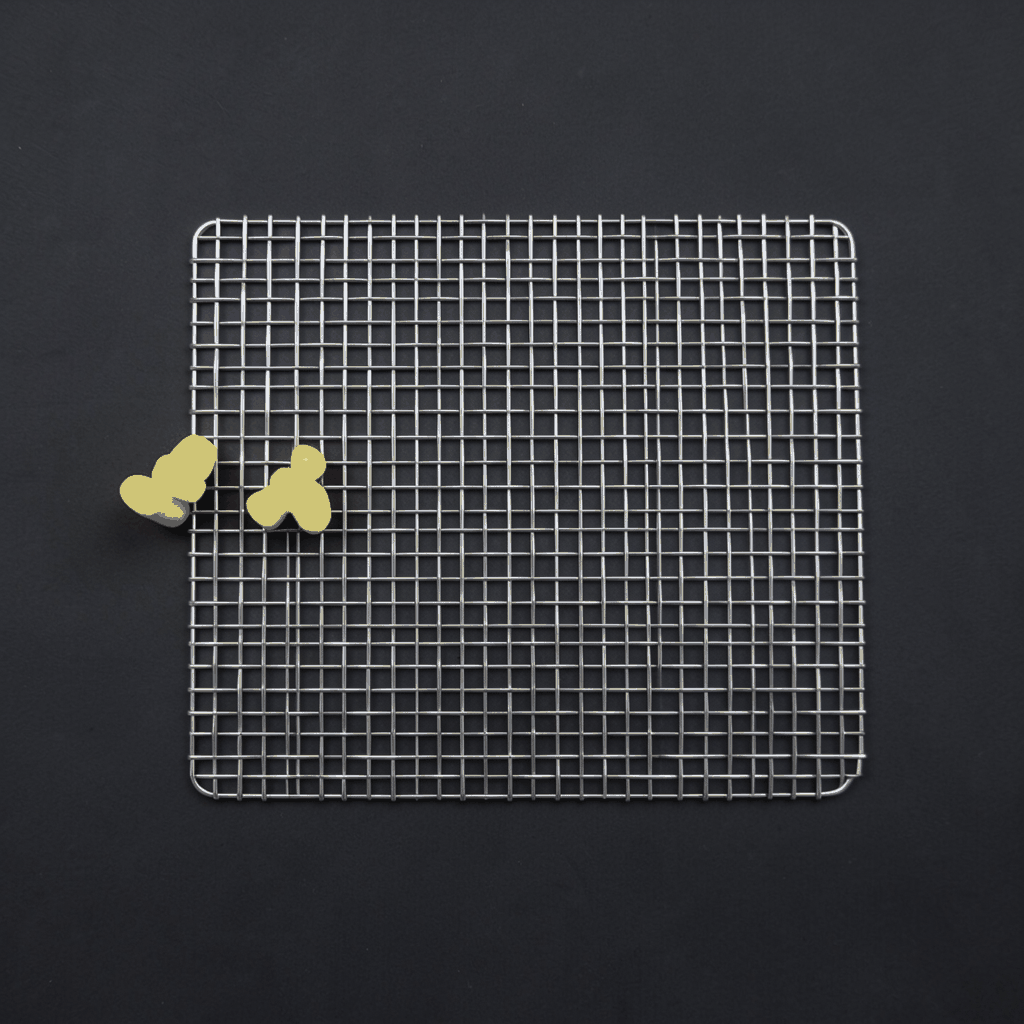
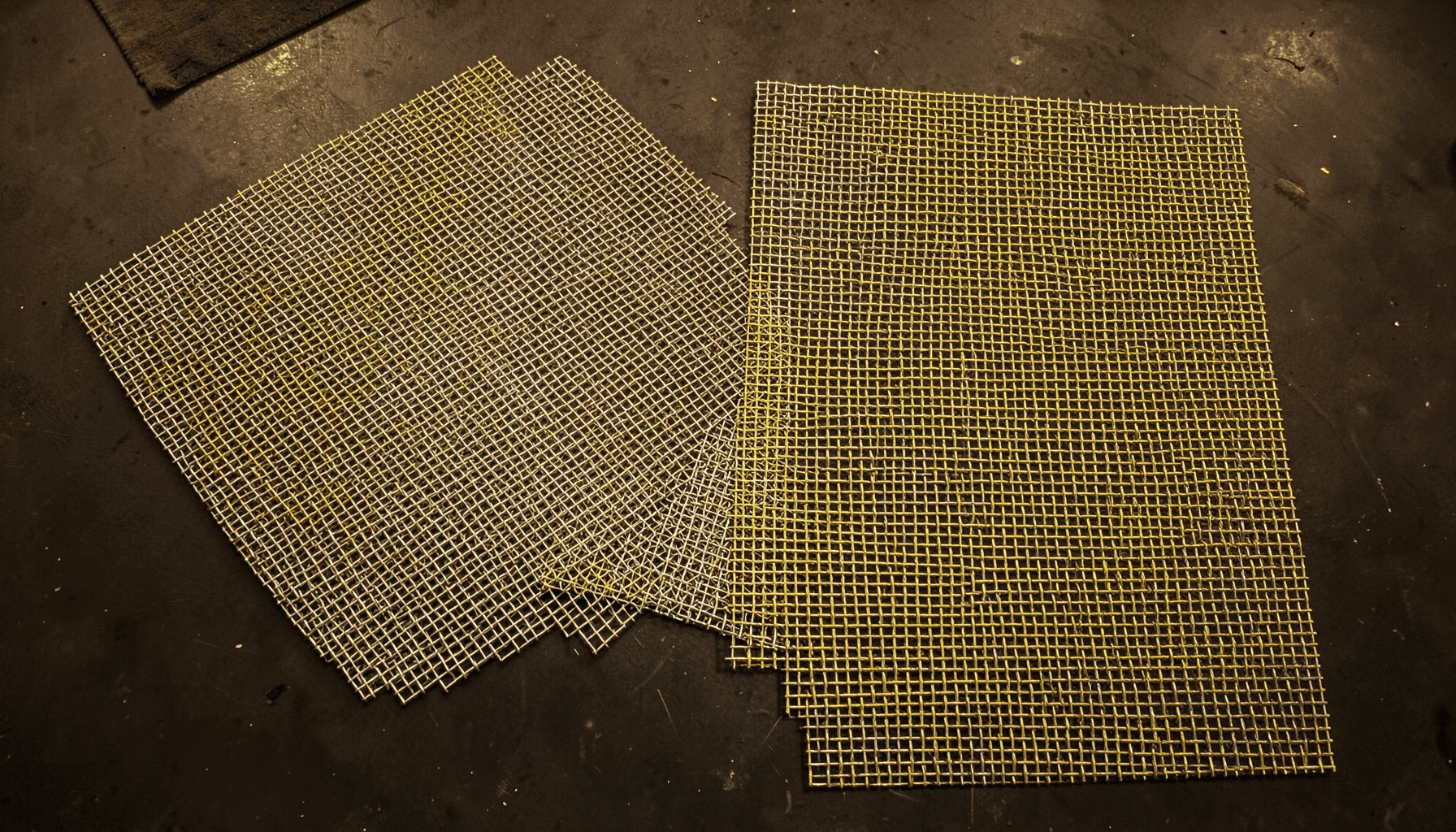
Open area percentage is the hidden metric that makes or breaks a custom basket. A mesh panel with too little open space acts like a lid on the bath, trapping gases and slowing the chemical reaction; too much open space and small parts slip through or bend under their own weight. Engineers typically target between 45 and 65 percent open area for general pickling, with tighter weaves reserved for tiny components such as fasteners or jewellery-grade stampings processed by subcontractors in Brunswick and Fitzroy.
Beyond the aperture, the shape of the basket influences fluid dynamics. Sloping floors, drain holes positioned at the lowest point, and asymmetric compartments help spent acid fall away from workpieces the moment the basket clears the bath. In Australian plants where rinse water is recycled through reverse-osmosis units, those drainage features reduce the load on filtration and stretch the life of the membranes. Internal baffles, lift-out trays, and stackable dividers add capacity without lengthening cycle times.
Load Capacity, Stacking, and Hoisting Integration
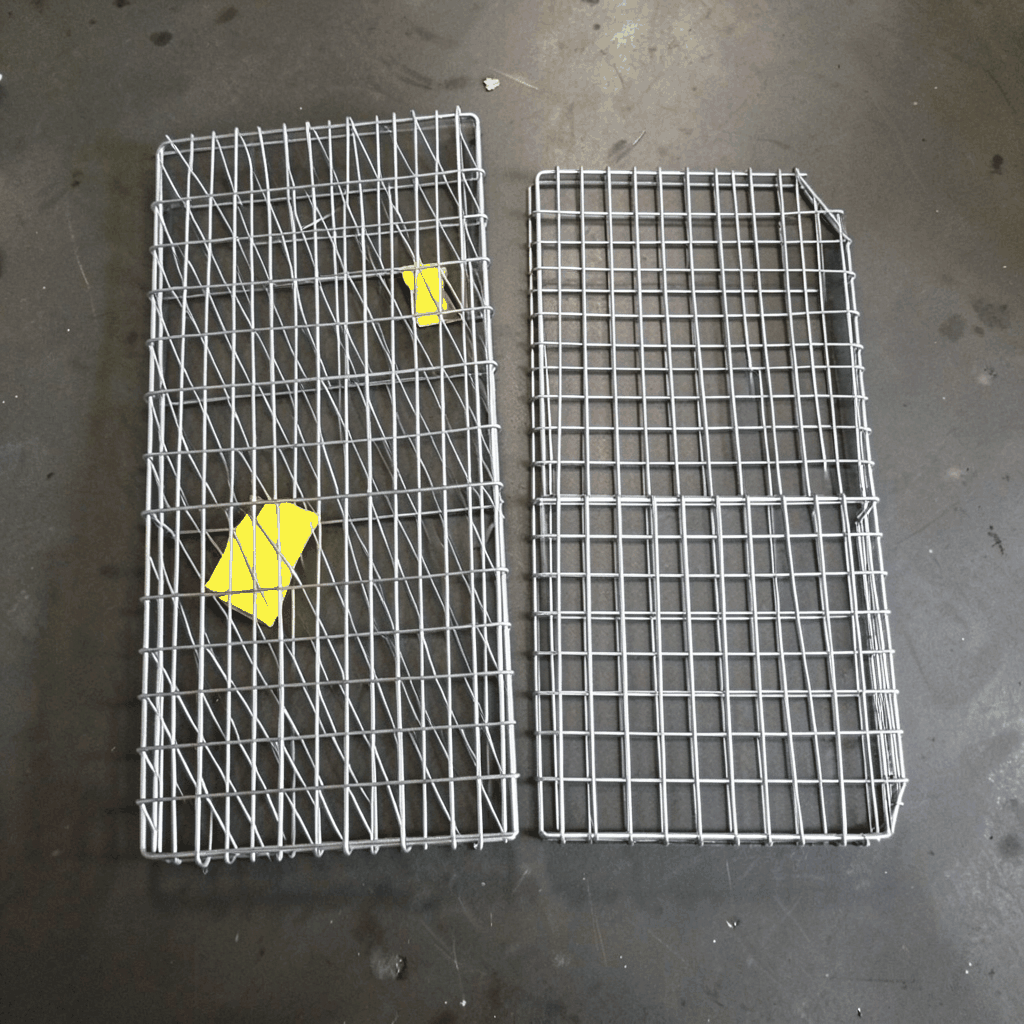
Most Australian pickling lines lift baskets with overhead cranes or robotic arms, so the basket itself becomes a structural component rather than a simple container. Welded corner posts, gusseted base plates, and continuous top rims spread the load of heavy parts — pump housings, valve bodies, mining drill bits — across the entire frame. Capacity ratings are usually matched to the safe working load of the crane, and reputable suppliers stamp each basket with its working load limit so floor staff can verify it during pre-shift checks.
Stacking adds another layer of complexity. When baskets are processed in tandem and lowered into deep acid baths in the Pilbara or the Hunter Valley, misaligned stacks can tip, splash workers, and damage the tank lining. Interlocking feet, locating pins, and dedicated stacking frames keep nested baskets stable, while a dedicated lifting beam with positive locking hooks removes guesswork for the rigger on the floor.
Welding, Finishing, and Surface Treatments
The welds on a pickling basket matter as much as the wire itself. Gas tungsten arc welding, also known as TIG, dominates for stainless work because it produces clean, spatter-free joints that resist crevice corrosion. Spot welding suits lighter mesh panels but creates nodes where acid can pool; designers often specify staggered spot patterns or seal those nodes with a food-grade epoxy after assembly. Frame-to-mesh connections are usually welded from the outside so operators can inspect them visually before each shift.
Once welded, the entire basket is normally pickled and passivated to restore the chromium-rich oxide layer that protects stainless steel. Electropolishing takes this further by removing a thin layer of surface material, smoothing micro-roughness, and improving cleanability. For facilities that handle pharmaceutical-grade components or boutique food products in Adelaide's central markets, an electropolished basket reduces product contamination risk and shortens cleaning cycles between batches.
Compliance With Australian Standards and Workplace Safety
Australian workplaces operate under the model Work Health and Safety Act, with state-specific variations enforced by regulators such as SafeWork NSW, WorkSafe Victoria, and Workplace Health and Safety Queensland. A basket that fails mid-cycle can launch hot acid across a workshop, exposing workers to serious chemical burns and triggering notifiable incidents. Documented risk assessments, evidence of design verification, and traceability of materials are no longer optional — they are expected during audits.
Several Australian Standards touch on basket design indirectly, including AS 3990 for mechanical handling equipment and various AS/NZS standards covering stainless steel composition and welding procedures. Plants that export finished goods to Europe or North America often need baskets that also meet ASTM A240 or EN 10088 specifications. Suppliers familiar with these overlapping requirements can prepare mill certificates, weld procedure specifications, and load-test reports before shipping, sparing buyers weeks of paperwork at the receiving dock.
Sectors Across Australia Relying on Purpose-Built Baskets
Mineral processing remains the largest user of heavy-duty pickling baskets in Australia. Hydrometallurgical plants near Kalgoorlie, Mount Isa, and Olympic Dam use acid leaching to extract gold, copper, and uranium, and the baskets that hold anode plates and cathode starter sheets in electrowinning tanks are engineered for continuous immersion in aggressive electrolytes. Each site has its own basket footprint dictated by cell house geometry, so off-the-shelf sizes simply do not apply.
Food and beverage is the second major frontier. Canneries around Adelaide, Hobart, and Shepparton rely on stainless mesh baskets for fruit washing, blanching, and acidified brine treatments. Marine engineering in Henderson, Cairns, and Newcastle drives demand for baskets that survive saltwater rinse cycles while protecting propellers, sacrificial anodes, and small castings from contact damage. Smaller specialty workshops — including the knife makers of Melbourne and the architectural metal shops around Surry Hills — also commission small-batch baskets for patina control and decorative etching.
Sizing, Prototyping, and Lead Times From Overseas Production
Sourcing custom baskets from Chinese manufacturers such as Shuo Ke Wire Mesh Product Technology usually starts with a detailed drawing pack: parts list, dimensions, expected load, and the chemical environment. Many Australian buyers send 3D models rather than paper drawings, which speeds up the quoting stage and reduces the risk of misinterpreted tolerances. Prototype runs of one or two units are common before a full production order, particularly when the basket interacts with an existing automated line.
Lead times depend on material availability, welding capacity, and shipping routes. Sea freight from Ningbo or Shanghai to Fremantle typically takes 18 to 25 days, while shipments to Sydney or Melbourne add another few days through the Port Botany or Melbourne terminals. Buyers planning around scheduled maintenance shutdowns in their plants usually lock in orders two to three months ahead, leaving room for revisions, surface treatment, and pre-shipment inspection reports.
Engineers, production managers, and procurement teams who need a partner capable of translating a process requirement into a working mesh basket can reach out to Shuo Ke Wire Mesh Product Technology Co., Ltd. with drawings, sample components, or even a brief description of the application. A short consultation usually clarifies material choice, capacity, and finish before any tooling is committed, and a prototype basket can be arranged within weeks rather than months. Custom mesh baskets built for Australian pickling and acid treatment lines start with a conversation about the parts they need to carry and the chemistry they need to survive.