Custom Mesh Baskets for Ultrasonic Surgical Instrument Cleaning
Ultrasonic cleaning is widely used to remove blood, tissue residue, protein deposits, and other contaminants from surgical instruments before inspection, disinfection, sterilization, and packaging. The cleaning tank creates high-frequency cavitation bubbles that reach recessed areas, hinges, serrations, and narrow channels more effectively than manual washing alone. However, the quality of the cleaning process depends heavily on how instruments are positioned and supported.
A purpose-built wire mesh basket keeps instruments contained while allowing cleaning fluid and ultrasonic energy to circulate around their surfaces. A properly designed basket can reduce contact damage, improve drainage, simplify handling, and support a repeatable workflow from the decontamination area to the next stage of reprocessing.
Custom fabrication is important because surgical instruments vary considerably in length, profile, weight, articulation, and sensitivity. Shuo Ke Wire Mesh Product Technology Co., Ltd. produces processed metal mesh products and can develop baskets around equipment dimensions, instrument families, loading methods, and material requirements. The result is a practical solution designed for controlled handling rather than a generic container adapted after purchase.
Why Basket Design Affects Ultrasonic Cleaning
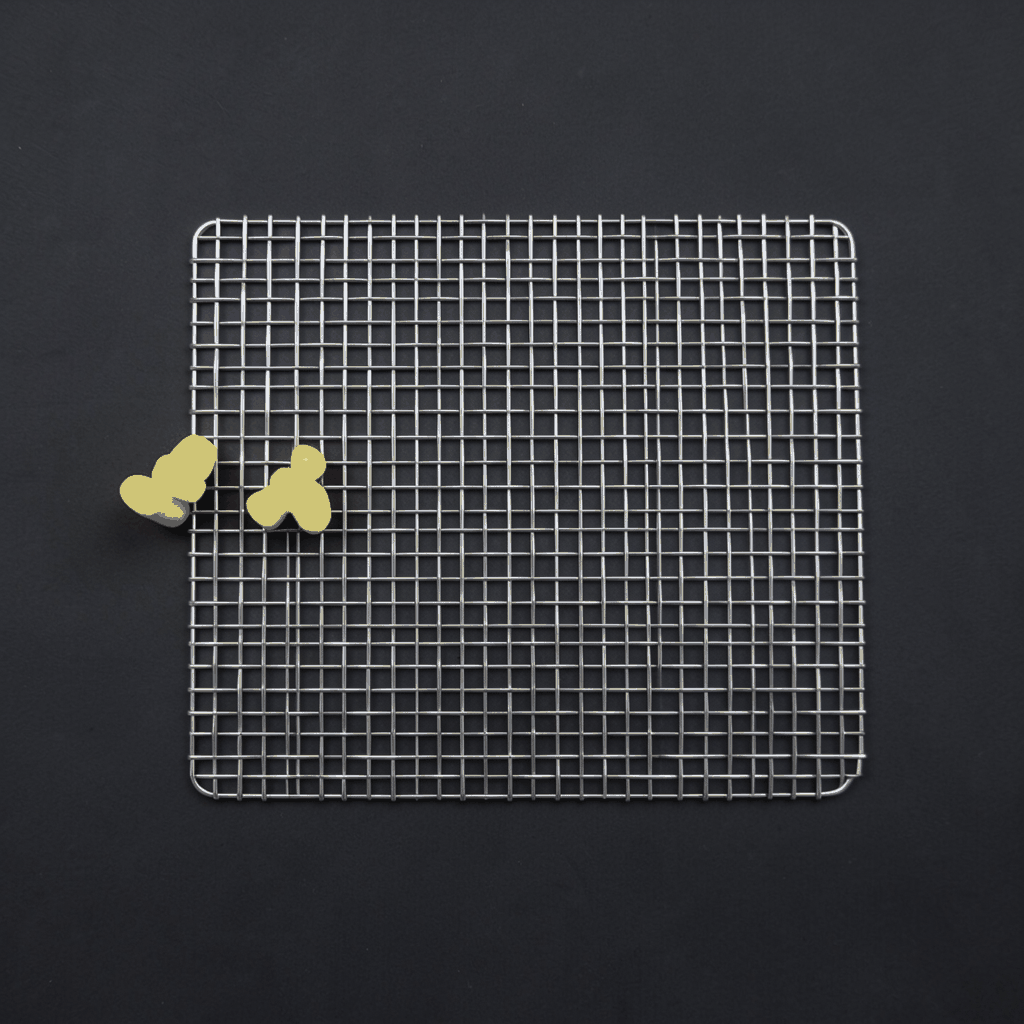
An ultrasonic basket must provide sufficient open area for sound transmission and fluid movement. If a container has solid panels, crowded corners, or an excessively dense mesh, cleaning liquid may not reach every instrument surface efficiently. Open wire construction generally supports circulation while retaining small components that could otherwise fall through the tank rack or drain system.
Instrument placement also affects cleaning performance. Scissors, forceps, clamps, needle holders, and retractors may trap residue around joints or between opposing surfaces. A basket with suitable internal clearance allows hinged instruments to remain open during cleaning. Dividers or compartments can prevent tools from nesting together, reducing shadowed contact areas where contaminants may remain.
The basket must also prevent instruments from striking one another or the ultrasonic tank. Repeated impact can create scratches, burrs, or deformation, particularly on delicate tips and precision edges. Rounded wire, smooth welds, formed corners, and stable support surfaces help protect both the load and the equipment. These details are small in appearance but significant in a high-frequency cleaning environment.
Selecting Metal, Mesh, And Surface Finish
Stainless steel is often the primary material for medical instrument cleaning baskets because it combines corrosion resistance, mechanical strength, and compatibility with many cleaning solutions. Stainless steel wire mesh can tolerate repeated washing and handling, while a suitable grade and finish help reduce staining, pitting, and surface contamination. The specific grade should be matched to the detergent chemistry, water quality, temperature, and downstream sterilization process.
Aluminum may be appropriate when low weight is a priority, especially for large baskets or frequent manual transfer. It can reduce operator strain, but its compatibility with alkaline detergents and other process chemicals must be reviewed before selection. Copper, iron, and coated materials may have specialized uses, yet stainless steel is typically the more practical choice for applications requiring repeated exposure to moisture and cleaning agents.
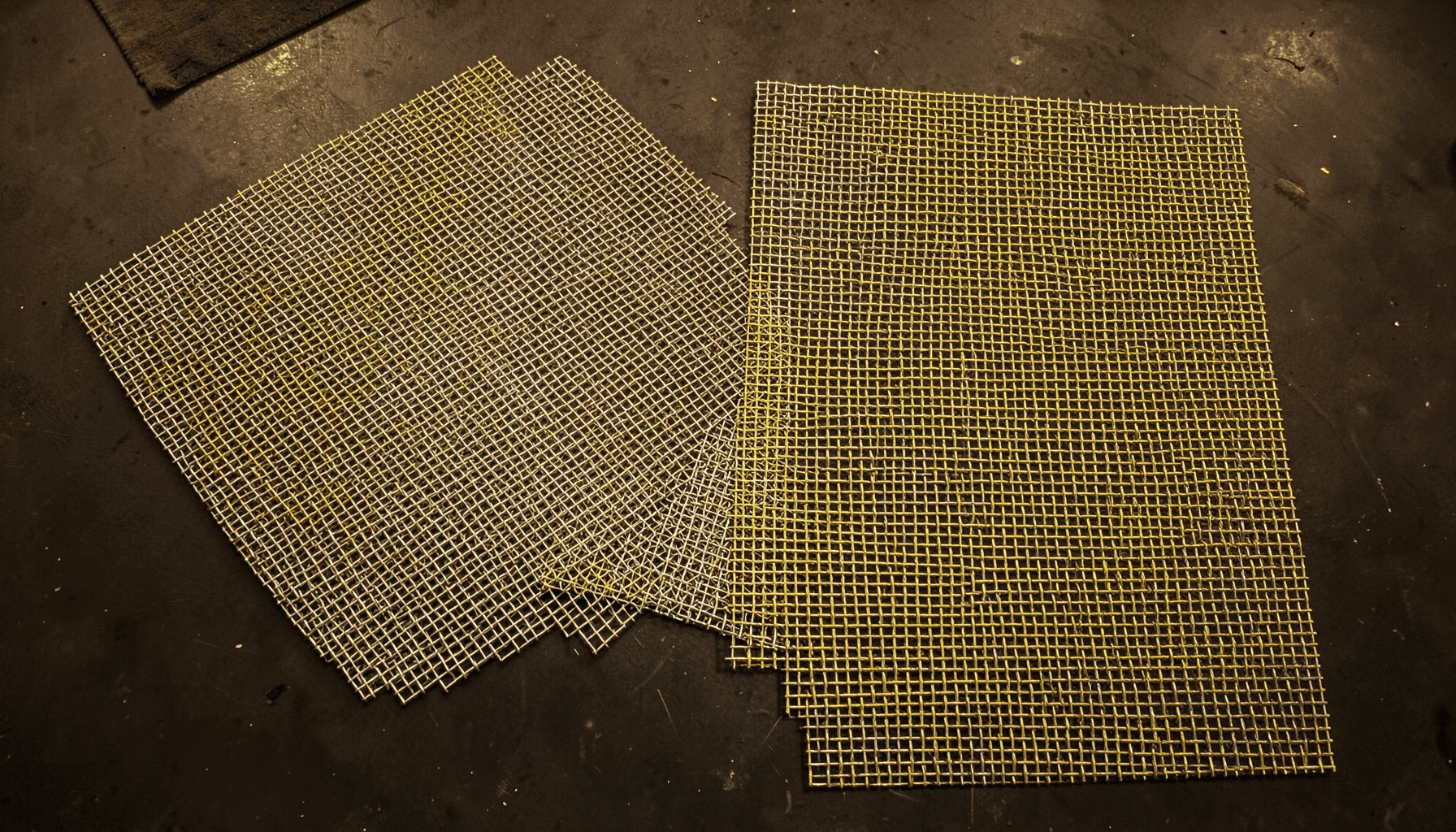
The mesh opening and wire diameter should be selected together. A fine opening retains small surgical accessories, while a larger opening improves fluid movement and reduces weight. A basket for delicate ophthalmic tools may require a different configuration from one intended for orthopedic instruments. Electropolished or otherwise smooth surfaces can make rinsing easier by minimizing rough areas that collect residue.
Custom Geometry For Different Instrument Loads
The dimensions of the ultrasonic cleaning basket should correspond to the tank’s usable area rather than its outside dimensions alone. Internal tank shelves, transducer zones, handles, covers, and fluid level requirements can influence the maximum basket length, width, and height. Accurate measurements help prevent interference with the tank and leave enough clearance for liquid circulation.
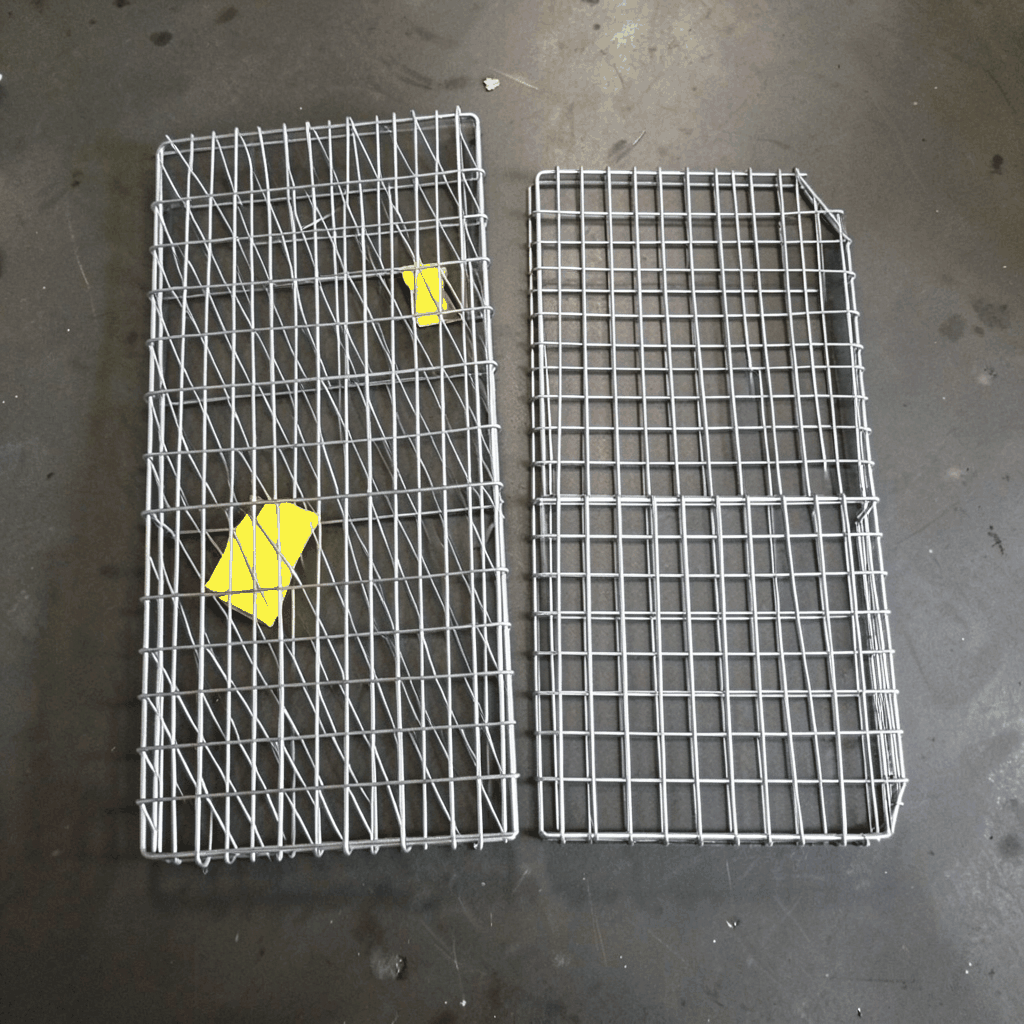
A custom basket may include reinforced rims, lifting handles, stacking feet, hinged covers, removable dividers, or layered compartments. Handles should remain cool and easy to grip during normal operation, while the basket base should be stable when placed on a work surface. Stacking features can save space, but they should not compress instruments or block access to the cleaning solution.
Different medical facilities use different loading routines. Some separate instruments by surgical set, while others sort them by type, size, or cleaning stage. A divided wire basket can reduce sorting time and protect sharp tips. Perforated trays, mesh partitions, and silicone-coated contact points may also be integrated where the application requires additional positioning control.
| Design Consideration | Common Options | Practical Benefit |
|---|---|---|
| Basket material | Stainless steel, aluminum, selected coated metals | Balances corrosion resistance, weight, strength, and chemical compatibility |
| Mesh opening | Fine, medium, or large aperture | Retains components while supporting fluid and ultrasonic transmission |
| Instrument control | Open tray, dividers, compartments, removable inserts | Keeps instruments separated and supports consistent loading |
| Handling features | Fixed handles, folding handles, reinforced rim | Improves safe transfer between tank, sink, cart, and sterilization area |
| Protection features | Rounded wire, smooth welds, silicone contact points | Reduces scratching, snagging, and instrument-to-instrument impact |
| Equipment fit | Tank-specific length, width, height, and stacking profile | Prevents interference and maximizes usable cleaning capacity |
| Finish | Standard passivation, polished surfaces, electropolished areas | Supports cleanability, corrosion resistance, and easier inspection |
Engineering Details That Support Safe Handling
Smooth construction is essential for a surgical instrument basket. Exposed wire ends, sharp corners, uneven weld beads, and rough cut edges can catch gloves or damage delicate instruments. Wire mesh processing should include careful edge treatment and inspection of every joint. A reinforced perimeter can add rigidity without requiring heavy solid sheet construction.
Drainage is another important consideration. The basket should allow cleaning solution to leave quickly when it is lifted from the ultrasonic bath or moved to a rinse station. Poor drainage can leave pooled detergent around instruments, increase handling weight, and extend drying time. Open mesh sides and a well-designed base help promote fast liquid release while retaining smaller items.
The basket should be robust enough for repeated loading, unloading, rinsing, and transportation. Excessive flexing may distort the mesh or loosen welded joints over time. Reinforcement should be placed where loads are concentrated, including handles, corners, stacking points, and the base. This approach provides durability without making the basket unnecessarily heavy.
Matching The Basket To Reprocessing Workflows
Cleaning is one stage in a larger medical instrument reprocessing sequence. A basket used in an ultrasonic cleaner may later move to rinsing, inspection, drying, packaging, or sterilization. Its material and construction should be compatible with the complete workflow. The design should also make it easy for staff to visually inspect instruments after cleaning and identify missing or damaged items.
A basket intended for sterilization must be reviewed for temperature exposure, steam penetration, drying behavior, and compatibility with the facility’s sterilization method. Open mesh construction can support air, steam, and rinse access, but inserts or covers should not create enclosed pockets. Where baskets are used with instrument trays or sterilization wraps, external dimensions and stacking behavior become especially important.
Cleaning procedures should follow the instrument manufacturer’s instructions, detergent supplier guidance, and facility protocols. The basket itself should be cleaned regularly and inspected for bent wires, corrosion, loose welds, residue, or damaged protective inserts. A well-designed product makes these checks easier by avoiding inaccessible recesses and unnecessary internal hardware.
Custom Manufacturing And Quality Control
Custom metal mesh fabrication begins with clear technical information. Useful details include ultrasonic tank dimensions, maximum load, instrument types, target mesh opening, material preference, handle position, divider requirements, and expected cleaning or sterilization conditions. Photos, drawings, samples, or a simple loading sketch can help translate operational needs into a manufacturable design.
Shuo Ke Wire Mesh Product Technology Co., Ltd. works with stainless steel, aluminum, copper, iron, and other alloys for architectural and industrial mesh applications. Its manufacturing capabilities can be applied to formed baskets, welded assemblies, perforated panels, partitions, protective inserts, and related metal components. For medical cleaning equipment, the design emphasis should remain on cleanability, dimensional accuracy, reliable joints, and practical daily use.
A suitable quality review may include dimensional inspection, mesh opening verification, weld and edge inspection, handle load assessment, surface review, and fit checking against the ultrasonic cleaner. Prototype production is valuable when instruments are unusually shaped or when several baskets must work within a specific tank system. Testing the prototype with representative loads can reveal crowding, drainage, tipping, or access issues before larger production quantities are made.
Recommendations For Selecting A Cleaning Basket
- Measure the ultrasonic tank’s usable internal space, including shelves, handles, transducer areas, and required fluid clearance.
- Choose a mesh opening that retains the smallest instrument components without restricting liquid circulation.
- Specify smooth edges, rounded corners, secure welds, and reinforced lifting points to protect instruments and operators.
- Add dividers, removable inserts, or compartments when hinged tools and sharp tips need controlled separation.
- Confirm compatibility with detergents, rinsing systems, drying equipment, and the planned sterilization process.
A custom ultrasonic cleaning basket should be treated as part of the instrument reprocessing system, not as a simple storage container. Its mesh, frame, handles, partitions, finish, and dimensions all influence cleaning access, staff handling, equipment fit, and product life. Careful design can also improve organization by keeping instrument groups together and reducing unnecessary transfers.
For facilities with unusual tank sizes, delicate instruments, high-volume workflows, or specialized loading requirements, a standard basket may leave important needs unresolved. Custom fabrication provides the flexibility to address those details in one engineered product. Share your tank dimensions, instrument profiles, material requirements, and handling preferences with Shuo Ke Wire Mesh Product Technology Co., Ltd. to develop a durable metal mesh basket suited to ultrasonic cleaning and the wider reprocessing workflow.