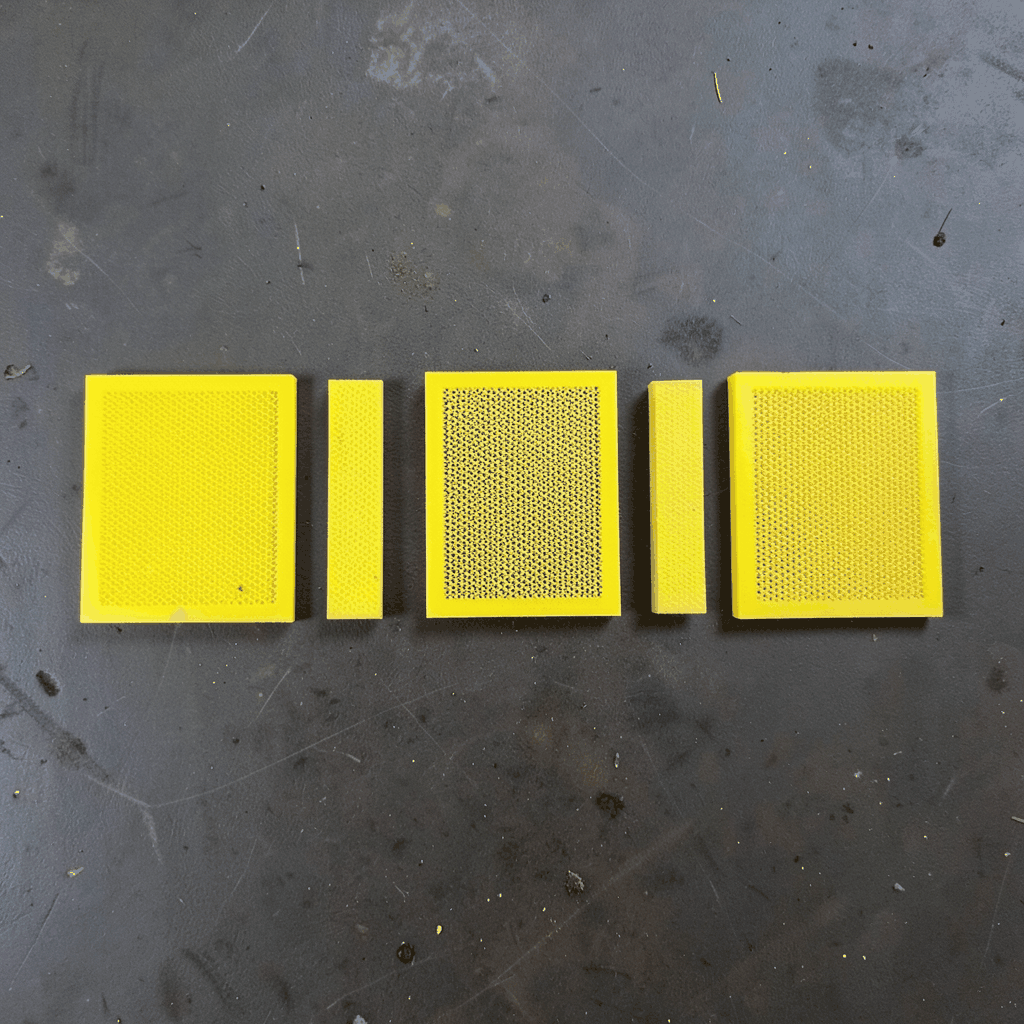
Custom Mesh Filters For Food Processing Oil And Grease Removal
Food processing facilities depend on reliable filtration to protect equipment, maintain product quality, and control oily wastewater. Frying oil, cooking fats, animal oils, sauces, wash water, and process lubricants can carry crumbs, fibers, suspended solids, and carbonized residue. When these contaminants circulate through pumps, tanks, drains, or treatment systems, they can reduce efficiency and increase maintenance requirements.
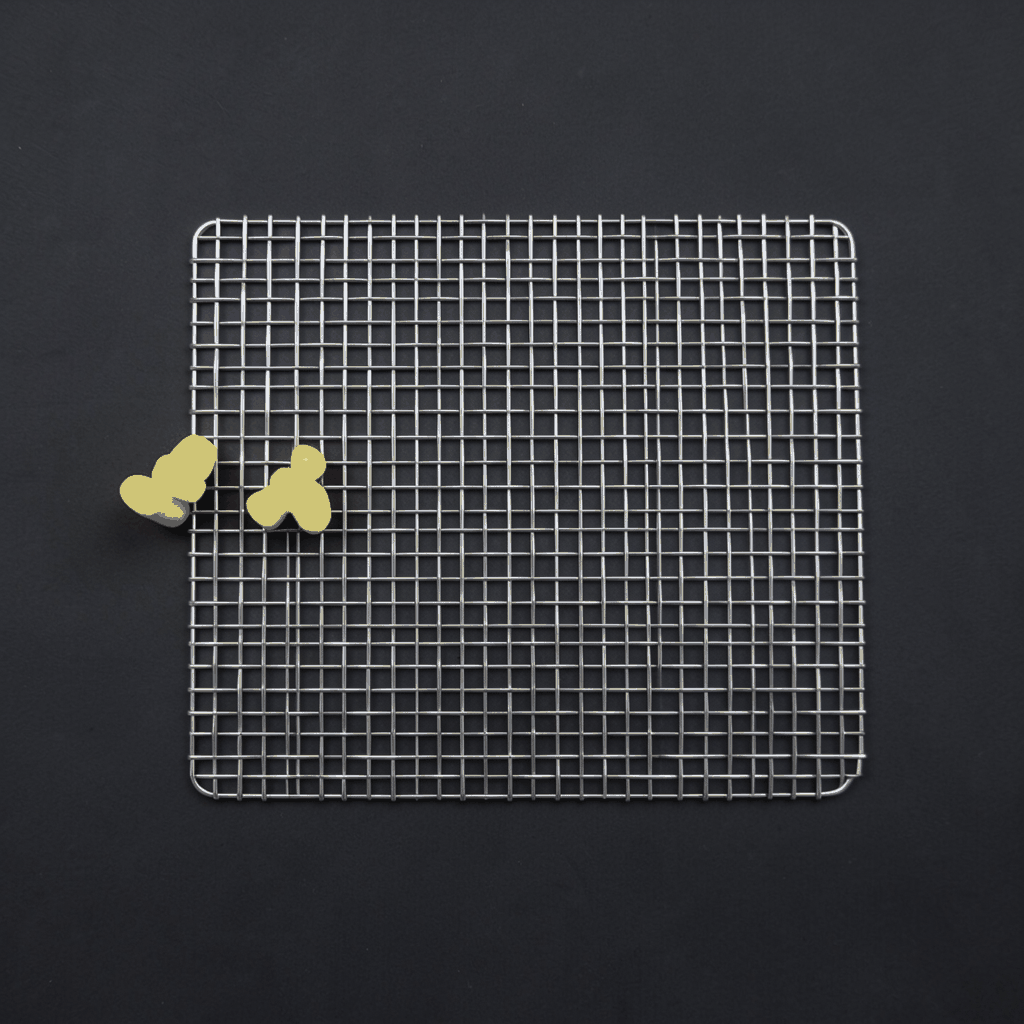
A custom metal mesh filter provides a practical way to capture solid particles from oil and grease-bearing streams. The filter may be used as a removable basket, cylindrical screen, perforated support, multilayer mesh element, or fabricated strainer assembly. Its dimensions, opening size, material, and connection details can be adapted to the production line rather than forcing the line to accept a standard component.
Shuo Ke Wire Mesh Product Technology Co., Ltd. manufactures and processes metal mesh products for industrial and architectural applications. Its capabilities with stainless steel, aluminum, copper, iron, and other alloys support tailored filtration components for food plants, wastewater pre-treatment, oil recovery, and general process protection.
Matching Filtration To The Process
The first step is identifying what the filter must remove and where it will operate. A fryer oil screen may capture food particles and burnt residue before the oil returns to service. A drain or wastewater strainer may retain solids coated with grease. A pump suction basket may protect rotating equipment from larger fragments, while a treatment-stage screen may remove suspended material before separation or discharge.
Oil and grease removal requires a realistic understanding of contaminant form. Metal mesh is effective for retaining solid particles, agglomerated fats, crumbs, bones, fibers, and other debris. It does not normally remove dissolved oil or emulsified grease by itself. Where the process contains fine droplets or stable emulsions, mesh filtration may need to work alongside settling, skimming, coalescing, dissolved air flotation, or chemical treatment.
Temperature, viscosity, flow rate, pressure, cleaning method, and particle loading all affect filter performance. Hot frying oil flows differently from cold grease-laden wash water. A screen that works well during production may blind quickly when exposed to cooled fats. Defining the operating conditions helps determine the correct mesh aperture, filter area, support structure, and cleaning approach.
Selecting A Food-Process Filter Material
Stainless steel is commonly selected for food processing oil filters because it offers strength, corrosion resistance, and a smooth surface that can be cleaned repeatedly. Stainless steel 304 is suitable for many general applications, while 316 or 316L may be preferred where chloride exposure, aggressive cleaning chemicals, or more demanding corrosion conditions are present. The final grade should be checked against the process chemistry and sanitation program.
Aluminum can reduce component weight and may suit certain dry or less corrosive applications. Copper and other alloys can serve specialized engineering or thermal requirements, although their suitability must be assessed carefully for direct food contact and cleaning conditions. Iron-based materials may be appropriate for industrial pre-filtration where food-contact requirements do not apply, but they require protection from corrosion.
Material selection also includes the wire diameter, weave type, weld quality, edge treatment, and support frame. A fine filter made from very thin wire may provide a small opening but lack the rigidity needed for repeated handling. A heavier wire can improve durability while reducing open area. Custom fabrication balances filtration performance with mechanical strength and service life.
Designing Mesh For Oil And Grease Removal
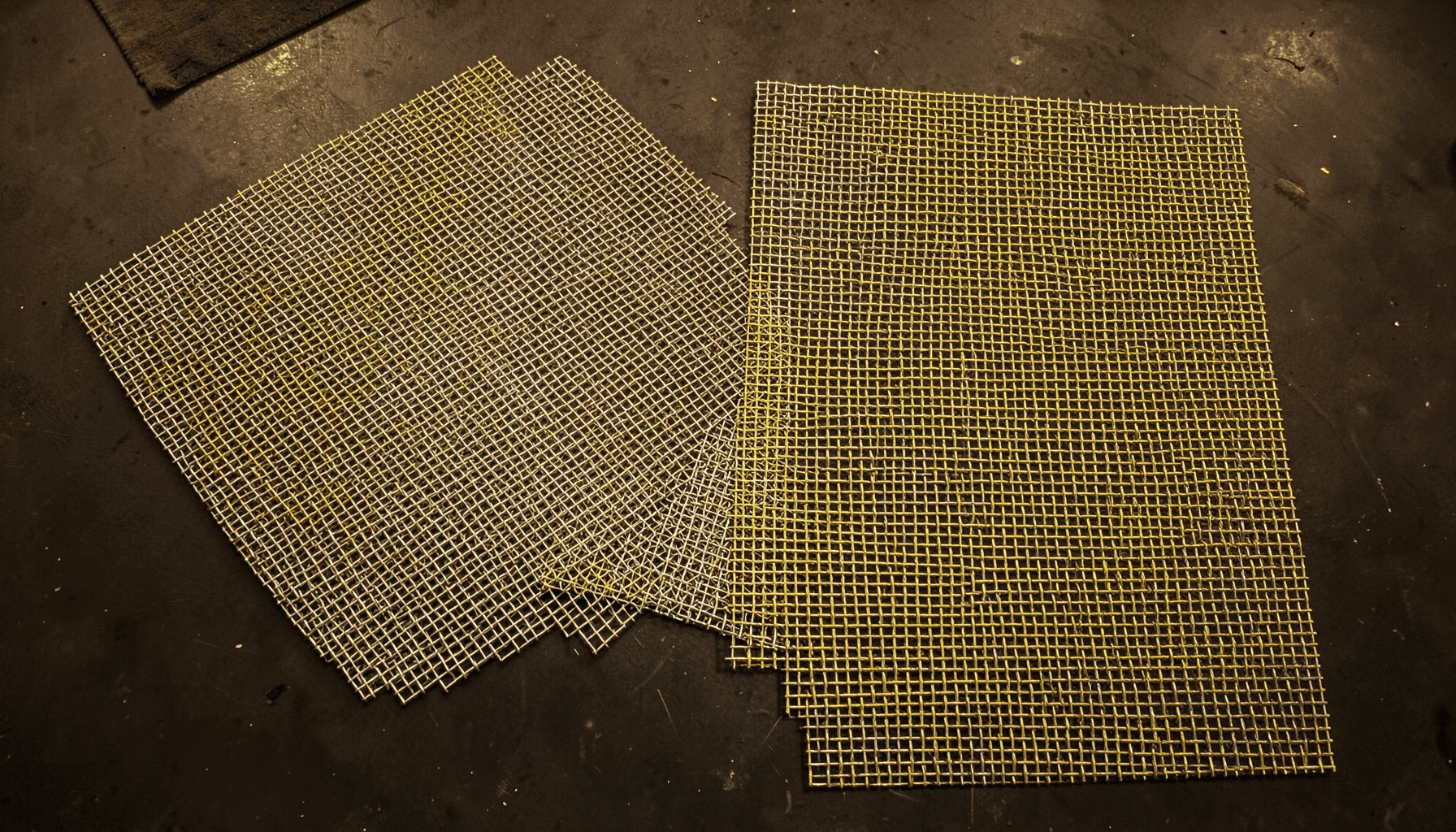
Wire mesh can be woven in several patterns, including plain weave, twill weave, and Dutch weave. Plain weave is widely used for general particle screening and offers a straightforward relationship between mesh count and opening size. Twill weave can provide finer filtration with stronger construction. Dutch weave uses different wire arrangements to create fine openings and high mechanical stability, making it useful for specialized filtration duties.
Mesh count alone does not define filter performance. The actual aperture, wire diameter, open-area percentage, and filtration rating are equally important. In viscous oil, a very fine opening can cause rapid pressure buildup if the filter area is too small. A larger filter surface or pleated construction may maintain flow while still retaining the target solids.
A filter can also include several layers. A coarse outer layer may protect a finer inner layer from large debris. A support mesh can prevent a fine filter cloth from deforming under pressure or during cleaning. Perforated plate, expanded metal, or welded mesh may be added to reinforce baskets and cartridges. This layered design is useful when the process combines high flow, heavy contamination, and repeated cleaning.
Comparing Custom Filter Formats
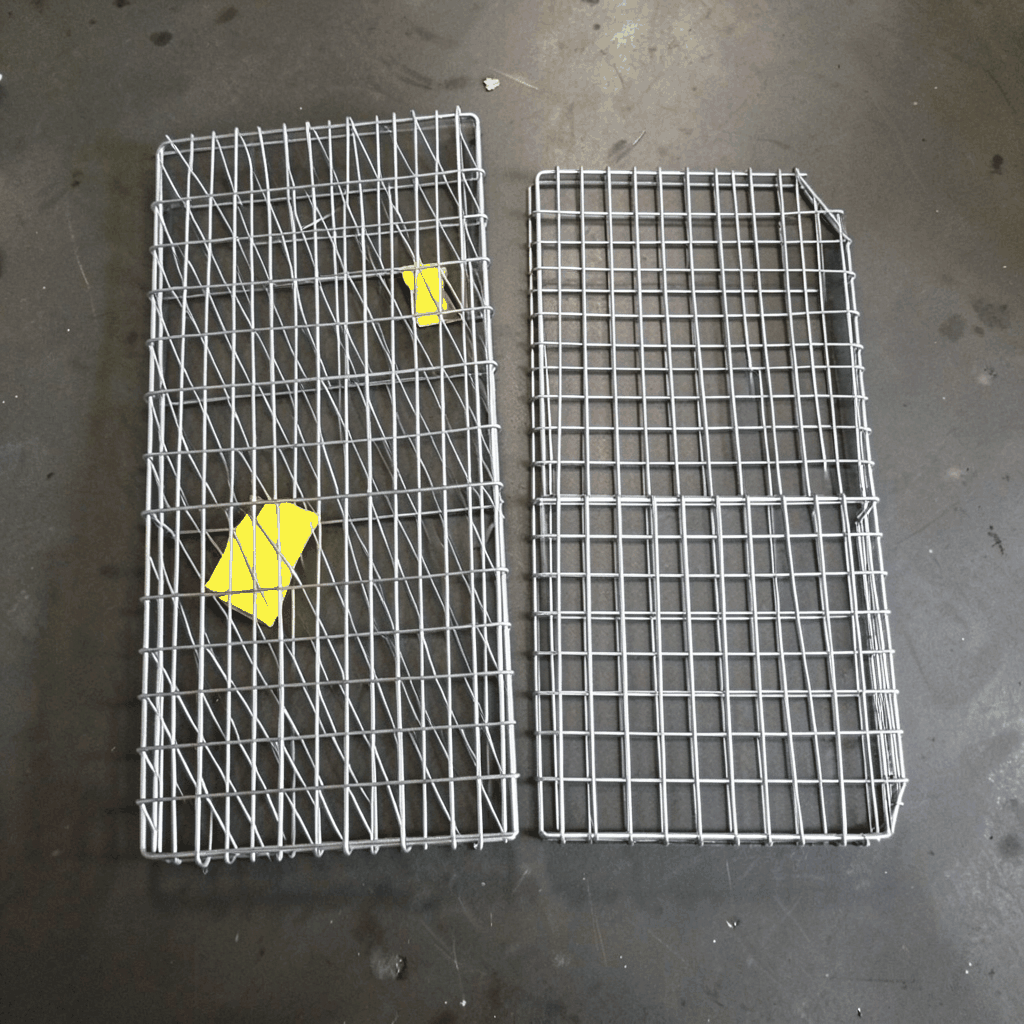
The most suitable format depends on access, flow direction, available space, and maintenance procedures. Removable baskets are convenient for tanks, fryer systems, and collection points because operators can lift them out for inspection. Cylindrical screens work well inside pipelines or housings, while flat panels may suit channels, drain boxes, and wastewater equipment.
| Filter format | Typical use | Main advantage | Key design consideration |
|---|---|---|---|
| Removable basket | Fryer oil, tanks, pump suction | Easy inspection and cleaning | Handle strength, basket rigidity, sealing |
| Cylindrical screen | Inline process piping | Large screening area in compact space | Flow direction and end connections |
| Flat mesh panel | Drain channels, vats, collection trays | Simple installation and replacement | Frame support and bypass prevention |
| Pleated mesh cartridge | Higher flow with fine particle capture | Increased surface area | Cleaning access and pressure differential |
| Multilayer screen pack | Oil, grease, and mixed solids | Combines coarse protection with fine filtration | Layer sequence and secure edge retention |
| Perforated support basket | Heavy-duty industrial straining | High strength under load | Hole pattern, thickness, and open area |
Custom dimensions can include length, width, diameter, flange arrangement, frame profile, lifting handle, hinge, clamp, threaded connection, or welded mounting points. These details prevent gaps around the filter that could allow unfiltered oil or wastewater to bypass the screen.
Engineering Details That Extend Service Life
Filter area is one of the most important design factors. A small screen may appear adequate when clean but become restrictive as food residue and grease accumulate. Increasing the surface area lowers the loading per unit of mesh and can extend the cleaning interval. In compact equipment, a pleated or cylindrical design may create additional area without requiring a larger footprint.
The support structure must withstand pressure, vibration, lifting, and repeated washing. Fine mesh installed without adequate backing can stretch, dent, or collapse. A welded frame, perforated liner, or coarse support layer helps preserve the opening geometry. For baskets, reinforced rims and handles make removal safer and reduce distortion during maintenance.
The filter should also be designed for cleanability. Smooth welds, rounded corners, accessible surfaces, and limited crevices reduce residue retention. Depending on the application, operators may use hot water, steam, approved detergents, manual brushing, or clean-in-place systems. The selected mesh and joining method should tolerate the intended temperature and chemical exposure.
A practical design includes a way to monitor restriction. Operators can use visual inspection, flow observation, pressure gauges, or differential-pressure indicators. Establishing a replacement or cleaning point before severe blockage protects pumps and helps maintain consistent processing conditions. For oil recovery systems, the filter may also be designed for quick draining so captured grease and solids do not remain trapped during changeover.
Building A Clear Filter Specification
A complete specification allows a manufacturer to develop the right component efficiently. It should describe the fluid, operating temperature, normal and peak flow rate, expected contaminant size, pressure conditions, cleaning method, and available installation space. Photographs, sketches, or a sample component can help clarify connection details and access limitations.
The specification should also state whether the filter contacts food, cooking oil, wastewater, or a non-contact utility stream. This distinction influences material choice, surface finish, welding expectations, documentation, and inspection requirements. If a facility follows a particular hygienic design standard or customer approval procedure, those requirements should be identified before fabrication.
Useful information includes:
- Fluid type and viscosity at operating temperature
- Target particle size and acceptable filtration range
- Required flow rate and allowable pressure drop
- Filter dimensions, connection style, and mounting method
- Mesh material, wire diameter, and preferred weave
- Cleaning temperature, chemicals, and frequency
- Direct food-contact status and documentation needs
- Quantity, replacement schedule, and inspection expectations
A manufacturer can then recommend whether a single mesh layer, reinforced screen, basket, cartridge, or multi-stage arrangement is most appropriate. Prototype testing or a sample run may be valuable when the process contains changing grease loads, sticky residue, or fine suspended solids.
Practical Recommendations For Plant Operators
Correct filtration depends on treating the filter as part of the complete process rather than as an isolated screen. Upstream scrapers, settling tanks, grease traps, magnets, or coarse strainers may reduce the load placed on a fine mesh element. Downstream treatment equipment can then operate with fewer solids and less maintenance disruption.
Regular inspection helps identify whether the opening size, filter area, and cleaning interval are suitable. A filter that blinds too quickly may need more surface area or staged filtration. A filter that allows damaging debris through may require a finer layer or a better-sealed frame. Performance should be assessed using flow stability, pressure change, captured solids, cleaning frequency, and equipment protection.
- Choose stainless steel and the appropriate grade for the fluid and sanitation chemicals.
- Specify open area and aperture size instead of relying on mesh count alone.
- Use support layers or perforated backing when fine mesh faces pressure or heavy loading.
- Design baskets and cartridges for quick removal, draining, and thorough cleaning.
- Test the filter under real temperature, flow, and grease-loading conditions before broad installation.
These steps help align the custom component with actual operating conditions. They also make replacement planning easier because the facility has a documented reference for dimensions, material, mesh rating, and installation orientation.
Develop A Reliable Custom Filtration Component
A well-designed metal mesh filter can protect pumps, improve oil handling, reduce solids entering wastewater equipment, and simplify routine maintenance. Its effectiveness depends on the relationship between aperture size, surface area, support construction, material compatibility, and cleaning practice. For grease-bearing food streams, the filter should be specified as part of a broader separation strategy when dissolved or emulsified oil is present.
Shuo Ke Wire Mesh Product Technology Co., Ltd. can process custom stainless steel and alloy mesh products for industrial filtration applications. Share the fluid conditions, filter drawings or dimensions, target particle size, operating temperature, and cleaning requirements to develop a suitable oil and grease removal screen, basket, cartridge, or support assembly for your facility.