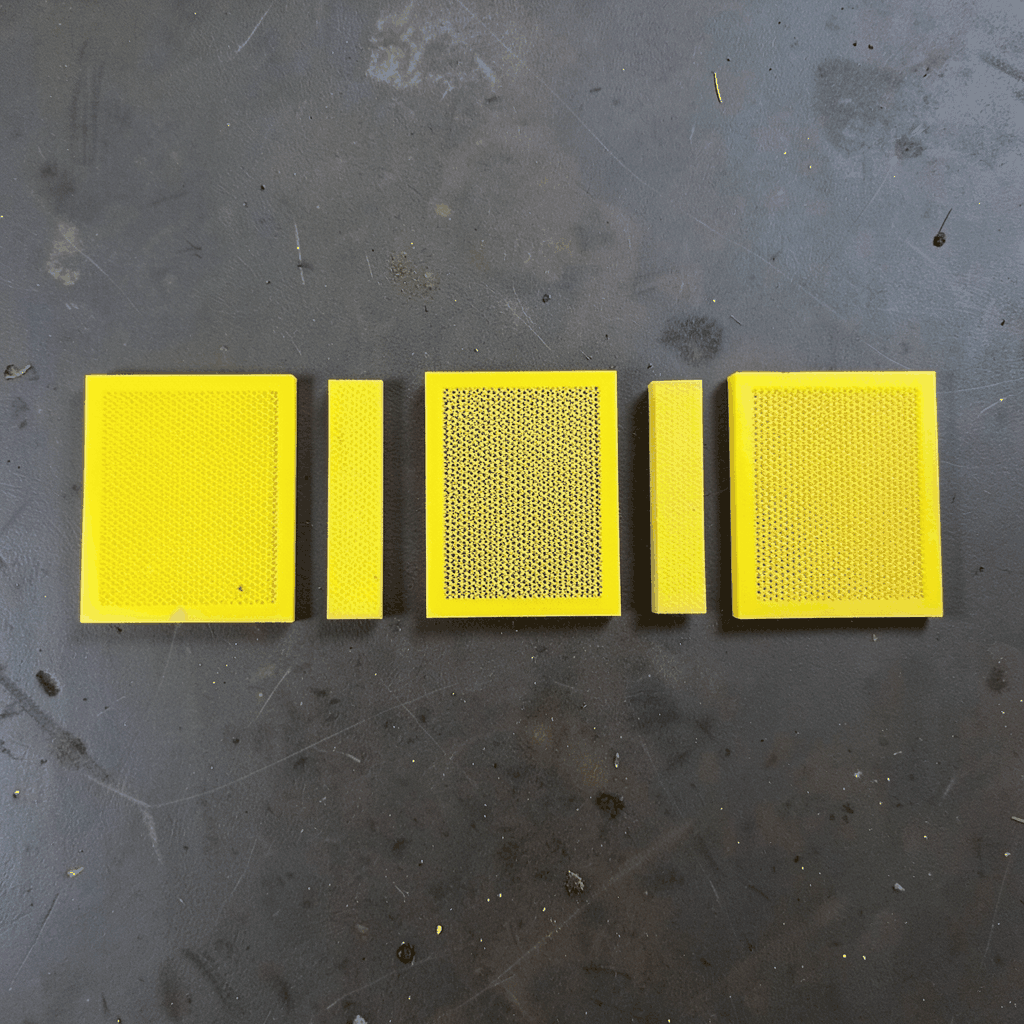
Custom Mesh Filters for Pharmaceutical Fluid Bed Dryers
Pharmaceutical fluid bed dryers remove moisture from granules by fluidising a product bed with controlled airflow. The moving air can carry fine particles, while filters, screens and guards protect the distributor plate, blower and downstream equipment. A general-purpose wire mesh may be adequate for guarding, but a purpose-designed filter must account for airflow, pressure drop, product retention, cleaning and the risk of blockage. Learn more about Removing Pesticides And Herbicides From Surface Water A Practical Guide.
A successful specification begins with the filter’s operating environment rather than its material alone. Australian production sites in Melbourne, Sydney, Brisbane and Adelaide often work with imported dryers, ageing equipment or local fabrication modifications. Shuo Ke Wire Mesh Product Technology Co., Ltd. develops custom mesh solutions around these practical requirements, combining accurate dimensions, suitable alloys and manufacturing methods that suit both new installations and retrofit projects.
Start with the filter’s actual duty
A fluid bed dryer can contain several mesh components, each with a different function. An inlet screen may stop debris from entering the air-handling system, while an exhaust screen captures loose granules or protects downstream ducts. Internal screens can support filter media, retain catalyst or guard a distributor plate. The correct mesh for one position may be unsuitable for another.
Product-retaining screens require careful attention because particles can change shape or fragment during drying. The selected aperture should maintain the required airflow without allowing excessive product loss. By contrast, a coarse protective screen over a distributor only needs to prevent large objects from entering the plenum. Defining the consequence of blockage, wear or particle leakage helps engineers select an economically sensible design.
Wire mesh should also be distinguished from sterile-grade filtration. A woven or perforated screen rarely provides microbial retention unless specially designed and validated for that purpose. In most fluid bed applications, it serves as a process screen, prefilter or component guard. Treating it as the sole barrier between the drying air and the final product could create an unsupported sterility claim.
Translate process data into design inputs
The design brief should identify airflow, operating temperature, humidity, pressure, particle size and expected loading. It should also state how often the screen will be inspected or cleaned, whether cleaning uses fixed pipework, and whether the dryer experiences vibration during fluidisation. Airflow data collected after installation can be more valuable than a catalogue rating because it reflects the actual operating recipe.
Dimensions need to be transferred into manufacturing geometry. This includes the clear aperture, mesh count, wire diameter, open area, frame dimensions and the depth available within the housing. Gasket compression, bolt spacing and airflow direction affect both sealing and pressure drop. Surveying the installed equipment is preferable when original drawings are unavailable, particularly for older imported machinery in Melbourne and Sydney.
Australian maintenance teams commonly coordinate access around production shutdowns and washdown campaigns. The filter must therefore be removable without dismantling unrelated equipment, and its lifting or handling features should suit local work practices. Where access is restricted by machinery or confined spaces, a lighter assembly may improve safety. Any design still needs to comply with the applicable state workplace safety requirements and the site’s lockout and isolation procedures.
Choose materials for process and local conditions
Stainless steel is the usual choice for pharmaceutical filter assemblies because it combines strength, cleanability and chemical resistance. Grade 316L offers greater resistance to chloride-bearing cleaning agents than 304 stainless steel, although the exact formulation and surface condition matter. Aluminium may reduce weight for some non-corrosive applications, but it has different chemical and thermal limits. Copper and other alloys should be used only when their compatibility has been demonstrated.
The internal process environment should determine the primary material grade. Local conditions mainly affect external frames, storage, handling and any parts exposed to ventilation air. Humid climates around Brisbane can accelerate corrosion on unpassivated surfaces, while salt-laden coastal air near Sydney or Melbourne can stain poorly protected carbon steel components. A robust design can combine a process-grade stainless mesh with a suitably coated or stainless supporting frame.
Outdoor air intakes require additional care. Fine screens can become heavily loaded by dust, insects, pollen or bushfire smoke, causing blower damage and excessive pressure drop. Bushfire-prone regions need a planned filtration strategy and a safe response to heavily contaminated air. Screens should protect the blower without being expected to compensate for an undersized intake or a poor duct layout.
Engineer mesh for airflow and service life
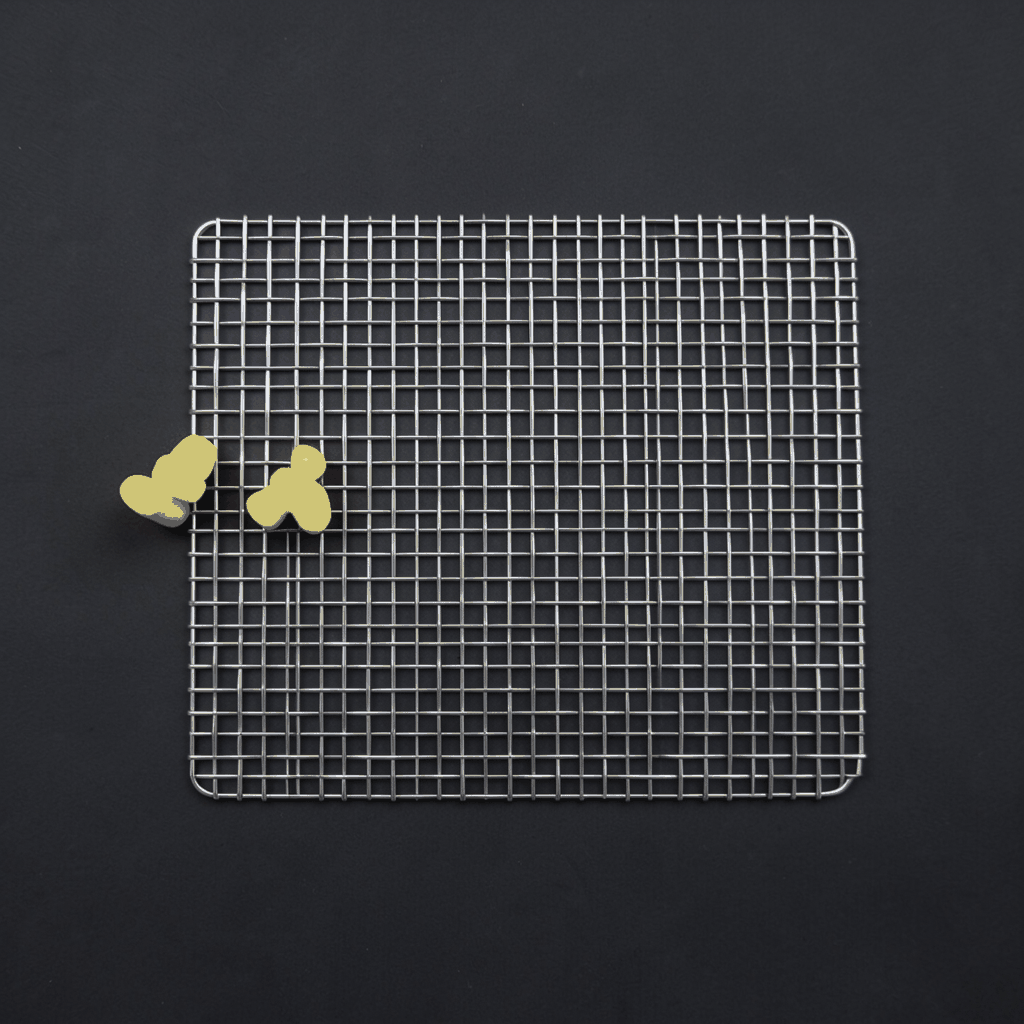
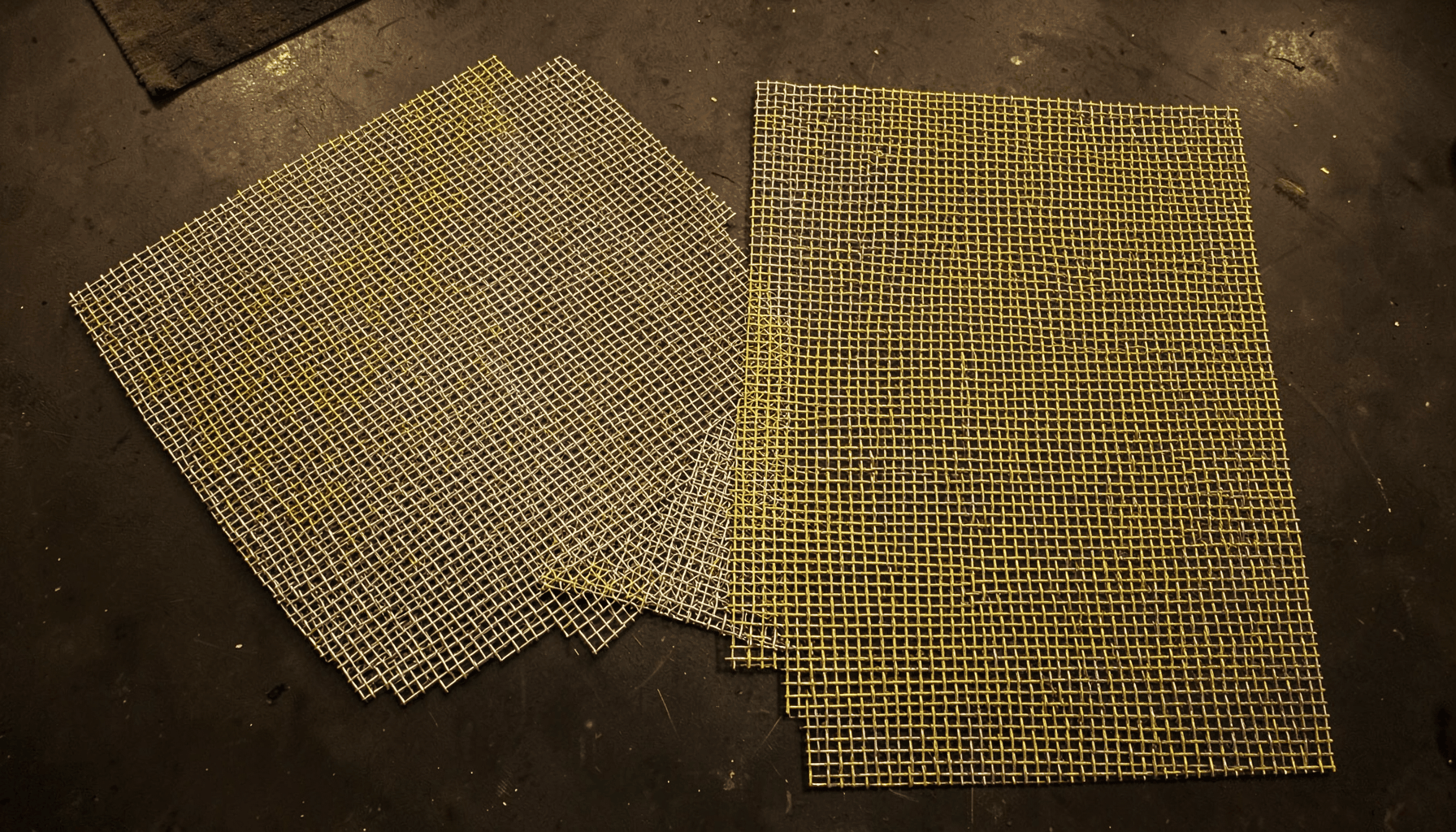
Woven wire mesh, expanded metal, perforated plate, welded mesh and sintered mesh offer different balances of open area, strength and particle capture. Woven mesh provides a controlled aperture and is useful for precise screening. Expanded metal handles vibration and impact well, while perforated plate is usually more appropriate for guarding. Sintered or multilayer media can improve fine-particle capture, but they generally create greater pressure losses.
Mesh count alone does not describe filtration performance. The clear aperture, wire diameter, weave pattern and open area all influence airflow and dirt holding. For a given flow, a higher open area usually reduces face velocity and pressure drop. The final specification should state the expected clean-screen pressure difference at design airflow, together with the allowable loaded limit that triggers inspection or replacement.
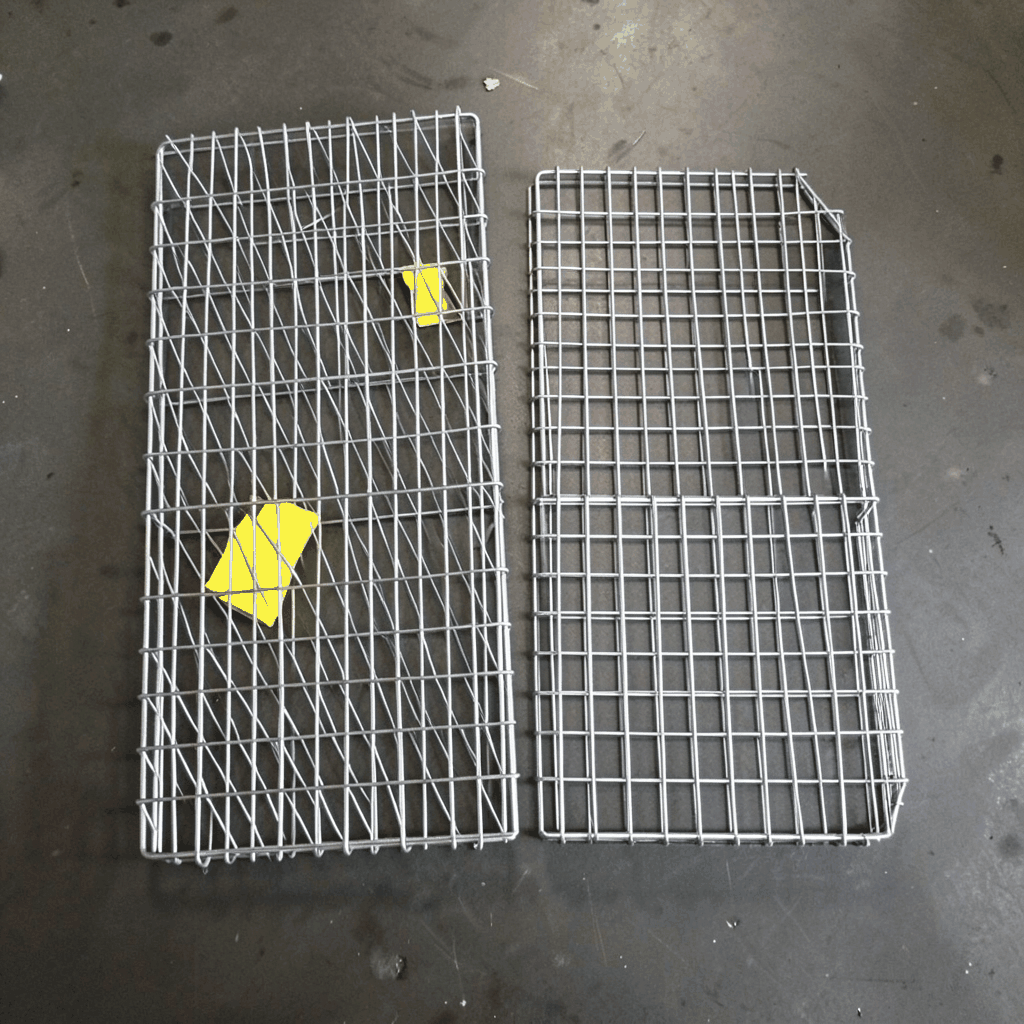
Frames and seals are as important as the mesh itself. Flat frames, channel frames and tensioned inserts suit different housings, while gaskets, gasketed frames and compression bars help prevent bypass. Handles should withstand repeated removal without deforming the sealing surface. Drain holes, smooth welds and accessible fastening points can support routine cleaning, while resilient mounts help isolate the screen from dryer vibration.
Build pharmaceutical quality into the filter
Australian medicinal product manufacturing operates under Therapeutic Goods Administration requirements and a PIC/S-aligned Good Manufacturing Practice framework. These requirements cover supplier qualification, process control, traceability and changes to equipment used in manufacturing. A mesh component does not receive separate TGA approval, but the drug manufacturer remains responsible for ensuring that it is fit for its intended purpose.
Quality documentation should match the filter’s actual risk and contact classification. Useful records include approved drawings, material certificates, material identity verification, dimensional inspection and pressure-drop test results. Welded assemblies may require examination of weld quality, while product-contact surfaces may need documented finishing and passivation. Packaging, identification and lot traceability help prevent the wrong specification reaching a production line.
Cleaning and environmental controls should be considered together. Final-rinse water must be separated from earlier wash stages, and the filter design should allow complete drainage where appropriate. Facilities that also manage contaminated yard runoff or treatment ponds can use a surface-water treatment guide to clarify source controls for pesticides and herbicides. Such guidance does not replace pharmaceutical effluent validation, but it reinforces the need to prevent external contamination from entering process areas.
Use practical selection checklists
Before requesting a quotation, identify every position that requires a mesh component and describe what each screen protects. A site survey can resolve differences between the original equipment drawing and the installed housing. It also helps distinguish a minor replacement from a retrofit requiring a different frame, connection or removal method.
Two checklists can keep the technical and manufacturing details aligned:
Process and operating checks
- Confirm the screen’s location, duty and acceptable particle loss or capture.
- Record airflow, temperature, humidity, pressure and expected service interval.
- Specify aperture, retention requirement and permitted differential pressure.
- Document cleaning method, vibration exposure and removal access.
Fabrication and quality checks
- State the material grade, surface condition and product-contact classification.
- Supply clear dimensions, tolerances, gasket details and installation orientation.
- Identify required inspections, material certificates and release documentation.
- Approve a sample or first article before authorising repeat production.
These checks reduce ambiguity during manufacture and help preserve the validated relationship between the dryer, its airflow system and the finished filter. They also create a clearer basis for comparing replacement options, particularly where lead time, shipping and local installation access affect the commercial decision.
Turn Requirements into a Manufacturable Filter
Custom manufacturing works best when the enquiry contains enough information for the supplier to engineer the screen rather than select a catalogue item. For an existing fluid bed dryer, provide photographs, housing measurements and the location of the filter. For new equipment, include the general arrangement drawing, airflow direction and required connection details.
The final quotation should clearly identify the mesh type, wire or sheet thickness, aperture, open area, frame material, sealing method, finish, quantity, inspection requirements, packaging and production lead time. Any assumptions about cleaning, product contact or service life should be documented before manufacture. This protects both parties from discovering an unsuitable assumption during installation or qualification.
Contact Shuo Ke Wire Mesh Product Technology Co., Ltd. with your process data, filter drawing or site measurements to begin a drawing-led custom mesh filter quotation for pharmaceutical fluid bed dryers.