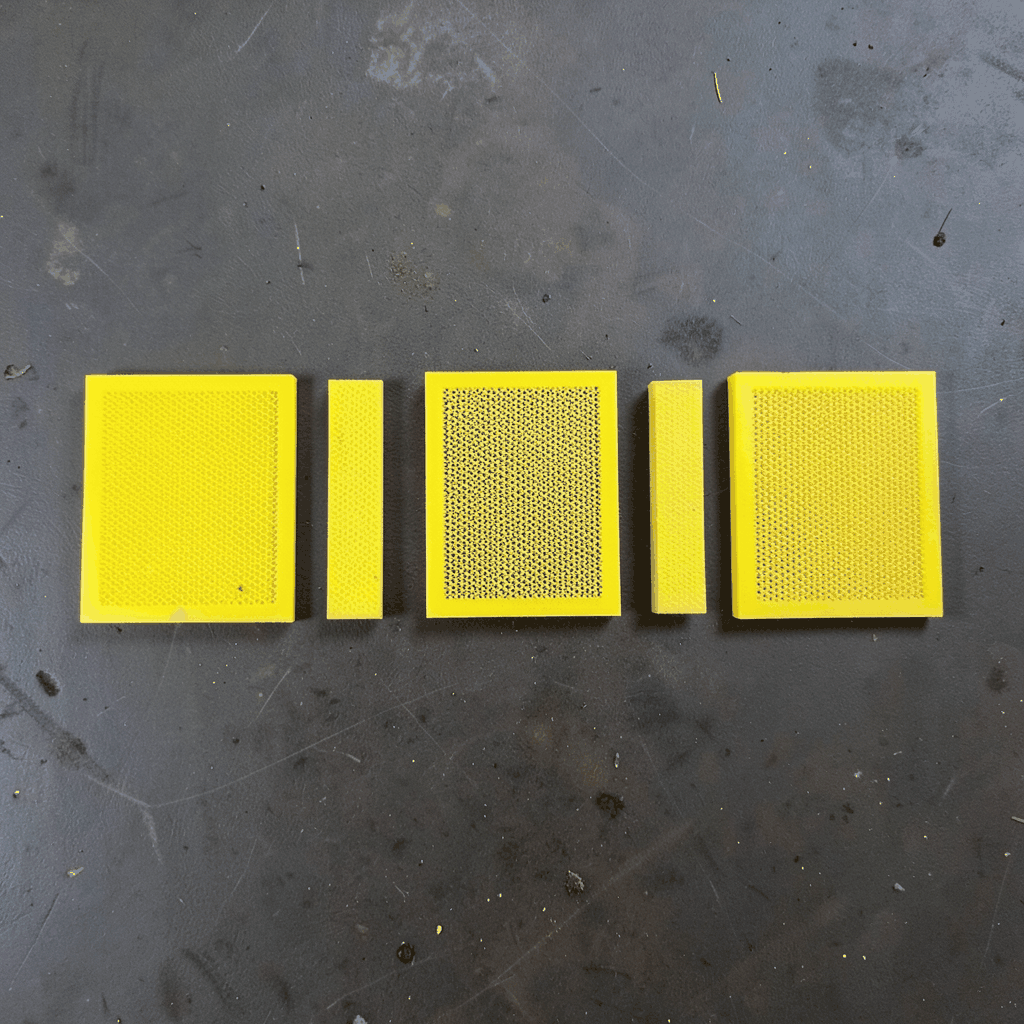
Custom Mesh Filters For Cleaner Australian Irrigation Systems
Irrigation water can carry far more than moisture. Fine sand from a bore, silt after heavy rain, rust from an ageing tank, algae, plant fragments and scale can all move through pipes and reach pumps, valves, drippers and sprinklers. A correctly designed mesh filter captures this sediment before it becomes a costly maintenance problem.
Australian irrigation systems face varied water conditions. A vegetable grower near Adelaide may draw from a storage dam, a turf manager in Brisbane may work with treated or recycled water, and a rural property in the Murray–Darling Basin may rely on a bore or river allocation. Each source creates a different filtration requirement, so a standard strainer is rarely the best answer for every installation.
Custom fabrication allows the filter screen, housing, frame, connection points and cleaning access to suit the system. Mesh aperture can be selected for the target particle size, while the material can be matched to salinity, acidity, disinfectants, fertilisers and outdoor exposure. This approach helps maintain reliable flow without creating unnecessary pressure loss.
A durable irrigation filter should be practical to service as well as effective in operation. Farmers, landscapers, nurseries, councils and facilities teams need to remove accumulated sediment quickly, especially during hot weather or peak watering periods. A well-engineered metal mesh insert or filter basket can provide a strong, reusable solution for demanding Australian conditions.
Why Sediment Control Matters In Irrigation
Sediment can enter an irrigation network at several points. Bore water may carry fine sand, an open dam can introduce organic debris, and roof-fed tanks may collect dust, leaves and insect material. After storms, surface water can transport clay and silt into pumps and holding tanks. Even mains-connected systems may develop rust particles or scale as water moves through older pipework.
The first visible signs are often reduced sprinkler throw, uneven dripper output or a pump that takes longer to reach operating pressure. Small irrigation emitters are particularly vulnerable because their narrow passages can clog with particles that seem insignificant in a bucket of water. Once deposits accumulate, flushing may restore only part of the original performance.
Unfiltered sediment also increases wear on moving equipment. Grit can damage pump impellers, mechanical seals and valve seats, while abrasive particles may shorten the life of pressure regulators. In commercial landscapes and agriculture, a blocked line can create dry zones that affect crops, lawns or newly planted trees before the fault is noticed.
Mesh filtration provides a physical barrier that can be inspected and cleaned. Compared with disposable cartridges, a reusable stainless steel or other metal screen may be more suitable for high-flow applications where frequent replacement would be inconvenient. The correct design depends on particle size, water quality, flow rate and the acceptable cleaning interval.
Choosing Mesh, Material And Aperture
The mesh opening should be selected around the equipment being protected, rather than chosen solely by a general micron rating. Drip irrigation commonly needs finer protection than large agricultural sprinklers, while a pump intake may require a coarse screen that prevents larger debris without restricting flow. A staged system can combine coarse screening with finer filtration where water quality is inconsistent.
Stainless steel is often selected for its strength, corrosion resistance and long service life. It can be suitable for outdoor filter baskets, pump screens and irrigation components exposed to moisture and cleaning cycles. Aluminium offers lower weight and can be useful for larger screens or housings where handling matters. Copper, mild steel and other alloys may be appropriate for particular environments, provided their resistance to the water chemistry is assessed.
Material selection deserves extra attention in coastal areas such as Perth, Newcastle and the Gold Coast, where salt-laden air can accelerate corrosion. Bore water in parts of Western Australia and South Australia may also have mineral content that affects metal performance. Fertigation introduces another consideration because dissolved fertilisers can change the chemical conditions inside the filter.
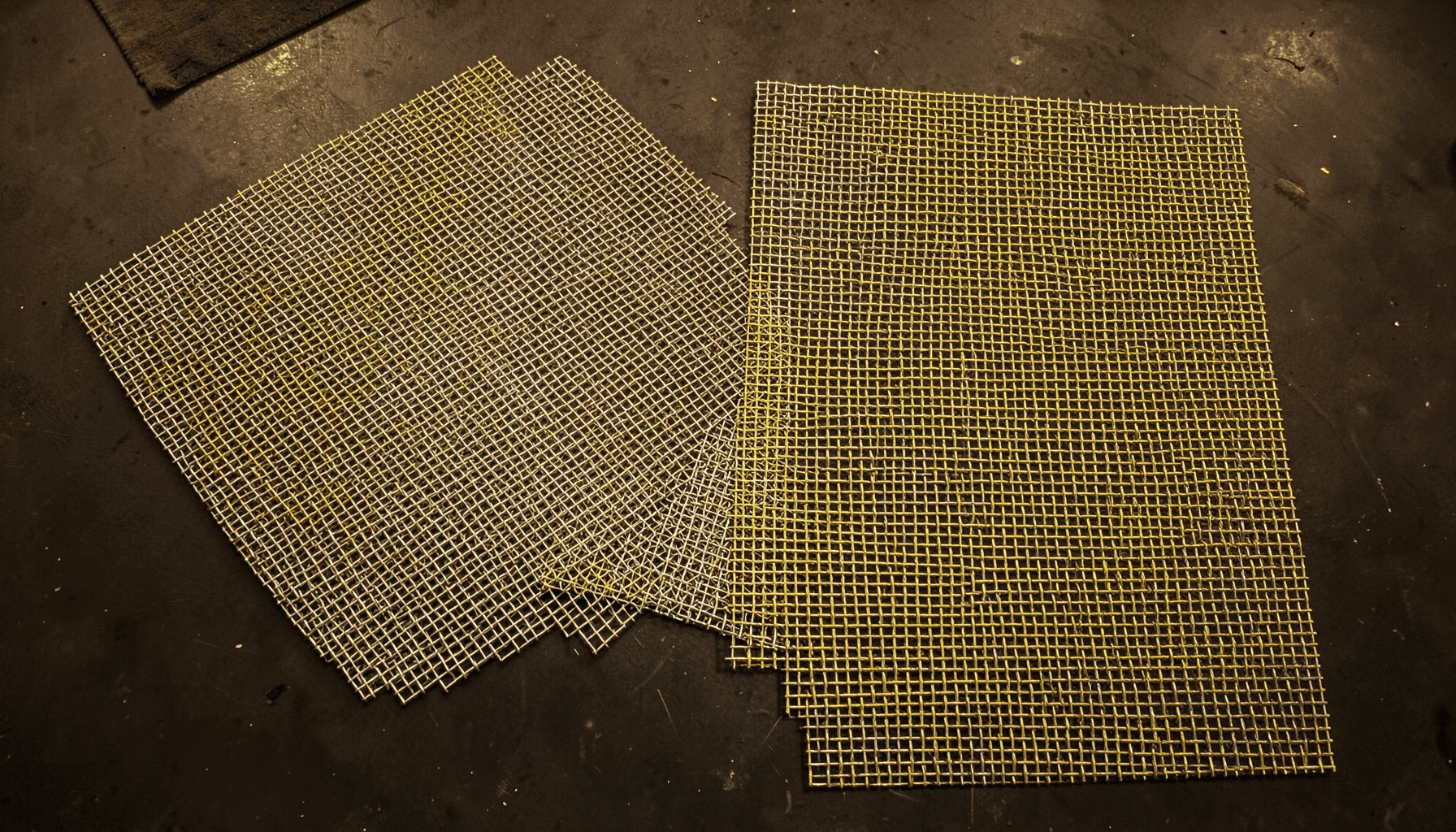
A custom manufacturer can adjust wire diameter, weave pattern, support ribs and frame thickness to balance open area with mechanical strength. A screen with more open area may reduce pressure loss, while a reinforced frame can resist deformation during cleaning. For larger irrigation lines, the filter basket should be supported so that water pressure does not bow the mesh into the flow path.
Designing For Australian Water Sources
A filter for a rural bore installation may need to manage sand and mineral particles, while a dam intake may need to intercept leaves, algae and fine organic matter. These sources behave differently during the year. Rainfall can produce sudden sediment loads, and low reservoir levels may draw more concentrated debris into an intake. The design should account for these changes rather than rely on an average sample taken during dry weather.
In the Murray–Darling Basin, irrigation operators often balance water availability with careful equipment management. A blocked filter can waste a valuable watering window, particularly during hot periods when crops and pasture require consistent delivery. Removable filter baskets, pressure gauges and accessible covers make it easier to respond before flow declines across a large property.
Urban systems have their own requirements. A council maintaining sports fields in Melbourne or Sydney may need a robust screen that can handle tank water and intermittent debris without creating frequent manual work. Green walls, nurseries and rooftop gardens may use compact pumps and narrow pipework, where a small amount of sediment can have a noticeable effect. In Brisbane and northern New South Wales, heavy summer rainfall can also bring sudden loads of silt into collection tanks.
Water restrictions and operating schedules influence servicing decisions. Irrigation equipment may run early in the morning or overnight to reduce evaporation and comply with local requirements, leaving limited access during watering periods. A filter that can be removed, washed and returned to service with basic tools is often more useful than a technically fine screen that requires specialist maintenance.
Custom Fabrication For Reliable Filter Assemblies
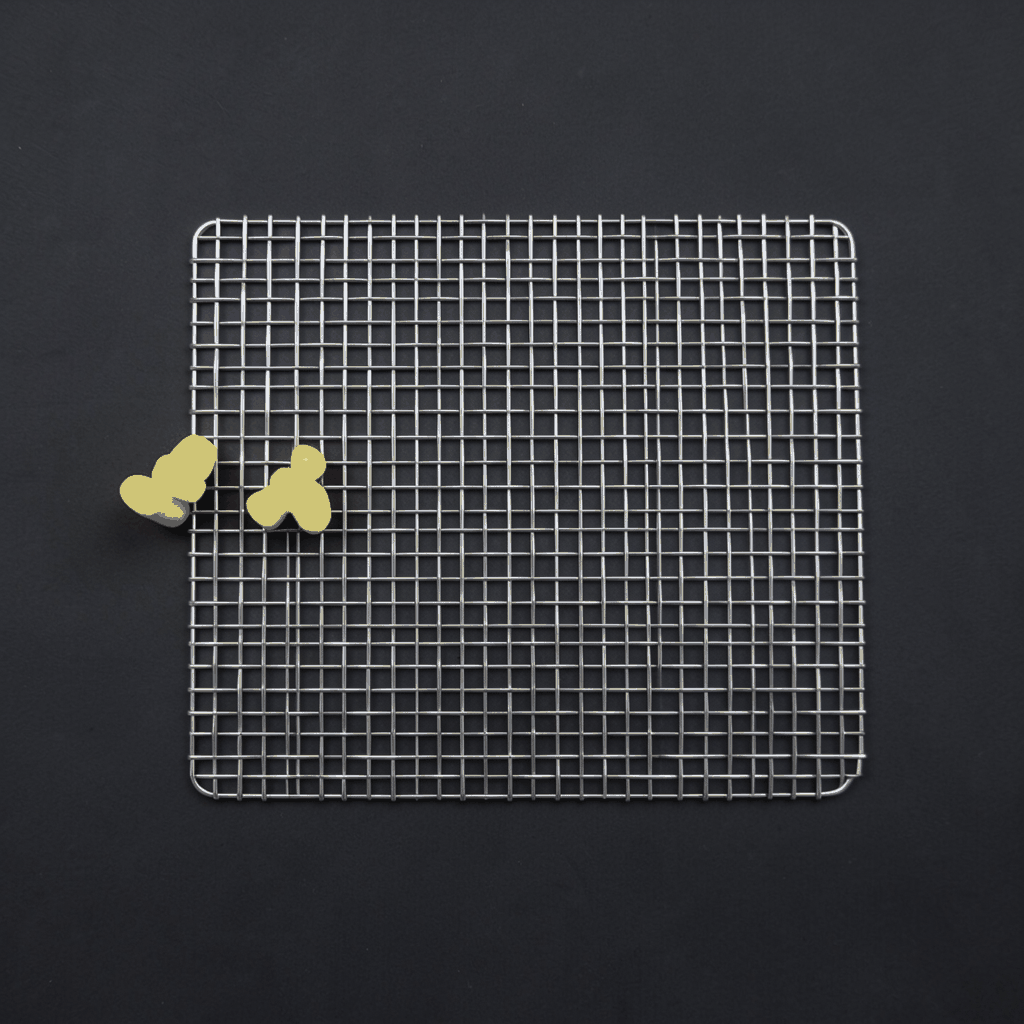
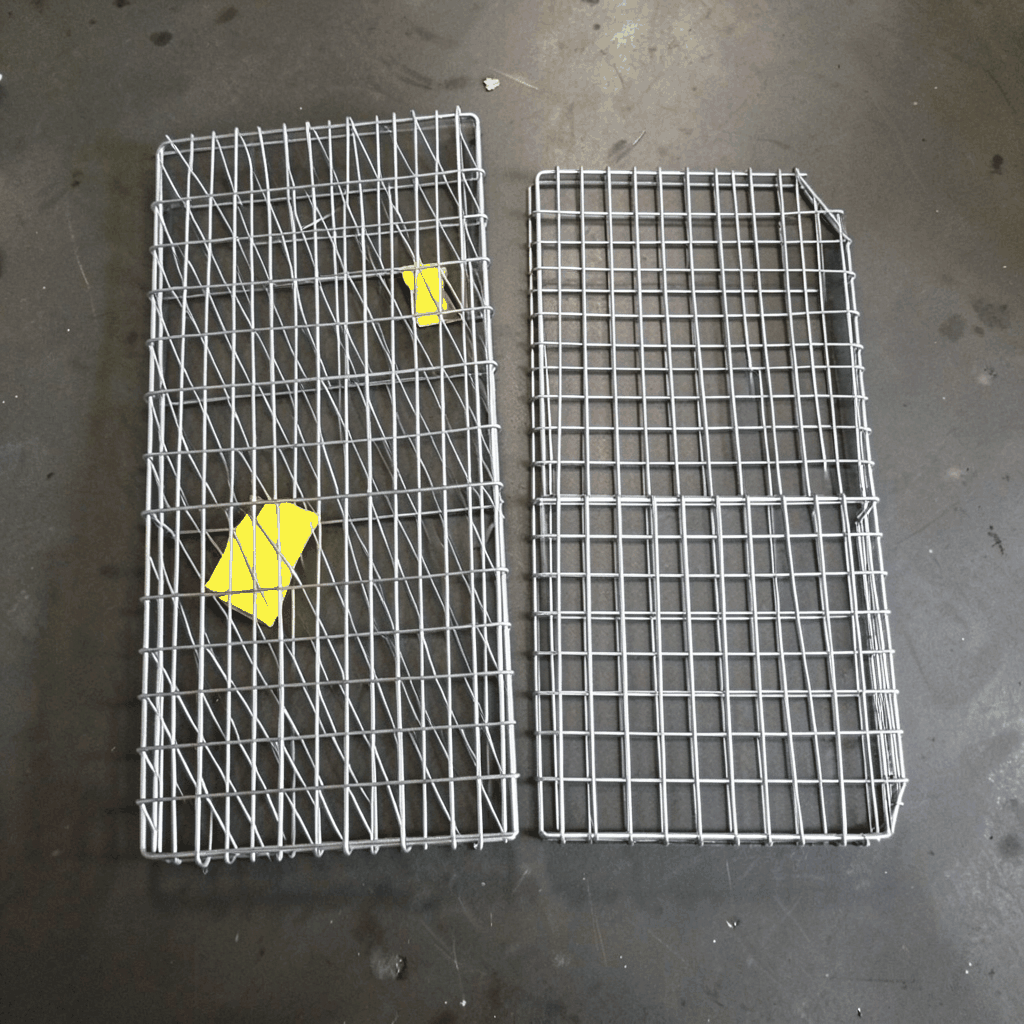
Custom mesh filters can be manufactured as flat panels, cylindrical screens, baskets, sleeves, discs or framed inserts. The right format depends on the location of the filter and the available space around it. A pump intake may need a cylindrical cage, while a tank outlet could use a removable basket with a lifting handle. Existing housings can sometimes be upgraded with a replacement screen made to measured dimensions.
Connections and access points should be considered at the design stage. Flanges, threaded sections, clamps, handles and locating tabs can be incorporated to make installation straightforward. A sealed cover helps prevent bypass around the filter, while a drain point can simplify cleaning. For systems with heavy debris, a larger chamber may be preferable because it allows the screen to hold more material before flow is affected.
Manufacturing tolerances matter when a mesh insert must fit an existing irrigation assembly. The wire opening, frame size and support structure should be verified against drawings or physical samples. Photos alone may not provide enough information, particularly where the component has worn, warped or been modified in the field. Accurate measurements help prevent leakage, difficult installation and premature screen damage.
Shuo Ke Wire Mesh Product Technology Co., Ltd. supplies custom metal mesh solutions for industrial and architectural applications, with capabilities across stainless steel, aluminium, copper, iron and other alloys. Its fabrication experience can support irrigation filter requirements involving made-to-measure screens, baskets and protective mesh components.
Installation, Cleaning And Service Life
Even a well-made filter will perform poorly if it is installed in the wrong position. The screen should generally be placed where it can be isolated and removed without draining the entire network. A bypass arrangement can keep essential watering operating while the primary filter is serviced, although the bypass should be controlled carefully so untreated water does not reach sensitive equipment unnoticed.
Pressure readings before and after the filter provide a useful indication of fouling. A growing pressure difference usually means that sediment is restricting flow and the screen needs cleaning. Operators should establish a normal operating range when the filter is new, then record readings during routine inspections. This is especially useful for large farms, nurseries and municipal sites with multiple irrigation zones.
Cleaning methods should suit the mesh material and the type of deposit. Loose sand and leaves may rinse away with a hose, while clay, algae or mineral scale may require soaking or gentle brushing. High-pressure cleaning should be used carefully because it can deform fine wire or force debris deeper into the weave. Abrasive tools and unsuitable chemicals may reduce corrosion resistance or damage protective finishes.
A practical maintenance schedule can be adjusted after observing real conditions. A bore filter may need frequent checks during initial operation, while a clean rainwater tank might require attention only at longer intervals. Before the Australian summer watering season, it is sensible to inspect seals, frames, handles, clamps and connection points. Replacing a damaged screen early is usually less disruptive than repairing a blocked pump or failed irrigation zone.
Practical Selection Priorities
When specifying a sediment filter for an Australian irrigation system, focus on the conditions that will affect daily use:
- Identify the water source and the likely contaminants, including sand, clay, algae, leaves, rust and mineral scale.
- Match mesh aperture and open area to the smallest protected component, required flow and acceptable pressure loss.
- Select stainless steel, aluminium or another alloy according to salinity, fertiliser exposure, cleaning chemicals and outdoor conditions.
- Provide a removable design with safe access, suitable lifting points and enough capacity for the expected debris load.
- Confirm dimensions, connection details and maintenance procedures before the filter enters production.
A useful specification should include pipe size, target flow rate, pump details, operating pressure, water temperature, installation location and the preferred cleaning method. If the water quality changes seasonally, describe the worst expected condition rather than an ideal sample. Photographs, sketches and measurements of the existing housing can help a manufacturer propose a compatible insert or replacement assembly.
It is also worth considering whether the filter protects one item or an entire irrigation network. A coarse intake screen may protect a pump, while a finer downstream unit protects valves and drippers. Combining filtration stages can extend service intervals and prevent a fine screen from becoming overloaded by large debris.
For dependable sediment removal, specify a mesh assembly built around the water source, equipment and maintenance routine. Send the relevant dimensions and operating conditions to Shuo Ke Wire Mesh Product Technology Co., Ltd. to discuss a durable, made-to-measure filter for your irrigation application and keep clean water moving where it is needed.