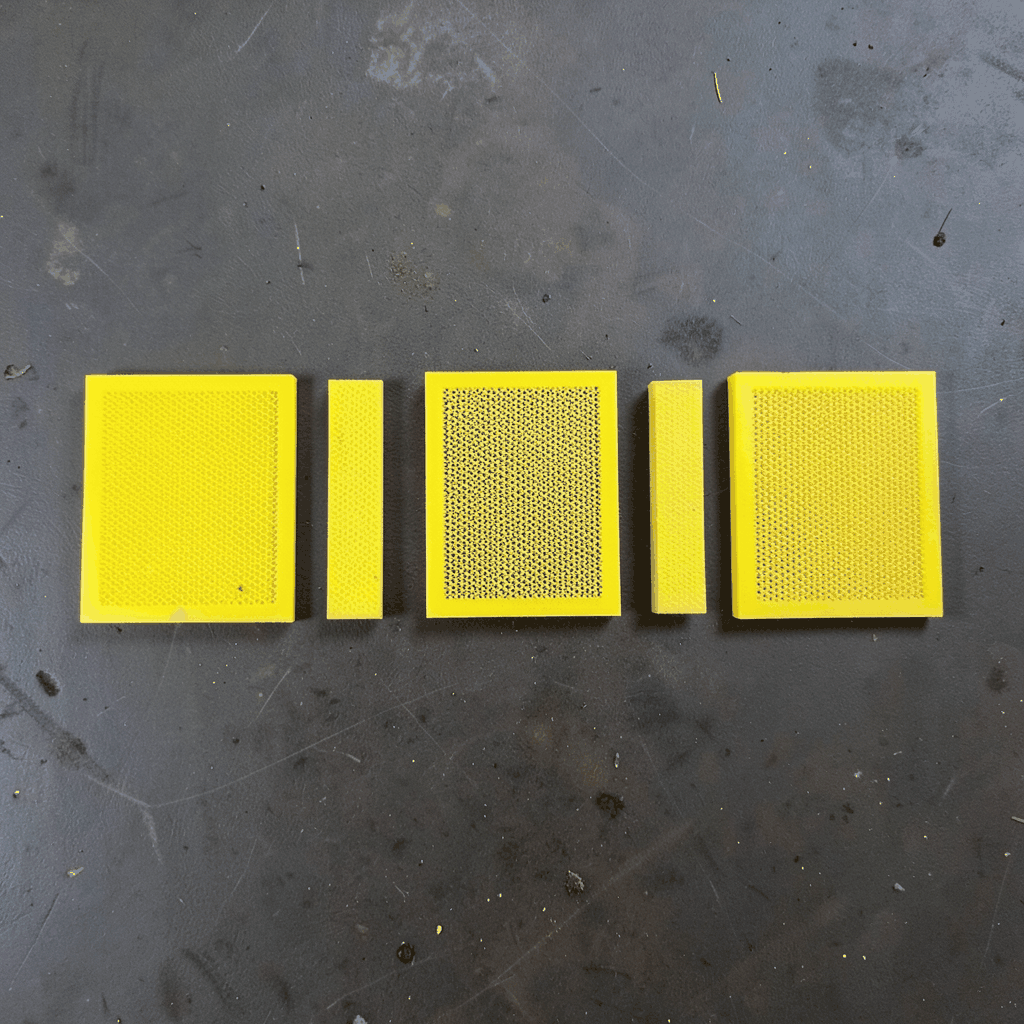
Custom mesh garden fencing that blends into residential landscapes
A garden fence should define space without making the property feel divided. The right metal mesh solution can protect planting beds, guide movement, contain pets, and improve privacy while keeping the landscape visually open. Instead of appearing as a heavy boundary, a well-designed fence can become a quiet architectural detail that supports the style of the home.
Custom fabrication makes that balance easier to achieve. Fence height, wire spacing, panel dimensions, finish, frame design, gate placement, and decorative patterns can all be adapted to the site. Stainless steel, aluminum, iron, copper, and other alloys offer different combinations of strength, weight, color, and weather resistance for residential gardens in varied climates.
Shuo Ke Wire Mesh Product Technology Co., Ltd. manufactures and processes architectural and industrial metal mesh products for customized applications. Its experience with fences, gates, guardrails, decorative screens, and other mesh components supports practical garden boundary designs that are durable, coordinated, and suitable for residential landscapes.
Match the fence to the landscape rather than hiding it
A residential garden fence works best when its visual character relates to the surrounding architecture. A simple welded mesh panel may suit a modern home with clean lines, while a woven wire design can complement a more natural garden. Decorative metal mesh, expanded metal, or laser-cut panels can introduce a pattern when the boundary is intended to make a stronger design statement.
The fence should also respond to what is behind it. Fine mesh can recede among shrubs and ornamental grasses, while a larger open pattern may frame a view toward a lawn, courtyard, or planting border. Dark finishes often reduce glare and help the fence blend into greenery, whereas natural aluminum or warm copper tones can highlight the boundary as a deliberate feature.
Scale matters as much as material. A tall, dense screen beside a narrow path may feel restrictive, while a low garden enclosure can define planting areas without obstructing sightlines. Changes in height can separate functional zones, such as a taller section near a driveway and a lower section around a front garden.
Choose a metal mesh style for each residential use
Garden fencing does not have a single performance requirement. A fence around a vegetable garden may need to deter pets and small animals, while a boundary near a patio may prioritize appearance and privacy. A pool enclosure, side-yard screen, and decorative entrance gate each call for a different balance between openness, security, and maintenance.
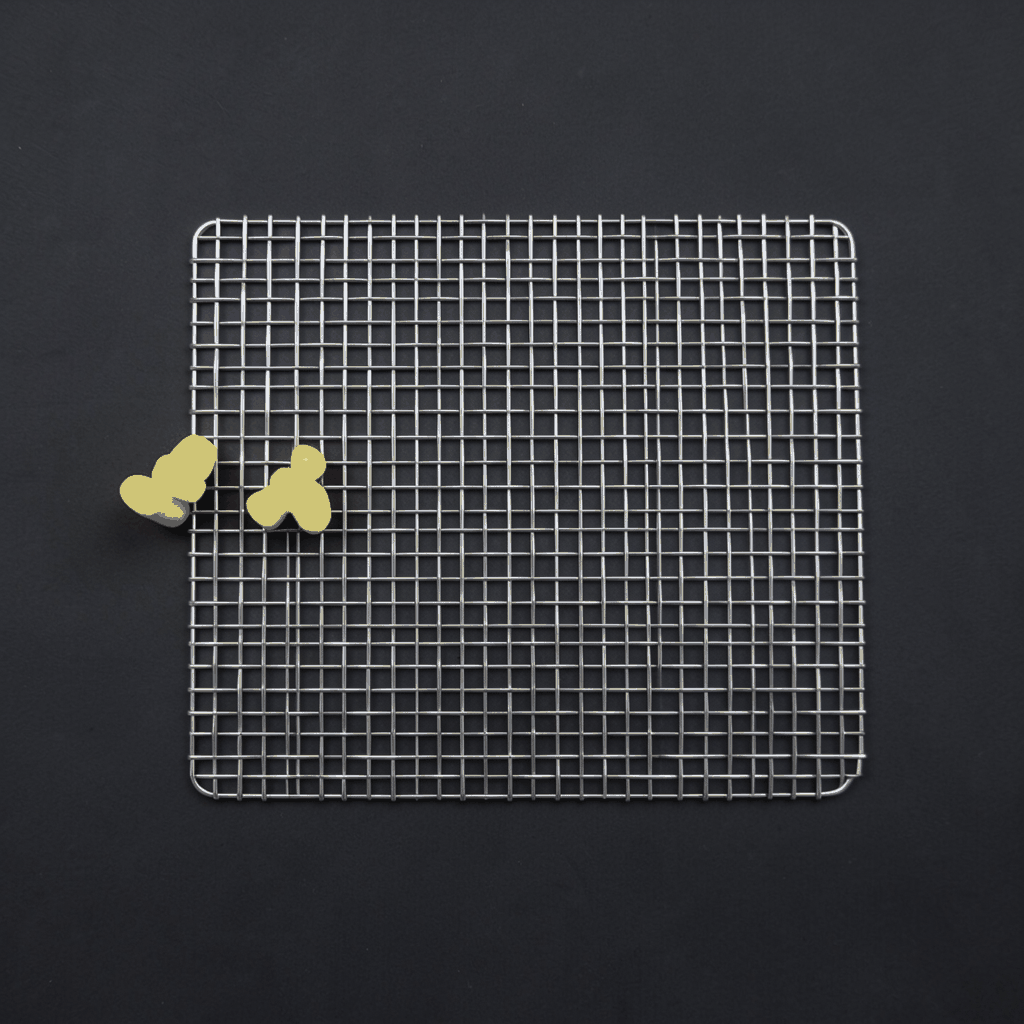
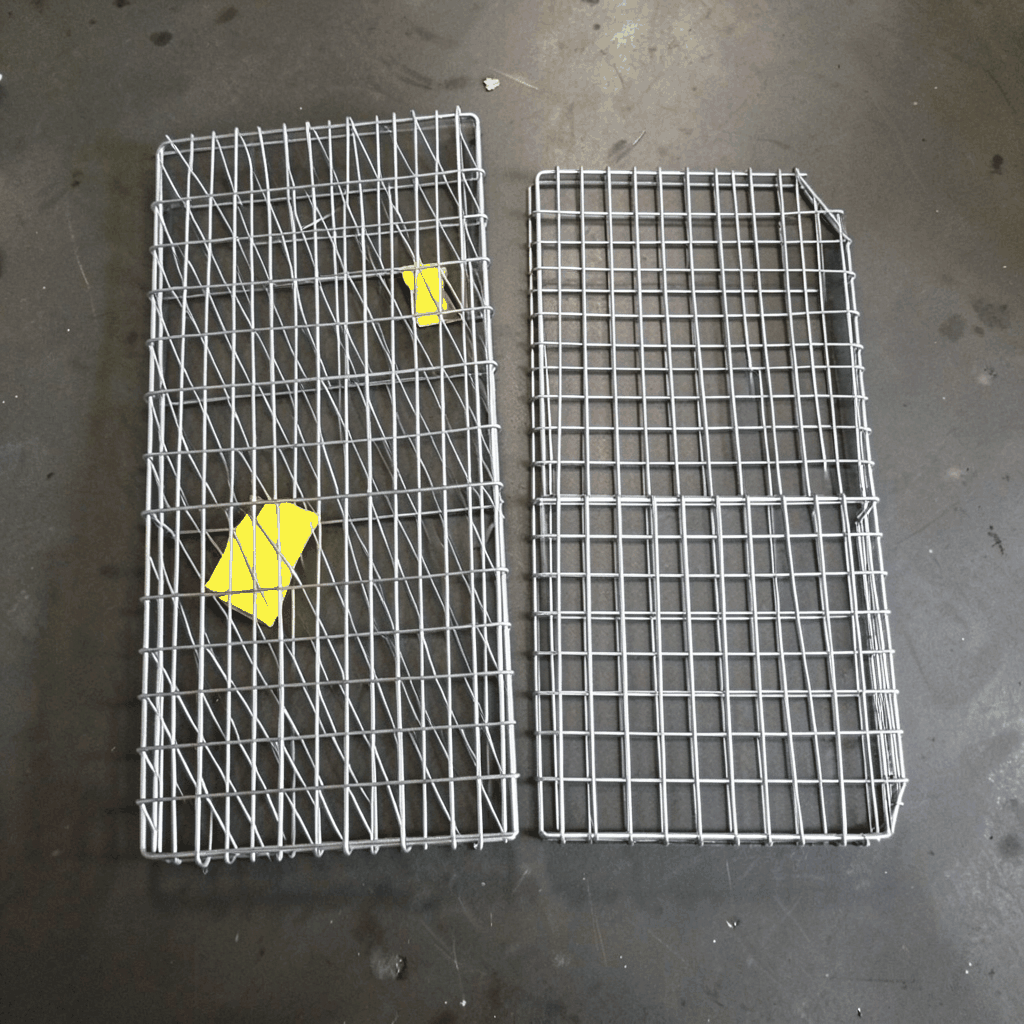
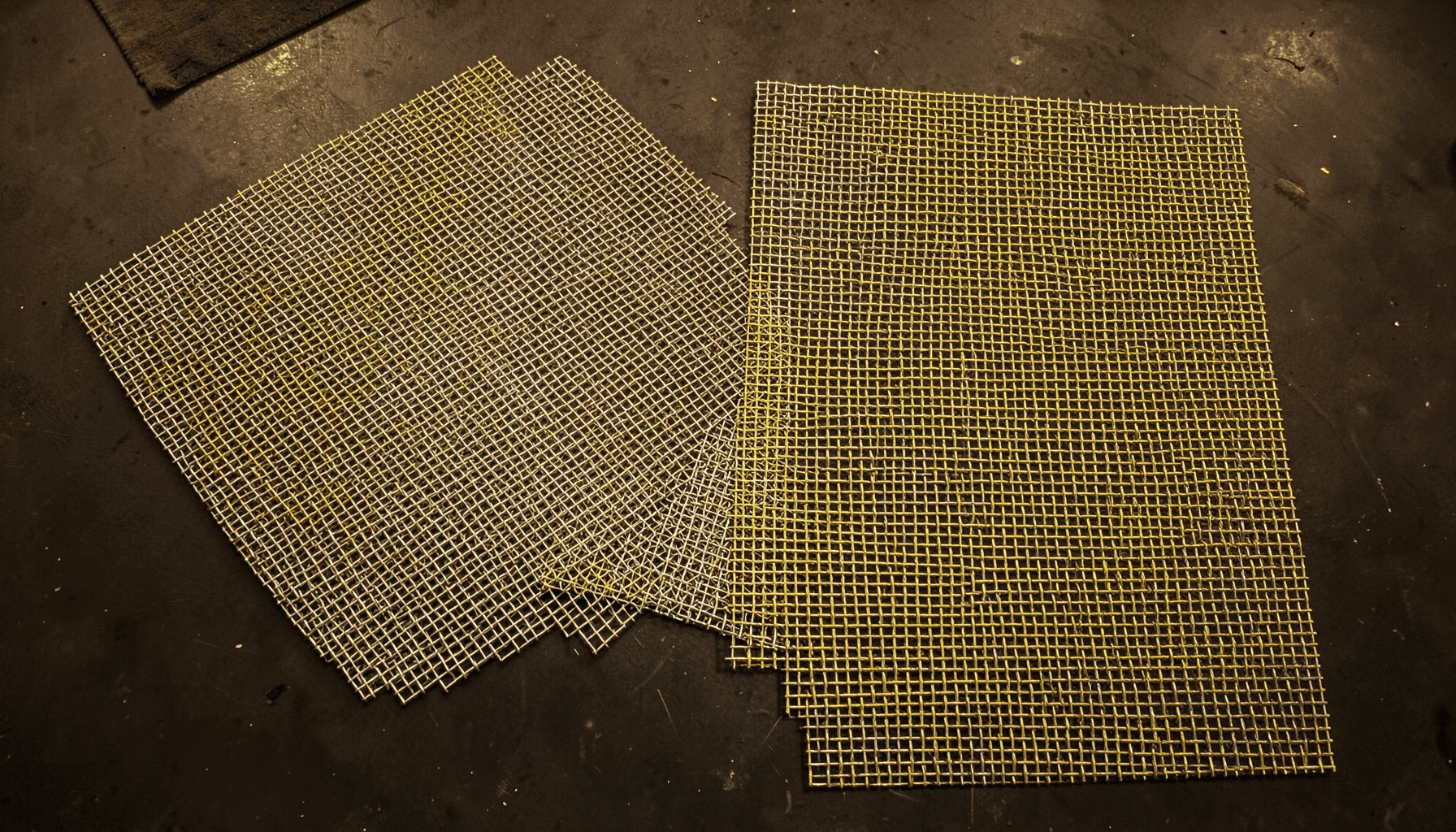
Welded wire mesh provides a structured appearance and consistent openings. It is suitable for garden borders, pet enclosures, trellises, and perimeter fencing where visibility and rigidity are important. Woven wire mesh offers flexibility and a softer visual texture, making it useful for naturalistic landscapes and curved or irregular areas.
Decorative metal mesh panels can create a more distinctive residential feature. Perforated sheet, expanded metal, and laser-cut screens allow customized patterns, repeated motifs, or organic designs inspired by leaves and branches. These panels can be used as fence inserts, garden gates, privacy sections, or partitions between outdoor living areas.
A practical design may combine several formats. Open mesh can run along most of the boundary, with denser decorative screens positioned near an entrance, seating area, or service zone. This approach controls cost and preserves openness while giving the landscape a refined focal point.
Balance privacy, airflow, and visibility
Privacy fencing often becomes visually heavy when it relies on solid boards or opaque sheets. Metal mesh provides another option: it can filter views without completely blocking light or ventilation. The appropriate opening size depends on the desired degree of privacy, the viewing angle, and the distance between the fence and nearby living spaces.
A fine mesh screen can soften views of utility equipment, bins, air-conditioning units, or neighboring properties. A medium-opening pattern may provide enough separation for a patio while retaining airflow. More open panels are generally preferable around planting beds because they allow sunlight to reach vegetation and make the garden appear larger.
The direction of sight should guide the design. A fence may need greater opacity at eye level near a terrace but remain open near the ground to preserve a connection with the garden. Alternating open and screened panels can create privacy zones without turning the entire boundary into a continuous wall.
Climbing plants can further soften a mesh fence, but the support system should be selected carefully. Vines add weight and moisture, and some species grow aggressively through small openings. A strong frame, corrosion-resistant material, and accessible maintenance points help the fence remain stable as the planting matures.
| Mesh fencing option | Visual effect | Suitable residential use | Key considerations |
|---|---|---|---|
| Welded wire mesh | Clean, regular, and open | Pet areas, vegetable gardens, side yards | Rigid panels, reliable spacing, simple maintenance |
| Woven wire mesh | Flexible and lightweight in appearance | Natural gardens, curved borders, animal control | Requires suitable tensioning and edge support |
| Expanded metal | Textured and contemporary | Modern boundaries, screens, gates | Opening shape affects privacy and airflow |
| Laser-cut metal panels | Decorative and distinctive | Entrances, courtyards, feature sections | Pattern, panel size, and back framing need coordination |
| Fine stainless steel mesh | Refined and visually light | Privacy screens, balconies, premium garden zones | Higher material cost with strong corrosion resistance |
| Aluminum mesh | Lightweight and adaptable | Residential fences, partitions, decorative inserts | Finish selection is important for long-term appearance |
Select materials and finishes for long service
Material selection should reflect the local climate, expected contact, and appearance goals. Stainless steel is a strong choice for humid, coastal, or high-use settings where corrosion resistance is a priority. It can retain a clean architectural appearance and is suitable for fencing, gates, screens, and detailed mesh components.
Aluminum offers lower weight and can simplify installation on existing walls, terraces, or lighter support structures. It is well suited to decorative panels and residential boundaries where ease of handling matters. Powder coating or other compatible finishes can provide color control and an additional protective layer.
Iron and carbon steel can provide substantial strength and a traditional or industrial character. These materials should receive an appropriate protective finish, such as galvanizing or durable coating, especially when exposed to rain, irrigation, soil splash, or coastal air. Copper creates a distinctive warm appearance and may develop a natural patina over time, which can suit heritage-style or landscape-led designs.
Finish selection should be considered alongside nearby materials. A matte black fence may recede against dense planting, while bronze, dark green, gray, or natural metallic finishes can coordinate with roofing, paving, timber, stone, or exterior lighting. The finish also affects how visible dust, water marks, and fingerprints will be during everyday use.
Design posts, gates, and edges as one system
A custom fence can lose its visual quality if the panels are carefully designed but the posts and gates appear generic. Posts should align with the mesh grid and follow the rhythm of walls, paving joints, planting beds, or architectural openings. Consistent spacing creates order, especially along long residential boundaries.
Gates deserve particular attention because they are touched and viewed more frequently than standard fence sections. A pedestrian gate may use the same mesh as the adjoining panels, or it may include a denser decorative insert to mark the entrance. Hardware, hinges, latches, handles, and stops should be selected for the gate weight and the exposure conditions.
The bottom edge should respond to the ground. Uneven terrain may require stepped panels, angled mesh, flexible detailing, or carefully planned gaps. A small clearance can help prevent soil contact and allow drainage, but it should not compromise the intended function of the fence. Around pets or small animals, the lower edge may need tighter control.
Frames can add stiffness and improve the finished appearance, particularly for decorative screens and larger gates. A framed panel is easier to align and replace than a loosely supported sheet. For projects involving multiple materials, the frame can act as a visual transition between metal mesh, masonry, timber, or concrete.
Plan installation and maintenance before fabrication
Accurate site information improves both performance and appearance. Measurements should account for slopes, retaining walls, existing trees, drainage channels, gates, utility routes, and property boundaries. A custom manufacturer can use these details to develop panel sizes and connection points that reduce on-site cutting and adjustment.
Foundation conditions also affect the design. Posts may be set into concrete, attached to masonry, fixed to steel supports, or connected to an existing structure. The selected method should suit wind exposure, panel weight, soil conditions, and local building requirements. Taller or more solid mesh screens generally place greater loads on posts and fixings.
Maintenance is usually straightforward when the fence has an appropriate finish and enough clearance from soil and dense vegetation. Periodic washing can remove dust, fertilizer residue, and salt deposits. Hinges and latches should be checked, while damaged coatings should be repaired before corrosion spreads beneath the finish.
Plant growth should be included in the maintenance plan. Shrubs and vines can press against panels, hold moisture, or obscure fasteners. Pruning access and removable sections make it easier to inspect the fence without disturbing established planting. This is especially useful for residential landscapes designed to mature over many years.
Build a coordinated boundary for long-term value
A fence that blends into a garden is usually the result of several small design decisions working together. The mesh opening, panel height, finish, support structure, gate hardware, and relationship to plants all influence how the boundary is perceived. Treating the fence as part of the landscape plan produces a more consistent result than selecting panels after the garden is complete.
The design should also anticipate changes in use. A family may need additional privacy around a patio, a pet area may expand, or a side passage may become a service route. Modular mesh panels, standardized fixing details, and carefully placed posts can make future alterations more manageable.
For custom residential projects, a manufacturer with both architectural and industrial mesh experience can help connect appearance with fabrication requirements. Shuo Ke Wire Mesh Product Technology Co., Ltd. provides metal mesh products and processing for decorative, protective, and functional applications. Its capabilities include customized fences, gates, guardrails, screens, partitions, and related mesh components in multiple metals and finishes.
When developing a garden boundary, prepare a site plan, identify the required functions, and select reference images for the desired style. Share the preferred material, opening pattern, dimensions, finish, gate requirements, and environmental conditions with the manufacturer. A clear specification allows the design to be refined before production and helps create a fence that belongs naturally within the residential landscape.
- Define whether the boundary is intended for privacy, pet control, planting protection, security, or visual separation.
- Select the mesh opening and panel height according to sightlines, airflow, sunlight, and local conditions.
- Coordinate the metal finish with the home exterior, paving, planting, lighting, and garden furniture.
- Confirm post foundations, gate hardware, drainage gaps, and maintenance access before fabrication.
- Request customized drawings or samples to check proportion, pattern, color, and installation details.
A thoughtfully made metal mesh fence can protect a garden without overpowering it. With the right material, scale, pattern, and finish, the boundary can frame planting, support outdoor living, and add lasting architectural value. Contact Shuo Ke Wire Mesh Product Technology Co., Ltd. to discuss customized garden fencing, decorative screens, gates, and related metal mesh solutions for a residential landscape.