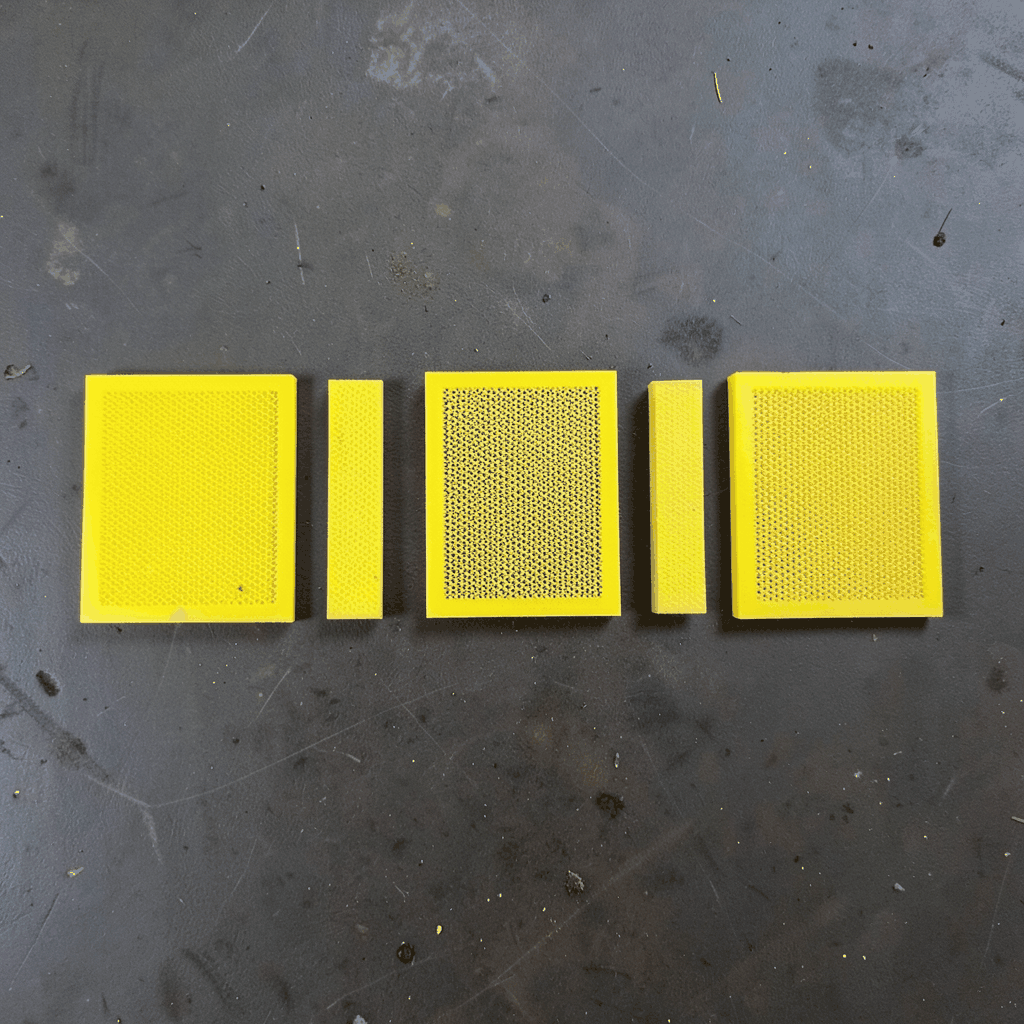
Custom mesh grates for demanding commercial and industrial floors
Floor drains are small components with a major influence on hygiene, safety, maintenance, and visual quality. In commercial kitchens, production plants, shopping centers, hotels, hospitals, and public buildings, a drain cover must manage water, debris, traffic, cleaning chemicals, and repeated loading without becoming a weak point in the floor system.
Standard drain grates may be adequate for simple applications, but many projects require a different combination of opening size, load capacity, corrosion resistance, finish, and dimensions. Custom metal mesh grates allow designers, contractors, and facility managers to match the drainage assembly to the actual environment rather than adapting the floor to an off-the-shelf product.
Shuo Ke Wire Mesh Product Technology Co., Ltd. manufactures and processes metal mesh products for architectural and industrial use. Its experience with stainless steel, aluminum, copper, iron, and other alloys supports drainage solutions that combine practical engineering with a clean, coordinated appearance.
Why custom drainage grates matter
Commercial and industrial floors are exposed to conditions that vary considerably from one area to another. A food-processing room may require frequent hot-water washing and strict sanitation, while a factory floor may need to withstand forklifts, pallet trucks, metal shavings, oils, and abrasive particles. A hotel lobby has different priorities again, with appearance and walking comfort receiving greater attention.
A custom grate can be designed around the drainage channel, floor opening, surrounding tiles, and expected traffic. This helps reduce gaps, rocking, raised edges, and poorly supported covers. Accurate fabrication also makes it easier to coordinate the grate with waterproofing layers, trench drains, removable access points, and sloped flooring.
The mesh pattern itself affects performance. Openings must allow water to pass quickly while limiting the entry of solids that could clog the pipework. Smaller openings can improve foot safety and debris control, whereas larger openings may provide better flow in areas exposed to heavy washdown. The correct balance depends on the liquid volume, debris type, cleaning routine, and drainage infrastructure below the grate.
Selecting metal for the operating environment
Stainless steel is widely used for drain grates because it combines strength, cleanability, and resistance to moisture. Grades such as 304 stainless steel are suitable for many commercial interiors, while 316 stainless steel can provide greater resistance in environments exposed to chlorides, salt, aggressive cleaning agents, or coastal air. Surface treatment and fabrication quality remain important because crevices and rough welds can collect contamination.
Aluminum offers low weight and good corrosion resistance, which can be useful for removable covers or projects where handling access panels frequently is necessary. It may be less suitable than stainless steel for high-impact industrial floors unless the profile and support structure are engineered for the expected load. Copper can create a distinctive architectural appearance, although its natural patina and chemical compatibility should be considered before specification.
Carbon steel and iron mesh can serve heavy-duty or protected applications when finished with galvanizing, powder coating, paint, or another suitable protective system. The choice should account for standing water, cleaning chemicals, temperature changes, and the possibility of coating damage. Material selection is most reliable when the manufacturer receives clear information about the operating environment rather than only the requested dimensions.
| Application area | Common material choice | Important design priorities | Typical finish considerations |
|---|---|---|---|
| Commercial kitchen | 304 or 316 stainless steel | Hygiene, washdown flow, slip safety, frequent removal | Smooth brushed or polished surface |
| Food or pharmaceutical production | 316 stainless steel | Chemical resistance, cleanability, controlled openings | Low-crevice welded construction |
| Factory workshop | Stainless steel, galvanized steel, or coated steel | Impact resistance, load support, oil and debris management | Protective coating or industrial finish |
| Hotel, retail, or office area | Stainless steel, aluminum, or copper | Appearance, walking comfort, coordinated detailing | Decorative brushed, polished, or colored finish |
| Outdoor municipal space | 316 stainless steel, galvanized steel, or aluminum | Weather resistance, public safety, drainage capacity | Corrosion-resistant treatment |
Designing openings for flow and safety
A drain grate is effective only when its open area matches the drainage requirement. A mesh panel with very small apertures may look neat but restrict water movement or collect dirt quickly. A wide opening may increase flow while creating a trip hazard or allowing tools, stones, and large debris to enter the drain. For this reason, aperture size should be evaluated together with the drain channel width, water depth, slope, and cleaning method.
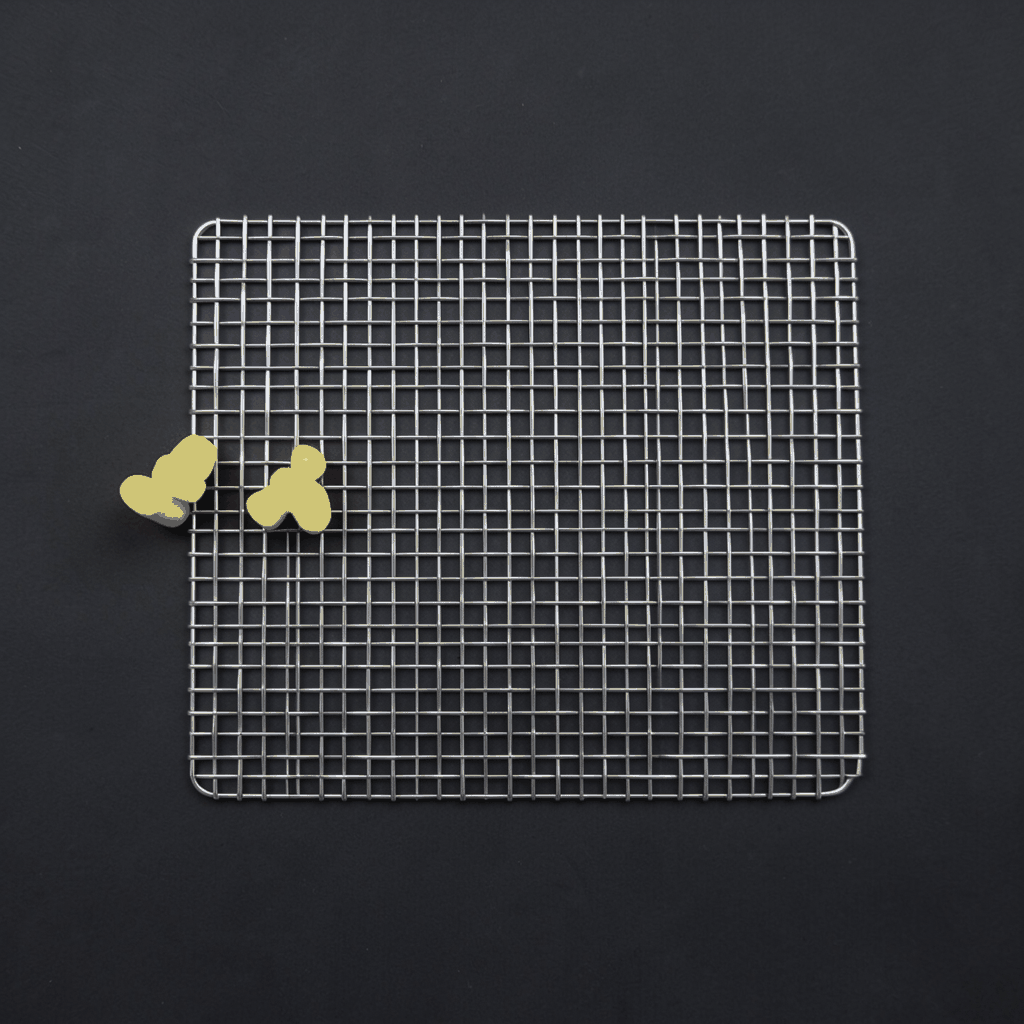
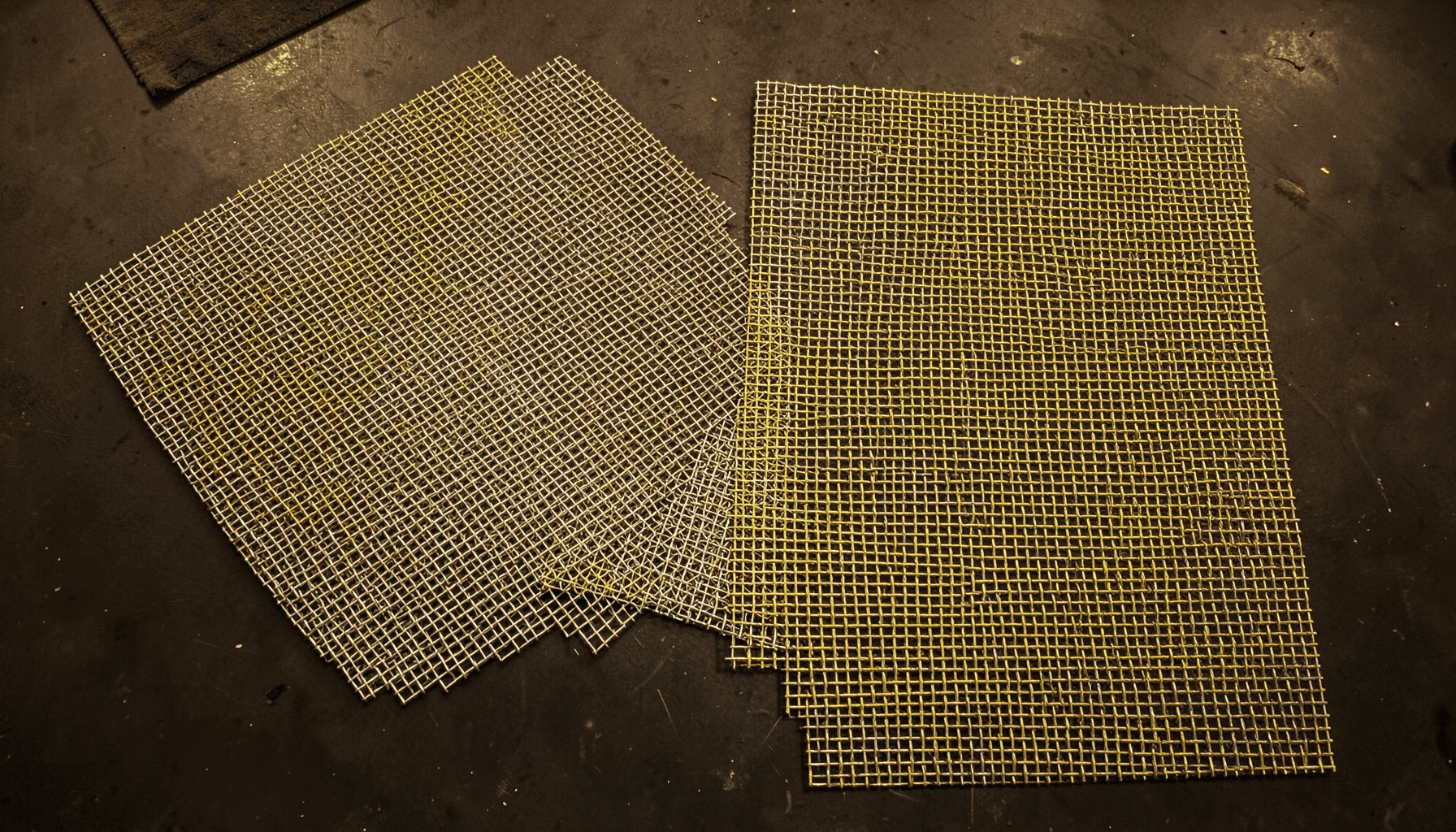
The shape of the opening also influences performance. Woven wire mesh can provide a regular pattern and high open area, while expanded metal offers a lightweight structure with directional openings. Perforated sheet, welded mesh, and decorative metal panels may be selected when a project needs a particular strength-to-weight ratio or appearance. Reinforcing bars, folded edges, frames, and support rails can be added to prevent deflection under load.
Foot traffic requires special attention in public and commercial areas. Openings should be narrow enough to reduce the risk of catching heels, canes, wheels, or small equipment. The grate surface should sit flush with the finished floor, and edges should be smooth and securely contained. In wet zones, drainage design should work with the floor texture and overall slip-resistance strategy rather than treating the grate as an isolated component.
Matching grates to interior and exterior design
Drainage hardware is often located in visible areas, including hotel entrances, restaurant kitchens, shopping centers, wellness facilities, and architectural courtyards. A carefully selected mesh pattern can support the visual language of the surrounding space. Brushed stainless steel provides a restrained technical appearance, while bronze-toned finishes, copper, or patterned panels can create a stronger decorative feature.
Coordination with nearby metalwork is useful when a project includes partitions, wall cladding, elevator surrounds, balustrades, or decorative screens. The relationship between aperture shape, line direction, color, and surface sheen can make separate components appear intentionally designed. Guidance on matching metal patterns can help teams develop a consistent visual approach across functional and decorative surfaces.
Outdoor grates may need to complement paving, landscape edging, gates, fences, and municipal street furniture. In these settings, the finish must withstand weather while maintaining an acceptable appearance. A custom manufacturer can adjust panel proportions, frame details, and surface treatment so that a drainage cover supports the surrounding design without compromising service access.
Load capacity and fabrication details
Load requirements should be identified before the mesh type is chosen. A grate used only by pedestrians has different structural needs from one crossed by carts, forklifts, delivery vehicles, or maintenance machinery. The expected load should include static weight, rolling impact, vibration, and the span between supports. A narrow panel with continuous bearing may perform very differently from a broad cover supported only at its ends.
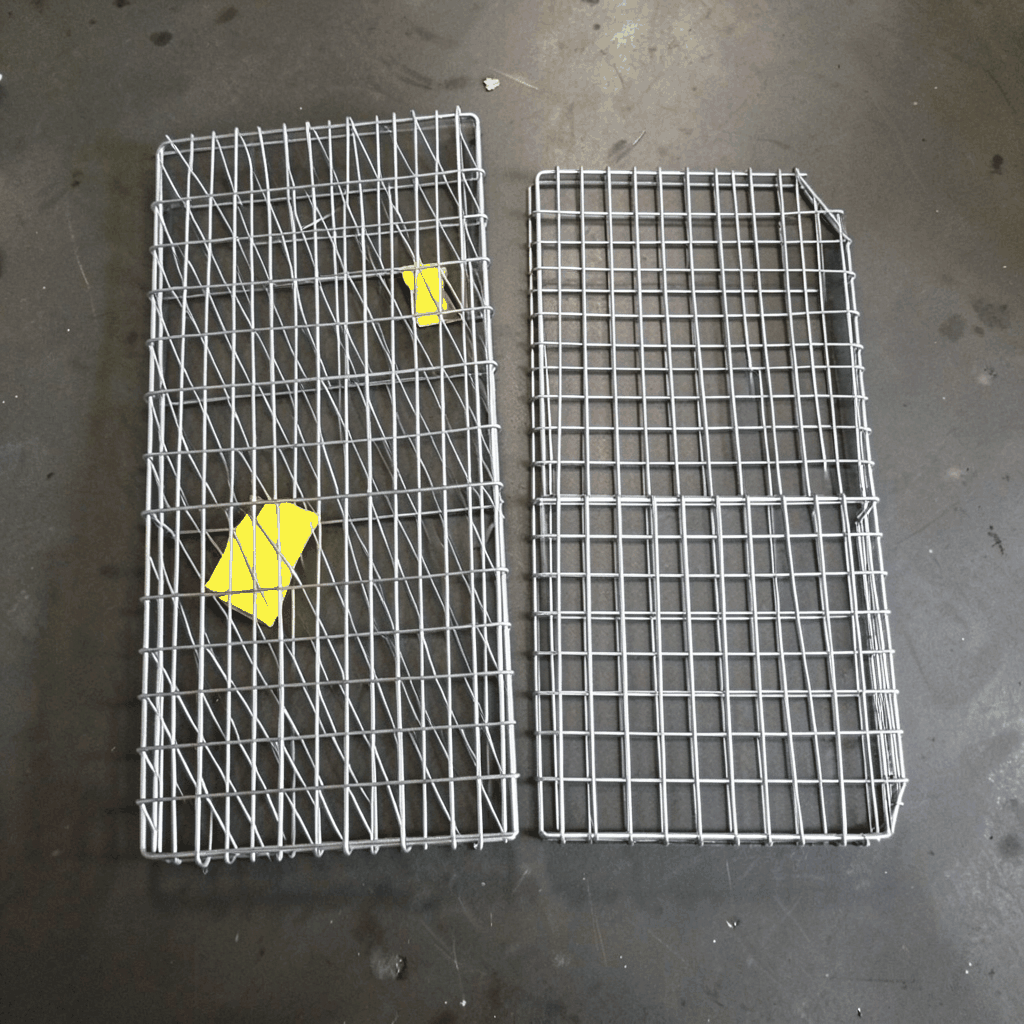
Custom fabrication can include perimeter frames, angle supports, folded returns, crossbars, lifting holes, hinges, locking devices, and removable sections. These details influence installation time and long-term serviceability. A framed grate is often easier to align and remove, while a reinforced panel may be preferable where heavy equipment passes over the drain.
Welding, cutting, bending, and finishing should be controlled to preserve both strength and hygiene. Stainless steel components may require careful weld cleaning and passivation where corrosion resistance is important. Sharp corners, exposed burrs, incomplete joints, and poorly finished transitions can create safety and cleaning problems. Clear drawings should show tolerances, support conditions, fasteners, and the relationship between the grate and finished floor level.
Planning installation and maintenance
Even a well-designed grate can perform poorly if the surrounding drainage assembly is not prepared correctly. The channel or sump must be level, adequately supported, and installed at the correct elevation. Floor slopes should direct water toward the openings without leaving stagnant areas around the frame. Sealants, bedding materials, and fixings should be compatible with the selected metal and cleaning chemicals.
Removability is a key maintenance consideration. Commercial and industrial drains may need regular inspection, flushing, filter cleaning, or removal of accumulated solids. A cover that is too heavy, lacks lifting access, or depends on difficult-to-replace fasteners can increase labor and safety risks. Hinged sections, lift-out panels, or tool-accessible locks can make routine servicing more practical.
Cleaning requirements also affect the mesh design. Narrow, smooth, accessible surfaces are generally easier to wash and inspect than complex assemblies with deep recesses. Where sanitation is critical, the grate should avoid unnecessary crevices and retain minimal residue after cleaning. A maintenance schedule should define inspection frequency, corrosion checks, fastener replacement, and the safe handling method for removable panels.
Specification recommendations for project teams
The most reliable purchasing process starts with a complete application brief. Contractors and buyers should provide the manufacturer with the opening dimensions, support arrangement, material preference, finish, load class, environment, quantity, and any relevant drawings. Photographs of the installation area can also clarify access restrictions, floor levels, and nearby equipment.
Before production, the design should be reviewed for drainage capacity, safe opening dimensions, edge details, removable access, and compatibility with the floor finish. Samples or finish references may be useful for visible architectural applications. For larger projects, a prototype panel can verify fit, rigidity, cleaning access, and appearance before the full order is manufactured.
Useful recommendations include:
- Specify the liquid type, debris conditions, cleaning chemicals, and expected traffic.
- Select the metal grade and surface finish according to corrosion exposure and hygiene requirements.
- Confirm aperture size, open-area ratio, support span, and load capacity with the fabricator.
- Require smooth edges, secure seating, accurate dimensions, and suitable weld finishing.
- Include removal, inspection, and replacement procedures in the maintenance plan.
Custom mesh grates are most valuable when they are treated as engineered floor components rather than generic covers. The right material, mesh pattern, frame, finish, and access method can improve water management while reducing trip risks, corrosion, cleaning difficulty, and premature replacement.
Shuo Ke Wire Mesh Product Technology Co., Ltd. can support projects that require tailored metal mesh fabrication for commercial, industrial, architectural, and municipal environments. Share the opening drawings, operating conditions, material preferences, and finish requirements with its technical team to develop a drain grate solution suited to the floor system and the demands of daily service.