Custom Mesh Grilles for Radiator Covers and Heat Exchangers
Metal grilles around radiators and heat exchangers have a practical job: they must protect equipment, permit reliable airflow, and suit the surrounding architecture. A well-designed grille can also conceal bulky services, improve the appearance of a plant room, and provide a clean finish for a public or commercial interior.
The right solution depends on much more than the pattern cut into the sheet. Open area, mesh thickness, material selection, corrosion exposure, access requirements, noise, and installation clearances all affect performance. A decorative panel that looks excellent in a showroom may restrict convection or make routine maintenance unnecessarily difficult.
Australian buildings bring their own requirements. A radiator cover in a Melbourne apartment may face long winter heating cycles, while an outdoor heat exchanger in Brisbane must cope with humidity and intense summer conditions. Equipment near Perth’s coast, industrial areas around Newcastle, or dusty regional sites may require additional attention to corrosion, cleaning, and airflow.
A manufacturer experienced in architectural and industrial mesh can develop the grille around the equipment rather than treating it as a standard off-the-shelf panel. Stainless steel, aluminium, copper, mild steel, and coated alloys each offer different advantages for indoor screens, external enclosures, ventilation panels, and protective guards.
Designing for airflow and heat transfer
Air movement is the first consideration when a grille is fitted over a radiator, condenser, coil, or heat exchanger. The visible mesh pattern may appear open, yet the actual free area can be reduced by frame members, folded edges, louvres, fixings, dust, and the depth of the enclosure. These factors can increase pressure drop and make fans or natural convection work harder.
A custom grille should therefore be assessed by its percentage of open area and its position in relation to the heat source. A panel placed directly against a radiator can restrict convection, even when the mesh itself is relatively open. A stand-off frame or ventilated cavity may improve air circulation and reduce hot spots. For fan-assisted systems, the grille should be checked against the equipment’s airflow and allowable pressure-loss data.
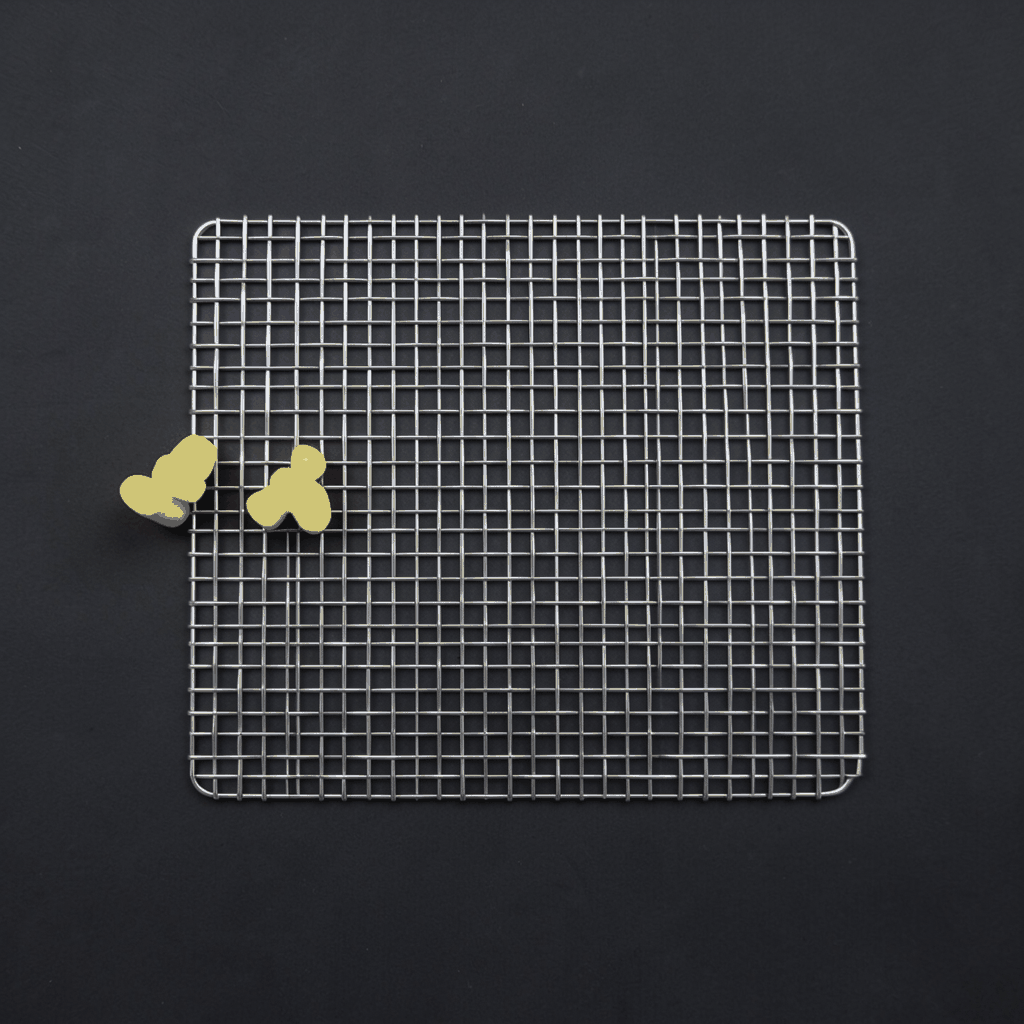
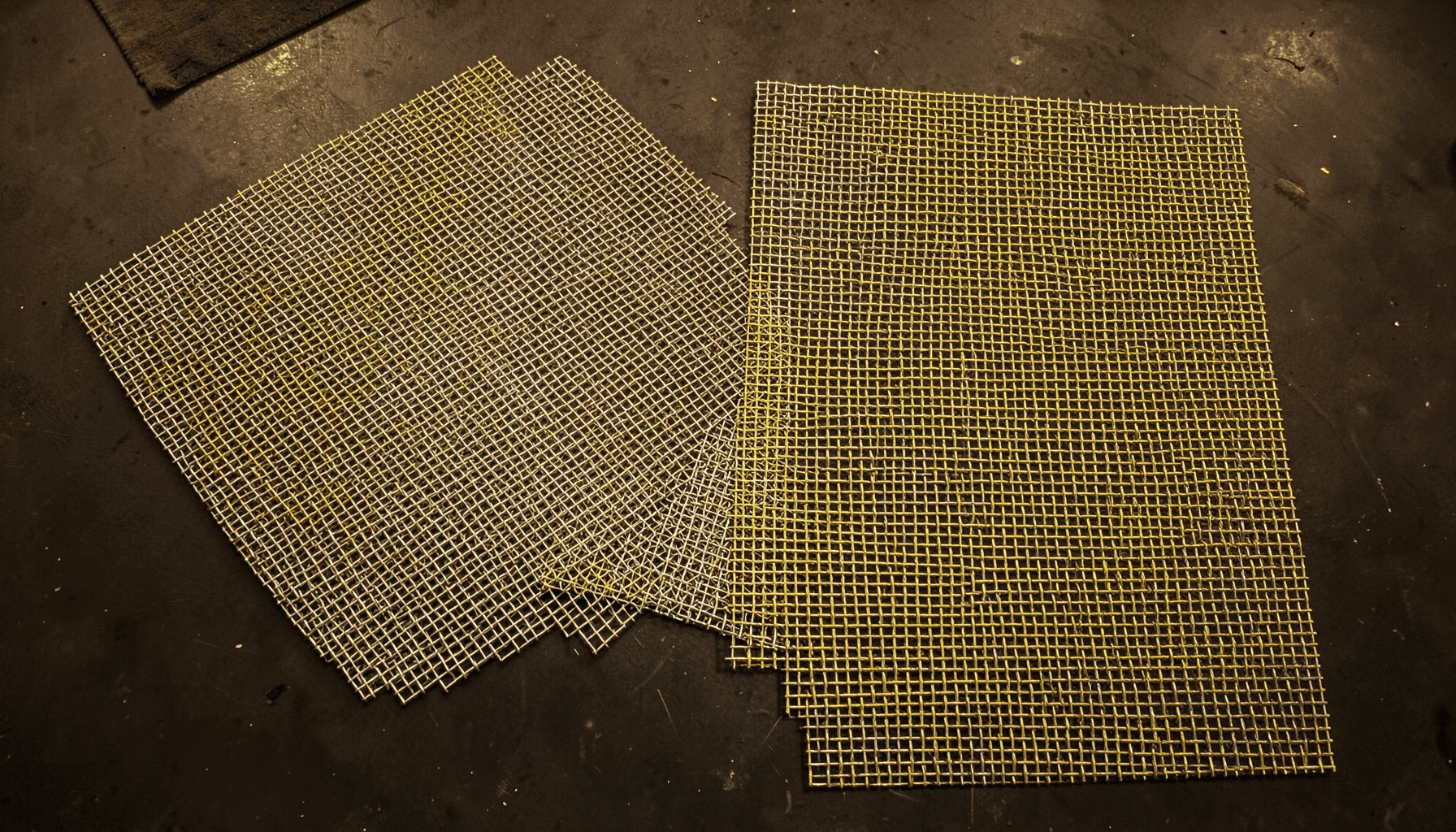
Perforated sheet, expanded metal, woven wire mesh, and decorative architectural mesh each behave differently. Perforated panels provide a regular appearance and can be specified with precise hole sizes and pitches. Expanded metal offers strength with broad airflow paths. Woven mesh supports fine screening, while architectural metal mesh can create a more expressive façade or interior feature. Selection should balance thermal performance with the required level of visual screening.
Choosing materials for Australian conditions
Stainless steel is often selected for exposed radiator guards, marine-adjacent sites, food-processing areas, and commercial buildings where a cleanable surface is important. Grades such as 304 and 316 may be considered according to the environment, with 316 generally offering better resistance in chloride-rich coastal locations. The correct grade, finish, weld quality, and cleaning method still need to be reviewed as a complete system.
Aluminium is lightweight and useful where a large grille must be supported by a modest frame. It can be anodised or powder coated in a broad range of colours, making it suitable for commercial façades, retail fit-outs, and apartment interiors. Copper and brass can provide a distinctive architectural finish, while galvanised or coated steel may suit robust industrial guards and service areas where impact resistance is a priority.
Australia’s climate varies sharply from one project to another. Salt-laden air around Sydney’s eastern suburbs, the Gold Coast, or Fremantle can accelerate corrosion, while red dust in inland areas may settle on fine mesh and reduce ventilation. A grille specification should account for exposure, wash-down practices, UV radiation, temperature, and the compatibility of dissimilar metals at fixings and joints.
Balancing protection, appearance, and access
Radiator covers are frequently installed in spaces where people move close to the equipment. Schools, hotels, hospitals, offices, and apartment buildings may require rounded edges, secure fixings, and a mesh aperture that prevents fingers or objects from reaching hot surfaces and moving components. The grille should be rigid enough to resist accidental impact without becoming excessively heavy.
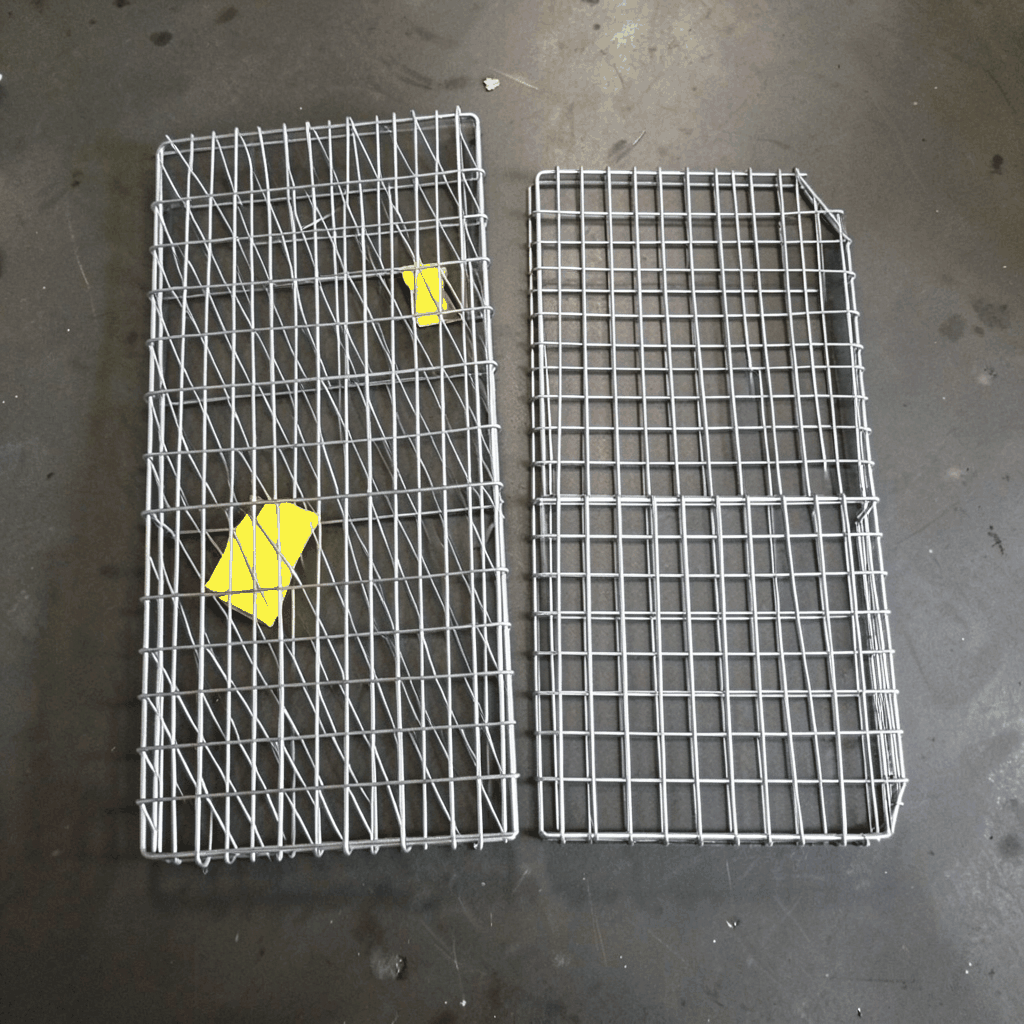
For heat exchangers and condenser assemblies, the protective screen may need to stop larger debris, leaves, tools, or unauthorised contact while preserving service access. Hinged panels, lift-off sections, removable frames, and captive fasteners can simplify inspection and cleaning. The best access arrangement depends on whether technicians need to reach filters, coils, valves, fans, electrical connections, or drain points.
Appearance also matters when plant is visible from a reception area, terrace, courtyard, or street frontage. Laser-cut panels can carry geometric patterns, branding elements, or a site-specific motif, while woven and perforated mesh create more subtle screening. A decorative grille should retain sufficient ventilation and should not place fragile details directly in high-impact locations.
For projects where radiant heat, ventilation, and screened equipment must work together, a thermal design resource can help inform early discussions about heat movement and enclosure performance. The final grille design should still be coordinated with the mechanical engineer and the equipment supplier.
Selecting patterns, apertures, and finishes
The mesh aperture should be chosen according to the equipment, safety purpose, cleaning regime, and visual goal. Fine woven wire mesh can provide detailed screening but may collect dust, lint, and insects. Larger expanded-metal openings are easier to clean and can provide excellent ventilation, although they may offer less concealment. Perforated sheet gives a consistent manufactured look and can be specified with round, square, slotted, or custom openings.
Pattern direction can influence both appearance and rigidity. A regular perforation may suit a contemporary office, while a diamond expanded mesh can complement an industrial setting. Decorative architectural mesh may introduce texture and filtered transparency without making the enclosure look closed. In a residential renovation, a powder-coated grille in a colour matched to joinery or wall finishes can make a radiator cover feel integrated rather than added later.
Finish selection should follow the service environment. Powder coating provides colour and additional protection on suitable metals, while anodising is valued for aluminium’s surface durability and consistent metallic appearance. Brushed stainless steel can hide minor marks in high-traffic locations, and polished finishes may be reserved for feature areas where regular cleaning is practical.
Designers should also consider glare, shadow, and the appearance of the grille under artificial lighting. A pattern that looks dense in daylight may appear almost solid at night when equipment lighting sits behind it. Samples or small prototype sections are useful for assessing transparency, colour, edge treatment, and the relationship between the grille and the concealed radiator or exchanger.
Engineering, manufacture, and installation details
A reliable custom mesh grille begins with accurate project information. Useful details include equipment dimensions, operating temperature, fan direction, required access, mounting points, site exposure, preferred material, finish, and target free area. Photographs, drawings, and a simple clearance zone around the equipment can help the manufacturer identify clashes before fabrication begins.
Frames may be folded from sheet, welded from angle or tube, or assembled from extruded profiles. The choice affects rigidity, weight, appearance, and installation time. Large panels may require intermediate stiffeners to prevent vibration or drumming, particularly near fans. Isolation pads and suitable fasteners can reduce contact noise and help prevent galvanic corrosion between unlike metals.
For industrial applications, the grille should be coordinated with guarding requirements, emergency access, lockout procedures, and safe maintenance clearances. Where a panel forms part of a building façade or external plant enclosure, structural loading, wind exposure, drainage, and fixing strength must be reviewed by the relevant project professionals. Australian projects may also need coordination with the National Construction Code, applicable state requirements, and engineer-specified fire or structural provisions.
Fabrication quality has a direct effect on service life. Clean edges, consistent apertures, accurate folds, sound welds, and properly prepared coating surfaces help the grille remain safe and presentable. Before delivery, panels should be checked against approved drawings, equipment clearances, finish samples, and the installation sequence. This is especially valuable on projects in remote Queensland, Western Australia, or regional New South Wales, where replacing an incorrect panel can delay commissioning.
A custom grille should be treated as part of the thermal and architectural system, rather than as a final decorative add-on. Sharing equipment data with the mesh manufacturer early allows open area, material, access, and fixing details to be resolved before the enclosure reaches site. It also gives architects, builders, mechanical contractors, and facility managers a clearer path from design approval to installation.
Send Shuo Ke Wire Mesh Product Technology Co., Ltd. the equipment dimensions, operating conditions, site location, preferred finish, and access requirements for a tailored grille proposal. With the right information, stainless steel mesh, aluminium screens, perforated panels, expanded metal, or laser-cut designs can be developed into durable radiator covers and heat exchanger guards suited to Australian projects.