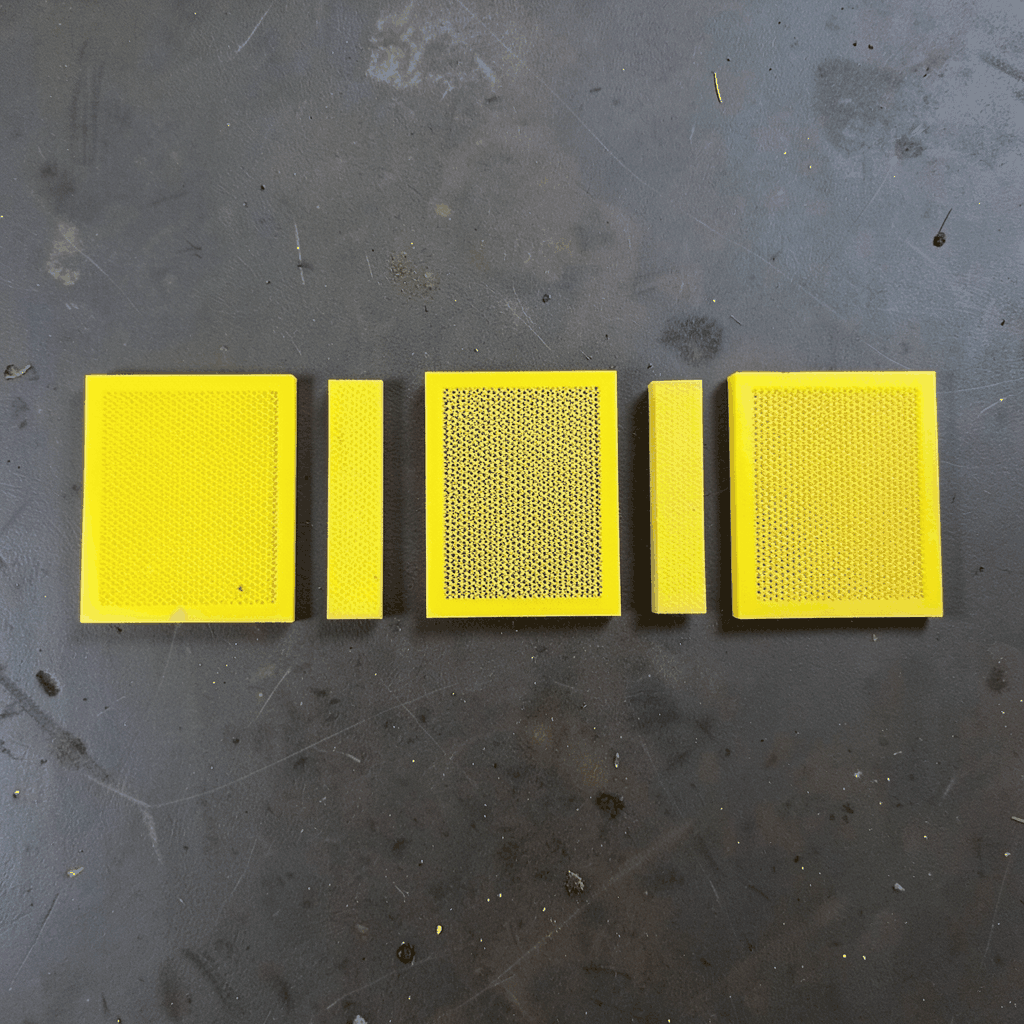
Custom mesh guards for industrial fan and blower intakes
Industrial fans and blowers draw air through exposed inlets, creating a hazard when rotating components, stored materials, or maintenance tools can reach the blades. A purpose-made wire mesh guard provides a physical barrier while preserving the airflow required by the equipment. It is a practical control for workshops, factories, warehouses, water-treatment facilities, mines and commercial buildings across Australia.
Shuo Ke Wire Mesh Product Technology Co., Ltd. produces and processes metal mesh products in stainless steel, aluminium, copper, iron and other alloys. Its custom mesh capability supports protective screens for axial fans, centrifugal blowers, dust-collection systems and ventilation equipment. The most effective guard is designed around the fan, its operating environment and the specific risks at the site rather than simply fitted over an opening.
Why intake protection matters in Australian industry
An unprotected fan inlet can expose workers to moving blades, fingertips and flying debris. These risks are particularly relevant in facilities that run equipment for extended periods, including food processing plants in Melbourne, manufacturing operations in Sydney and mining workshops in Western Australia. A mesh barrier reduces access to the danger zone and can also prevent loose objects from entering the housing.
Guarding is only one part of a safe system. Isolation, lockout and tagout, testing and the removal of stored hazards remain necessary before anyone opens a guard. The mesh should therefore form part of a documented risk-control strategy, with enough rigidity and secure mounting that it cannot be displaced during normal operation. It should never be treated as permission to work on a running fan.
Airflow performance is equally important. Excessively fine mesh, overlapping layers or a poorly sized frame can restrict the inlet and increase motor load. That matters during the hot months, when cooling systems already operate near their limits, and in dusty conditions that cause filters and fan housings to accumulate debris. The guard should control access without creating a new pressure or heat problem.
Engineering a guard around the airflow
Custom mesh guards for industrial fan and blower intakes should be based on the airflow duty, blade-tip speed, inlet diameter and expected contamination. Engineers also need to know whether the equipment handles ordinary dust, fibres, sparks, corrosive vapours or combustible material. A site photograph may establish the layout, but it cannot replace measurements or operating data.
The aperture size and wire diameter determine both protection and free area. A guard intended to exclude debris may use a different opening from one designed primarily to prevent finger contact. The selected geometry should be checked against the relevant machinery-guarding requirements and the hazard assessment for the machine. It must also remain stable under vibration, accidental contact and the repeated pressure changes produced by a running fan.
Open-area calculations are a useful starting point, but actual performance should be confirmed from fan curves or measured operating data. The finished assembly can add resistance even when its percentage open area appears acceptable. Where operating conditions are critical, the fan supplier can compare the guarded arrangement with the original inlet specification and identify any reduction in airflow.
Guard construction also affects long-term performance. Sharp cut ends, irregular welds and poorly seated panels can create vibration or damage nearby equipment. Smooth edges, consistent welds, positive fasteners and adequate clearance from rotating parts make the barrier safer and easier to maintain. A frame that can be removed without tools may encourage inspection, provided it cannot readily be left off during operation.
Selecting materials for Australian operating conditions
Material selection should reflect the atmosphere around the inlet rather than only the appearance of the equipment. Grade 304 stainless steel suits many indoor and sheltered applications, while grade 316 is generally more appropriate for coastal exposure. Sydney, Wollongong and parts of Melbourne experience salt-laden air that can accelerate corrosion of fasteners and lower-grade metals, particularly at crevices and dissimilar-metal junctions.
Brisbane and other humid Queensland locations require close attention to condensation, washdown chemicals and galvanic corrosion. Aluminium offers a light-weight option for removable guards, but it needs suitable isolation from incompatible metals. Powder-coated or galvanised steel can provide economical protection where the environment is moderate. Copper has specialist uses where appearance, conductivity or chemical compatibility matters, although it requires careful fabrication and fastening.
Heat, dust and bushfire conditions can influence the design in other ways. Perth and inland industrial areas may encounter high ambient temperatures and windblown grit, while smoke and fine particles can rapidly foul an inlet. The selected finish should withstand cleaning methods and ultraviolet exposure if the guard is outdoors. Stainless steel still requires sensible detailing; embedded carbon steel, contaminated fasteners and trapped moisture can create local corrosion sites.
For dusty extraction or potentially combustible atmospheres, an ordinary woven screen may be unsuitable. The equipment supplier and site safety professionals should determine whether special grounding, non-sparking components or an explosion-protected arrangement is required. A decorative architectural finish should never be allowed to override the technical requirements of a hazardous installation.
Matching guards with site and compliance needs
The guard must suit the equipment housing as well as the operating duty. Circular axial-fan inlets, rectangular blower openings and large ventilation apertures each require different frames. Common details include bolt-on rings, flanges, hinged panels, lifting handles, access panels and screens that can be withdrawn for inspection. A removable section can support filter changes without removing the complete guard.
Local procurement teams often need a product that can be matched to existing plant dimensions and maintenance practices. Australian facilities frequently operate Australian-standard pipework, electrical equipment and access clearances, and many run production or extraction systems continuously. The mesh specification should therefore be coordinated with maintenance planners, mechanical fitters, electrical personnel and the original equipment manufacturer before fabrication begins.
Safe Work Australia’s model work health and safety laws impose risk-management duties for plant and equipment, while individual states and territories apply their own regulatory requirements and codes of practice. Depending on the installation, references may include AS 1760 guidance for air-moving plant, AS/NZS 2918 principles for machinery guarding and the applicable electrical safety rules. These documents should be checked in their current form against the machine and site rather than cited as automatic proof of compliance.
A competent risk assessment remains central to the decision. It should identify how the fan could be approached during operation or maintenance, what can enter the inlet and how the guard might affect safe isolation. Documentation can include dimensions, material grade, mesh specification, fastener details, airflow information and photographs of the completed installation. Clear records make future inspections and replacement parts easier.
Practical specification and fabrication choices
Shuo Ke can develop a mesh guard from drawings, site measurements and operating requirements. Giving the fabricator complete information at the start reduces reliance on assumptions and helps distinguish a production intake guard from a temporary debris screen.
Supply these project details:
- Fan diameter, airflow rate and duty-cycle information
- Blade type, rotation direction and available clearances
- Dust, moisture, chemical or temperature exposure
- Preferred mounting method and site access restrictions
Confirm these design features:
- Required mesh aperture and wire diameter
- Stainless, aluminium or coated steel selection
- Removable sections, handles or hinged access
- Edge treatment, fastening and finish requirements
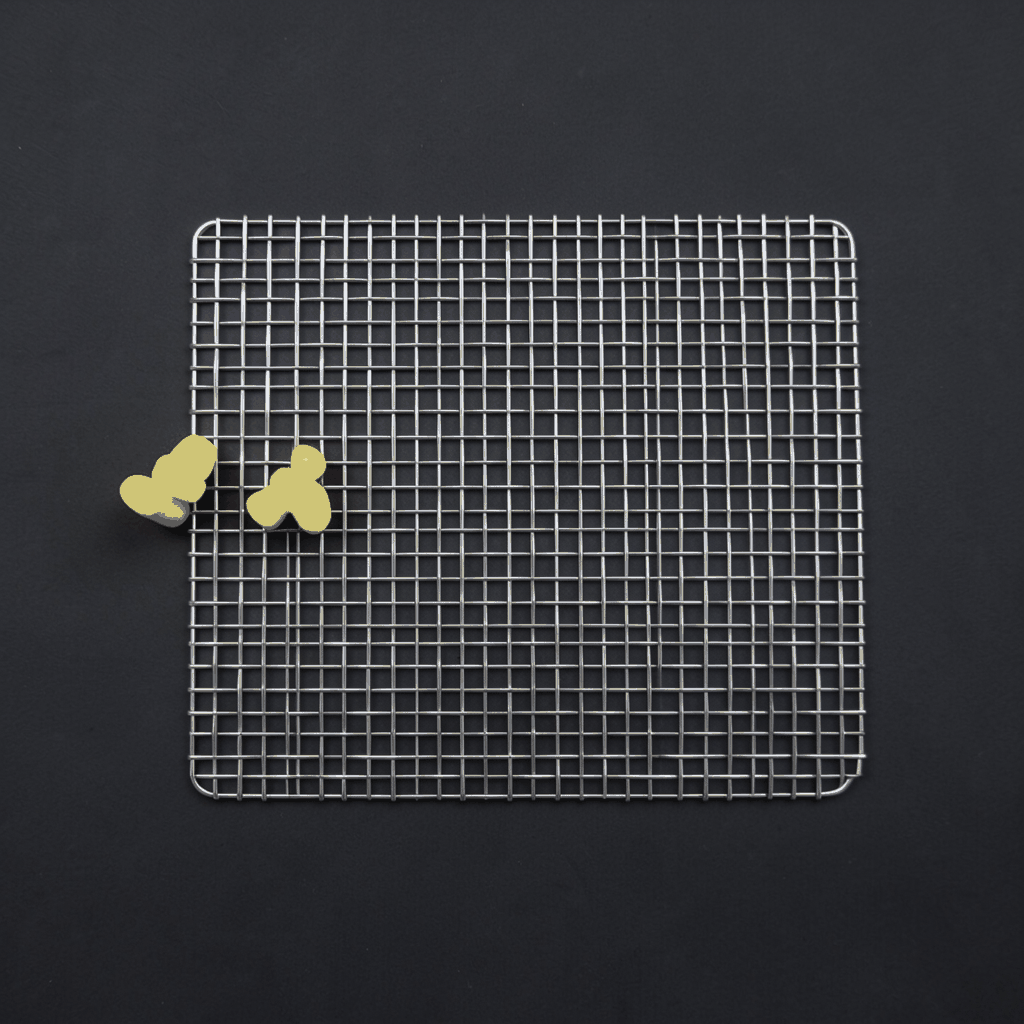
The fabrication process combines custom dimensions with appropriate mesh, frames and fastening details. Laser-cut screening can create shaped openings and mounting features, while woven or welded industrial mesh provides the protective field. Depending on the application, the assembly may include support rings, divided panels, lifting points, stiffeners and corrosion-resistant hardware.
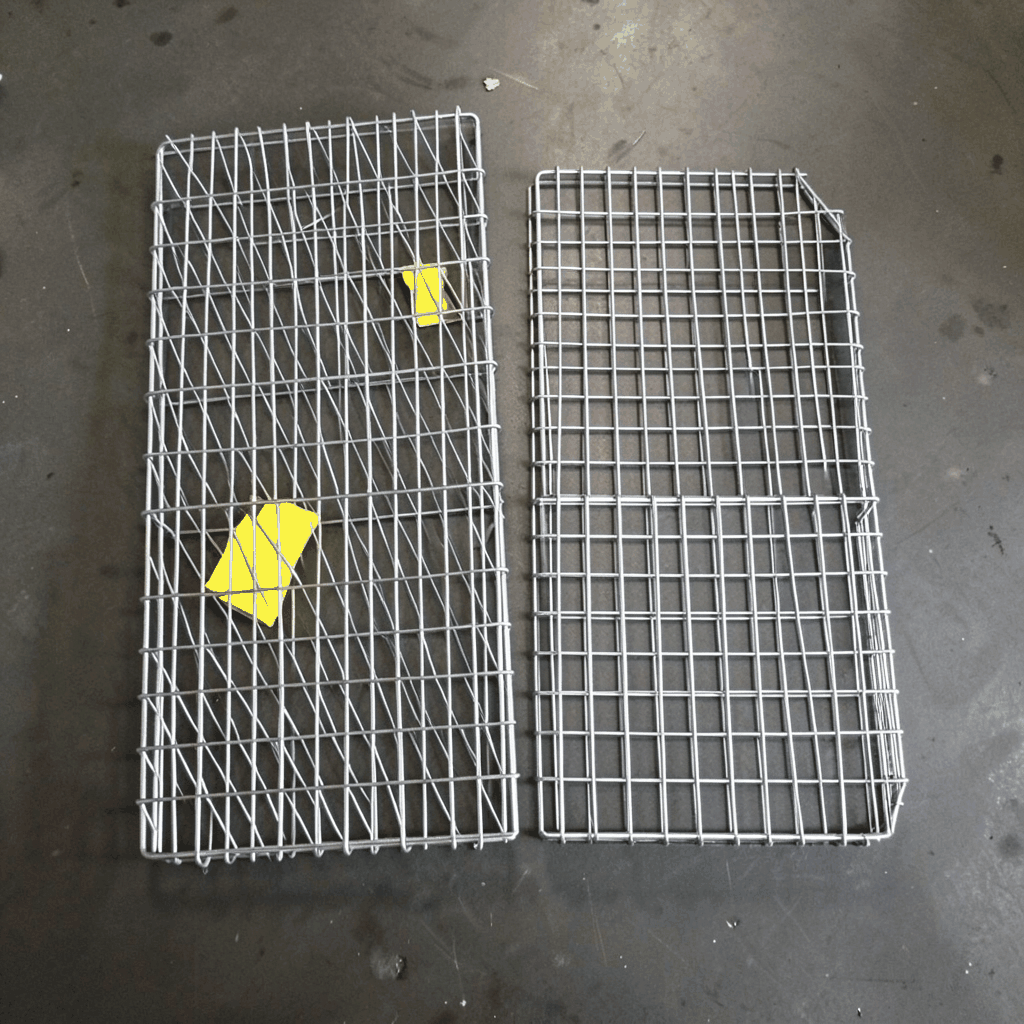
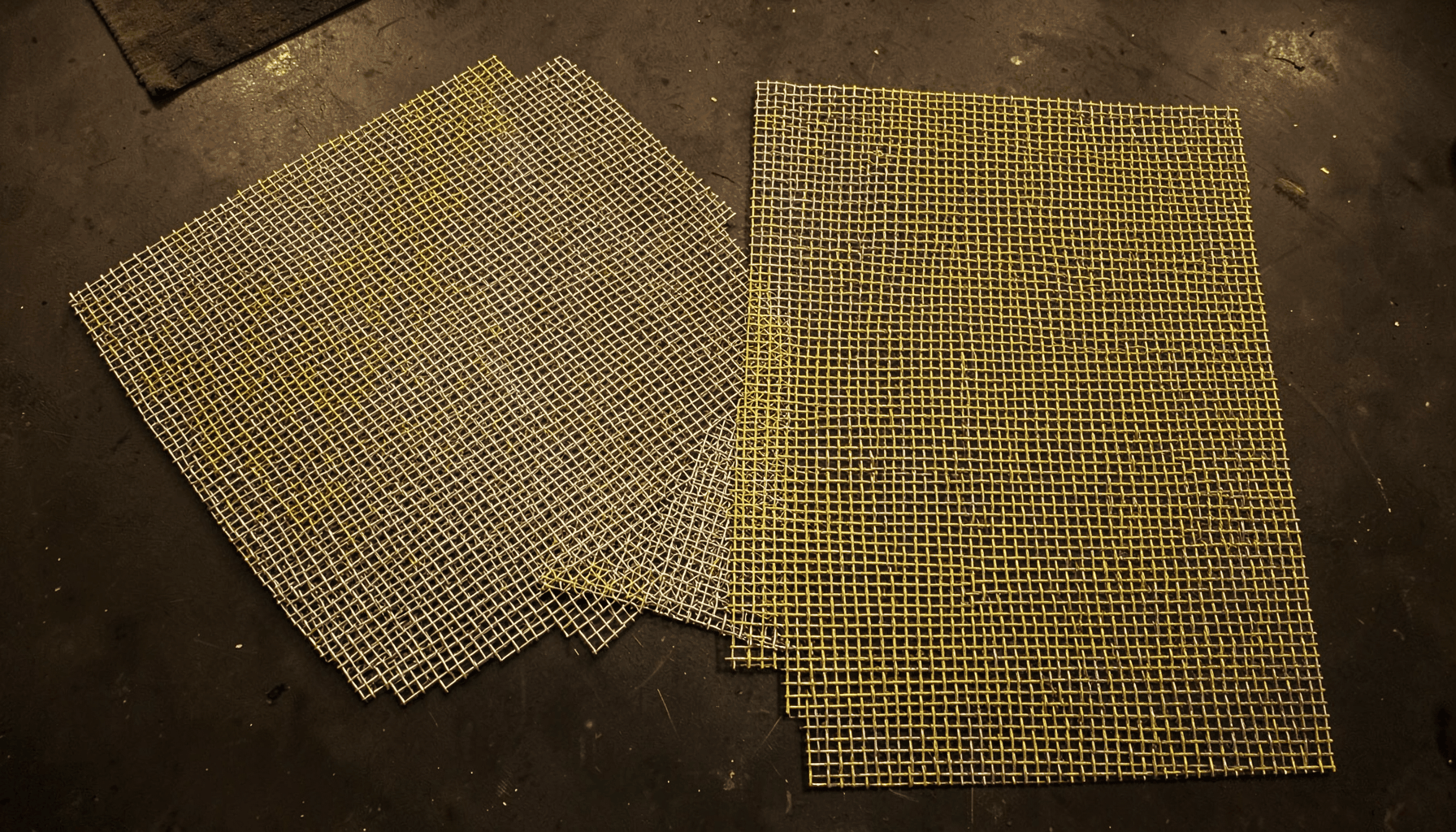
Because intake guards are exposed to vibration, airflow pressure and repeated maintenance, the connection between mesh and frame deserves attention. Clips, screws, bolts or welded tabs should be selected according to the weight, geometry and environment. Continuous welded wire can be cut and framed for a rigid installation, whereas woven mesh may suit removable panels. Smooth finishing protects nearby components and reduces the chance of injury during handling.
Production samples should be checked against the approved drawing, especially where a curved edge must match a circular inlet. Any deviation around the frame can create a gap or interfere with the fan housing. A final site check should confirm that all panels sit correctly, fasteners are secure and no edge projects into the airflow path.
Start with a measured, application-specific guard
The right mesh guard balances access protection, airflow capacity, corrosion resistance and safe maintenance. Standard stock screening may appear economical, but it cannot account for fan geometry, operating hazards, local weather or the available mounting space. Custom fabrication produces a more predictable barrier with fewer gaps and less uncertainty around service access.
Shuo Ke Wire Mesh Product Technology Co., Ltd. can work from drawings, measurements and application notes to prepare an appropriate wire mesh intake guard. Provide the operating conditions, inlet dimensions, protection requirements and preferred access method, and request a sample or quotation for review before production.