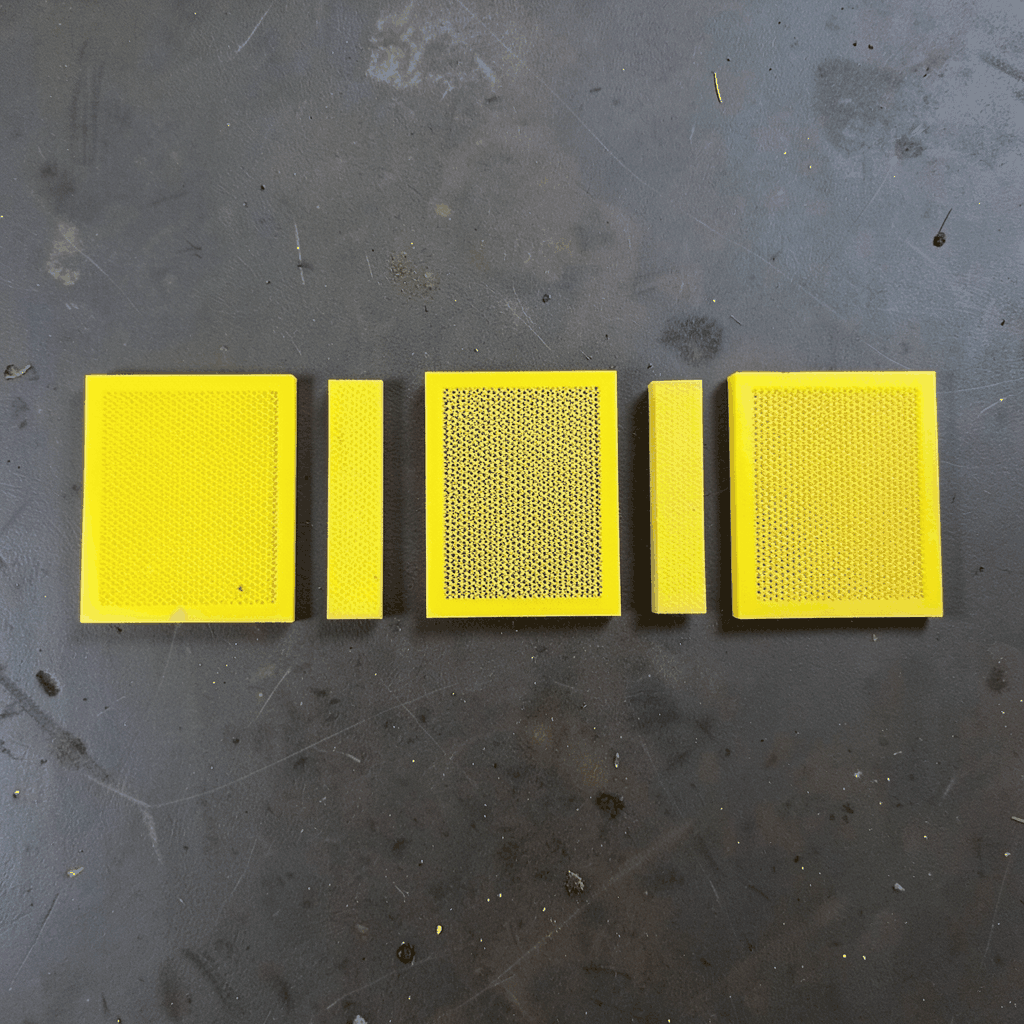
Safer machine tool guarding with custom mesh
Custom mesh guards for machine tool operator protection must be engineered around the machine, task and people using it. A panel that looks safe can still leave dangerous gaps, create sharp edges or fail when a guard is opened. The right barrier balances access, visibility, ventilation and containment of chips, sparks, swarf and coolant without treating an off-the-shelf fence as machinery guarding.
On Australian worksites, guard design also has to withstand heat, dust, salt and hard use while meeting the duty of care under the applicable state or territory work health and safety laws. Good fabrication starts with a machine-specific risk assessment, not with a preferred sheet size. This guide explains the decisions that help operators, maintenance teams and procurement managers compare a dependable guard proposal.
Start with the machine risk assessment
A machine guard should respond to a documented hazard, not a general idea of “keeping operators safe”. Before selecting a material, map every dangerous movement, hot surface, sharp edge, flying workpiece, electrical component, noise source and hazardous substance associated with normal operation, setup, cleaning and maintenance. Include unusual jobs and non-routine access rather than assessing only the machine at rest.
The task and distance matter as much as the machine. A lathe, milling machine, CNC router, press or welding cell can demand a different response, even when the guarding looks similar. Establish where swarf travels, where sparks can land, whether coolant can spray and how operators reach controls. A guard designed for observation may be adequate for one task and unsuitable for another.
Opening the hazard should not create a second hazard. Secure panels before running, provide positive fasteners where appropriate and use interlocked guarding when the risk assessment requires it. The selected mesh aperture and any gaps around the frame must prevent access to the danger, while the panel must withstand foreseeable impact and not collapse into the operating zone. No single aperture size works for every machine.
Match the alloy to the working environment
Stainless steel gives a strong, corrosion-resistant option for workshops exposed to moisture, washdown or coastal air. Aluminium keeps weight down where panels are handled frequently, while iron or other alloys may suit robust frames and internal guarding. Copper can be specified where appearance, conductivity or a particular process calls for it. The best choice is the one that matches load, corrosion, heat and cleaning requirements rather than simply the lowest price.
Australia creates several distinct service environments. A fabrication shop in Newcastle may deal with coal dust, grinding swarf and oily floors, while a Perth workshop faces salt-laden air. Equipment in Pilbara mining and processing plants can see intense heat and red dust, and Queensland sites add humidity and cyclone-driven rain. Coastal salt can creep into uncoated fixings and welds, and aggressive cleaning chemicals can attack a finish that was never designed for them.
Specify the grade, surface finish and fastening system together. Ask whether panels are woven or welded, how edges are treated and whether stainless components are isolated from incompatible metals to reduce galvanic corrosion. Powder coating over suitable mild steel can improve service life, but damaged coating needs a documented repair method. A polished finish on decorative architectural mesh is not automatically suitable for impact-prone machine guarding.
Design for access, visibility and containment
A useful guard lets the operator see the work, hear machine changes and reach controls without leaning around a barrier. Mesh offers airflow and visual access that a solid sheet cannot, yet openness does not guarantee containment. Select the wire diameter, aperture and open area around the expected swarf size and travel. Very fine mesh may clog with metal chips; a wide pattern may let a narrow workpiece or hot fragment pass through.
Plan maintenance before the panel is made. A removable panel can speed cleaning, but a guard that is repeatedly taken off can be left off. Hinged access should be easy to operate in gloves, retain the panel when closed and incorporate locking or interlocking where the assessment calls for it. Provide safe access to lubrication points and cutting tools without exposing an operator to a rotating spindle or unintended movement.
Containment also depends on geometry. Consider directional chutes, splash skirts, backsplash panels and sealed cable or coolant penetrations where swarf and fluid would otherwise escape. Keep fasteners away from chip flow and give welds a smooth, clean profile so dirt does not lodge in corners. The result should be a coherent machine interface, not a rectangle of mesh placed in front of the most obvious hazard.
Translate the design into Australian requirements
Australian requirements can look familiar but vary by jurisdiction and workplace. Safe Work Australia publishes model plant and machinery guidance, while each state or territory regulator applies its own work health and safety legislation, regulations and approved codes of practice. Have the risk assessment reviewed by a competent person and identify every relevant AS/NZS machinery safeguarding, electrical and control standard. A supplier’s statement that a panel is “compliant” is not a substitute for the site’s documented decisions.
Use metric dimensions, unambiguous drawings and a clear revision status. Local engineers often call a fixed mesh barrier a “safety screen” or “mesh fence”, and shop-floor teams use terms such as “swage” for metal chips. Explaining that these words refer to a specific guard function helps avoid a fence being supplied where access-controlled machinery guarding is required. Local fabrication and urgent repair shops add another layer of price and lead-time comparisons.
Australian buyers also source through engineers, plant managers, industrial suppliers and specialist metal fabricators, often comparing quotes in Australian dollars while importing specialist components. For plants around Melbourne, Sydney, Brisbane, Adelaide or Perth, delivery packing and corrosion protection can be as important as the quoted unit price. Ask who bears freight, customs, local handling and return costs, and whether replacement panels can be matched to an existing frame during a future machine rebuild.
Custom fabrication without hidden compromises
A strong custom brief separates the visible panel from the complete guard system. Give the fabricator the maximum envelope, mounting offsets, required clearances, edge treatment, panel divisions and access route. Fixed panels, hinged leaves, frames, stand-off brackets and special covers may need different tolerances and attachment details. This level of definition reduces the chance that a technically capable mesh supplier will interpret the drawing in a way that does not suit the machine.
Shuo Ke Wire Mesh Product Technology Co., Ltd. is a China-based manufacturer and processor of architectural and industrial metal mesh products made from stainless steel, aluminium, copper, iron and other alloys. That breadth supports both practical machine protection and coordinated decorative finishes for wider industrial or commercial projects. For comparison, reviewers can examine custom mesh panel options while assessing mesh construction, aperture choices and fabrication requirements.
Supplier review should still test control rather than capability alone. Require clear manufacturing drawings, material certificates where specified, inspection records, finish details, packaging instructions and a realistic production schedule. Request a sample or first-article panel when appearance, fit or corrosion performance is difficult to judge from a photograph. Shuo Ke can review project drawings and discuss customised dimensions, frames, hardware and finishes, while the buyer retains responsibility for the risk assessment and final fit.
Field-ready specification checklist
A concise brief helps a supplier price the guard accurately and lets the workshop compare like with like. Separate the information that defines safety from the information that controls manufacture and delivery. The first list should capture the machine and hazard details:
- Machine identity: make, model, serial number, guard drawing, hazard zones and manufacturer manual references.
- Operating envelope: material, speeds, feeds, tool types, chip direction, spark exposure, coolant use and cleaning cycle.
- Access needs: inspection, lubrication, swarf removal, emergency access and any need to open a panel while stopped.
- Compliance route: site risk assessment, applicable standards, competent-person review and interlock or locking requirements.
Record the physical product and the conditions it must survive so that fabrication, packaging and delivery can be quoted consistently:
- Mesh data: material grade, aperture, wire size, weave or weld type, panel direction, open area and accepted tolerances.
- Frame and interfaces: dimensions, sections, mounting points, clearances, edge treatment, hinges, latches and fasteners.
- Finish and environment: coating or passivation, corrosion exposure, cleaning regime, expected service life and repair method.
- Commercial details: quantities, drawing revision, marking, packaging, documents, AUD schedule, freight responsibility and inspection points.
A complete specification reduces rework, but the most valuable final step is an onsite fit check. Confirm that controls remain reachable, guards do not interfere with swarf paths or service access, fasteners cannot back out into the work zone and the machine’s operating sequence supports the intended safety function. Any change in tooling, materials or operating speed should trigger a review of the guard rather than an assumption that the original assessment still applies.
Prepare the drawing, risk-control brief and two representative operating conditions, then send them to Shuo Ke for a project review and quotation. A clear request for alternatives in mesh grade, aperture, framing and finish will show where the design can be simplified without weakening operator protection. Make the enquiry against a defined acceptance standard, delivery location and shutdown window, and require written confirmation of the selected construction before production begins.