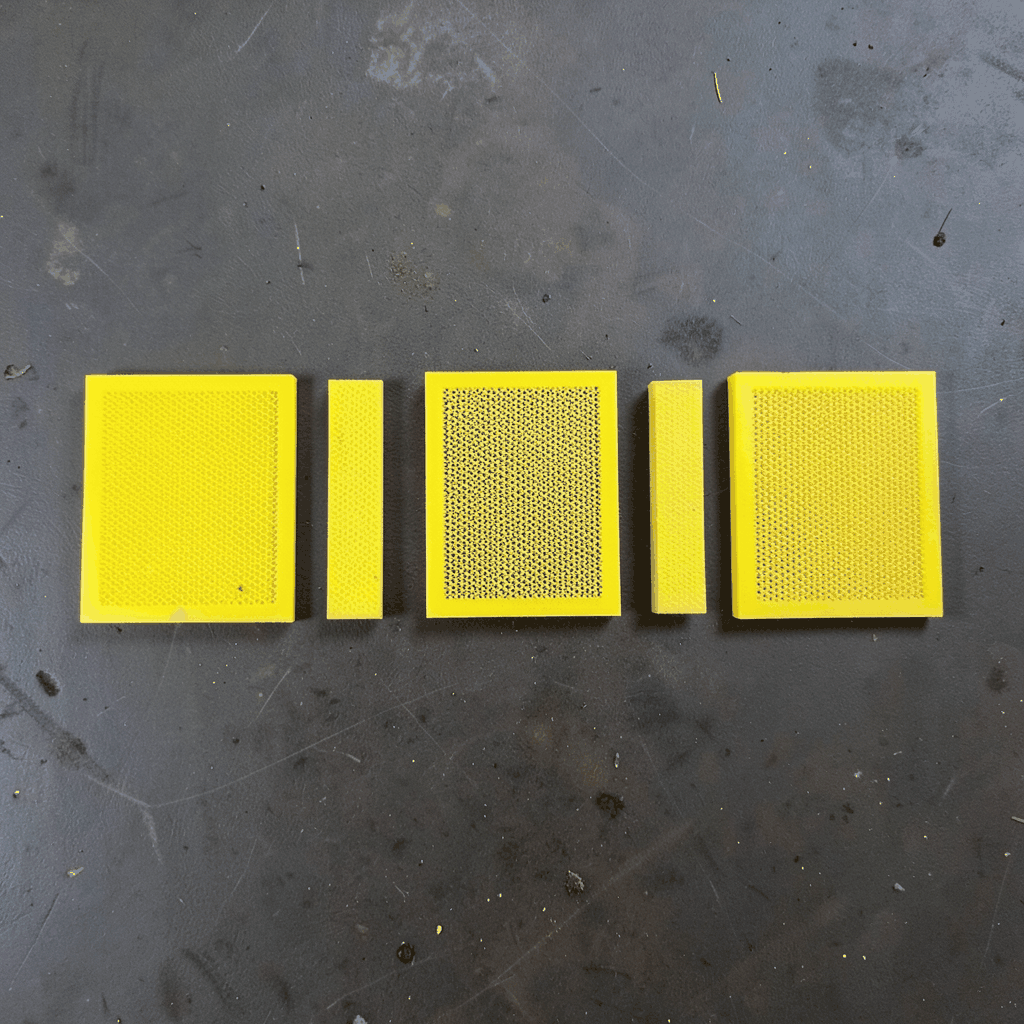
Custom Mesh Inserts for Injection Molded Plastic Parts
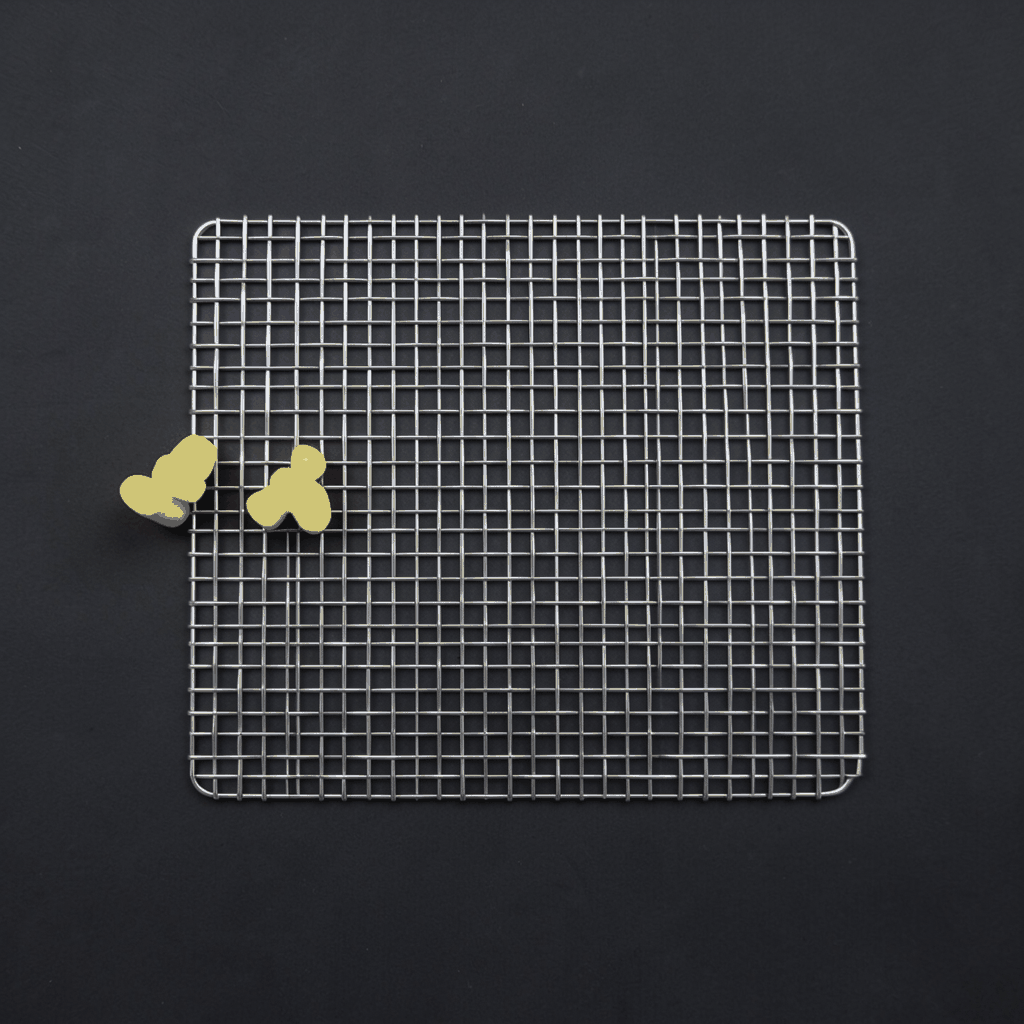
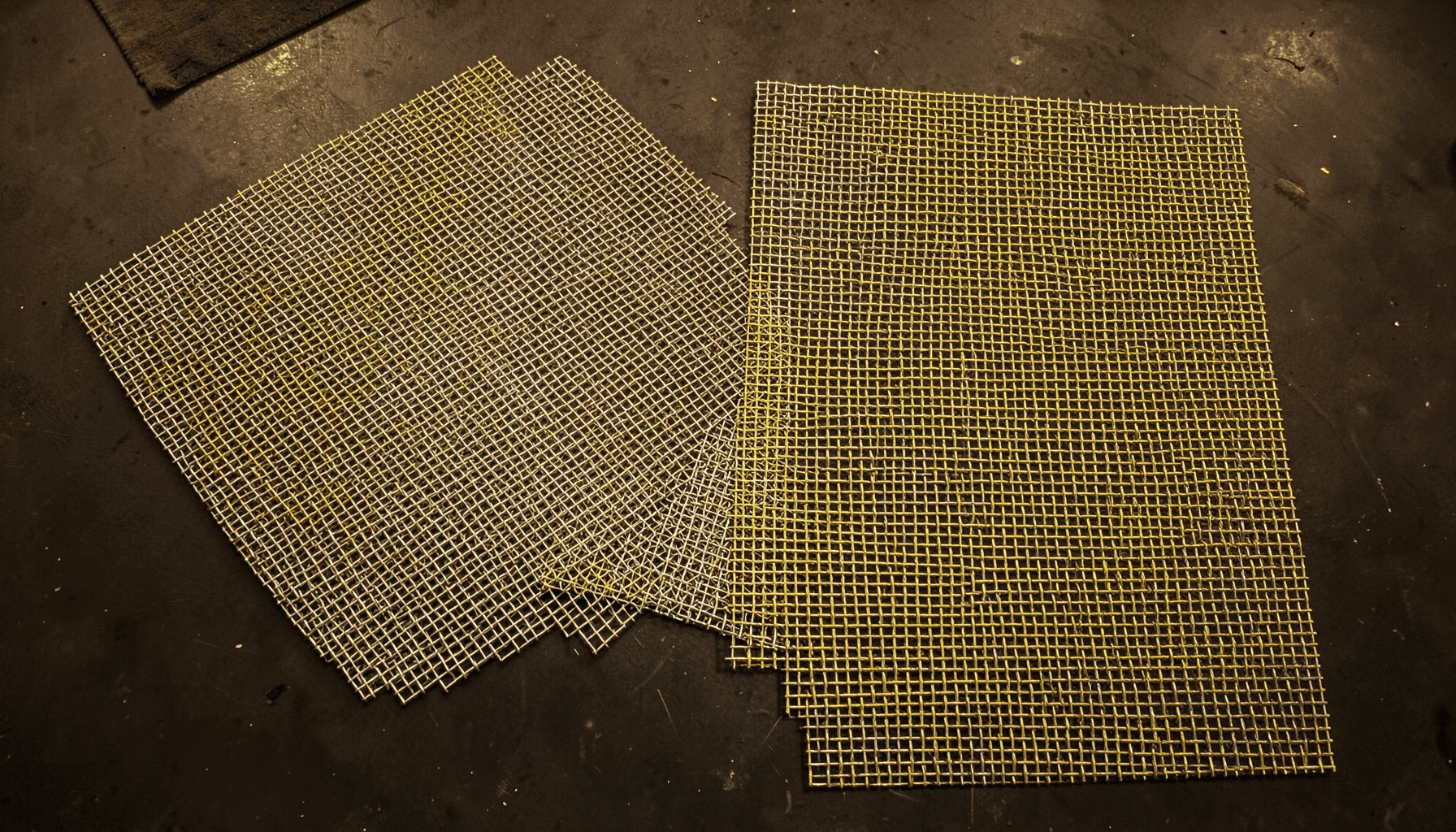
Custom Mesh Inserts for Injection Molded Plastic Parts can add strength, airflow, shielding, filtration, grip, or visual texture to components that would otherwise rely entirely on polymer performance. By placing a woven wire mesh, perforated sheet, expanded metal, or precision-cut screen inside a mould, manufacturers can combine the flexibility of plastic with the functional properties of metal.
This approach suits many Australian products, from vehicle and agricultural equipment used in harsh outdoor conditions to electrical housings, appliance panels, safety guards, and architectural fittings. The insert can be fully encapsulated, partially exposed, or positioned behind a plastic frame, depending on the required performance and appearance.
A successful result depends on more than selecting a mesh pattern. Metal type, aperture size, wire diameter, surface finish, mould design, resin choice, insert placement, and production volume must work together. Early collaboration with an experienced mesh fabricator helps reduce tooling changes and supports reliable supply for Australian manufacturing and importing requirements.
How Metal Mesh Inserts Work
During insert moulding, a prepared metal component is placed into an injection mould before molten plastic is introduced. Pressure forces the resin around or through the mesh, creating a mechanical bond as the polymer cools. The finished part may have a metal-reinforced edge, a visible grille, a conductive screen, or a built-in filter surface.
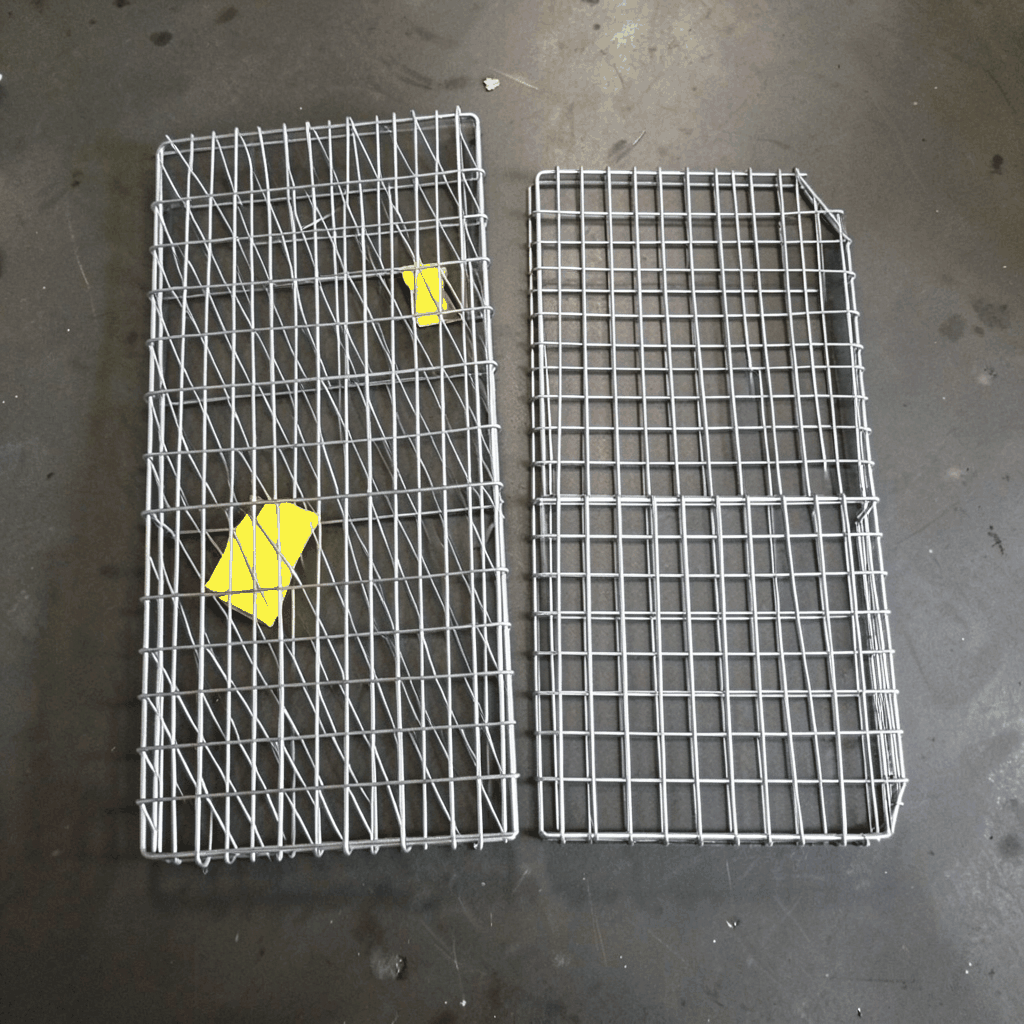
The insert can be supplied as a flat panel, stamped shape, rolled section, preformed basket, or three-dimensional frame. Small tabs, bends, holes, and textured edges can improve retention inside the mould. In some designs, the mesh is held in a recess; in others, it is supported by pins, magnets, vacuum fixtures, or temporary adhesive during mould closing.
The correct process depends on the plastic and the geometry. Glass-filled nylon, polypropylene, ABS, polycarbonate, and engineering blends each shrink and flow differently. A mesh that performs well in a rigid enclosure may distort when used in a flexible grille. Trial moulding is valuable where the part has thin walls, tight tolerances, or a highly visible exterior face.
Choosing The Right Mesh Material
Stainless steel is often selected for corrosion resistance, strength, and stable performance across changing temperatures. Grades such as 304 and 316 can suit indoor equipment, food-related applications, coastal environments, and outdoor products. In locations such as Sydney, Brisbane, or Perth, exposure to humidity, salt air, and dust should be considered during material selection.
Aluminium mesh offers low weight and good corrosion resistance, making it useful for vehicle components, portable equipment, vents, and lightweight covers. Copper and brass provide electrical conductivity and a distinctive appearance, while mild steel can be a practical option where cost, rigidity, and later coating are more important than maximum corrosion resistance.
Surface treatment also affects the bond and the finished appearance. Plain wire, electro-polished stainless steel, anodised aluminium, powder-coated metal, and plated surfaces each create different results. A coating may improve durability, but it can also change the insert thickness or reduce direct contact between the mesh and polymer. Compatibility should be checked before production.
For projects requiring dependable sourcing, a specialist such as mesh engineering team can help match woven wire cloth, decorative metal mesh, expanded metal, and fabricated inserts to the moulded component.
Designing The Insert For Reliable Moulding
A mesh insert should be designed around the way plastic flows through the cavity. Very fine openings may restrict resin movement, while large openings may provide too little support for the polymer. The wire diameter, open area, weave type, and edge construction influence filling, cooling, weight, and the strength of the finished part.
Edges need particular attention. A sharp cut edge can damage the mould, create stress concentrations, or remain exposed after moulding. Folded edges, perimeter frames, punched tabs, rolled borders, and over-sized trim zones can improve safety and retention. If the mesh will be visible, the edge treatment should also support a consistent visual line.
Tolerances must account for thermal expansion, plastic shrinkage, mesh spring-back, and handling. A drawing that specifies only overall length and width is rarely sufficient. It should also identify aperture size, wire diameter, flatness, bend angles, corner radii, insert position, allowable flash, and any areas that must remain free of resin.
For repeat production, locating features are useful. Small holes, notches, slots, or stamped reference points can help operators place the insert consistently. Automated loading may require larger datum features or a carrier strip. These details can improve cycle time and reduce variation between shifts.
Applications Across Australian Industries
In automotive and transport equipment, an embedded metal screen can protect vents, speakers, sensors, battery housings, and cooling channels. Mining and agricultural machinery often need components that resist vibration, dust, impact, and repeated cleaning. A reinforced polymer grille can be lighter than a fully metal assembly while retaining a durable functional face.
Electrical and communications enclosures may use conductive mesh inserts for electromagnetic interference shielding. The mesh must maintain electrical continuity across the required area, and the plastic housing must provide controlled pressure or contact with adjoining parts. Grounding points, fastener locations, and coating choices should be addressed at the design stage.
Architectural and consumer products can use mesh as a visible design element. It may form a decorative ventilation panel, a textured handle, a speaker grille, a light diffuser, or a protective screen. In Melbourne commercial interiors, for example, a moulded polymer frame with a metallic insert can coordinate with wall cladding, lift interiors, furniture, and service panels.
Australian conditions also influence outdoor products. UV exposure, bushfire-prone regions, road dust, cyclonic weather in northern areas, and coastal salt can affect both the plastic and the insert. Materials should be selected for the complete environment rather than tested only under indoor conditions.
Production, Compliance, And Local Supply
Australian buyers should establish whether the finished component falls under electrical, machinery, building, transport, food-contact, or workplace safety requirements. Applicable obligations may involve the National Construction Code, state or territory workplace rules, electrical equipment requirements, or customer-specific standards. A mesh insert does not automatically make a product compliant, but its material and construction can affect testing.
For building-related products, fire behaviour, smoke production, corrosion resistance, and mechanical security may matter. For machinery, guarding and access prevention can be relevant under Australian and international safety standards. Electrical shielding parts may require evidence of conductivity, grounding, insulation separation, or electromagnetic performance. Documentation should identify the metal grade, finish, resin, and production controls.
Supply planning is equally important. Many Australian manufacturers import mesh or moulded components, so freight timing, minimum order quantities, customs classification, and replacement stock should be considered. A two-week delay in a specialised insert can stop a much larger assembly line. Keeping approved samples and material certificates supports faster quality checks when shipments arrive.
Lead times can vary around Christmas shutdowns, Chinese New Year, and local public holidays. Businesses in Adelaide, Melbourne, and regional industrial areas may also need to coordinate freight between a moulding supplier, metal fabricator, and final assembly plant. A clear approval process reduces the chance of tooling or production continuing while an unresolved mesh specification remains.
Quality Control And Testing
Inspection should cover both the metal insert and the moulded part. Incoming checks may include material verification, aperture measurement, wire diameter, surface condition, flatness, burrs, and dimensional accuracy. After moulding, inspectors can examine resin coverage, voids, flash, exposed sharp edges, insert movement, warping, and cosmetic consistency.
Functional testing should reflect the application. A grille may need airflow and impact testing; a filter may require pressure-drop and particle-retention measurements; a shielding insert may need electrical continuity and electromagnetic testing. Pull-out, torque, vibration, thermal cycling, humidity, salt spray, and UV exposure can be appropriate for demanding outdoor or transport components.
The insert must also survive processing. Excessive injection pressure, high melt temperature, poor support, or an unsuitable gate location can bend fine mesh or force it away from the intended position. Mould-flow analysis and short production trials can show whether the plastic reaches all regions evenly and whether weld lines form near critical features.
A documented inspection plan helps separate acceptable variation from genuine defects. Samples should be retained from approved production, with photographs and measurements for comparison. If the product is supplied to multiple Australian sites, a common reference standard prevents each location from interpreting appearance or fit differently.
Managing Cost And Product Development
The lowest mesh price does not always create the lowest component cost. A cheaper insert may require extra trimming, manual positioning, complex tooling, or a higher rejection rate. A slightly more expensive preformed or framed mesh can shorten assembly time and improve repeatability. Cost should therefore be assessed across material, tooling, labour, freight, inspection, and warranty risk.
Prototype quantities can be produced through laser cutting, stamping, hand forming, or simple fixtures before a high-volume mould is commissioned. These samples help confirm the appearance, insert location, wall thickness, and assembly method. They can also reveal whether a woven mesh or perforated sheet provides the best balance of strength, openness, and mouldability.
Design changes are less expensive before tool steel is cut. The engineering team should agree on resin grade, shrinkage assumptions, mesh orientation, parting line, gate location, ejector positions, and any visible surfaces before final approval. A controlled drawing revision system prevents outdated inserts from reaching the moulding floor.
Design Checks Before Tooling
Use these checks during early development:
- Confirm metal grade, coating, aperture, and wire diameter.
- Define exposed edges, resin coverage, and cosmetic zones.
- Allow for plastic shrinkage, mesh spring-back, and thermal movement.
- Select locating features suitable for manual or automated loading.
Commercial decisions also deserve early attention:
- Compare flat, stamped, framed, and preformed insert costs.
- Check minimum order quantities and replacement availability.
- Allow time for freight, customs processing, and holiday shutdowns.
- Request inspection records and material certificates for approved parts.
Selecting A Practical Manufacturing Partner
The right supplier should be able to discuss mesh production and moulding realities in the same conversation. Important capabilities include wire cloth weaving, perforation, laser cutting, stamping, bending, welding, edge finishing, surface treatment, and dimensional inspection. This range allows the insert to be adapted without adding unnecessary subcontractors.
Communication is especially important when the product is developed in Australia and manufactured overseas. Drawings should use clear units, defined tolerances, agreed inspection methods, and labelled samples. Photos alone may not communicate mesh orientation, weave direction, edge treatment, or the exact location of a bend.
Ask for evidence of similar work, production samples, packaging methods, and quality controls. Protective packaging matters because fine mesh can be crushed or bent during transport. Individual separators, rigid cartons, moisture protection, and clear batch labels can prevent damage before the inserts reach the injection moulding machine.
A long-term supplier can also help identify opportunities for design simplification. For example, a difficult three-dimensional insert may be replaced with a folded blank, or a fragile fine screen may be supported by a perimeter frame. These changes can preserve the intended function while making production more stable.
Custom metal mesh inserts are most effective when treated as part of the complete product system. Material, geometry, moulding, testing, freight, and compliance all influence the final result. Australian product teams can reduce delays by preparing detailed specifications early and validating the insert through realistic trials.
When you are ready to develop a reinforced grille, conductive screen, filter support, decorative panel, or other moulded component, share the part drawing, resin information, operating environment, and expected volume with a capable mesh manufacturer. Early technical review can turn a promising concept into a durable, repeatable product suitable for Australian conditions.