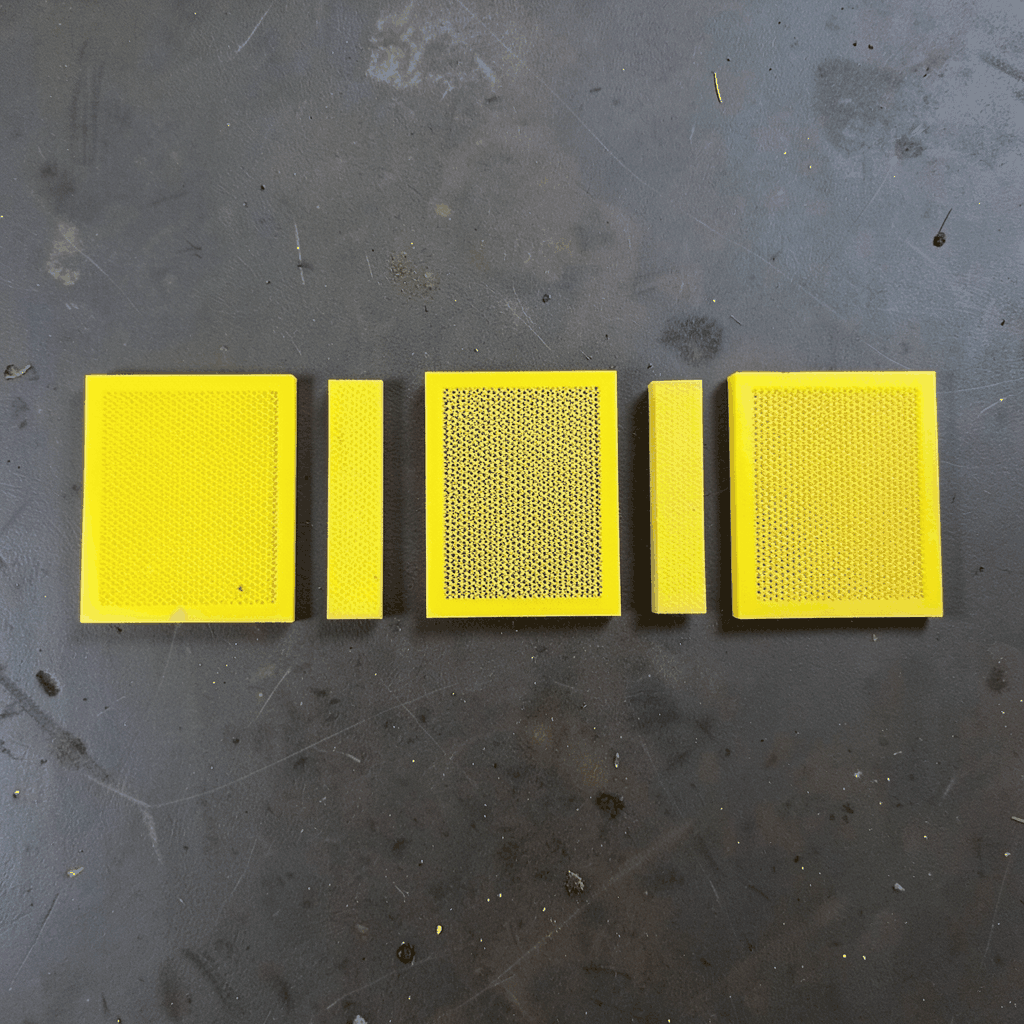
Custom Mesh Inserts for Plastic Extrusion Die Heads
Plastic extrusion depends on consistent pressure, controlled melt flow, and reliable filtration at the die head. A small screen insert can influence surface quality, throughput, pressure stability, and the amount of waste generated during a production run. For processors working with recycled polymers, filled compounds, or heat-sensitive resins, the right mesh design is a practical production tool rather than a minor component.
Custom mesh inserts are made to suit the polymer, extrusion line, die-head geometry, operating temperature, and required filtration level. They may be used as screen packs, filter discs, support screens, or shaped inserts within a breaker plate assembly. In Australia, where replacement parts may travel long distances between a plant in Melbourne, Sydney, Brisbane, or regional areas, accurate specification and dependable service life can make a measurable difference.
Why Die Head Inserts Matter
The screen pack sits in the melt path between the extruder barrel and the die. Its primary task is to retain contamination, unmelted particles, carbon deposits, and agglomerates before they reach the die lips. It also creates back pressure, helping the screw and die operate within a more stable processing range. A properly selected filter can improve the appearance and consistency of film, sheet, pipe, filament, profiles, and other extruded products.
Mesh openings, wire diameter, open area, and layer arrangement all affect performance. Fine mesh provides stronger filtration, but it can increase pressure and become blocked sooner. Coarser mesh allows greater flow and longer operating periods, yet may permit contaminants into the final product. A layered screen pack often combines coarse support mesh with progressively finer filtration layers to balance strength, capacity, and cleanliness.
The insert must also withstand repeated heating and cooling cycles. Thermal expansion, mechanical loading, polymer pressure, and cleaning procedures can gradually deform a poorly supported screen. A correctly manufactured insert maintains its shape against the breaker plate and avoids gaps where unfiltered polymer could bypass the filtration area.
Choosing Mesh Geometry And Materials
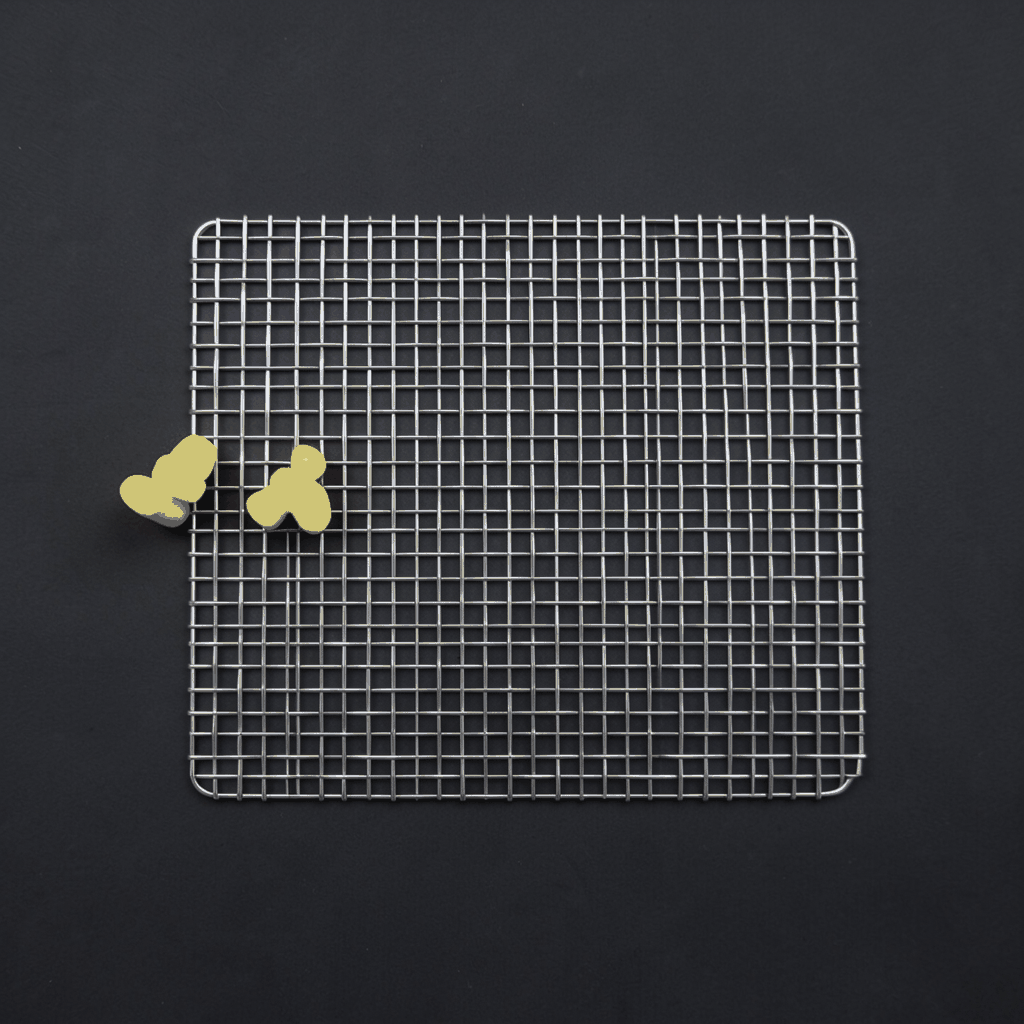
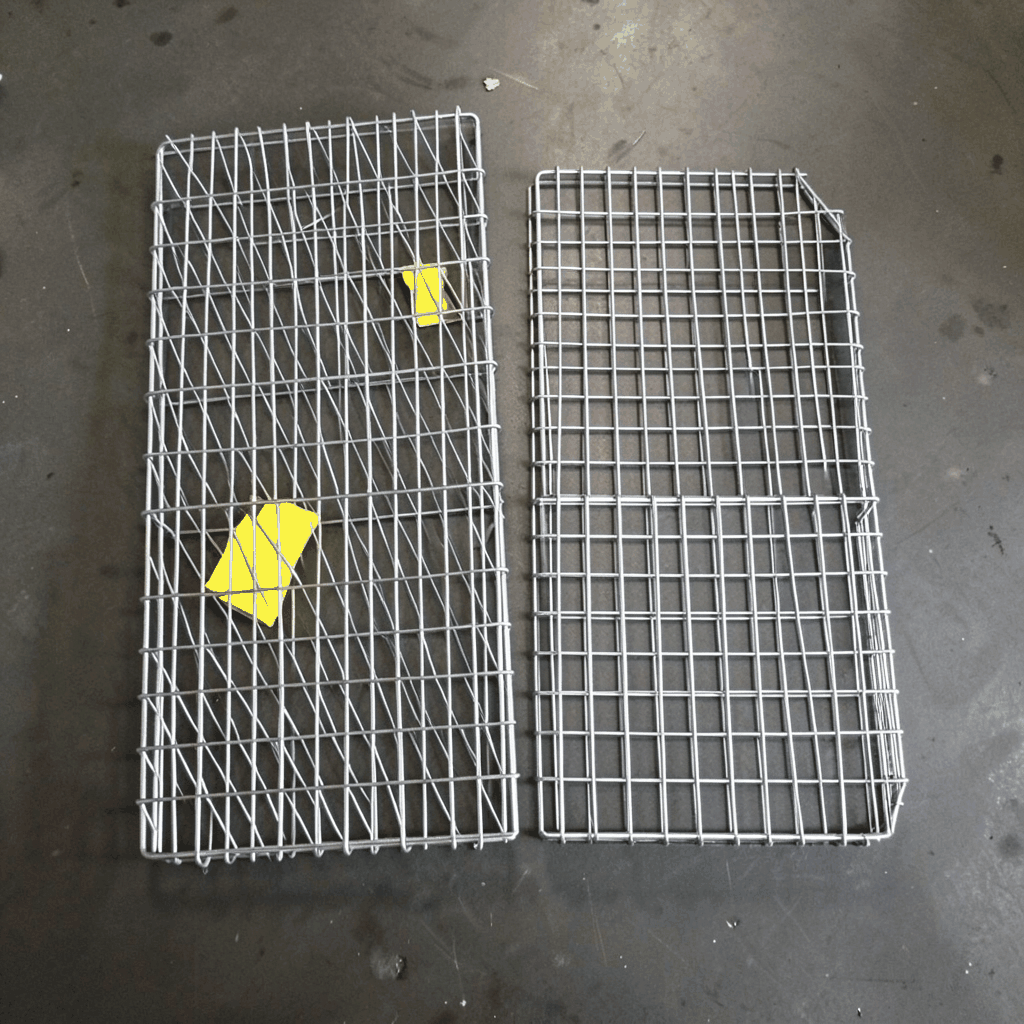
A custom extrusion screen may be supplied as a circular disc, ring, rectangular panel, shaped segment, or multi-layer pack. The correct form follows the die head opening and the way the screen is retained. Dimensions should include outside diameter, inside diameter where applicable, thickness, edge treatment, weld or seam locations, and any notches needed for orientation. Even a small dimensional error can make installation difficult or create uneven pressure across the melt channel.
Square weave is widely used where predictable openings and a stable structure are required. Dutch weave can provide fine filtration with greater wire support, making it useful for applications that require small effective openings without an excessively fragile screen. Twilled or multi-layer arrangements may be selected where a higher dirt-holding capacity or improved mechanical strength is needed. The stated mesh count alone is not enough; the wire diameter and actual filtration rating should be documented as well.
Stainless steel is a common choice for polymer filtration because it offers strength, corrosion resistance, and good temperature performance. Grades such as 304 and 316 may suit different chemical and environmental conditions, while other alloys can be considered for more demanding thermal or chemical exposure. Aluminum, copper, iron, and other metal options may be appropriate for specific engineered applications, support components, or decorative and industrial assemblies, though the resin and process temperature must guide the final selection.
Compatibility also includes cleaning. Some extrusion operations use thermal ovens, controlled scraping, chemical treatment, or ultrasonic cleaning. The screen material and joining method should be selected with that maintenance routine in mind. A mesh that survives production but distorts during cleaning will increase changeover time and replacement costs.
Designing For Australian Production Conditions
Australian extrusion businesses often manage long delivery routes, variable production schedules, and a strong demand for recycled or locally processed materials. A plant outside Perth may need to hold more replacement screen stock because urgent freight across the country is less predictable. A processor in Brisbane or the Gold Coast may also face humid, salt-laden air that affects stored components, packaging, and workshop handling. Corrosion-resistant materials and sealed storage are useful details in these conditions.
Recycled plastics can contain labels, aluminium fragments, paper, mineral filler, degraded resin, and other contaminants. The contamination profile may change from one bale or supplier batch to the next. A screen pack designed for clean virgin resin may block rapidly when used with post-consumer feedstock. Production teams should therefore consider contaminant size, expected loading, acceptable pressure rise, and the planned screen-change interval before fixing the mesh specification.
Australian processors also work with both metric machinery and imported equipment. Drawings should state all dimensions in millimetres and identify tolerances, material grade, mesh orientation, and inspection requirements. Clear digital drawings reduce the risk of confusion when a replacement is ordered from another state or manufactured offshore. Packaging should protect fine mesh from crushing, moisture, and edge damage during transit to remote or coastal sites.
The local market also values practical customisation. A standard catalogue screen may be adequate for a high-volume, repeat application, but a modified diameter, reinforced edge, tab, handle, or layer sequence can simplify servicing. For plants supplying agricultural film, irrigation products, building profiles, packaging, or wire and cable compounds, a small improvement in screen life can support more predictable delivery schedules.
From Drawing To Finished Filter Pack
The manufacturing process begins with application information rather than a mesh number alone. Useful details include the polymer type, additives, filler content, extrusion temperature, line pressure, screw diameter, die-head opening, target output, contamination level, and current screen performance. A photograph of the installed part, a worn sample, or a marked-up drawing can help clarify features that are difficult to describe in writing.
The mesh is then cut, formed, layered, and finished to the required dimensions. Depending on the design, edges may be rolled, welded, spot joined, framed, or left as a controlled cut edge. Multi-layer screens should be aligned so that the intended filtration face is presented to the melt and the support layers carry the pressure load. Uneven tension or excessive welding can reduce open area and create local flow resistance.
Inspection should cover diameter, thickness, flatness, opening size, material identity, edge condition, and overall fit. For fine filtration, visual inspection alone may not be enough; dimensional checks and sample verification provide better control. Consistent batch records are valuable when a customer requires repeat orders, because a replacement screen should perform like the previous one rather than merely look similar.
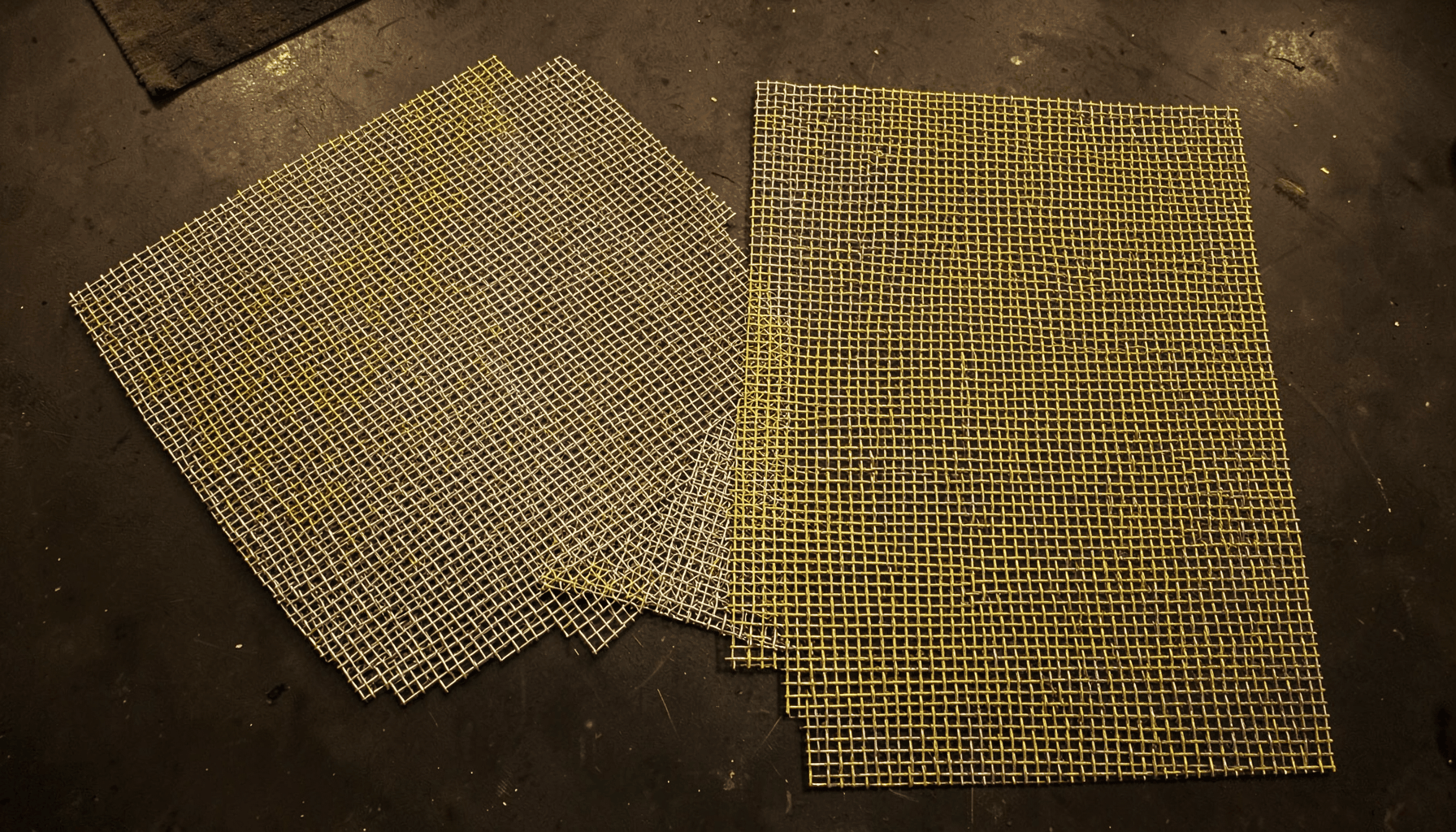
A manufacturer with experience across industrial mesh applications can often adapt the same precision methods to extrusion components. Shuo Ke’s mesh engineering partner supplies custom metal mesh products in materials including stainless steel, aluminum, copper, iron, and other alloys, giving buyers a practical starting point for discussing formed, cut, or layered filtration parts. The final specification should still be confirmed against the polymer process and die-head requirements.
Care And Specification Decisions
Screen inserts should be inspected during planned changeovers rather than only after a pressure alarm or visible product defect. A gradual pressure increase may indicate contamination loading, while an abrupt pressure change can point to a torn screen, poor seating, or a bypass path. Operators should record melt pressure, output, screen-change time, and the condition of removed filters. These records help identify whether the mesh is too fine, too weak, too small, or simply being used beyond its intended service interval.
Storage also affects service life. Spare screens should remain flat, dry, and separated from abrasive parts. Fine mesh can be damaged by stacking heavy tooling on top of it, dragging components across a bench, or using unsuitable cleaning brushes. Labelling each pack with the material, mesh arrangement, part number, and installation direction helps prevent an incorrect replacement from entering the line.
When reviewing a custom insert, procurement teams should compare the full operating cost rather than purchase price alone. A less expensive screen that causes frequent stoppages may cost more through labour, scrap, lost production, and freight. Conversely, an extremely fine filter may deliver excellent cleanliness while creating unnecessary pressure and energy demand. The appropriate choice reflects the complete production balance.
Practical Selection Priorities
- Confirm the die-head opening, seating method, thickness limit, and required finished dimensions before requesting a quotation.
- State the resin type, additives, recycled content, operating temperature, pressure range, and expected contamination level.
- Specify mesh count together with wire diameter, filtration rating, open area, layer order, and support-screen requirements.
- Select a material and edge construction that can withstand production, cleaning, corrosion exposure, and repeated thermal cycling.
- Keep a measured sample or approved drawing on file so future replacement screens can be manufactured consistently.
A useful specification should also identify the acceptable tolerance for flatness and diameter, the preferred inspection method, and whether the insert is a one-piece screen or a complete filter pack. If the component is installed in a high-output line, it may be sensible to qualify two screen grades: one for clean material and another with greater dirt-holding capacity for recycled feedstock. This gives operators a controlled response to changing raw-material conditions.
For Australian operations, freight planning belongs in the specification process. Ordering several validated replacement packs together can reduce disruption for regional facilities, while protective packaging prevents damage on long journeys. A local maintenance team should receive clear installation instructions, including the filtration direction, support-layer position, and any required orientation marks.
Send the die-head drawing, a photograph of the existing screen, and the relevant process details to Shuo Ke Wire Mesh Product Technology Co., Ltd. for review. With the right mesh geometry, material, edge finish, and inspection controls, a custom insert can support cleaner melt flow, steadier extrusion, and more dependable production across Australian manufacturing sites.