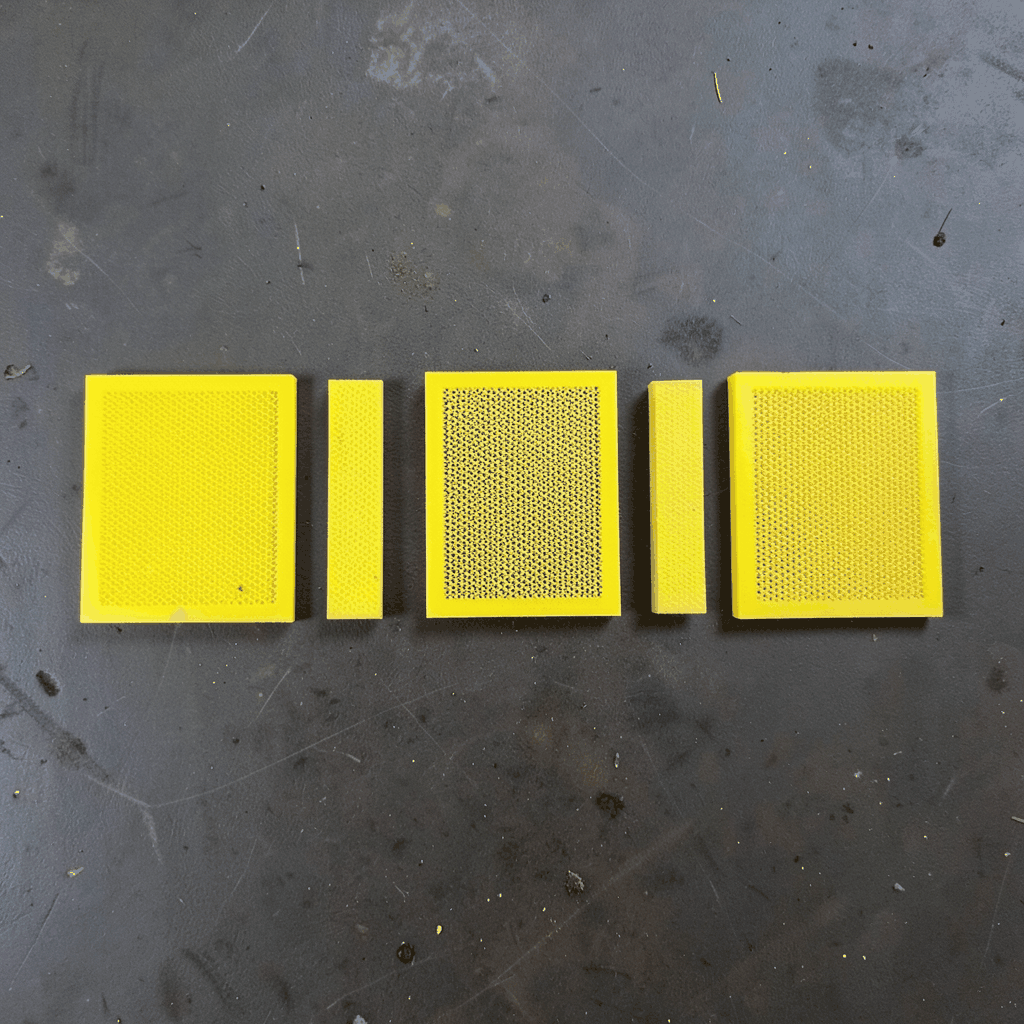
Custom mesh panels for retail product display racks
Retail fixtures have to sell products before a staff member says a word. A well-designed rack needs to present merchandise clearly, withstand daily handling, support efficient replenishment and fit the visual identity of the store. Custom mesh panels provide a practical way to achieve these goals while giving shopfitters and retailers greater freedom than standard solid shelving.
Metal mesh can be used for back panels, side panels, baskets, hooks, dividers, hanging displays and complete modular rack systems. With the right material, aperture, finish and fixing method, a mesh display can suit a fashion boutique, hardware shop, supermarket, showroom or temporary pop-up. Shuo Ke Wire Mesh Product Technology Co., Ltd. develops fabricated metal mesh products for these varied commercial requirements, combining decorative detail with reliable engineering.
Why mesh suits modern retail fixtures
Wire mesh creates a useful balance between visibility and structure. Customers can see products through the panel, while the rack still has enough visual definition to separate a display zone from the wider shop floor. This is valuable in open-plan stores where solid cabinetry may feel heavy or block sightlines between departments.
A mesh back panel can hold hooks, brackets, shelves and signage without requiring a fully enclosed cabinet. Perforated or woven surfaces also allow retailers to create layered displays, with smaller goods positioned near the front and larger packaging or promotional graphics set behind them. The result is a flexible product presentation system that can be adjusted as stock and campaigns change.
The open construction is practical for staff as well. Products are easy to reach, lighting can pass through the fixture, and stock levels are more visible during an afternoon restock. In a busy Australian retail environment, where a small team may manage sales, replenishment and customer service at the same time, straightforward access can save valuable time.
Materials and finishes for different store environments
Stainless steel mesh is a strong choice for high-traffic areas and displays that need a clean, contemporary appearance. It resists corrosion better than ordinary carbon steel and is suitable for stores near the coast, including locations in Sydney, Brisbane, Perth or Adelaide where salt-laden air and humidity can affect poorly protected metal. Brushed, polished or coloured finishes can change the character of the fixture without changing its basic structure.
Aluminium mesh provides lower weight, which can help when racks are moved frequently or installed as temporary promotional units. It may suit lightweight merchandise, portable retail stands and suspended display elements. Copper and brass-toned finishes can add warmth to a premium interior, while powder-coated iron or mild steel can provide an economical base for bold colour schemes and industrial-style shopfitting.
The finish should be selected with the location and cleaning routine in mind. A retail rack in a shopping centre may receive frequent wiping and contact from bags, trolleys and customers. A display in a semi-outdoor setting may face stronger UV exposure, windblown dust and moisture. Shuo Ke can help match the mesh material, coating and fabrication method to the expected service conditions.
Choosing the right mesh pattern and panel format
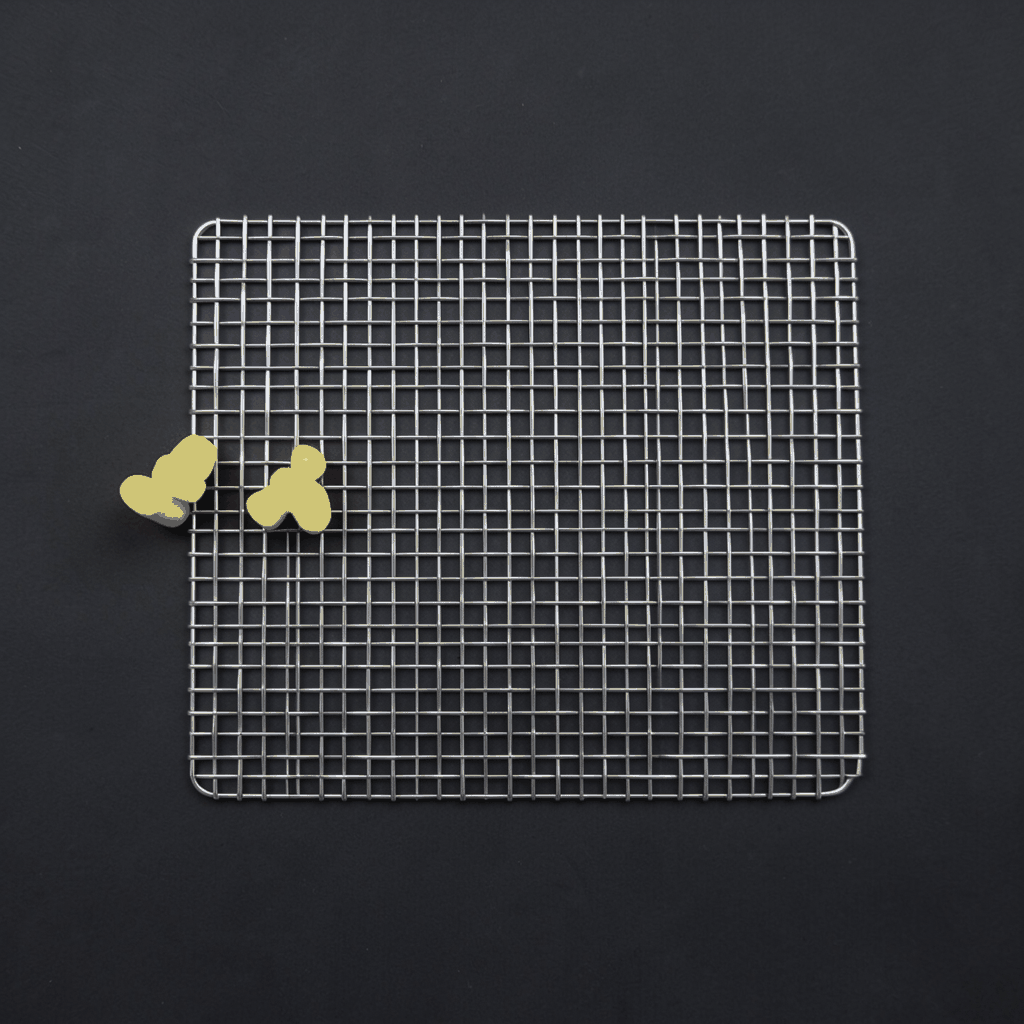
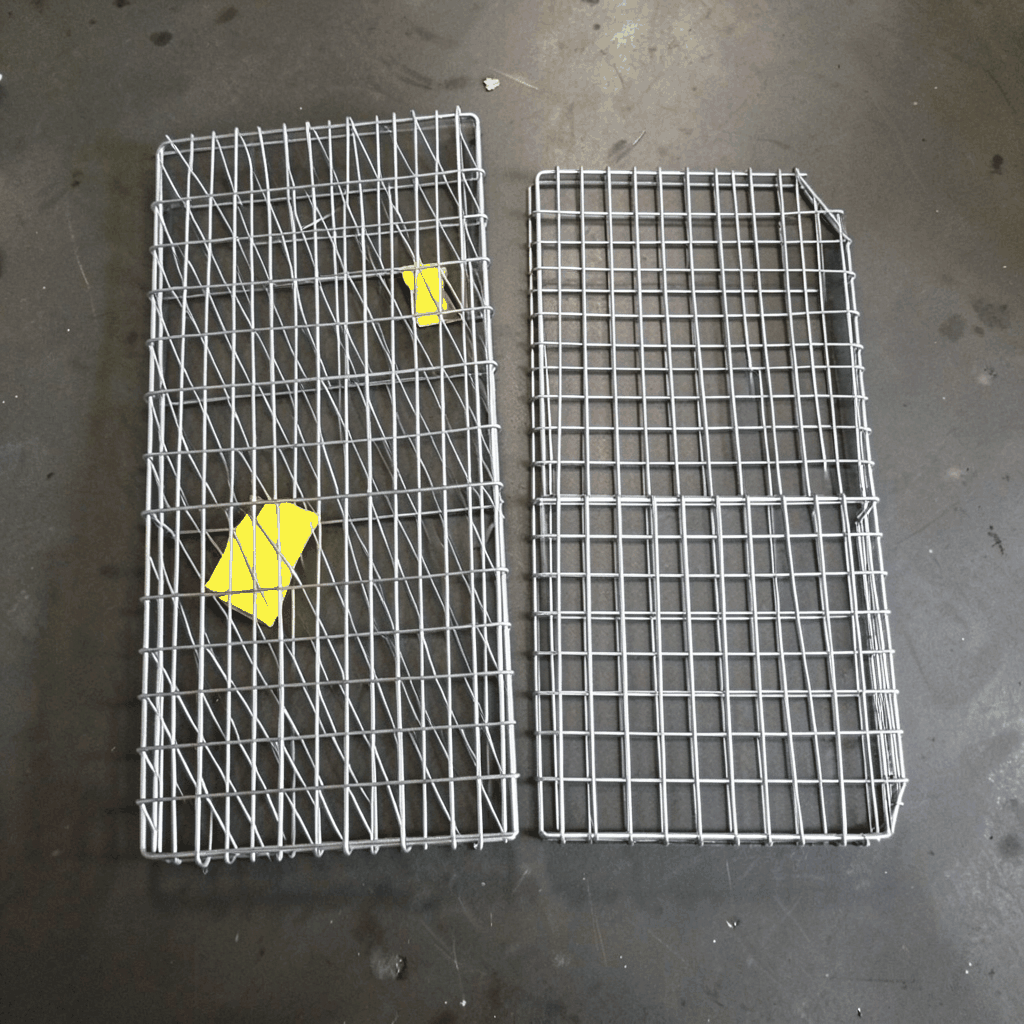
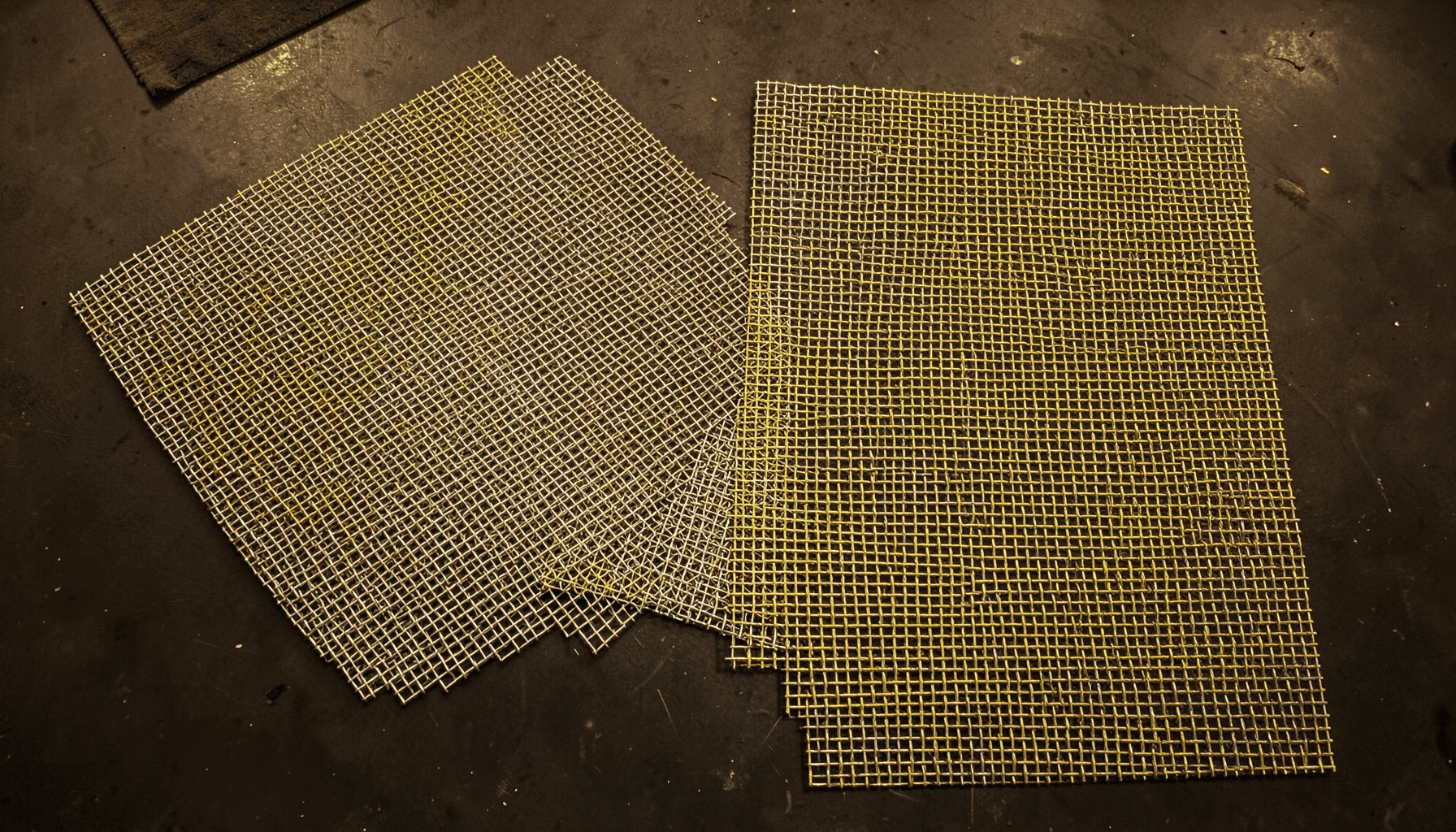
The opening size affects both appearance and performance. Fine woven mesh gives a more refined surface and can support small accessories, sample cards or visual merchandising details. Larger welded wire openings produce a stronger industrial impression and make it easier to attach hooks, baskets and shelf brackets. Expanded metal creates a distinctive pattern with useful rigidity and can work well for feature walls or branded product bays.
Panel dimensions should be considered alongside the rack frame, merchandise weight and access requirements. A tall panel may create a strong vertical display, but it needs suitable bracing and secure anchoring. Shorter interchangeable panels can make a modular shelving system easier to transport and reconfigure. Folded edges, return flanges and formed channels can improve stiffness while reducing exposed sharp edges.
The fixing system is equally important. Panels may be bolted, clipped, welded or attached with concealed brackets, depending on whether the rack is intended to be permanent or frequently reassembled. For a national retail rollout, consistent hole positions and repeatable panel sizes make replacement and installation simpler across several stores.
Design considerations for Australian retail spaces
Australian retailers often work within tight fit-out programmes, from a quick refresh in a suburban centre to a complete flagship installation in a Sydney or Melbourne CBD precinct. Custom panels can be manufactured to coordinate with existing shelving, counters and wall systems rather than forcing the entire store to adopt a standard fixture size. This helps reduce on-site cutting and keeps the installation tidy when tradies are working to a tight handover date.
Local conditions also influence material selection. A coastal shopfront in Gold Coast or Wollongong may need stronger corrosion protection than an enclosed inland store. In Darwin and northern Queensland, heat and humidity place greater demands on finishes and maintenance. In dusty regional locations, an open mesh design can be easier to inspect and clean than a complicated solid fixture with narrow enclosed cavities.
Australian shoppers also respond to clear, practical presentation. A hardware display needs quick product identification and easy access, while a fashion or gift store may use mesh as part of the brand experience. Terms such as “shopfitting”, “fit-out” and “display bay” are common in the local trade, and detailed drawings help retailers, designers, builders and suppliers work from the same information.
Where racks are installed in shopping centres such as Chadstone, Westfield Sydney or major Brisbane precincts, the design must fit delivery access, tenancy rules, fire-safety requirements and approved installation procedures. A custom manufacturer should provide accurate dimensions and fabrication details, while the project team remains responsible for confirming applicable building, accessibility and site requirements.
Integrating branding, security and merchandising
A metal mesh panel does not have to remain a plain background. It can be laser cut with a logo, geometric pattern or themed graphic to create a recognisable feature. Laser-cut screens can be used behind a service counter, around a promotional display or as a partial divider that separates departments without closing off the space.
Colour is another effective branding tool. Powder coating in a corporate colour can make a rack part of the store’s visual language, while a neutral black, white, silver or metallic finish can keep attention on the products. Mixed finishes can define premium ranges, seasonal campaigns or checkout zones. Careful contrast also improves product visibility, especially when packaging has a similar tone to the fixture.
Mesh panels can support loss-prevention measures without making a store feel like a secured warehouse. Lockable baskets, enclosed display sections and reinforced frames can protect higher-value products while keeping them visible. The design should preserve customer access where appropriate and allow staff to inspect, replenish and clean each section without awkward disassembly.
Accessories should be designed with the panel from the start. Shelf brackets, peg hooks, baskets, label holders, acrylic sign pockets and dividers need compatible spacing and adequate load capacity. If a retailer expects to change product categories regularly, a standardised hole pattern or modular grid will provide greater long-term value than a highly fixed arrangement.
From concept to reliable custom production
A useful project begins with a clear specification rather than a product name alone. The manufacturer needs to know the overall rack dimensions, panel locations, mesh type, wire or sheet thickness, opening size, expected load, finish, edge treatment and fixing method. Product drawings, reference photographs or a simple sketch can help clarify the intended appearance and assembly sequence.
Prototype panels are worthwhile when the design includes unusual bends, mixed materials or a new attachment system. A sample allows the project team to check product visibility, hook fit, corner safety, coating colour and compatibility with the rack frame before a larger production run. It can also reveal whether the panel feels too flexible or visually dense under real shop lighting.
Quality control should cover both appearance and function. Consistent aperture size, square panel dimensions, clean welds, smooth edges and even coating are important when multiple units are installed side by side. Packaging also matters because finished mesh can be scratched or bent during transport to Australian warehouses, shopping centres and regional stores.
Shuo Ke’s experience with stainless steel, aluminium, copper, iron and other alloy mesh products supports a broad range of retail display applications. As a manufacturer and processor, the company can assist with custom fabrication, decorative panels, baskets, screens and related metal components. The best outcome comes from balancing the visual brief with realistic production tolerances, freight considerations and the way staff will use the fixture every day.
Specification points that keep a project on track
Before requesting a quotation for retail display mesh, the following details can make communication faster and reduce revisions:
- State the rack dimensions, panel quantity and whether each panel must be interchangeable.
- Identify the merchandise type, approximate load and preferred attachment accessories.
- Select the material, aperture style, wire or sheet thickness and corrosion-protection requirements.
- Provide the desired finish, colour reference, logo artwork or laser-cut pattern in a usable format.
- Confirm delivery location, installation method, packaging needs and any centre or site requirements.
It is also useful to distinguish between a decorative panel and a load-bearing component. A feature screen may only need to divide space or frame a display, while a back panel supporting shelves and heavy packaged goods requires a more robust frame and tested fixing points. Making this distinction early helps avoid over-engineering a lightweight feature or under-specifying a working rack.
For multi-store rollouts, create a fixture schedule covering every panel code, finish, dimension and accessory. This gives the shopfitting team a consistent reference and makes future replacement orders easier. A well-documented mesh display system can be adapted for a new store, seasonal campaign or changing product range without starting the design process again.
Custom mesh panels can turn an ordinary retail rack into a durable merchandising system with a strong visual identity. They offer transparency, flexibility and useful attachment options while accommodating the realities of Australian shopfitting, transport and store operations. By selecting the right alloy, pattern, finish and fabrication details, retailers can create displays that look considered and continue working through years of daily use.
Share your rack drawings, target dimensions, preferred material and finish with Shuo Ke Wire Mesh Product Technology Co., Ltd. The technical team can review the requirements and develop a tailored metal mesh solution for retail displays, branded fixtures, baskets, screens and related components.