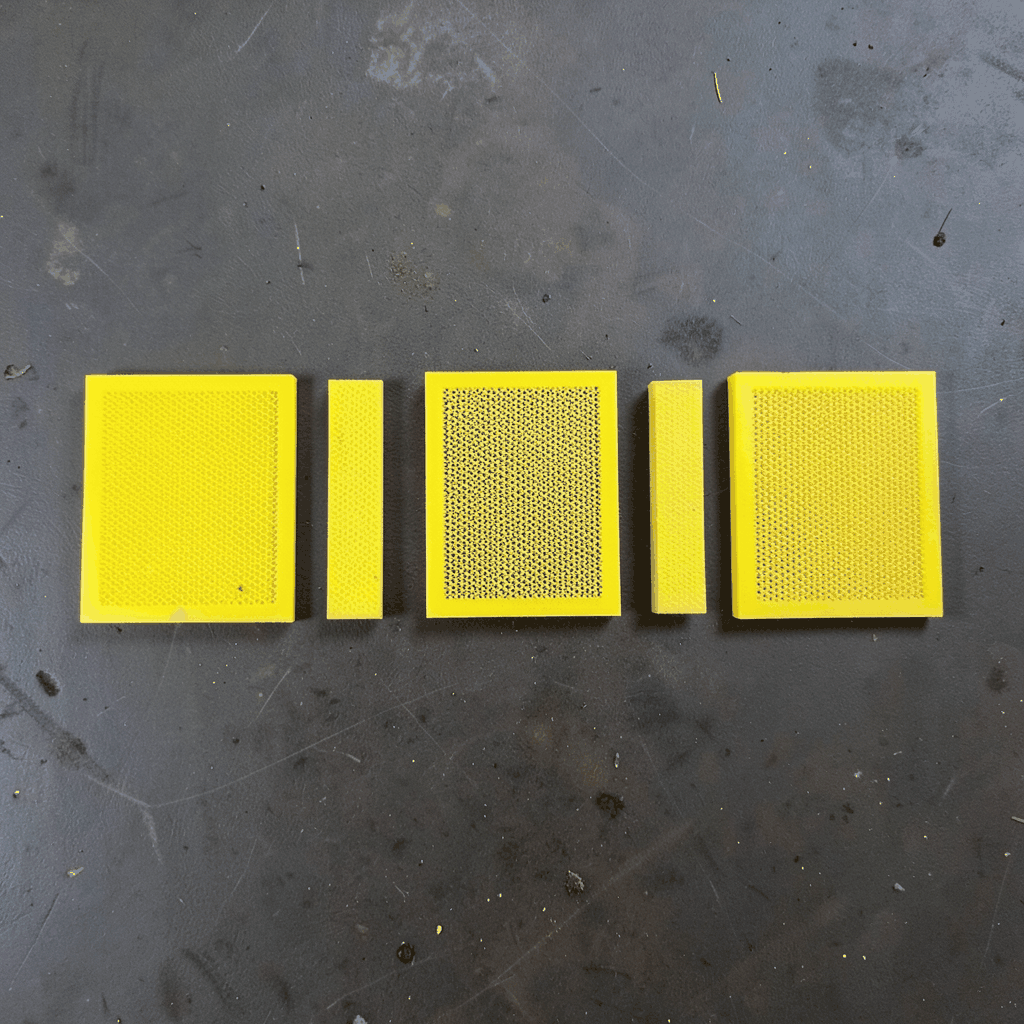
Custom Mesh Panels with LED Backlighting for Building Signage
Across Australian capital cities, the after-dark appearance of commercial frontages has become a quiet competition. In Sydney's CBD and inner suburbs like Surry Hills, building signage increasingly doubles as architectural lighting, transforming facades into glowing landmarks once the sun drops. Architects, shopfitters and brand managers are turning to metal mesh combined with LED systems to achieve this dual purpose, and the pairing has moved well beyond simple logos on lobby walls.
The shift makes sense when you consider how the built environment is being experienced. Pedestrians along Melbourne's laneways, commuters stepping out of Adelaide's Rundle Mall, and visitors entering Brisbane's riverside precincts all engage with signage as part of a larger sensory scene. Custom mesh panels paired with concealed diode arrays let light pass through specific patterns, creating illuminated surfaces that are as much artwork as they are wayfinding.
Why LED-Backlit Mesh Is Reshaping Architectural Signage
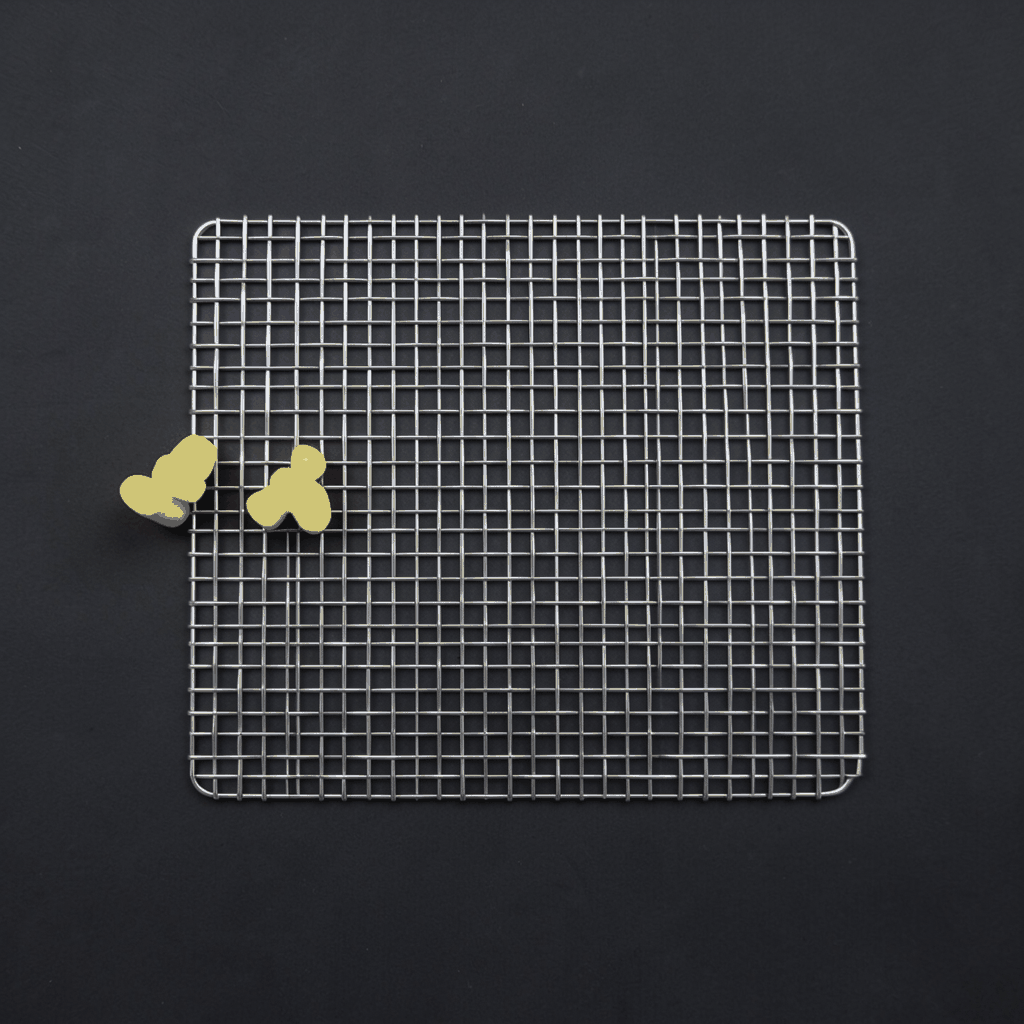
Traditional signage relied on either flat vinyl graphics or fabricated letters lit from within. The mesh alternative introduces a third option: a perforated or woven screen that conceals LED modules behind it, with light only escaping where the geometry of the metal allows. The result is a refined glow rather than the harsh spotlight effect of channel letters. Brand owners who want understated sophistication often prefer this treatment, particularly for hospitality venues, corporate lobbies and museum installations.
In high-density retail strips such as Pitt Street in Sydney or Chapel Street in Melbourne, signage has to compete with neighbouring shopfronts without violating council rules about brightness and spill light. Mesh panels solve this elegantly because the metal structure naturally diffuses the LED output. The panel reads as a solid object in daylight, then transforms into a luminous surface at night, giving designers two visual states from one component.
Material Choices That Withstand Australian Conditions
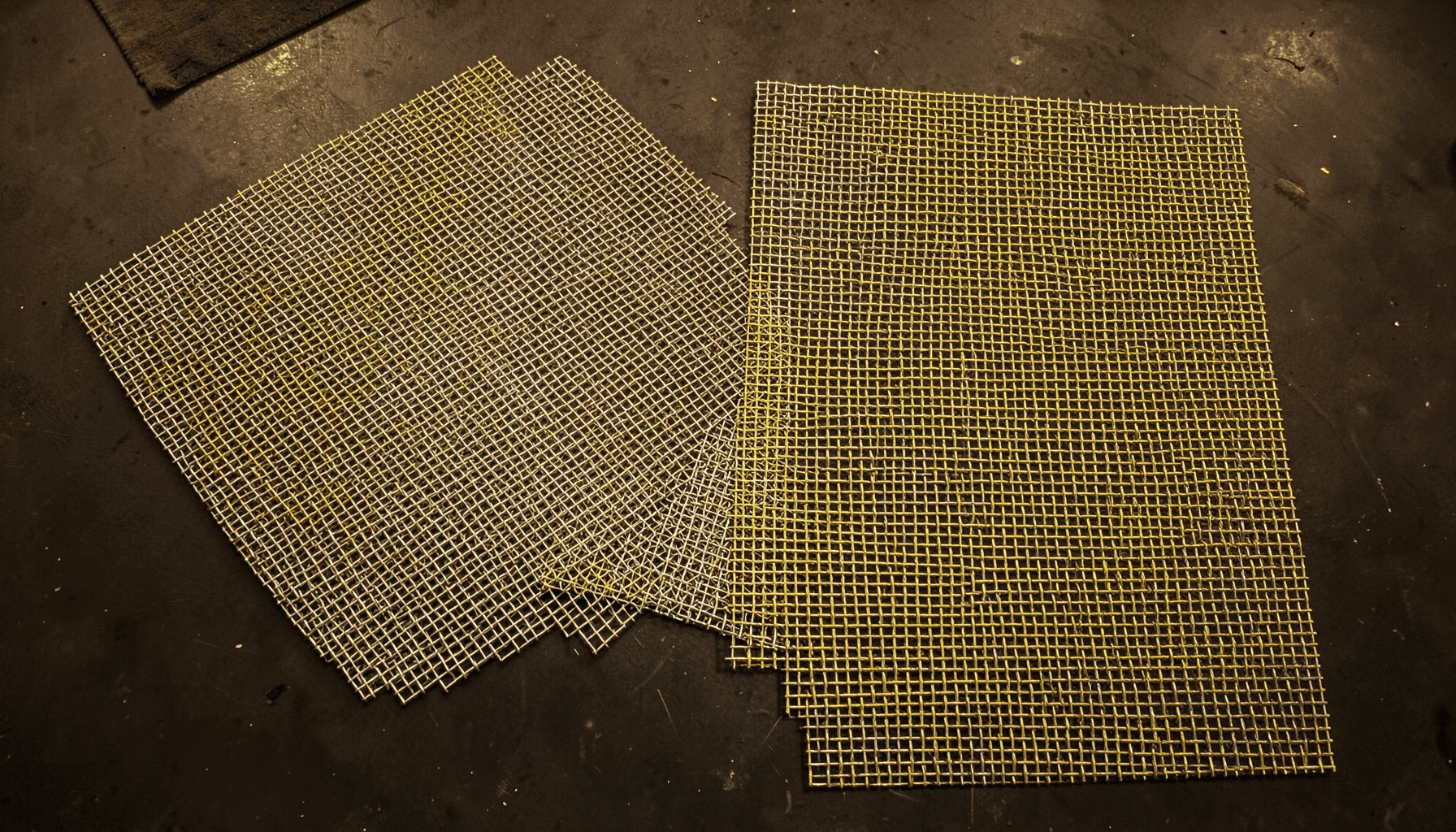
Australia's UV index is among the harshest in the world, and coastal projects face salt-laden air that corrodes many metals within a few seasons. Material selection therefore drives the longevity of any external installation. Stainless steel 316 remains the preferred grade for seaside locations from the Gold Coast to Fremantle, particularly where the signage sits close to breaking surf or in marine precincts. Inland projects in cities like Canberra or Toowoomba can usually specify 304 stainless without corrosion concerns.
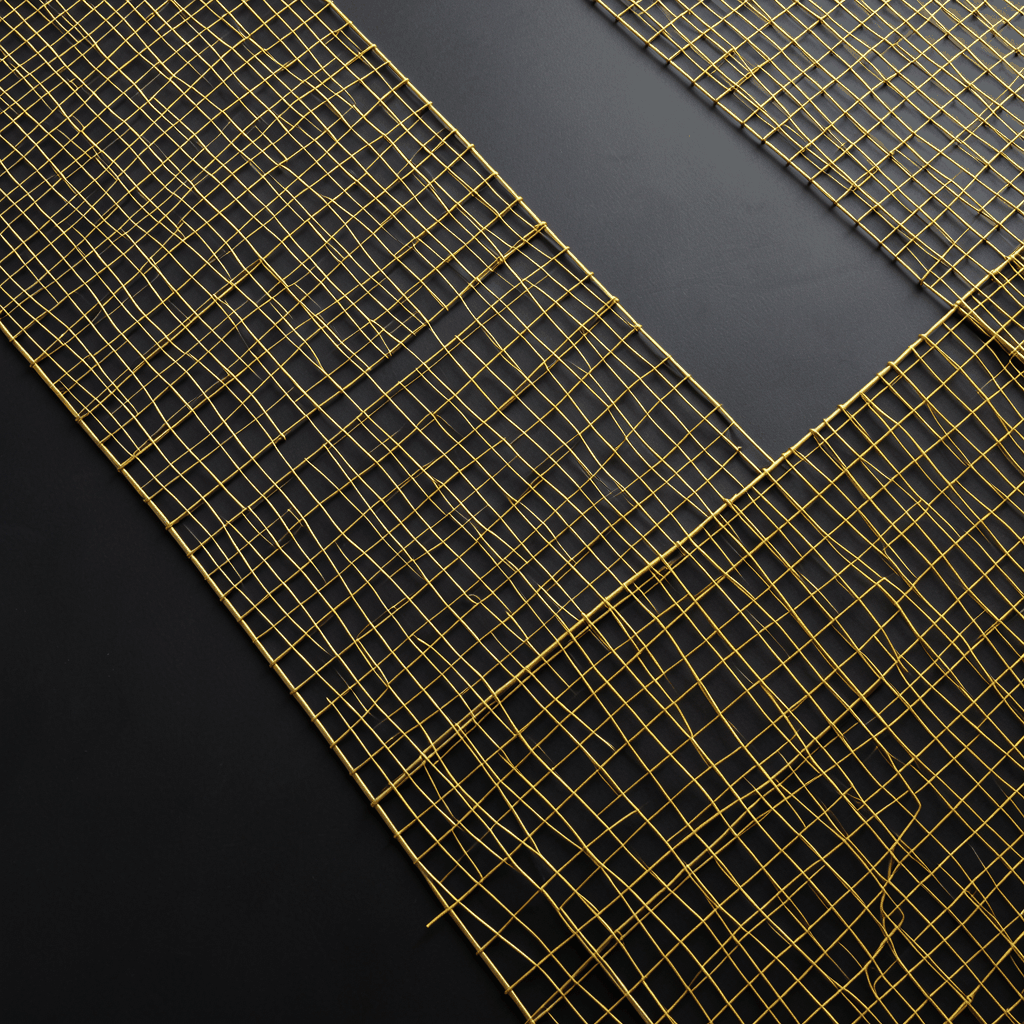
Aluminium offers a lighter alternative, which simplifies mounting on suspended ceilings or heritage facades where load capacity is limited. Copper and brass selections are gaining traction for boutique hotels and wine bars in regions like the Barossa and Margaret River, where the warm patina complements agricultural and hospitality branding. Each metal responds differently to backlighting, and experienced fabricators will adjust perforation density and weave tightness to balance visible detail against luminous output.
Design Possibilities for Commercial and Civic Spaces
The creative scope of mesh signage extends far beyond corporate logos. Civic projects have used backlit panels to display Aboriginal artwork patterns, council crests and interpretive graphics for cultural centres. In Perth's Elizabeth Quay and Brisbane's South Bank, public art installations frequently combine laser-cut screen imagery with concealed lighting, producing visual storytelling that reads during the day and after dark.
Retail and hospitality clients are also exploring animated effects. By programming RGB LED arrays behind a mesh panel, designers can shift colour gradually or sequence brand colours on a slow loop. Restaurants in Melbourne's CBD have used this technique for feature walls behind reception desks, allowing the dining space to change mood from afternoon service through to evening trade. Museums and galleries value the same approach for temporary exhibitions, where mesh signage can be rethemed without replacing the substrate.
Engineering the Integration of LEDs and Metal Mesh
A successful panel is not simply a mesh sheet with a strip of LEDs stuck behind it. The metal must sit at a calculated standoff distance from the light source so that the pattern reads evenly across the entire surface. LEDs placed too close produce hot spots, while those mounted too far away lose intensity and waste energy. Most fabricators specify 30 to 80 millimetres of cavity, depending on perforation ratio and the beam angle of the chosen diodes.
Thermal management is equally important. LEDs do generate heat, and in Australian summer conditions the air trapped behind a dark-coloured mesh panel can reach significant temperatures. Ventilation gaps at the top and bottom of the sign box, along with aluminium heat sinks, keep the diodes within their operating range and extend service life. Wiring must be routed through grommets in the frame, with IP-rated connectors for any installation exposed to weather. A reputable fabricator will provide photometric data and test certificates, which are often requested by Australian Standards compliance auditors.
Installation Realities Across Australian Projects
Installation logistics vary considerably depending on the building type. New commercial towers in Sydney and Melbourne typically coordinate signage through the base build contractor, with mesh panels arriving on site after the curtain wall is complete. This sequencing allows the signage frame to be fixed to structural steel without interfering with glazing or façade cladding. Heritage buildings present a different challenge, since drilling into protected stonework or rendered masonry often requires council approval and heritage consultant input.
Signage heights also influence engineering decisions. Above three metres, panels usually need a crane or elevated work platform for fitting, which adds cost in cities where traffic management permits are required. Brisbane City Council, the City of Sydney and the City of Melbourne each have their own permit systems, and lead times can stretch from four to twelve weeks for larger installations. Coordinated shop drawings, wind load calculations for coastal sites, and electrical certification by a licensed A-grade electrician are all part of the documentation trail.
Comparing Costs and Long-Term Value
The upfront cost of a custom mesh and LED sign is typically higher than a printed acrylic panel or a vinyl application, sometimes two to three times the figure for a simple light box. What clients gain, however, is a fixture with a service life measured in decades rather than years. Stainless mesh does not fade, peel or delaminate, and modern LED modules routinely run for fifty thousand hours or more before noticeable lumen depreciation.
Operational costs are also favourable. A mesh sign using mid-output LEDs will often draw less power than a fluorescent box of comparable brightness, and dimming controls tied to a photocell or building management system can reduce overnight consumption. For commercial tenants facing rising electricity tariffs in states like South Australia and Queensland, the energy profile of mesh signage offers a measurable operational benefit. When the lifecycle numbers are tallied across ten to fifteen years, premium signage frequently proves more economical than repeated replacement of cheaper alternatives.
For architects, brand teams and builders considering their next facade or lobby feature, a conversation with an experienced mesh fabricator is the logical starting point. Discussing perforation pattern, finish, LED spacing and mounting details early in the design process avoids costly rework and ensures the final result performs as intended from day one. Reach out through the contact page of Shuo Ke Wire Mesh to request samples, technical data sheets and project references relevant to Australian conditions.