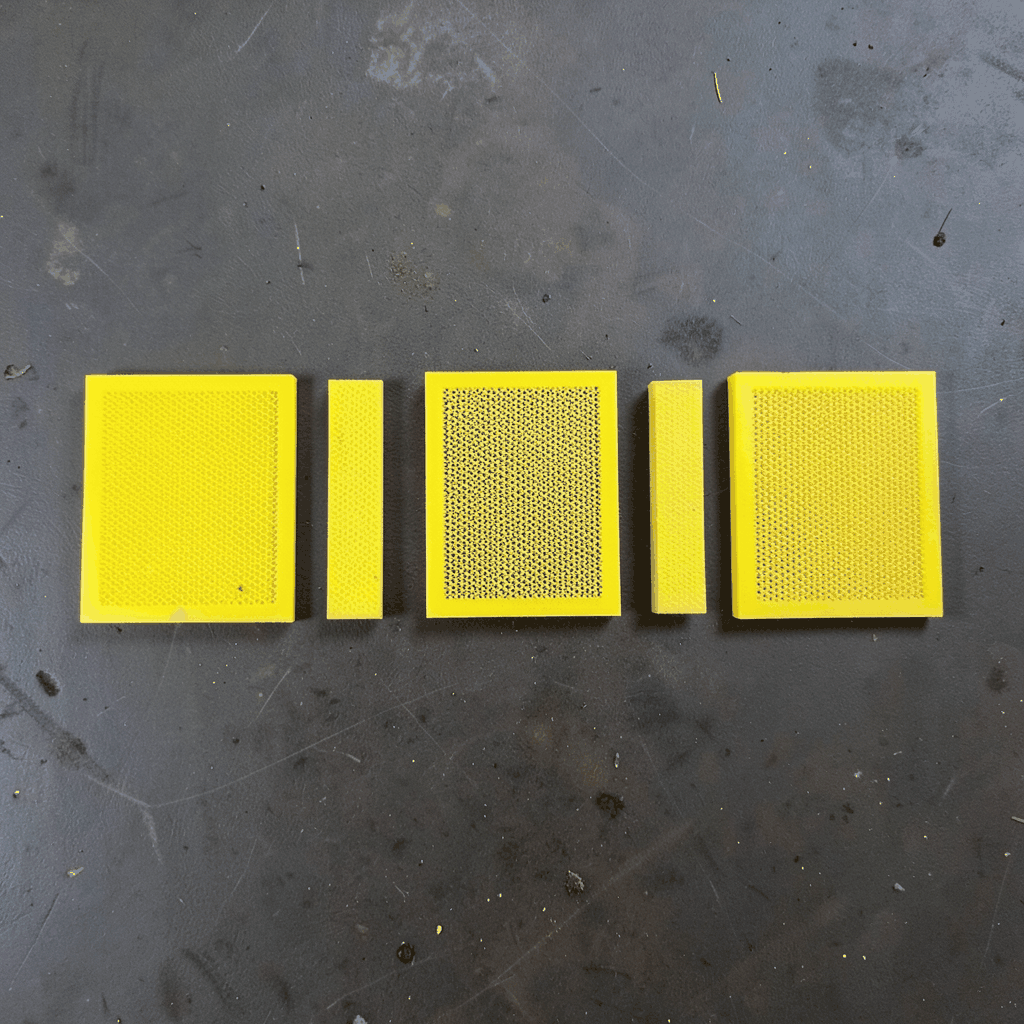
Custom Mesh Screens For Vibratory Separators And Sifters
Vibratory separators and sifters depend on a working screen that keeps its aperture under constant movement, impact and material flow. A poorly selected panel can blind quickly, stretch at the edges or release particles outside the required size range. A custom mesh screen gives Australian processors greater control over separation accuracy, service life and maintenance costs.
Wire diameter, aperture shape, alloy selection, panel dimensions and fixing details all influence performance. The right screen may be used in food processing, quarrying, recycling, mineral handling, agriculture, powder production or chemical manufacturing. It should match the machine, the product and the conditions at the installation site rather than being treated as a generic replacement part.
Choosing Mesh For Separation Duty
A vibratory separator uses controlled movement to stratify material across a screen surface. Smaller particles pass through the openings while larger pieces travel towards the discharge point. The result depends on the relationship between vibration frequency, deck angle, feed rate, material moisture and the open area of the wire mesh.
A replacement screen should therefore be specified from operating data rather than aperture size alone. A fine powder may require a closely woven stainless steel cloth, while crushed stone may need a heavier welded or woven screen with greater resistance to impact. For sticky materials, a self-cleaning design or a more open aperture may reduce blinding.
Screening conditions vary across Australia. A quarry near Perth may process abrasive aggregate, a grain facility in regional New South Wales may handle seasonal surges, and a recycling plant in Melbourne may deal with mixed, irregular feedstock. Each application calls for a different balance between screening efficiency, tensile strength and replacement frequency.
Opening Size And Wire Geometry
The clear opening controls the size range that can pass through the separator. Square openings provide predictable sizing for many dry products, while rectangular or elongated openings can increase throughput and reduce the risk of near-sized particles becoming trapped. The wire diameter also affects open area: heavier wire lasts longer but leaves less free space for material flow.
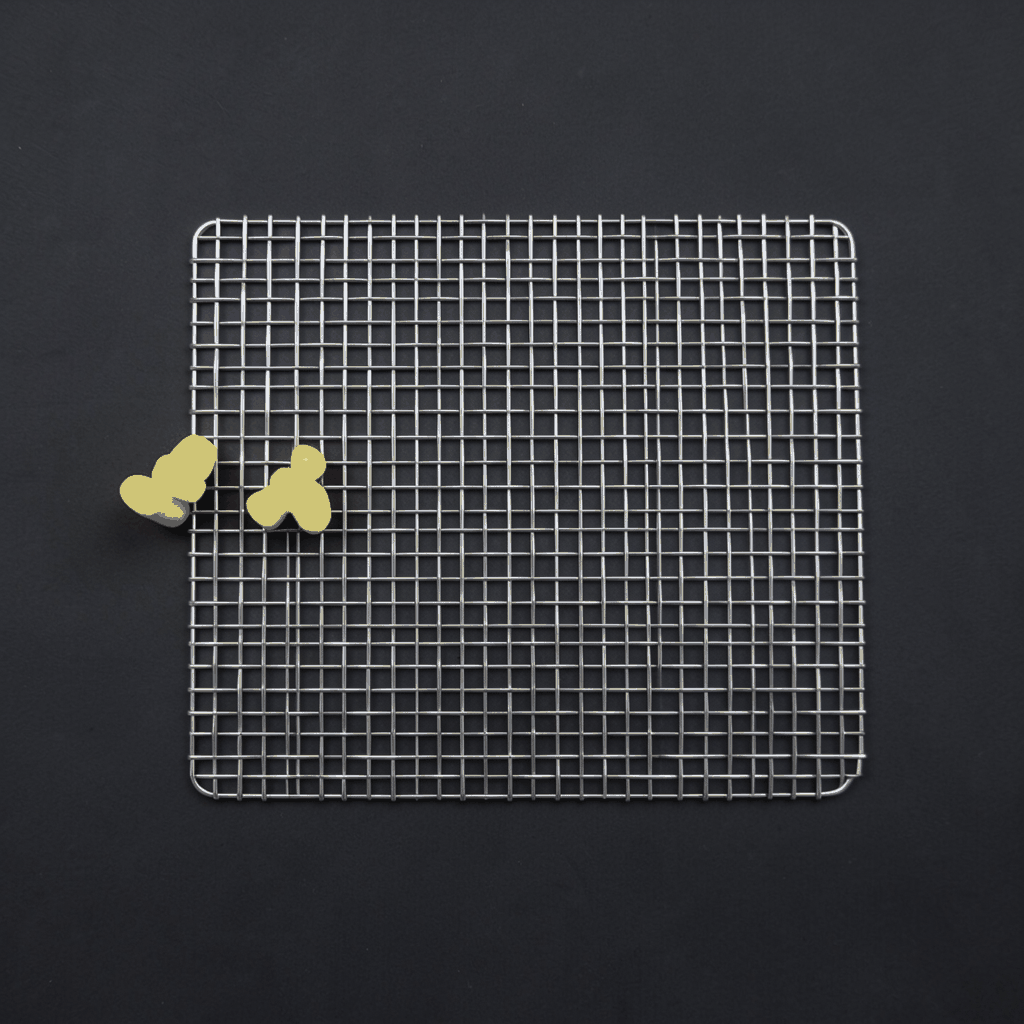
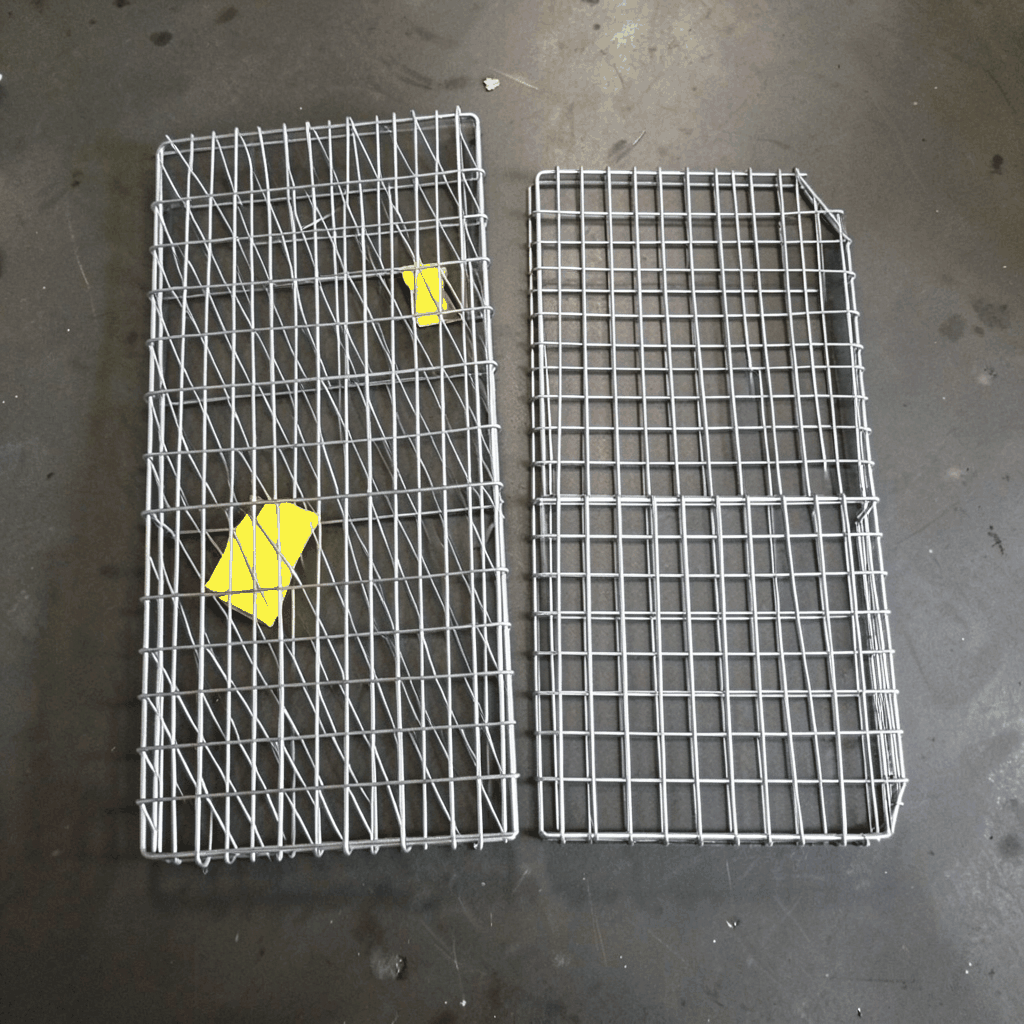
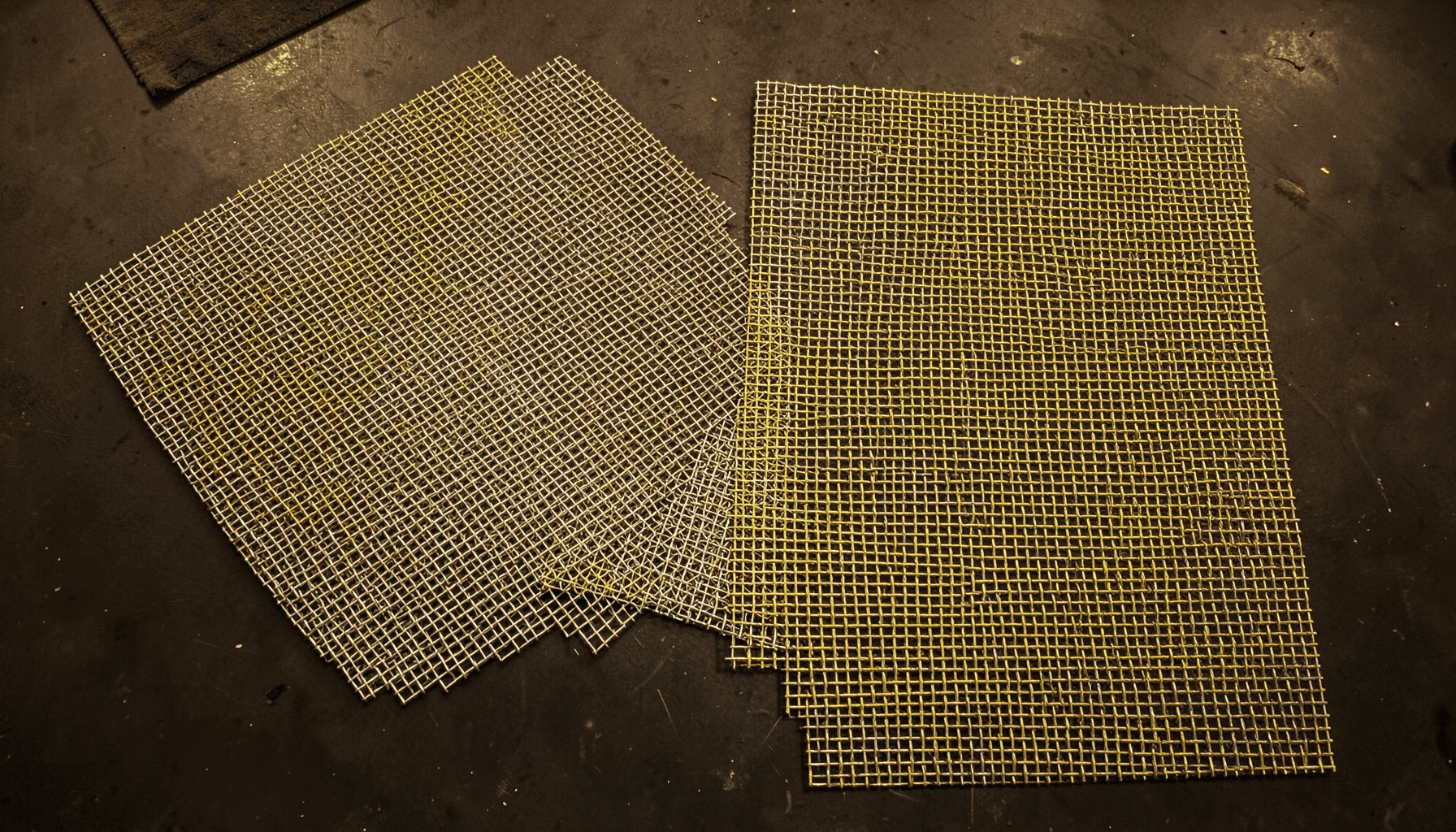
Woven wire mesh is available in plain weave, twilled weave and other patterns suited to different particle sizes and load conditions. Plain weave is common for general screening, while a stronger weave may be useful where fine openings must withstand higher tension. Welded mesh can provide a rigid panel for larger particles, although its joints and edge construction must suit repeated vibration.
Tolerance matters when the screened product has a narrow specification. A small variation in aperture can influence grading, powder consistency or downstream equipment performance. The supplier should confirm the nominal opening, wire diameter, mesh count, panel flatness and acceptable tolerance before production begins.
Materials For Australian Conditions
Stainless steel is widely selected for screens exposed to moisture, washdown, corrosion or food contact. Grades such as 304 and 316 may be considered according to the chemical environment, chloride exposure and cleaning regime. Coastal sites around Sydney, Adelaide or Darwin can place additional demands on corrosion resistance, particularly where salt-laden air and frequent washing occur.
Carbon steel and galvanised steel can be practical for dry aggregate, general industrial separation and heavy-duty screening. They may offer useful strength and cost efficiency, but the coating or surface protection needs to match abrasion, humidity and chemical exposure. Aluminium is lighter and can suit applications where reduced handling weight is important, though it may not be appropriate for severe impact or high-wear service.
Material selection should also account for contamination risks. In food and beverage facilities, smooth surfaces, cleanable construction and suitable documentation support hygienic operation. Australian businesses must manage workplace risks under applicable state or territory work health and safety legislation, while food businesses also need processes consistent with the Food Standards Code where the screen contacts food or ingredients.
Frame Design And Installation
The screen panel must fit the separator deck accurately. Useful details include overall length and width, screen thickness, hook or clamp style, tensioning method, support spacing and the direction of material flow. A panel that is slightly too large may buckle during installation, while an undersized panel can permit bypass around the edges.
Tensioned woven screens often use hooked edges, side clamps or specialised rails. Flat panels may be bolted, clipped or installed within a supporting frame. The fixing system should spread load evenly and prevent local stress at the corners. Rubber strips, backing bars and flexible seals can help reduce vibration damage and limit material leakage.
Installation should be completed with the machine isolated and secured against unexpected movement. Under Australia’s model WHS framework and corresponding state or territory laws, businesses have duties to identify hazards, provide safe systems of work and control risks associated with machinery. Guarding, lockout procedures and access around the vibrating deck should be reviewed whenever a screen is changed.
Compliance And Safe Operation
A mesh screen is a machine component, but it also forms part of the site’s broader safety system. Exposed moving decks, pinch points, rotating drives and stored tension can create serious hazards during inspection or replacement. The separator should have suitable guarding, emergency stopping arrangements and clear maintenance procedures.
AS 4024 safety principles are commonly referenced in Australian machinery risk management, alongside site-specific procedures and manufacturer instructions. The exact obligations depend on the equipment and jurisdiction, so the responsible person should verify requirements with a competent safety professional. Documentation for the mesh can support traceability, especially in regulated processing environments.
Product safety also depends on correct operating limits. Excessive feed rate, unbalanced loading or incorrect vibration settings can shorten screen life and reduce separation accuracy. Operators should monitor unusual noise, movement, dust, broken wires and material carryover rather than waiting for a complete failure.
Cleaning, Wear And Maintenance
Screen performance gradually changes as openings become blocked, wires wear down or tension decreases. Fine particles can lodge in the apertures, particularly when material contains moisture, oil or static-charged dust. Regular inspection helps identify blinding before it affects production quality and gives maintenance teams time to schedule a controlled replacement.
Cleaning methods should suit the wire alloy and the product. Dry brushing, low-pressure air, approved washdown systems or gentle screen-cleaning devices may be suitable, depending on the process. Harsh chemicals, aggressive scraping and high-pressure jets can damage the mesh or drive contamination into joints and support areas.
Wear is often concentrated near the feed zone, side supports and discharge end. Abrasive particles may enlarge openings and reduce grading accuracy, while impact can deform wires or loosen fasteners. A maintenance record covering installation date, product type, operating hours and observed wear can help determine the most economical replacement interval.
Custom Manufacturing And Supply
A custom order should begin with a clear technical brief. Provide the separator model, existing screen drawing, dimensions, aperture, wire diameter, material grade, edge finish, fixing arrangement and expected duty. Photos of the deck and worn component can help clarify details, but measured drawings remain important when a replacement must fit without modification.
Manufacturers can produce woven wire cloth, welded mesh, perforated support elements and fabricated screen panels in different metals. A specialist custom mesh manufacturer can also help coordinate cut-to-size panels, reinforced edges, hooks, frames and other details for a particular separator design. This is useful when an imported machine has unusual dimensions or when a local plant needs a modified replacement.
Australian procurement teams should consider lead time, packaging, batch consistency and replacement availability. A few spare panels may be worthwhile for remote operations, mines and regional processing plants where freight delays can interrupt production. Clear labelling of aperture, alloy and panel position helps warehouse staff issue the correct screen quickly.
Specification Checklist And Ordering Details
Before requesting a quotation, record the operating information that affects screen selection. These details reduce back-and-forth communication and make it easier to compare technically equivalent offers.
- Material type, particle size, moisture and abrasiveness
- Required cut point, throughput and feed rate
- Screen dimensions, aperture and wire diameter
- Separator model, fixing method and deck position
The finished panel should also be checked against the machine and the site’s maintenance process. A concise inspection record can cover the following points:
- Confirm alloy, weave, aperture and edge construction
- Check flatness, tension and support contact
- Inspect guards, clamps and locking arrangements
- Record installation date and initial operating condition
A technically correct mesh screen can improve separation stability, reduce unplanned stoppages and protect downstream equipment from oversized or contaminated material. It can also simplify inventory management when each panel is identified by a consistent specification rather than a vague description such as “fine screen” or “heavy mesh.”
For Australian facilities, the best result comes from connecting screen design with local operating realities: dusty summers, coastal corrosion, long transport distances, high labour costs and strict workplace expectations. Share the separator details, material conditions and required screen dimensions with a qualified metal mesh supplier to obtain a purpose-built panel ready for reliable service.