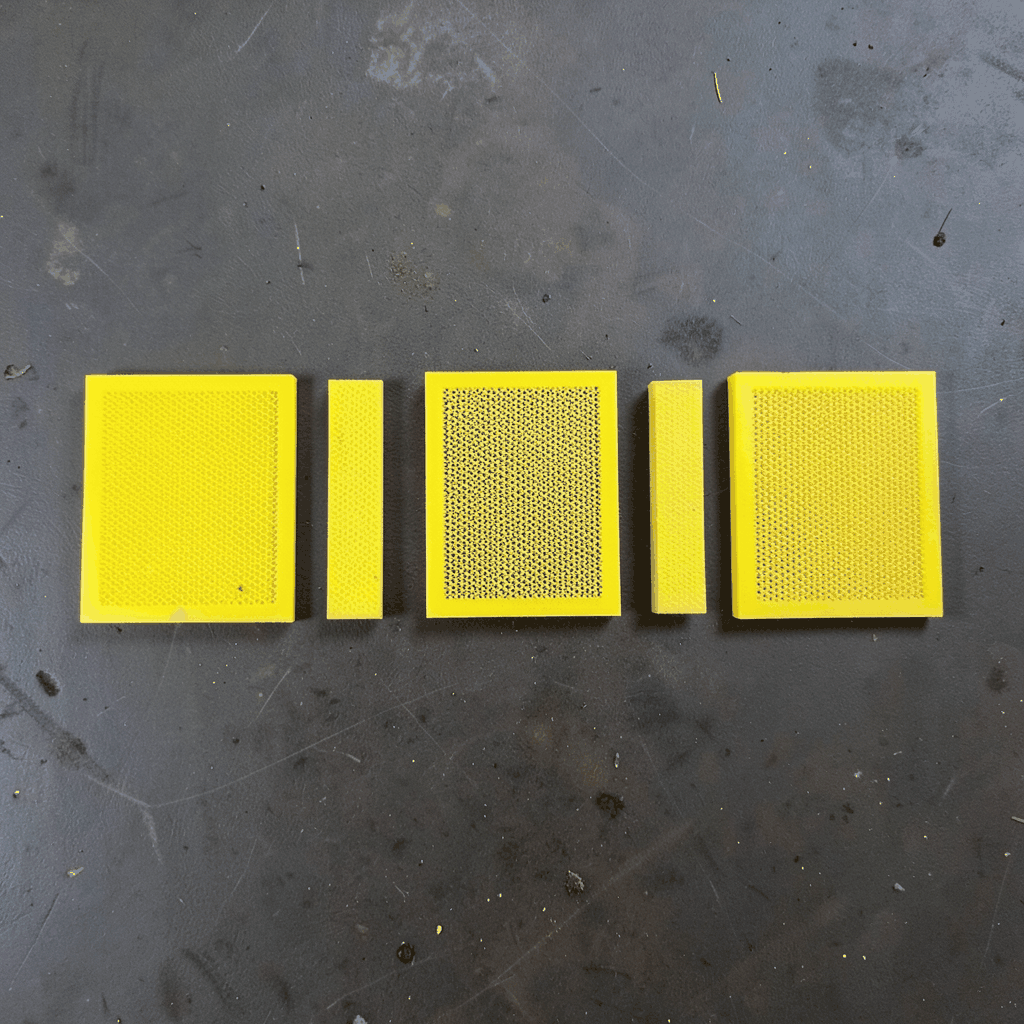
Custom Mesh Sizes for Reliable Agricultural Bird And Pest Exclusion
Agricultural facilities face a wide range of intrusion risks, from small flying insects around greenhouse vents to birds entering orchards, poultry houses, storage buildings, and processing areas. A mesh screen that works for one site may be unsuitable for another because pest species, ventilation needs, crop conditions, and structural openings vary considerably.
Selecting the right aperture size is therefore an engineering decision rather than a simple product purchase. The opening must be small enough to block the target pest while allowing sufficient airflow, light transmission, drainage, and access for routine maintenance. Mesh material, wire diameter, panel dimensions, edge treatment, and installation method all influence the final performance of the exclusion system.
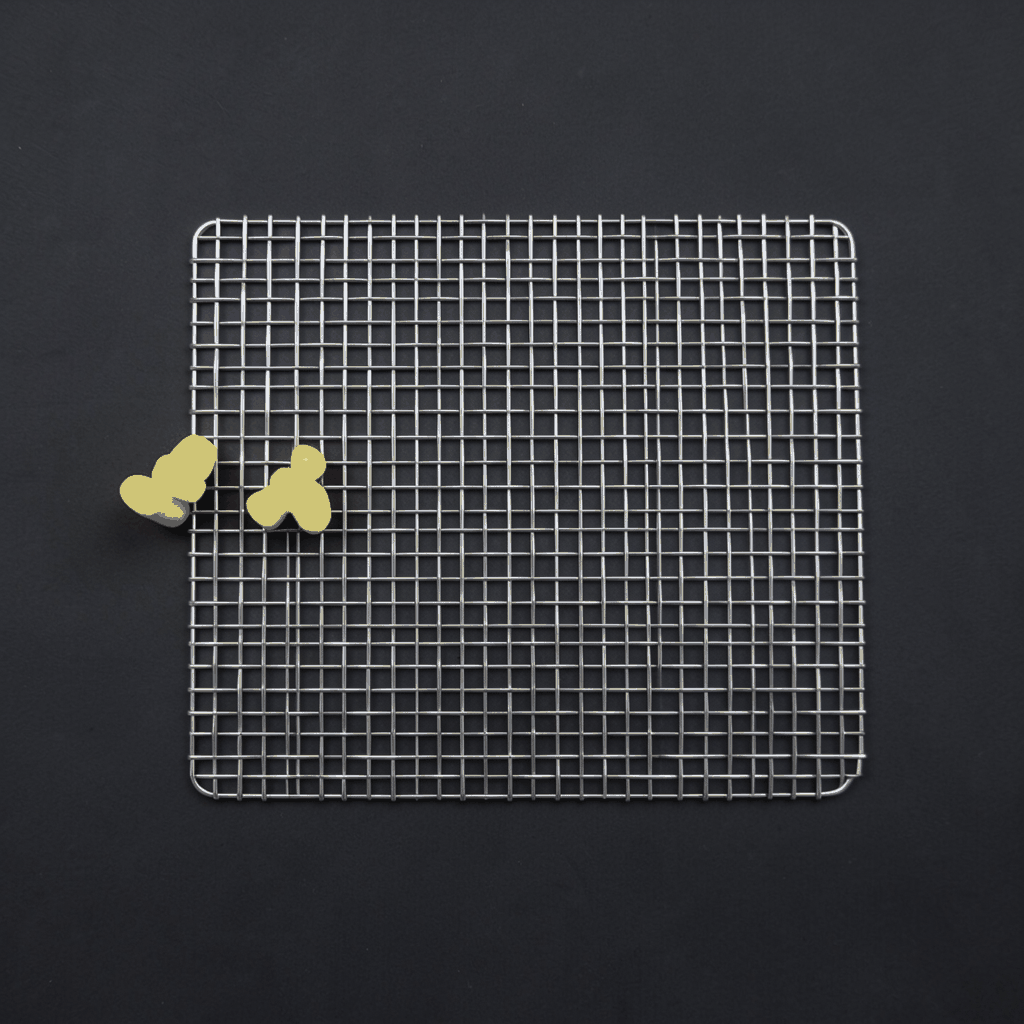
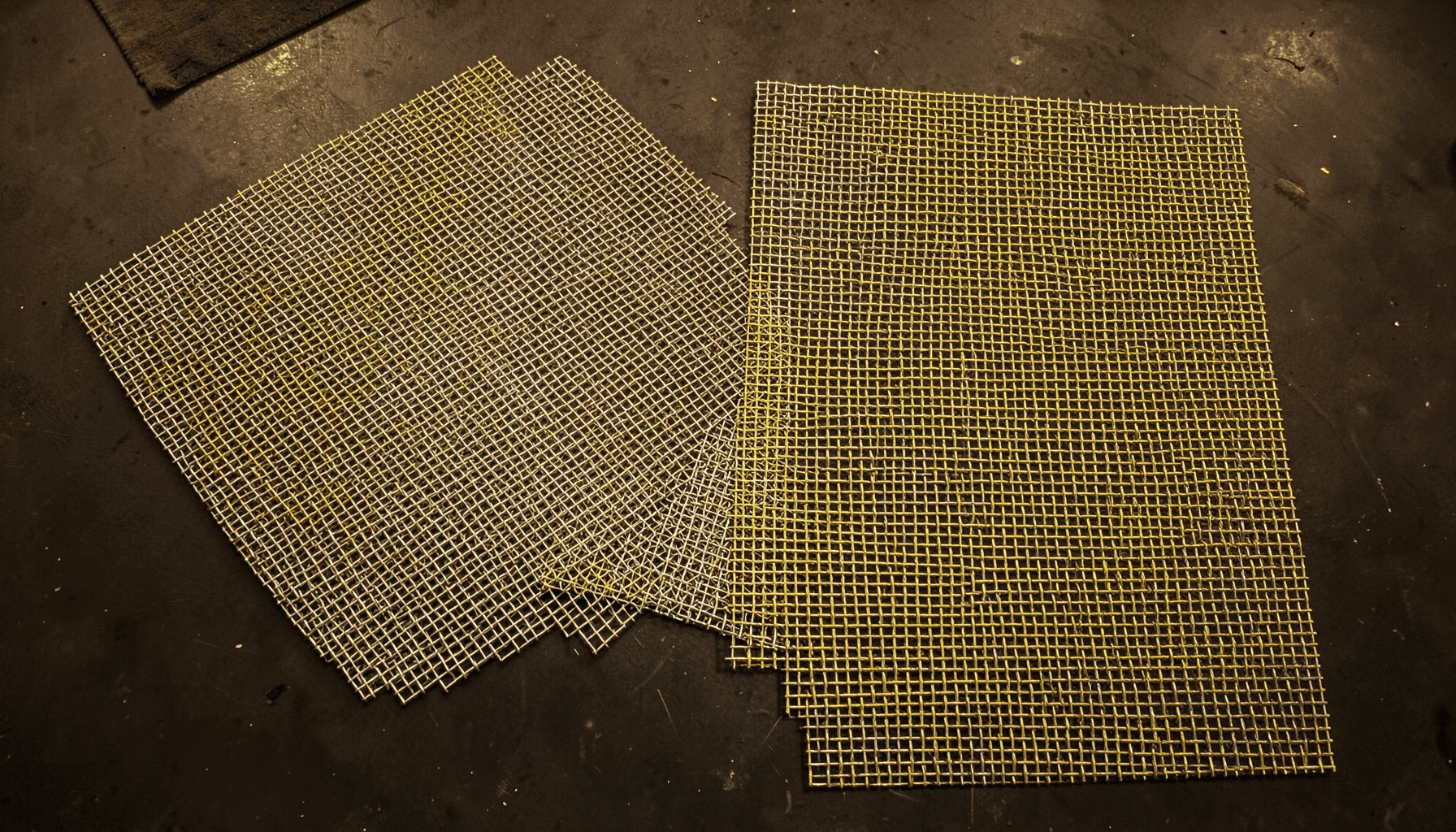
Shuo Ke Wire Mesh Product Technology Co., Ltd. manufactures and processes stainless steel, aluminum, iron, copper, and alloy mesh for customized agricultural applications. Its production capabilities support bird screens, insect barriers, guards, partitions, protective panels, and fabricated components designed around the dimensions and operating conditions of each project.
Why Aperture Size Matters In Agricultural Protection
Mesh aperture describes the clear opening between adjacent wires. It is commonly specified in millimeters, although some projects use mesh count, which indicates the number of openings per linear inch. These measurements should not be confused: two meshes with the same nominal mesh count can have different clear openings when their wire diameters differ.
A larger opening provides better airflow and usually allows more natural light to pass through. It also reduces material usage and can lower the weight of a screen. However, oversized openings may allow small birds, rodents, moths, beetles, flies, or other unwanted organisms to pass through. An opening that is too small can restrict ventilation, collect dust, and increase pressure on a greenhouse or building frame.
The correct specification begins with the pest being excluded and the opening being protected. Roof vents, intake fans, doors, drainage channels, crop rows, and storage openings may each require different mesh dimensions. A layered design can be effective when a facility needs coarse bird protection on a large exterior area and finer insect screening at selected ventilation points.
Matching Mesh Openings To Target Pests
Bird exclusion generally uses a larger aperture than insect exclusion. The mesh must prevent the target bird from passing through while resisting pecking, climbing, wind movement, and repeated contact. Poultry and fruit-growing facilities often require a durable bird net or welded wire screen around entrances, roof structures, loading zones, and crop protection frames.
Small birds can pass through surprisingly narrow spaces, especially when the opening is flexible or the screen is installed under tension. For that reason, the practical gap at joints, corners, doors, and frame edges must be considered along with the nominal mesh aperture. A well-made panel with a suitable opening can still fail if perimeter gaps remain unsealed.
Pest exclusion covers a wider range of requirements. Coarse insect screens may be suitable for larger flying pests, while fine insect mesh is needed for aphids, thrips, whiteflies, leaf miners, and other small organisms. Rodent control usually depends on a substantially stronger welded or woven wire mesh with smaller openings and a heavier wire diameter. The required design should reflect the smallest relevant pest, not simply the most visible one.
Material selection also affects service life. Stainless steel insect screen offers corrosion resistance in humid, fertilizer-rich, or washdown environments. Aluminum mesh is lightweight and practical for many greenhouse panels and ventilation assemblies. Galvanized or coated steel may be suitable where impact resistance and structural rigidity are priorities, provided the coating is compatible with local moisture and chemical exposure.
Mesh Specifications For Common Farm Applications
There is no universal aperture size for every agricultural project. The following ranges are general starting points for discussion with a mesh manufacturer. Actual selection should account for pest species, local regulations, air exchange requirements, wire thickness, and the construction of the supporting frame.
| Agricultural application | Typical mesh opening range | Primary design objective | Common material options |
|---|---|---|---|
| Large bird exclusion around orchards and open structures | 15–30 mm | Block target birds while preserving airflow | UV-stabilized netting, aluminum, coated steel |
| Small bird screen for poultry and storage areas | 10–20 mm | Prevent entry through vents, eaves, and openings | Stainless steel, galvanized steel, aluminum |
| General fly and larger insect control | 2–5 mm | Reduce flying insect access with moderate ventilation | Aluminum, stainless steel, coated wire |
| Greenhouse insect screen for smaller pests | 0.8–2 mm | Limit entry by aphids, whiteflies, and similar insects | Stainless steel, aluminum, synthetic-supported mesh |
| Fine insect exclusion for sensitive crops | 0.3–0.8 mm | Improve crop protection against very small insects | Fine stainless steel or specialized screen |
| Rodent-resistant equipment and building guards | 6–12 mm | Resist gnawing and physical intrusion | Welded stainless steel or coated steel |
| Floor drains, channels, and intake guards | Project-specific | Combine exclusion, drainage, and mechanical strength | Stainless steel, galvanized steel |
These figures should not be treated as fixed standards. For example, a 1 mm opening may block a particular insect population but could reduce ventilation enough to raise humidity inside a greenhouse. A 20 mm bird screen may work on a high roof but may be inadequate around a feed storage area where smaller birds are present.
Mesh count is sometimes used in agricultural screening specifications, but clear aperture provides a more reliable basis for comparison. When requesting quotations, buyers should state the opening size, wire diameter, material grade, panel or roll dimensions, and acceptable tolerances. This avoids confusion between a fine-looking mesh count and the actual space available for pests to pass through.
Balancing Exclusion With Ventilation
Agricultural buildings depend on air movement to control temperature, moisture, carbon dioxide distribution, and disease pressure. A screen that blocks pests but severely limits air exchange may create an unsuitable growing environment. Engineers therefore evaluate open area, pressure drop, fan capacity, prevailing wind, and the location of each screened opening.
Open area is influenced by both aperture and wire diameter. Two screens with the same clear opening can provide different airflow if one uses thicker wire. Fine screens also collect dust, pollen, plant debris, and insect remains more quickly than coarse screens. This can gradually reduce effective ventilation even when the original specification was appropriate.
Screens should be positioned where they can be inspected and cleaned. Removable frames, hinged guards, access panels, and replaceable cartridges are practical for fan intakes, greenhouse vents, and processing rooms. In high-dust environments, a slightly coarser mesh with a planned cleaning schedule may perform better than a very fine screen that becomes blocked soon after installation.
Airflow calculations are especially important for mechanically ventilated poultry houses and livestock buildings. The screen must be compatible with the fan system at its expected operating pressure. A custom mesh manufacturer can assist by producing panels with consistent openings, reinforced edges, folded profiles, and mounting features that reduce leakage around the frame.
Choosing Materials And Construction Details
Stainless steel is often selected for agricultural screening where moisture, salt, disinfectants, or fertilizer residues may accelerate corrosion. Grades such as 304 and 316 are commonly considered according to the site environment. Stainless steel also provides a clean surface for food-related facilities and can maintain its appearance through repeated washing.
Aluminum offers lower weight and convenient handling for greenhouse screens, vent guards, partitions, and framed panels. It is useful where the supporting structure has limited load capacity or where workers need to remove screens frequently. Aluminum should still be evaluated for abrasion, chemical exposure, and contact with dissimilar metals that may create galvanic corrosion.
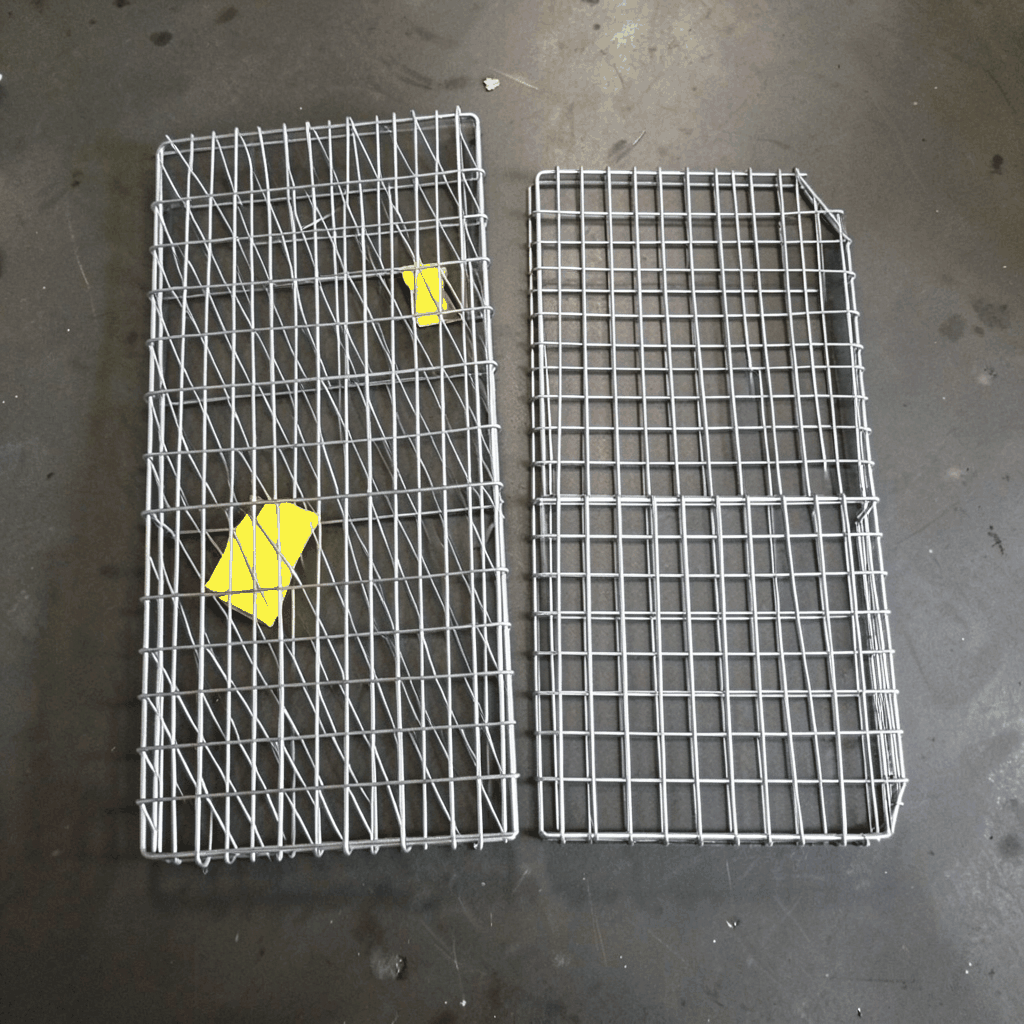
Steel mesh provides strength for impact-prone locations, security barriers, animal enclosures, and rodent-resistant guards. Welded mesh holds its shape well and can be fabricated into baskets, access panels, cages, and protective covers. Woven mesh offers flexibility and fine openings, making it useful for certain insect screens and curved or removable components.
Edge construction is as important as the central mesh field. Framed screens, folded edges, welded borders, eyelets, clips, and mounting holes can prevent fraying and simplify installation. For larger agricultural openings, modular panels may be easier to repair than a single oversized section. The design should also allow thermal movement, tension adjustment, and replacement after long-term exposure.
Planning A Custom Exclusion System
A successful project starts with a site survey. Record the dimensions of every opening, identify the pest species, note the ventilation function, and assess exposure to wind, rain, sunlight, washdown water, chemicals, and mechanical impact. Photographs and simple drawings can help a fabricator understand irregular corners, sloped roofs, access doors, and existing support members.
Useful decisions to confirm before production include:
- Specify the clear aperture and wire diameter separately.
- Identify the target pest and the smallest life stage that must be excluded.
- Calculate the required open area for natural or mechanical ventilation.
- Select stainless steel, aluminum, coated steel, or another alloy based on exposure.
- Define panel sizes, edge reinforcement, fixing holes, overlaps, and replacement access.
Custom fabrication is particularly valuable when screens must follow curved frames, fit around fans, cover large openings, or integrate with gates and service doors. Shuo Ke can process metal mesh into panels, guards, partitions, covers, and other engineered forms according to project drawings or measured dimensions.
The installation details should close the entire path of entry. Overlapping screens, sealed frame joints, protected corners, and properly fitted doors prevent pests from moving around the main mesh barrier. For bird control, tension and support spacing should prevent sagging. For fine insect screening, even a narrow perimeter gap can undermine the effectiveness of the complete system.
Maintaining Long-Term Exclusion Performance
Regular inspection helps identify stretched mesh, corrosion, torn sections, loose fasteners, blocked openings, and damaged seals. High-contact areas near doors, feed delivery points, harvest routes, and machinery deserve additional attention. Small repairs made early can prevent a minor opening from becoming a recurring pest entry route.
Cleaning procedures should match the material and site conditions. Soft brushing, low-pressure washing, or approved cleaning agents may be suitable for many screens, while aggressive tools can enlarge openings or damage protective coatings. Fine insect mesh may require more frequent cleaning because dust and biological residue reduce its open area.
A replacement schedule can be based on inspection results rather than a fixed number of years. Screens exposed to ultraviolet radiation, coastal air, ammonia, disinfectants, or heavy machinery may require earlier renewal than those installed in a protected indoor area. Keeping the original aperture, material grade, and fabrication details on record makes future replacement faster and more consistent.
When agricultural operations expand, a modular mesh system can also be extended to new vents, storage bays, or production areas. Consistent specifications simplify inventory and maintenance while allowing different mesh sizes to be used where each zone has a different exclusion requirement.
Contact Shuo Ke Wire Mesh Product Technology Co., Ltd. with opening dimensions, target pests, ventilation requirements, environmental conditions, and preferred material. Its customized metal mesh processing capabilities can help develop bird screens, insect barriers, rodent guards, framed panels, and fabricated agricultural components that combine practical exclusion with durable field performance.