Custom mesh sleeves for cable management and protection
Cable bundles are exposed to abrasion, sharp edges, dust, moving parts and frequent handling. A custom mesh sleeve adds a sacrificial barrier around those vulnerable routes while leaving individual cables identifiable and accessible. Unlike a loose wrap, a properly engineered sleeve controls snagging and spreads light contact loads across more of the bundle.
Metal sleeves can also provide electromagnetic shielding or an electrical bonding path, depending on their alloy, construction and terminations. Neither benefit should be assumed without testing the completed installation. The design must balance open area for inspection and cooling against protection, flexibility and the time available for installation.
China-based Shuo Ke Wire Mesh Product Technology Co., Ltd. produces woven and processed metal mesh for architectural, industrial and municipal uses. Its range includes stainless steel, aluminium, copper, iron and other alloys, giving buyers a practical base for custom protective mesh tubing. For Australian projects, the correct specification begins with the service environment rather than a standard bundle diameter.
Designing around the actual service environment
Begin by recording the cable bundle before choosing a sleeve size. Note its finished diameter, cable count, weight, movement, minimum bend radius, pull force at terminations and available installation space. A bundle measured before final dressing may be larger or less flexible than the installed arrangement. The sleeve should enclose the dressed bundle without pinching insulation or forcing a tight bend.
Define the failure modes that matter. Is the bundle rubbing against a tray edge, being handled by personnel, exposed to dust, crushed by a door, or carrying a signal that must remain free from interference? A sleeve intended for one route may need a different weave, closure or mounting arrangement from a sleeve used beside a production line. Static and moving applications should be documented separately.
Architectural and commercial work in Sydney and Melbourne adds another constraint: the sleeve may have to fit within a ceiling, joinery or façade zone without blocking inspection access. A removable closure can be valuable in an occupied building, whereas a continuous enclosure may be easier to justify in a locked plant room. Early coordination with electricians, fit-out crews and maintenance teams prevents a technically sound sleeve from becoming an installation problem.
Matching metals to Australian operating conditions
Stainless steel is a common starting point because it combines strength, abrasion resistance and a clean appearance. Grade 304 is often suitable for dry indoor or general industrial environments, while 316 contains molybdenum and performs better in chloride-rich conditions. Neither grade is immune to corrosion, particularly at crevices or damaged edges. For coastal projects around Adelaide, Brisbane or Newcastle, specify the environment and finish rather than relying on a generic stainless designation.
Aluminium’s lower density makes it useful for lightweight guards or shielding applications where impact loads are modest. Copper provides excellent conductivity for interference shielding, although its weight and cost may be less practical for long cable runs. Continuous metal shielding depends on good joints and terminations; loose overlaps can reduce performance. If the sleeve must be earthed or bonded, confirm the electrical design and test the finished assembly.
Heavy industrial routes through the Pilbara, around Gladstone’s port facilities or near Newcastle’s industrial estates can involve dust, vehicles and repeated handling. A heavier wire or denser pattern may be justified where impact and abrasion are the main risks, but it can reduce flexibility and make installation harder. Compatible fasteners and isolation barriers are important where aluminium could contact copper or carbon steel, since dissimilar metals can encourage galvanic corrosion in wet conditions.
Weave, dimensions and closures that work
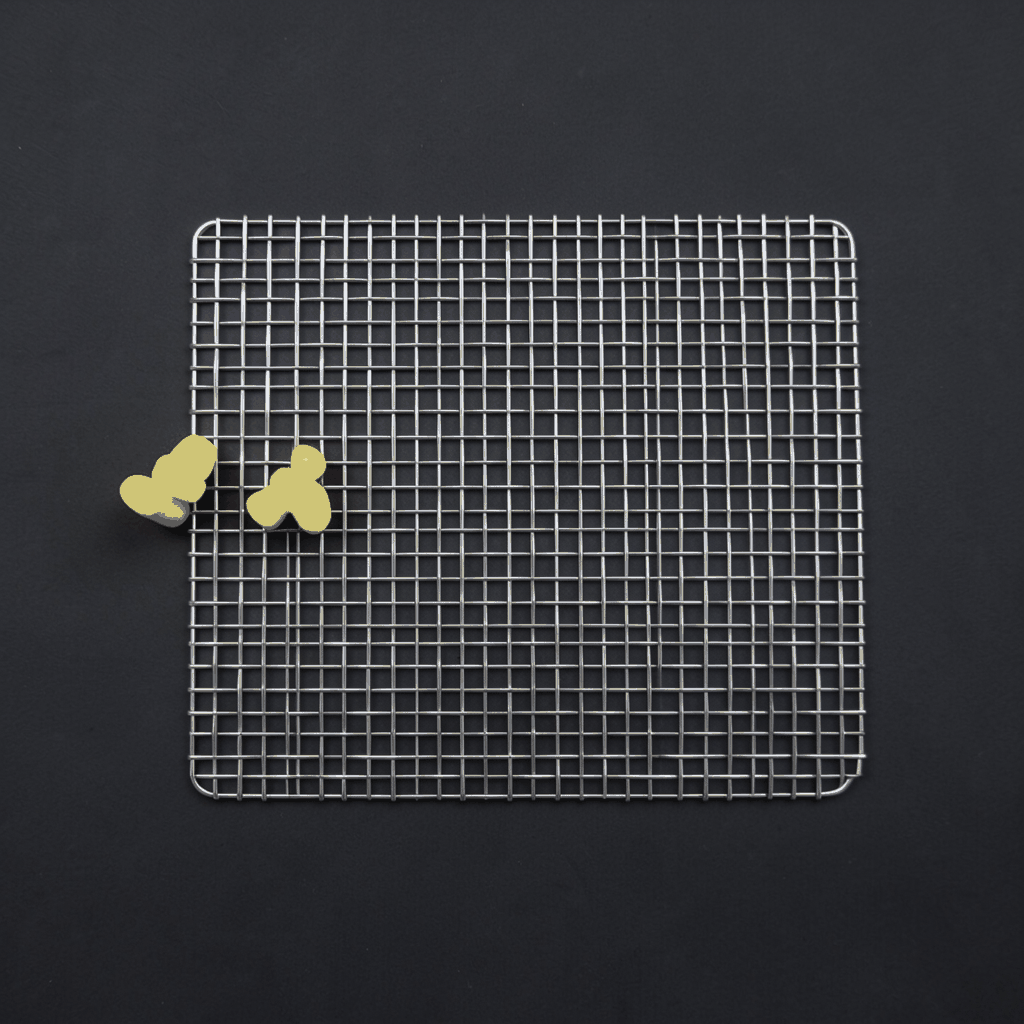
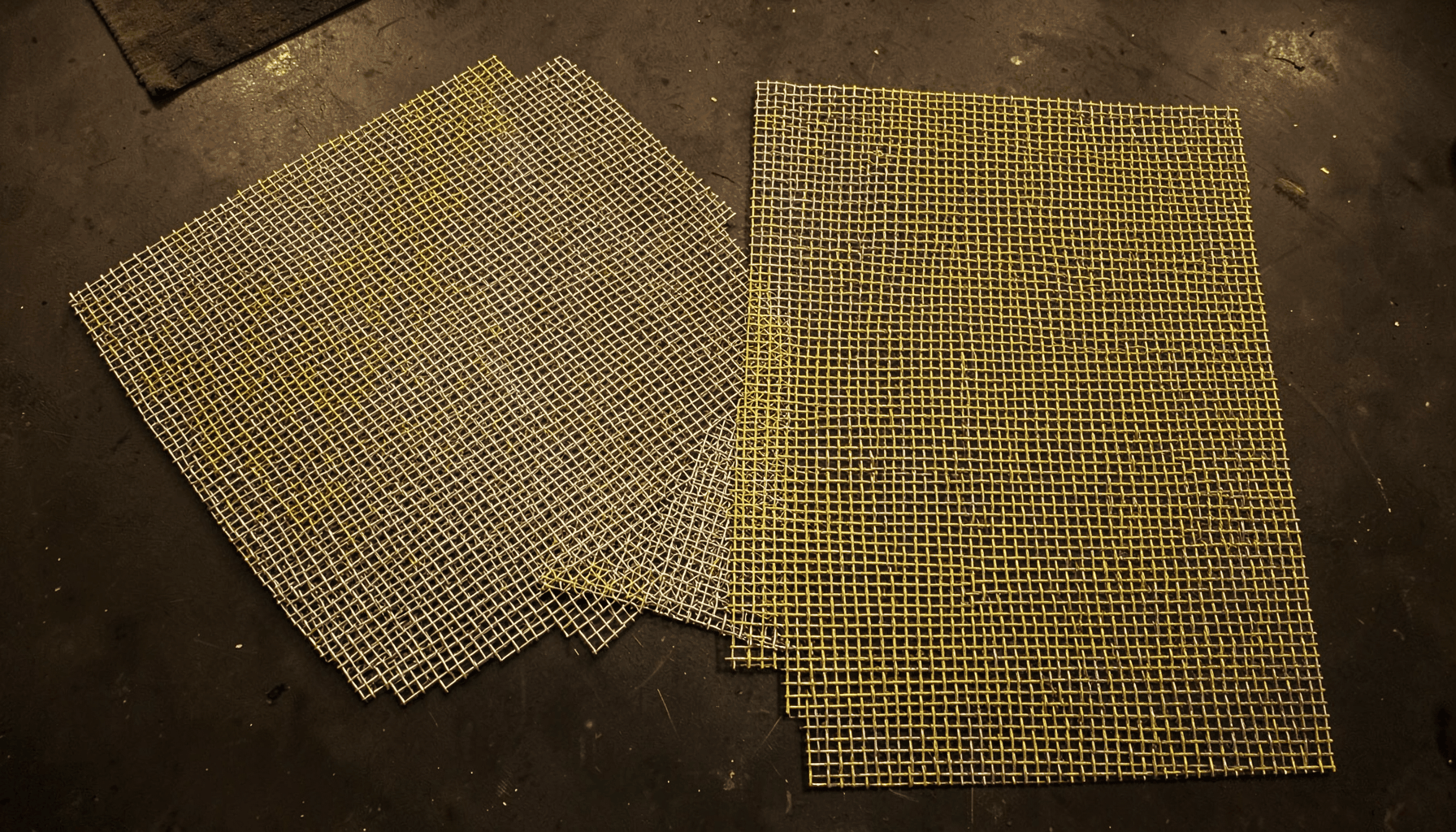
Mesh count, wire diameter and weave geometry determine how a sleeve handles abrasion and movement. Plain or twill weaves provide useful flexibility for general protection, while denser Dutch weaves can improve particle exclusion and shielding at the cost of stiffness. Braided cable guards can stretch and contract, so state both the working length and the closed diameter under normal installation tension. A sample made with the intended cable is more informative than a generic dimensional drawing.
Dimension the sleeve around the cable envelope, not just its maximum width. Include tolerances for fitting, the length needed to cover vulnerable zones and any strain relief at each end. Exposed cut ends can damage insulation, so folded edges, welded terminations or suitable end caps may be required. Thermal movement also matters on long outdoor runs, where a metal sleeve and its cable can expand by different amounts.
The closure method should reflect how often the bundle will be opened and who will operate it. An overlap-and-latch design can give good mechanical protection, while a split sleeve simplifies retrofit around existing cables but leaves edges more exposed. Industrial hook-and-loop, lacing or drawstring closures each have different durability limits. Where a sleeve must retain shielding or bonding continuity, specify how the joint is secured and how continuity will be verified after installation.
Prototyping, compliance and imported components
Prototype the shortlisted design with representative cables before approving production. Check fit, bend behaviour, edge abrasion, pull-out resistance, closure cycles and any change to signal performance. For corrosive sites, use suitable coupons or salt-spray testing under an agreed method. For shielding, measure the installed configuration rather than quoting a theoretical value for open mesh. A fit test on the actual route also reveals whether installers need tools or access that the drawing has overlooked.
Electrical compliance depends on what the product is and how it is used. Projects governed by electrical work must still be assessed against the wiring requirements of AS/NZS 3000, while a terminated plug or socket assembly may need to meet AS/NZS 3112 and applicable RCM requirements. A separate metal sleeve is not automatically an RCM-registered item, so ask for material declarations and test reports relevant to the actual configuration and intended market.
Direct imports need commercial and customs planning, not only a manufacturing drawing. Work with an experienced Australian customs broker to confirm tariff classification, Chinese origin, invoice values, packing lists and any applicable duty. GST on the taxable import value, where applicable, and import processing charges can change the landed cost used for project comparisons. Record the agreed technical standard, finish and inspection method on the purchase order so the Australian supplier and manufacturer inspect against the same requirements.
Practical guidance for Australian cable protection projects
A useful specification separates commercial intent from measurable performance. Protect the cable is too broad to accept against a quotation; resist abrasion at a named edge for a stated number of cycles can be tested. Apply the same discipline to corrosion exposure, tensile loading, mesh opening, fire-related restrictions and shielding. Include every part of the assembly, especially clips, closures and end treatments, since a strong mesh tube can still perform poorly if its fittings are undersized.
Each drawing should identify the finished bundle envelope, sleeve inside diameter, usable length, alloy and grade, mesh count, wire diameter, closure type and required tolerances. State the inspection and sampling plan, including what happens if a batch differs from the approved sample. Clear manufacturing and procurement records make it easier to compare alternatives, repeat the installation on another site and replace a damaged section without redesigning the route.
- Record the dressed bundle diameter, minimum bend radius, cable weight and available installation clearance before selecting the sleeve size.
- Specify the alloy, grade, surface finish and exposure environment instead of naming stainless steel alone.
- Set mesh count, wire diameter and weave construction against the required abrasion resistance, shielding and flexibility.
- Define the closure, edge treatment and mounting method according to the expected maintenance and handling frequency.
- Agree measurable proof loads, inspection criteria and acceptance tolerances before releasing the production drawing.
- Request representative samples, material records and relevant test reports for the complete sleeve assembly.
Specify the duty, not just the diameter. Send Shuo Ke a bundle sketch, operating environment and certification constraints, then request a drawing and physical sample of the custom mesh sleeve options. A sample approved on the actual cable route provides a clear baseline for fit, protection and maintenance before production begins.