Custom Mesh Sleeves for Filter Elements in Hydraulic Fluid Systems
Hydraulic equipment depends on clean, stable fluid to transmit power, lubricate moving parts, and maintain predictable control. Contaminants such as metal particles, scale, dust, fibers, and degraded seal material can damage pumps, valves, cylinders, and proportional components. A properly engineered filter element helps control this contamination, while a metal mesh sleeve can provide essential support, protection, and flow distribution around the filter assembly.
Custom mesh sleeves for filter elements in hydraulic fluid systems are designed around the actual operating conditions of the equipment. Diameter, length, mesh opening, wire diameter, material, seam construction, and end treatment all affect performance. Standard screens may be suitable for general applications, but a custom sleeve is often the better choice when the filter must fit a restricted housing, withstand pressure fluctuations, or operate with a specific hydraulic fluid.
Shuo Ke Wire Mesh Product Technology Co., Ltd. manufactures and processes metal mesh products for industrial, architectural, and practical engineering applications. Its experience with stainless steel, aluminum, copper, iron, and other alloys supports the production of formed mesh components for filtration, protection, and fluid-handling systems.
The Role Of A Mesh Sleeve In Hydraulic Filtration
A mesh sleeve can serve as a protective outer layer, a structural support for filter media, or a pre-filtration surface that captures larger particles before they reach finer filter material. In a pleated, cylindrical, or layered filter element, the sleeve helps maintain the designed shape as fluid passes through the assembly. This is especially important when the element experiences differential pressure, vibration, or repeated pressure cycling.
The sleeve may be installed inside the filter media, outside it, or around a complete cartridge. An internal support sleeve prevents collapse toward the center tube, while an external cage helps prevent bulging and mechanical damage. In some designs, the metal mesh itself performs the primary screening function. The correct arrangement depends on the required filtration rating, available flow area, pressure direction, and housing configuration.
Hydraulic systems often operate in demanding environments where a filter element may be exposed to heat, oil additives, moisture, and mechanical shock. A robust wire mesh sleeve can protect delicate media during installation and service. It may also make cleaning, inspection, and refurbishment more practical when the application uses a reusable filter assembly.
Materials Selected For Fluid Compatibility And Service Life
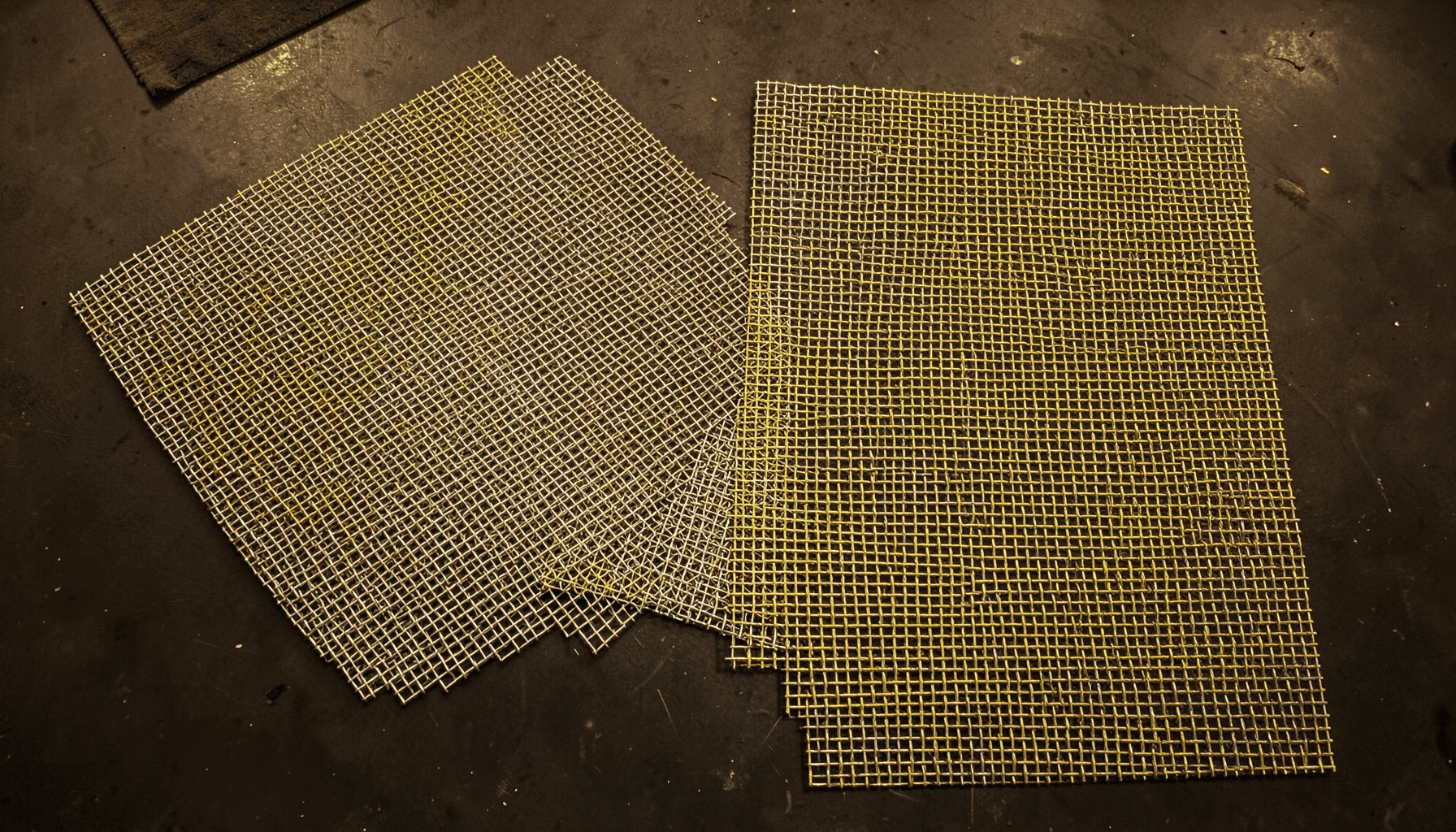
Stainless steel is a common choice for hydraulic filter support sleeves because it combines corrosion resistance, strength, dimensional stability, and broad fluid compatibility. Stainless wire mesh can be supplied in different grades according to the fluid, temperature, and surrounding environment. It is useful in mobile equipment, industrial power units, process machinery, and systems exposed to moisture or cleaning chemicals.
Carbon steel and iron mesh can be considered where the environment is controlled and cost efficiency is a priority. These materials may require a protective finish or coating when corrosion exposure is present. Aluminum offers low weight and good formability, which can benefit portable or weight-sensitive equipment, although its suitability must be checked against the hydraulic fluid, pressure, and temperature conditions.
Copper and special alloys may be selected for specific conductivity, corrosion, or fabrication requirements. Material selection should account for more than the base fluid. Additives, operating temperature, water contamination, galvanic contact with other components, and cleaning chemicals can all influence long-term performance. Shuo Ke can process different metal materials according to the required mesh construction and component geometry.
Design Details That Influence Filter Performance
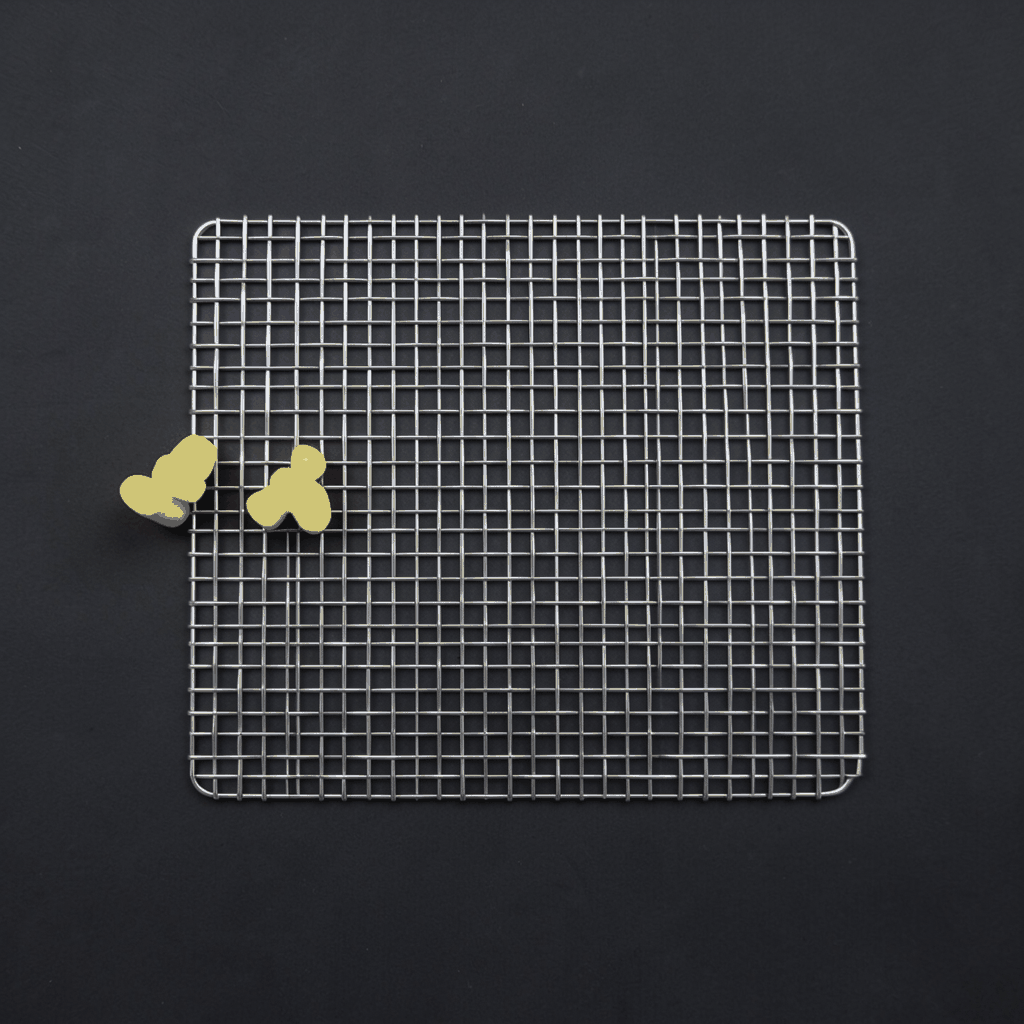
The mesh opening determines which particles can pass through the screen, while wire diameter affects strength, open area, pressure drop, and resistance to deformation. A finer mesh can support tighter particle control, but it may reduce flow capacity and become more sensitive to clogging. A coarser mesh generally provides higher flow and stronger mechanical support, making it suitable for pre-filtration or protective cage applications.
Sleeve diameter and length must match the filter element and housing with enough precision for installation and operation. Excessive clearance can allow movement, vibration, or uneven loading. Insufficient clearance can create assembly problems and may restrict fluid passage. End rings, rolled edges, welded seams, crimped joints, and formed collars can be added to improve positioning and handling.
The sleeve’s open area is also important. A filter may have the correct nominal mesh size yet perform poorly if the total available flow area is too small. Engineers should consider the effective open area after forming, joining, coating, and installing the sleeve. Fluid direction, pressure differential, viscosity, and expected contamination load should be evaluated together rather than treating mesh size as the only specification.
| Design Factor | Typical Options | Effect On The Filter Assembly |
|---|---|---|
| Mesh construction | Woven wire, expanded mesh, perforated support with mesh | Influences flow, strength, and filtration behavior |
| Metal material | Stainless steel, aluminum, copper, iron, alloy steel | Determines corrosion resistance, weight, and durability |
| Mesh opening | Coarse, medium, fine, or application-specific | Controls particle retention and pressure drop |
| Wire diameter | Light, standard, or reinforced | Balances open area with mechanical support |
| Sleeve profile | Round, oval, tapered, pleated, or formed | Allows the component to fit the housing and element |
| Joining method | Welded, crimped, rolled, stitched, or secured with rings | Affects seam strength, cleanliness, and service life |
| End treatment | Open ends, welded rings, collars, flanges, or caps | Supports installation, alignment, and sealing |
| Surface finish | Plain, polished, passivated, coated, or treated | Supports cleanliness and environmental resistance |
Custom Manufacturing For Different Filter Element Forms
Hydraulic filter cartridges do not all use the same geometry. Some are straight cylindrical elements, while others include tapered ends, stepped diameters, internal tubes, or unusual mounting features. A custom sleeve can be formed to follow these profiles, helping the filter sit securely within the housing and reducing the risk of bypass flow around the media.
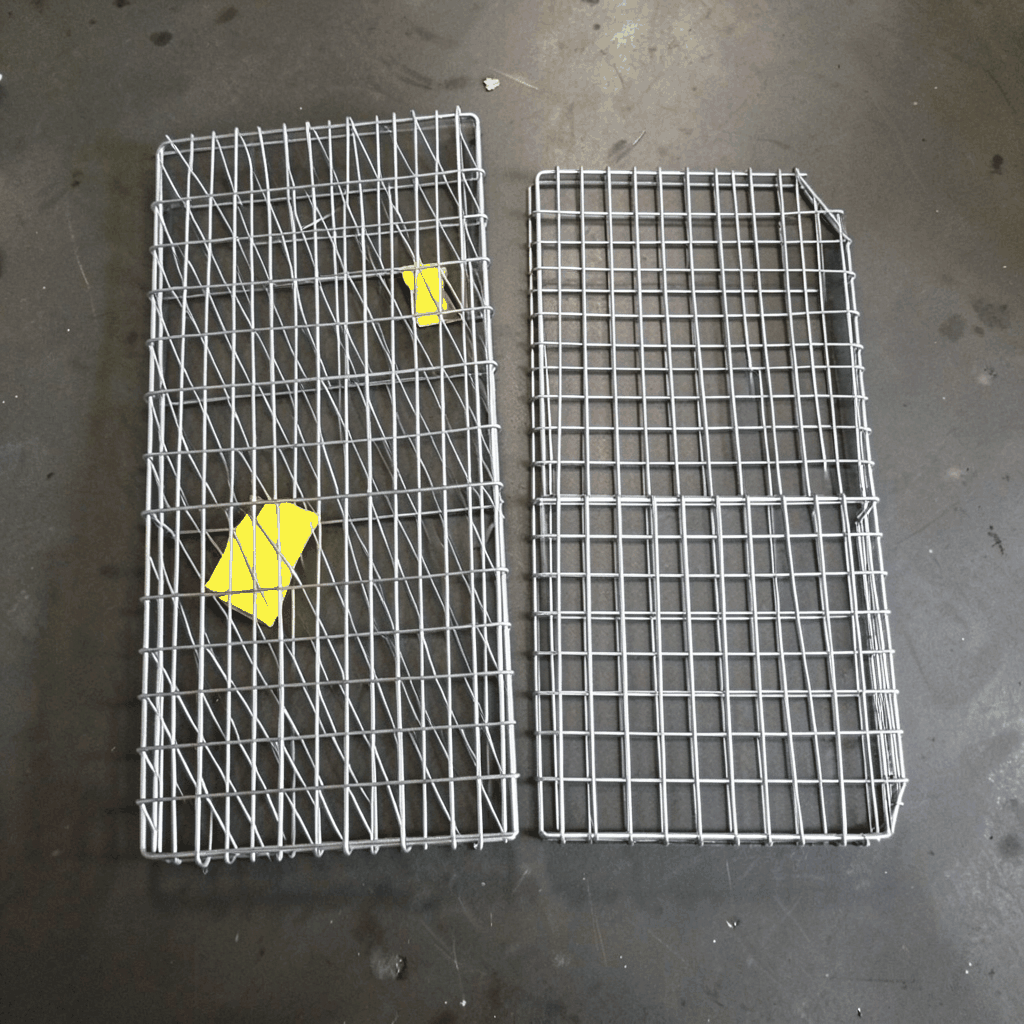
For cylindrical assemblies, the sleeve can be rolled and joined along a longitudinal seam. The seam may be welded, folded, or otherwise reinforced according to the required strength and finish. Welded mesh sleeves provide a stable structure for demanding applications, while crimped or mechanically formed designs may be suitable for lighter-duty components and easier production.
Shuo Ke’s processing capabilities can support cutting, forming, welding, edge treatment, and other customization requirements. Drawings, samples, or clear dimensional specifications can be used to develop a component that matches the filter element. Customization may include mounting holes, reinforcing rings, tabs, flanges, variable mesh sections, or a combination of coarse and fine screening layers.
Hydraulic Applications That Benefit From Protective Mesh
Hydraulic power units, injection molding equipment, construction machinery, agricultural machines, lifting systems, and industrial automation equipment all rely on fluid cleanliness. In these systems, mesh sleeves can protect suction strainers, return-line filters, pressure-line filter elements, and reservoir screens. The appropriate design depends on whether the sleeve is exposed to pump suction, high-pressure flow, return flow, or internal bypass conditions.
Suction strainers typically require low resistance to flow because excessive pressure loss can contribute to pump cavitation. A sleeve used in this position may prioritize open area and mechanical strength over very fine particle retention. Return-line and pressure-line assemblies may require different mesh characteristics because they operate with different pressures, flow rates, and contamination conditions.
Mesh sleeves are also useful where filter media needs physical reinforcement. During servicing, a cartridge may be removed, cleaned, or replaced several times. A stable metal support protects the media from tearing and helps maintain consistent spacing. In systems with pulsating flow or vibration, the sleeve can reduce movement that might otherwise cause abrasion between the filter and its housing.
Quality Checks For Reliable Filter Components
Dimensional inspection is essential for a formed filter sleeve. Diameter, roundness, length, seam position, end geometry, and mounting features should be checked against the approved drawing or sample. A sleeve that is slightly distorted may be difficult to install and can create uneven contact with the filter element.
Mesh quality should also be reviewed. Important checks include mesh count or opening size, wire diameter, uniformity, blocked openings, broken wires, burrs, and seam integrity. Clean edges matter because loose wire ends can damage filter media, seals, or maintenance personnel. Where the component is used in a clean hydraulic circuit, suitable cleaning and packaging procedures should be included in the production specification.
Material traceability and repeatability become increasingly important for recurring orders. A stable manufacturing process helps ensure that replacement sleeves fit the same filter element and deliver consistent flow characteristics. Before full production, buyers may request a prototype or sample inspection so that fit, assembly, and performance-related details can be confirmed.
Recommendations For Specifying A Mesh Sleeve
A complete specification reduces production delays and makes it easier to select the right construction. Buyers should provide as much application information as possible, including:
- Filter sleeve inside or outside diameter, overall length, wall thickness, and allowable tolerance
- Hydraulic fluid type, operating temperature, pressure range, flow rate, and expected contamination
- Required mesh opening, wire diameter, filtration target, and minimum open area
- Metal grade, surface finish, corrosion requirements, and compatibility with adjacent components
- Seam, edge, end ring, flange, mounting, packaging, and inspection requirements
When exact dimensions are not available, a physical sample or existing filter element can help establish the design. Photographs alone may support an initial discussion, but measured drawings and operating data provide a stronger basis for engineering. It is also useful to identify whether the sleeve is a disposable part, a reusable support, or a permanent structural component.
Cost should be evaluated together with service life and maintenance requirements. A lower-cost mesh may be unsuitable if it deforms, corrodes, or restricts flow after a short operating period. Conversely, an unnecessarily fine or heavy construction may increase pressure drop and production expense without improving filtration. The best design balances fluid cleanliness, mechanical protection, manufacturability, and total operating value.
Develop A Practical Filter Sleeve Solution
A custom metal mesh sleeve should be treated as a functional part of the hydraulic filter assembly rather than a simple piece of rolled screen. Its material, mesh structure, dimensions, joining method, and finish all contribute to system reliability. Careful design can improve media support, reduce bypass risk, simplify installation, and help the filter maintain stable performance under demanding conditions.
Shuo Ke Wire Mesh Product Technology Co., Ltd. can work from drawings, samples, or application requirements to produce customized mesh components for industrial filtration and protection. Share the filter dimensions, operating conditions, material preference, and required quantity with the engineering team to begin developing a durable sleeve matched to your hydraulic fluid system.