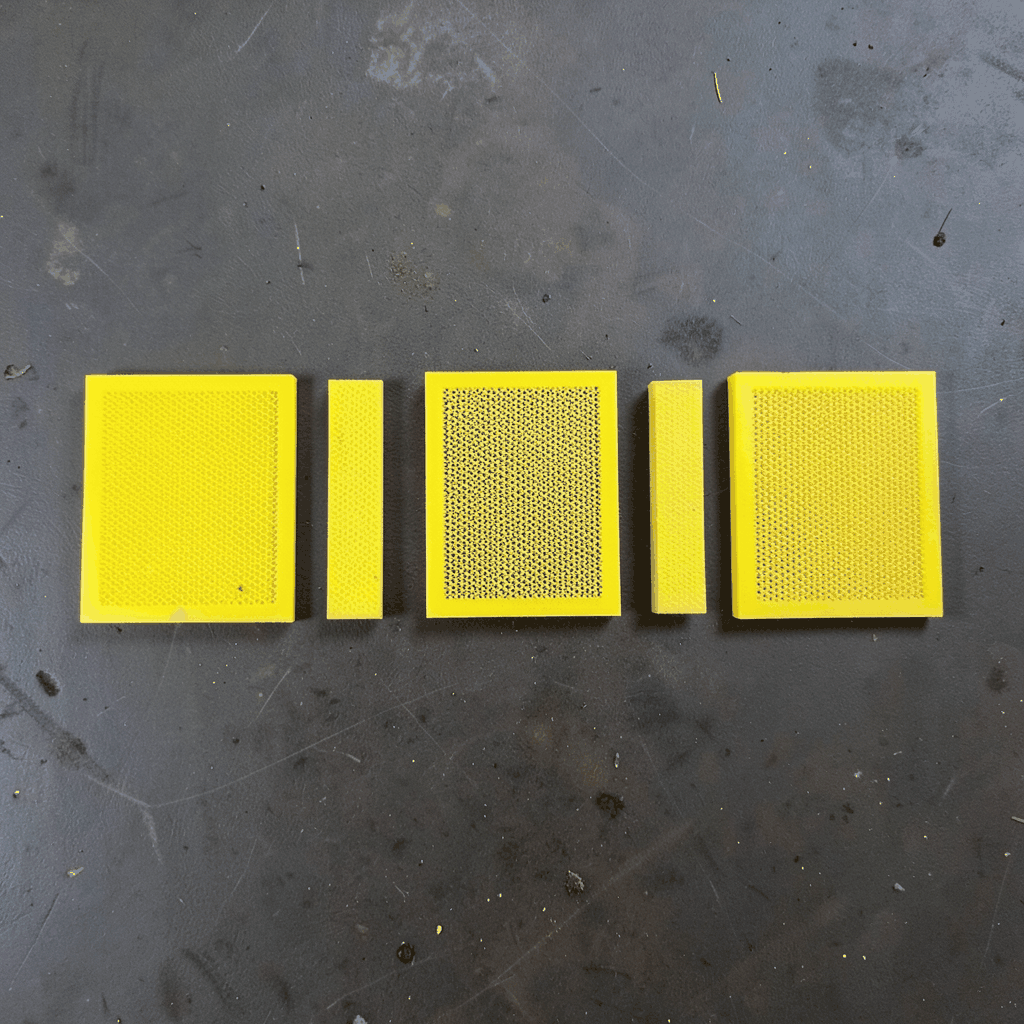
Custom Mesh Solutions for Municipal Wastewater Treatment Screens
Municipal wastewater systems depend on reliable screening at the beginning of the treatment process. Before sewage reaches pumps, grit removal units, biological tanks, or sludge handling equipment, screens must capture rags, plastics, wood fragments, packaging, and other coarse debris. A poorly selected screen can cause blockages, excessive head loss, difficult cleaning, and unnecessary maintenance.
Custom mesh solutions for municipal wastewater treatment screens help operators match the screen construction to the flow rate, debris profile, channel dimensions, and cleaning method. Instead of treating every installation as a standard opening, engineers can specify the mesh pattern, aperture, frame, reinforcement, finish, and connection details for the site.
Shuo Ke Wire Mesh Product Technology Co., Ltd. manufactures and processes metal mesh products for industrial and municipal applications. Its capabilities with stainless steel, aluminum, iron, copper, and other alloys support screening panels, protective barriers, filter components, baskets, and fabricated assemblies designed around practical operating requirements.
Why Wastewater Screening Requires Careful Design
A wastewater screen performs a simple-looking task under demanding conditions. It is exposed to continuous water flow, suspended solids, biological matter, cleaning equipment, impact from debris, and sometimes aggressive chemicals. The screen must retain unwanted material while allowing sufficient flow through the channel.
The correct opening size is a balance between capture efficiency and hydraulic performance. Coarse bar screens may remove large objects before they damage pumps, while finer mesh panels can capture smaller solids farther along the treatment line. If the aperture is too small for the available cleaning system, the panel may blind quickly. If it is too large, downstream equipment remains vulnerable.
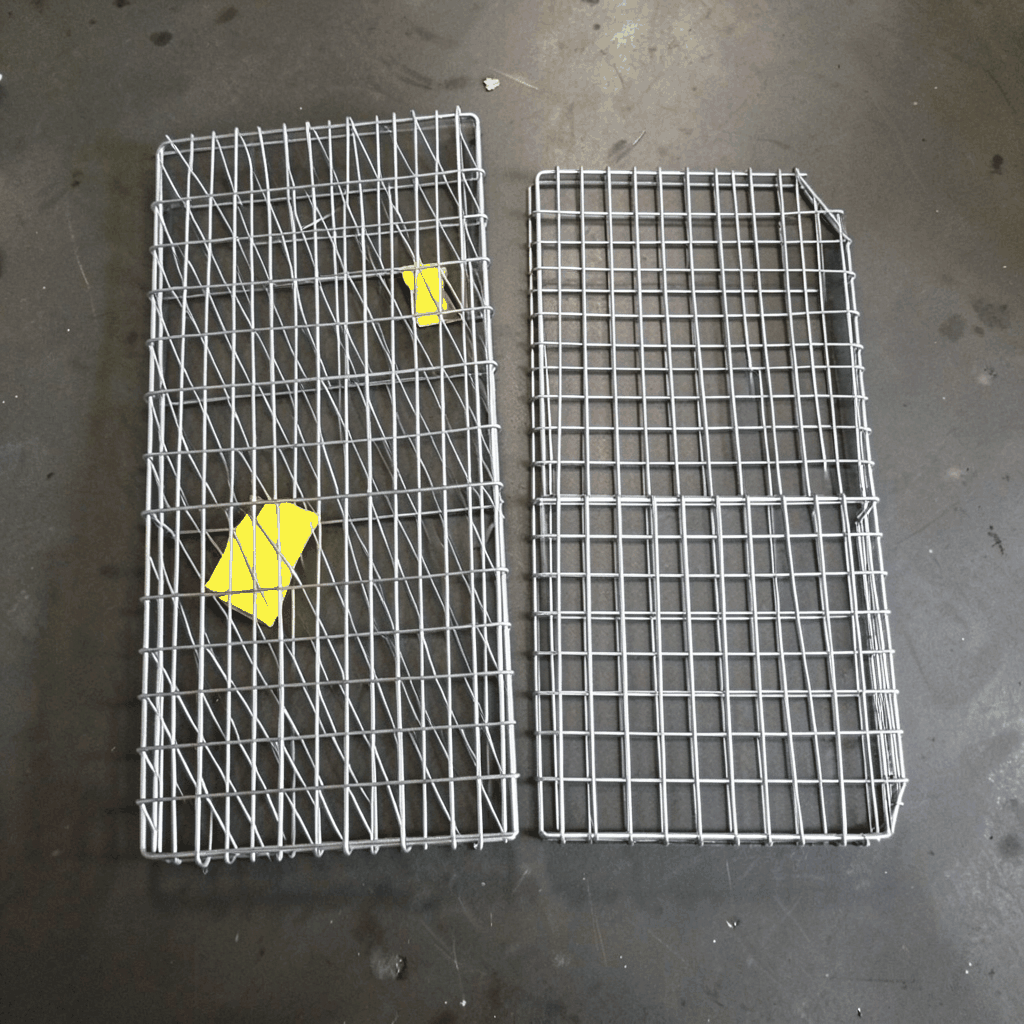
Screen geometry also affects service access. A removable mesh cassette may suit a small pump station, while a larger treatment plant may need reinforced panels fixed into a guided frame. Hinged access sections, lifting points, edge protection, and replaceable screen modules can simplify inspection and reduce the time required for cleaning or repair.
Selecting Mesh Patterns And Apertures
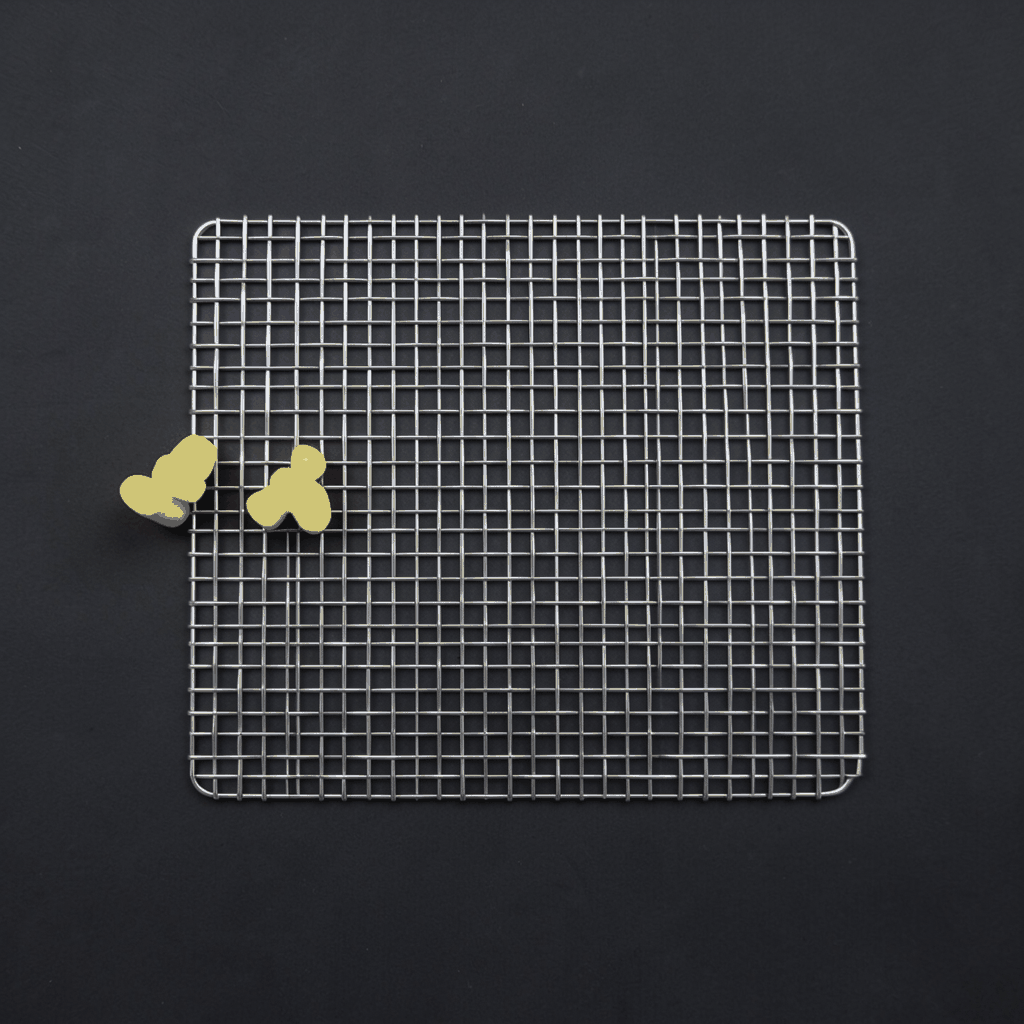
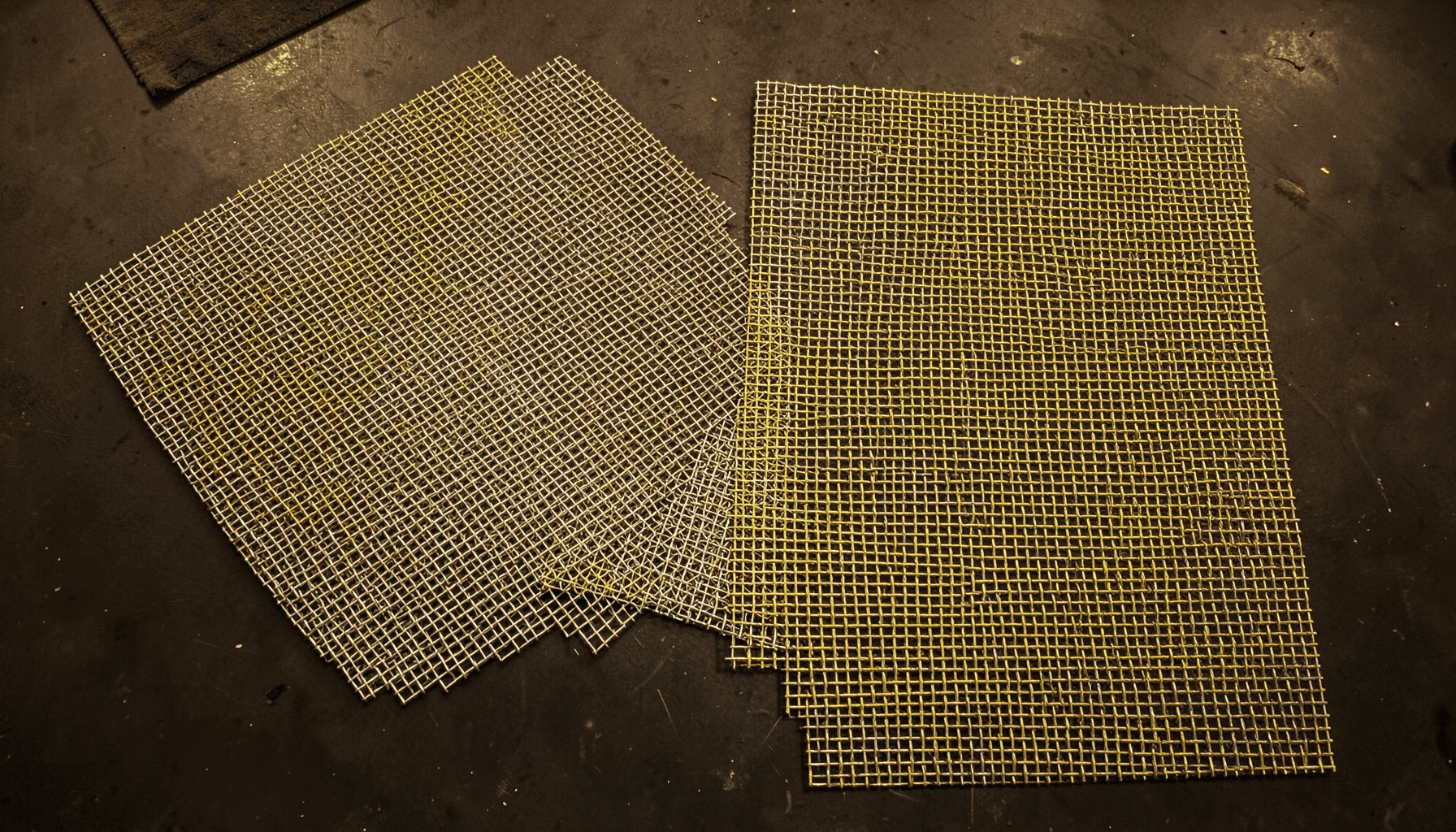
Woven wire mesh is useful when a project needs a defined open area and a relatively fine filtration surface. Stainless steel woven mesh can be supplied in different wire diameters and opening sizes, allowing designers to adjust the relationship between solids retention, flow capacity, and structural strength. It is often suitable for filter panels, smaller screening units, and secondary protection around mechanical equipment.
Perforated metal sheet provides a rigid alternative for applications where impact resistance and dimensional stability are priorities. Round, slotted, or customized perforations can be arranged across a panel, while the surrounding sheet provides useful support. Perforated screens are commonly considered for coarse solids handling, debris guards, and fabricated screening boxes.
The mesh pattern should be matched to the cleaning process. Manual raking, mechanical rake systems, traveling screens, and spray cleaning each impose different demands on the panel. Smooth surfaces may reduce snagging, while reinforced edges can protect the screen from distortion when rakes or lifting tools engage with accumulated debris.
Open area should be assessed together with the actual channel velocity. A screen that appears sufficiently open on paper may create excessive resistance after solids build up. A custom design can account for clear openings, panel thickness, support bars, frame obstruction, and the expected fouling layer rather than relying on nominal mesh dimensions alone.
Materials For Corrosive Municipal Environments
Stainless steel is frequently selected for wastewater screening because it combines corrosion resistance, strength, cleanability, and a long service life. Different stainless grades may be considered according to chloride exposure, chemical conditions, cleaning practices, and budget. The final selection should reflect the wastewater composition and the degree of immersion or splash exposure.
Aluminum can be useful where low weight is important, particularly for removable covers, access panels, guards, and components that must be handled during maintenance. Its suitability depends on the water chemistry, contact with other metals, and expected mechanical loading. Shuo Ke’s experience with architectural aluminum products, including aluminum cladding guidance, also reflects the value of considering weight, finish, fabrication, and appearance together.
Iron and carbon steel may provide economical structural support when protected with an appropriate coating or used in locations with controlled exposure. Copper and specialized alloys can serve particular industrial or decorative purposes, although their chemical compatibility and lifecycle cost require careful review. In many installations, the mesh and frame use different materials, so galvanic interaction should be evaluated before production.
Surface treatment can improve the service environment. Options may include polishing, pickling, passivation, powder coating, galvanizing, or other specified finishes, depending on the base metal and application. The selected finish should support cleaning and inspection without creating a surface that traps solids or deteriorates under constant moisture.
| Screening Requirement | Suitable Mesh Approach | Main Design Considerations | Typical Use |
|---|---|---|---|
| Large debris removal | Heavy woven mesh, perforated sheet, or bar-style panel | Impact resistance, wide clear openings, rake compatibility | Headworks and pump protection |
| Medium solids capture | Reinforced perforated panel or coarse woven mesh | Open area, panel rigidity, cleaning access | Preliminary treatment channels |
| Smaller particle retention | Fine woven wire mesh or precision perforated sheet | Blinding risk, pressure loss, cleaning method | Secondary filtration and equipment protection |
| Removable maintenance screen | Framed mesh cassette | Lifting weight, handles, guides, quick access | Small stations and service areas |
| High-corrosion exposure | Stainless steel mesh and frame | Grade selection, weld quality, passivation | Immersed or splash-zone installations |
| Lightweight access component | Aluminum mesh or panel with suitable supports | Chemical compatibility, stiffness, isolation from dissimilar metals | Covers, guards, and removable panels |
Engineering A Screen For Long-Term Operation
A wastewater screen should be treated as a complete assembly rather than a sheet of mesh alone. The frame transfers load into the channel or equipment housing, while crossbars and stiffeners prevent deflection. For wide panels, reinforcement spacing is especially important because accumulated debris can create substantial pressure against the screen.
Fabrication details influence reliability. Welded joints should be consistent and accessible for inspection. Sharp edges should be removed, and corners should be designed to avoid catching rags or creating difficult-to-clean pockets. Where a screen is frequently removed, lifting eyes, handles, guide rails, and accurately positioned fixing holes can save significant labor.
Hydraulic conditions also belong in the specification. Engineers should provide channel width, depth, flow range, expected peak flow, upstream and downstream water levels, and the allowable head loss. Solids type and approximate loading are equally important. A screen for fibrous rags requires a different approach from a panel intended to capture sand, plastic fragments, or food-processing waste.
Customization can extend to shape and orientation. Sloped screens may improve solids collection and cleaning, while curved or segmented panels can fit compact channels. A manufacturer that can cut, bend, weld, and finish mesh assemblies can coordinate these details before production, reducing the need for field modifications.
Fabrication And Quality Considerations
A well-prepared drawing should identify mesh type, wire or sheet thickness, aperture, open area, frame profile, reinforcement, material grade, surface treatment, overall dimensions, and tolerances. It should also show the direction of installation and the location of access or lifting features. Clear information helps prevent a screen from being manufactured with the right material but the wrong working geometry.
For custom wastewater screens, sample approval may be useful when the aperture is fine, the assembly is unusually shaped, or the cleaning equipment has a tight engagement tolerance. A production sample can confirm fit, rigidity, edge treatment, and the interaction between the mesh and rake or spray system.
Quality checks may include dimensional inspection, weld review, aperture verification, surface examination, and confirmation of material documentation when required by the project. Packaging deserves attention as well. Fine mesh can be damaged by impact during transport, while large frames need protection against distortion and corrosion before installation.
Replacement planning should be included from the beginning. If the screen is divided into modular panels, operators can replace a damaged section rather than removing an entire assembly. Keeping the mesh specification, frame dimensions, and finish information on record also makes future procurement faster and more consistent.
Practical Specification Checklist
Municipal buyers, contractors, and consulting engineers can use the following points when preparing a request for quotation:
- Define the design flow, peak flow, channel dimensions, water depth, and permitted head loss.
- Describe the solids expected at the screening point, including rags, plastics, grit, fibers, and organic debris.
- Select a mesh pattern and aperture that suit the cleaning equipment and required capture rate.
- Specify metal grade, frame material, weld requirements, surface finish, and corrosion exposure.
- Include drawings for access, lifting, guides, fixings, reinforcement, and replacement modules.
- Request dimensional checks, finish inspection, protective packaging, and any required material records.
A complete specification allows the manufacturer to assess manufacturability before quoting. It also makes comparisons between suppliers more meaningful because each offer is based on the same operating assumptions rather than only on panel price.
Installation And Maintenance Planning
Installation conditions can determine whether a custom screen performs as intended. Channel walls should be checked for alignment, embedded plates should be positioned accurately, and guide rails should allow the panel to seat without excessive force. Any gap around the screen should be controlled so that debris cannot bypass the intended screening surface.
Maintenance teams should have a clear method for removing accumulated solids. Manual raking areas need safe working access, while mechanically cleaned screens require suitable engagement between the rake teeth and the screen surface. Washdown points, drainage, lighting, and lifting equipment can improve routine service conditions.
Inspection intervals should reflect the loading and environment. Operators can monitor corrosion, cracked welds, bent reinforcement, enlarged openings, loose fasteners, and changes in upstream water level. A sudden increase in head loss may indicate blinding or damage and should be addressed before it affects pumps or downstream treatment stages.
Custom mesh screening is also valuable in auxiliary locations. Protective panels around pump inlets, overflow channels, sludge equipment, drainage outlets, and ventilation openings can prevent foreign-object entry without using the same screen design as the main headworks. This broader approach creates a coordinated protection system across the facility.
The right screen begins with a clear understanding of flow, solids, cleaning, materials, and maintenance access. Shuo Ke Wire Mesh Product Technology Co., Ltd. can support projects that require fabricated stainless steel mesh, perforated panels, aluminum components, protective screens, baskets, guards, and other made-to-order metal mesh products. Share the channel drawings, operating conditions, material preferences, and performance requirements with the engineering team to develop a screening assembly suited to the wastewater facility.