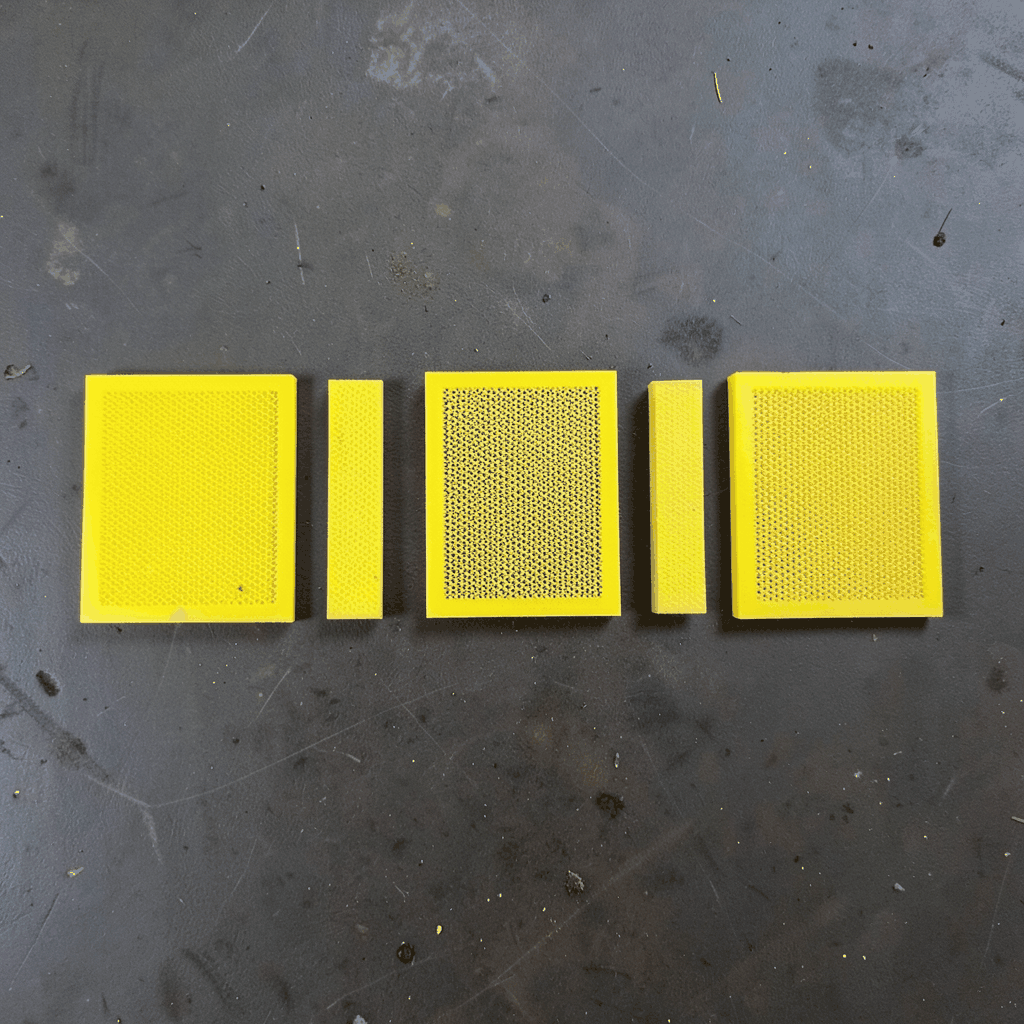
Custom Mesh Trays for Reliable Oven and Drying Performance
Custom mesh trays help manufacturers move, heat, dry, drain, and cool products with greater control. The right tray design can improve airflow, reduce handling damage, support even temperature exposure, and make cleaning simpler. For food processors, commercial kitchens, laboratories, fabrication workshops, and industrial plants, a tray is a working component rather than a basic accessory.
Shuo Ke Wire Mesh Product Technology Co., Ltd. manufactures and processes metal mesh products for practical engineering and decorative applications. Its experience with stainless steel, aluminium, copper, iron, and other alloys supports the production of made-to-order oven racks, drying baskets, perforated carriers, and wire mesh trays for different operating conditions.
Why Mesh Tray Design Matters
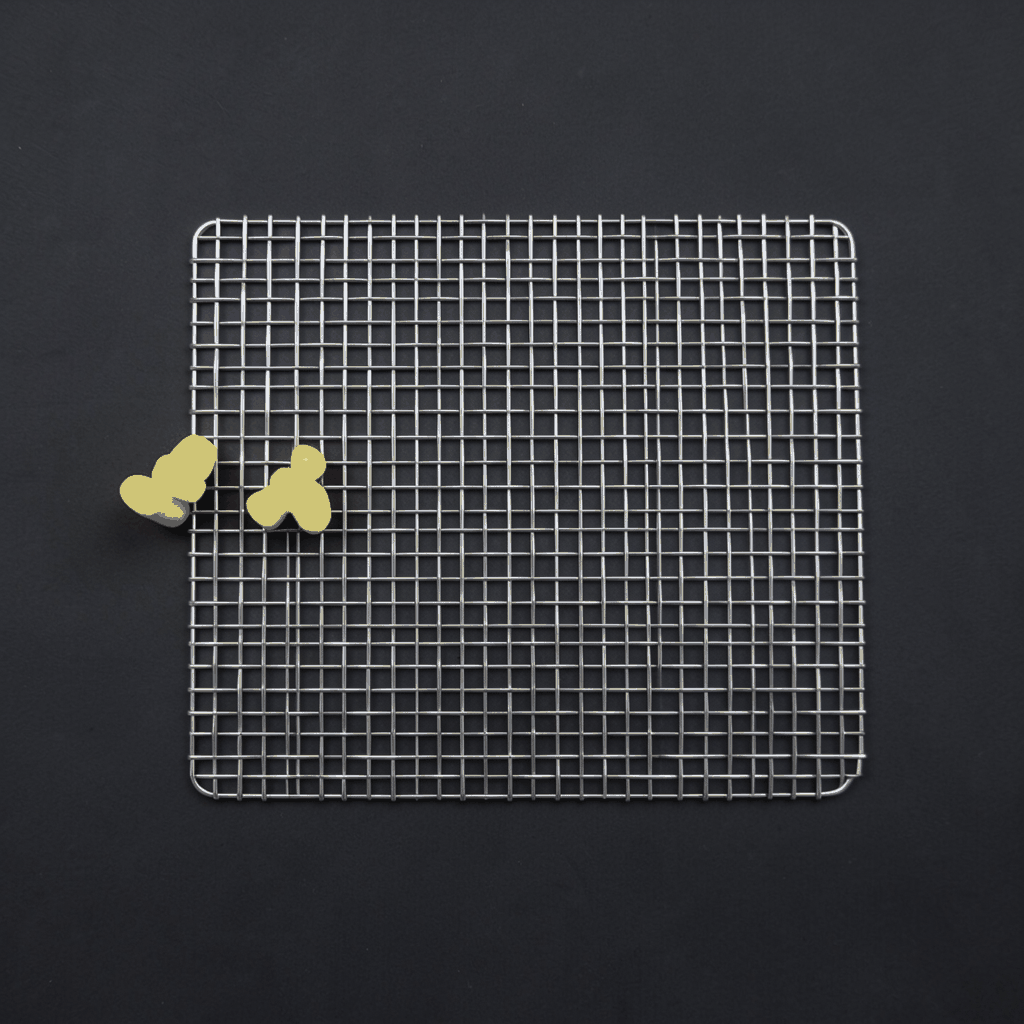
Solid trays can hold small items securely, yet they may restrict airflow and create uneven heating or drying. A woven wire mesh surface allows hot air, steam, moisture, and cooling air to pass around the load. This is useful for bakery products, fruit and vegetables, herbs, ceramics, powders, components, and other goods that need consistent exposure across the tray surface.
Mesh trays can also reduce product contact with standing moisture. In a drying cabinet or industrial oven, this may help shorten cycle times and reduce damp patches beneath the load. Open construction supports circulation between stacked trays, while an appropriate mesh aperture prevents smaller products from falling through.
The tray must still match the process. A wide opening may suit large parts or robust produce, while fine mesh is more suitable for small components, crumbs, seeds, or granular materials. The frame, corners, handles, and support feet also influence how safely the tray can be loaded, lifted, stacked, and transferred.
Selecting Materials for Heat and Hygiene
Stainless steel is a common choice for oven and drying applications because it provides strength, corrosion resistance, and a cleanable surface. Grades such as 304 stainless steel are widely used for general food and industrial service, while 316 stainless steel may be considered where salt, chemicals, or aggressive cleaning agents are present. The correct grade depends on temperature, exposure, cleaning procedures, and the material being processed.
Aluminium offers low weight and efficient heat transfer, which can be valuable when trays are moved frequently by hand. It may suit selected baking, drying, and light industrial applications, although its performance must be assessed against alkaline cleaners, acidic products, abrasion, and high-temperature conditions. Carbon steel and iron can provide robust support for industrial duties, especially where a suitable coating or finish is acceptable.
For Australian food businesses, hygiene and documentation are important purchasing considerations. A commercial bakery in Melbourne, a seafood processor near Brisbane, or a prepared-meal facility in Western Sydney may need trays that tolerate regular washdown and fit existing food-safety procedures. Smooth welds, rounded corners, accessible surfaces, and a suitable finish can make sanitation easier under daily production pressure.
Mesh, Frame, and Edge Construction
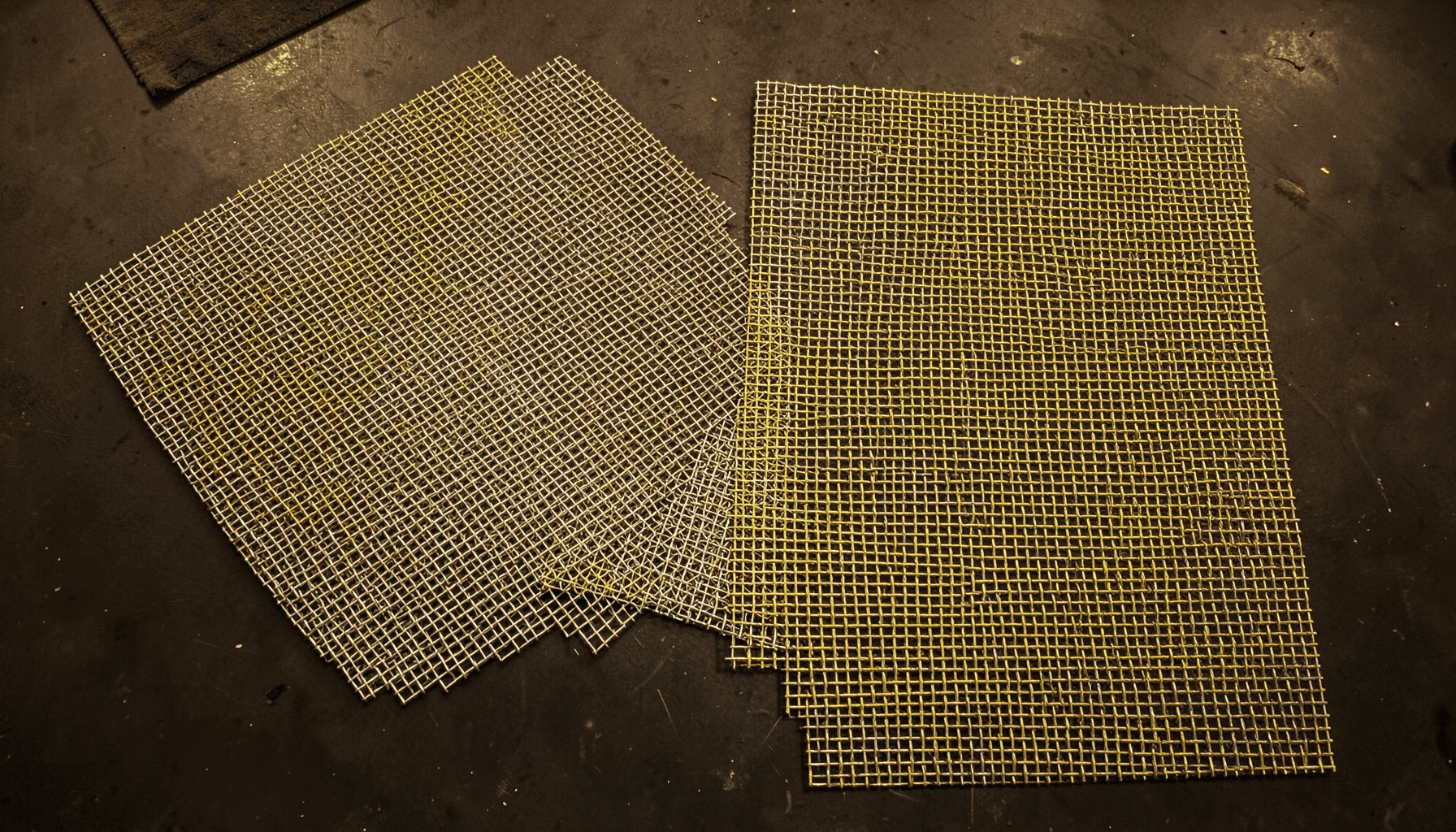
The mesh opening, wire diameter, weave pattern, and support structure should be selected together. Plain weave is suitable for many general-purpose trays and provides a regular surface. Heavier wire can improve load capacity, while a lighter wire may maximise open area and reduce weight. Expanded metal or perforated sheet may be preferable when a more rigid surface is needed.
A tray intended for delicate goods may require a fine aperture and carefully finished edges. A tray carrying metal parts or heavy castings needs stronger perimeter reinforcement and a frame that resists distortion. Welded wire mesh can provide a firm, stable platform, while woven mesh offers flexibility and a broad range of opening sizes.
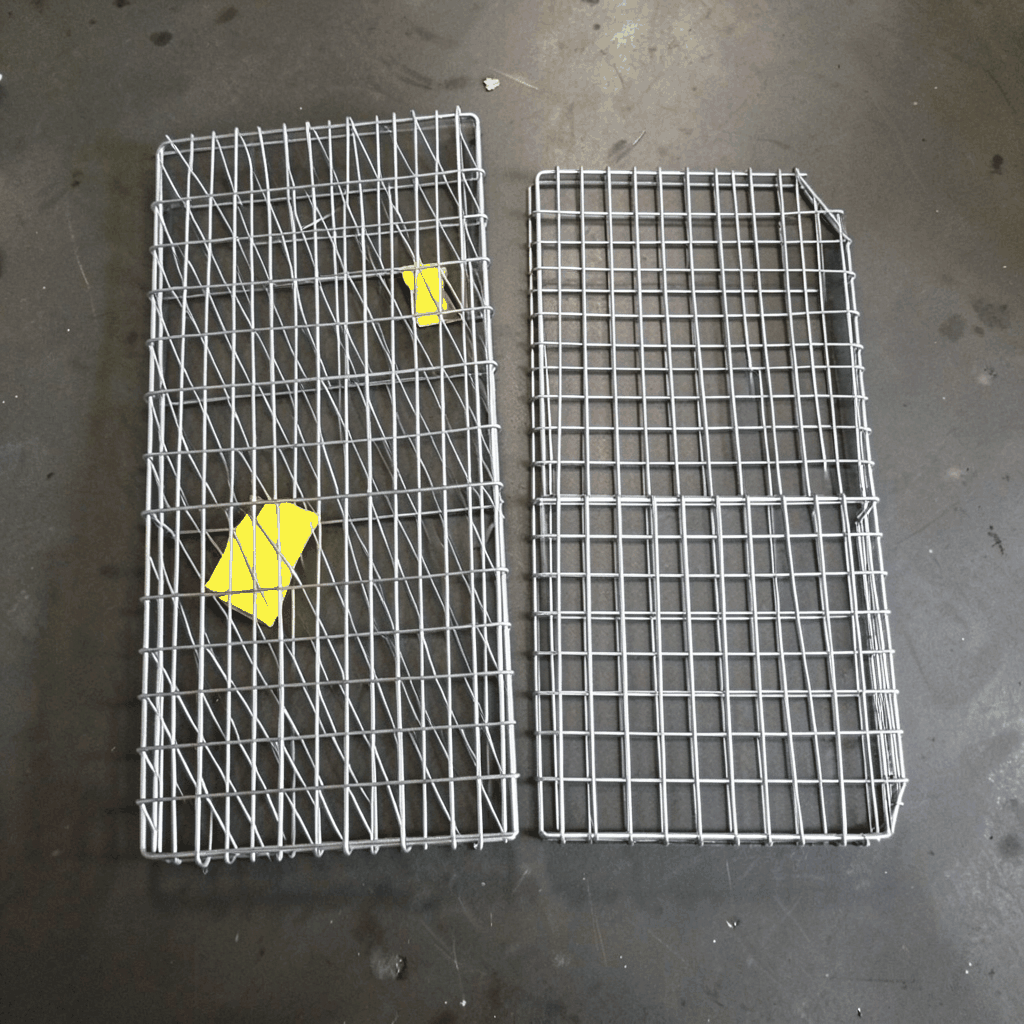
Edges deserve particular attention. Folded borders, welded frames, rolled rims, and reinforced corners can help prevent snagging and improve handling safety. Stacking feet may keep trays aligned and create a consistent gap for airflow. Handles can be integrated into the frame or added as side grips, depending on oven clearance and operator access.
Tray dimensions should reflect the equipment already in use. Australian operators often work with imported ovens, locally fabricated drying cabinets, or standard rack systems, so confirming internal dimensions in millimetres is essential. A few millimetres of excess width can stop a tray sliding into a rail, while insufficient clearance may allow movement during loading.
Applications Across Australian Workplaces
In commercial kitchens and bakeries, wire oven trays can support biscuits, pastries, bread rolls, roasted ingredients, and other products. Perforated or mesh surfaces allow heat to reach the underside and can help release moisture. Trays may also be designed for blast chilling, refrigerated storage, or movement between preparation areas and ovens.
Drying applications are equally varied. A farm or food processor in regional Victoria may use mesh shelves for herbs, fruit, or vegetables. A manufacturer in South Australia may dry coated components or composite parts. In Queensland, where humidity can affect drying schedules, open-air circulation through the load may be especially useful. The tray design should be evaluated against the actual product, airflow pattern, temperature, and cycle duration.
Industrial users may need baskets and trays for washers, heat-treatment lines, powder-coating preparation, electronics processing, or laboratory work. In Western Australia, mining and engineering suppliers may require heavy-duty carriers for small components exposed to dust, moisture, and frequent handling. For a hospitality group in Sydney or a catering operation serving remote sites, low weight and easy stacking may matter as much as maximum load capacity.
Australian freight distances also influence the design. Flat-stackable trays can reduce storage volume and transport costs between a manufacturer, distributor, and end user. Robust corners and protective finishes help limit damage during long road transport, including deliveries between the eastern capitals and regional areas. A practical design can save time throughout procurement, installation, and replacement.
Developing a Tray to Match the Process
Custom manufacturing begins with the working conditions rather than a catalogue size. Useful information includes tray length, width, depth, load weight, product dimensions, temperature range, heating method, cleaning chemicals, stacking arrangement, and expected service life. Details about oven rails, trolley spacing, conveyor transfer points, and available door clearance are equally valuable.
The manufacturer can then recommend a mesh type, material, wire diameter, frame profile, and edge finish. A sample or prototype may be worthwhile where the load is irregular, fragile, sticky, abrasive, or prone to deformation. Testing can reveal whether the mesh leaves marks, whether products adhere to the surface, and whether the tray remains flat after repeated heating and cooling.
Thermal cycling should be considered for trays used every day. Uneven construction, sharp changes in section, or unsuitable welding can increase the risk of distortion. A properly designed frame distributes load and helps the tray retain its shape. If trays will be washed in automated equipment, their height, openings, and handle positions should allow water and cleaning solution to reach all surfaces.
Clear specifications make ordering easier for Australian businesses working with local contractors, overseas suppliers, or equipment dealers. Drawings should identify tolerances, material grade, finish, mesh aperture, weld requirements, and quantity. When a business says “just make it a bit deeper,” a measured drawing prevents confusion and keeps the production result consistent.
Practical Specifications for Better Results
The following points can help establish a clear brief before requesting a quotation for oven racks, drying trays, or custom wire baskets:
- Confirm the usable internal dimensions of the oven, dryer, trolley, or conveyor, including rail clearance and door access.
- State the maximum distributed load and identify whether the load is concentrated in one area or spread across the tray.
- Select the metal grade according to heat, moisture, salt, chemicals, cleaning agents, and food-contact requirements.
- Specify mesh aperture, wire diameter, weave or perforation pattern, and the level of open area needed for airflow.
- Describe the edge treatment, frame reinforcement, handles, stacking feet, and any requirement for smooth or rounded surfaces.
- Include the operating temperature, heating cycle, cooling cycle, and expected number of uses per week.
- Request a drawing or sample approval before full production when fit, airflow, hygiene, or product release is critical.
It is also useful to define the preferred finish. A plain welded stainless steel surface may suit a food-processing environment, while a polished finish may be selected where residue removal and appearance are priorities. Industrial trays may need a more economical finish where appearance is secondary to strength and serviceability.
Quantity can influence the best manufacturing approach. Small batches may be produced around an existing design with modest adjustments, while larger orders can justify dedicated tooling, repeatable jigs, or a fully engineered tray system. A reliable supplier should be able to discuss tolerances, production capacity, packaging, and inspection requirements before manufacture begins.
Building a Long-Term Supply Arrangement
A good custom tray program is measured through repeatability as well as first delivery. Trays should fit the same equipment from batch to batch, maintain consistent mesh tension, and arrive with the specified material and finish. Inspection records, dimensional checks, and clear packing methods can support quality control when products travel from China to Australia.
Shuo Ke Wire Mesh Product Technology Co., Ltd. can support custom metal mesh requirements across architectural and industrial applications, including trays, baskets, filters, screens, guards, and other fabricated products. Its material range allows designs to be adjusted for corrosion resistance, weight, appearance, durability, and operating conditions.
For Australian manufacturers, food processors, commercial kitchens, laboratories, and maintenance teams, the next step is to prepare the working details in a concise specification. Share the tray dimensions, mesh opening, material preference, load, temperature, cleaning method, and intended quantity with Shuo Ke. A clear brief enables the production team to develop a practical mesh tray that fits the equipment, supports the process, and delivers dependable service.