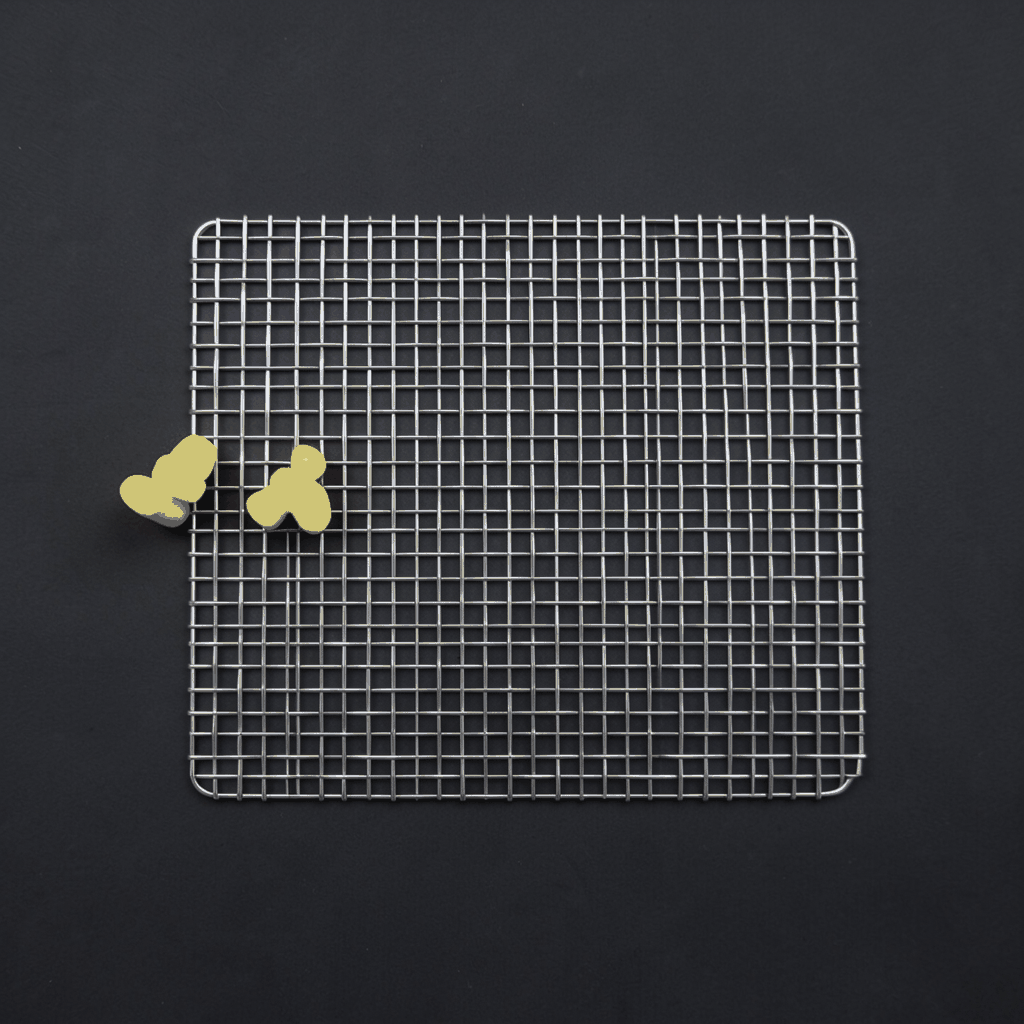
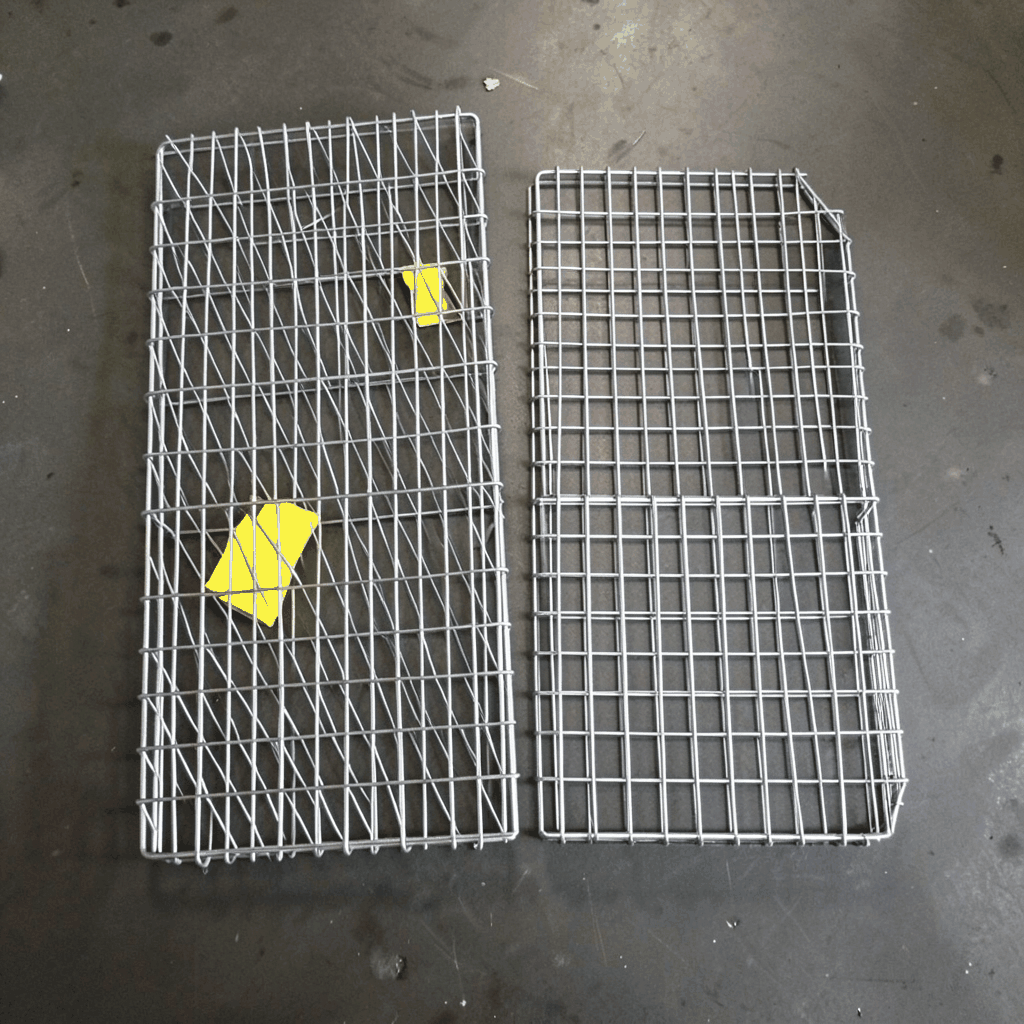
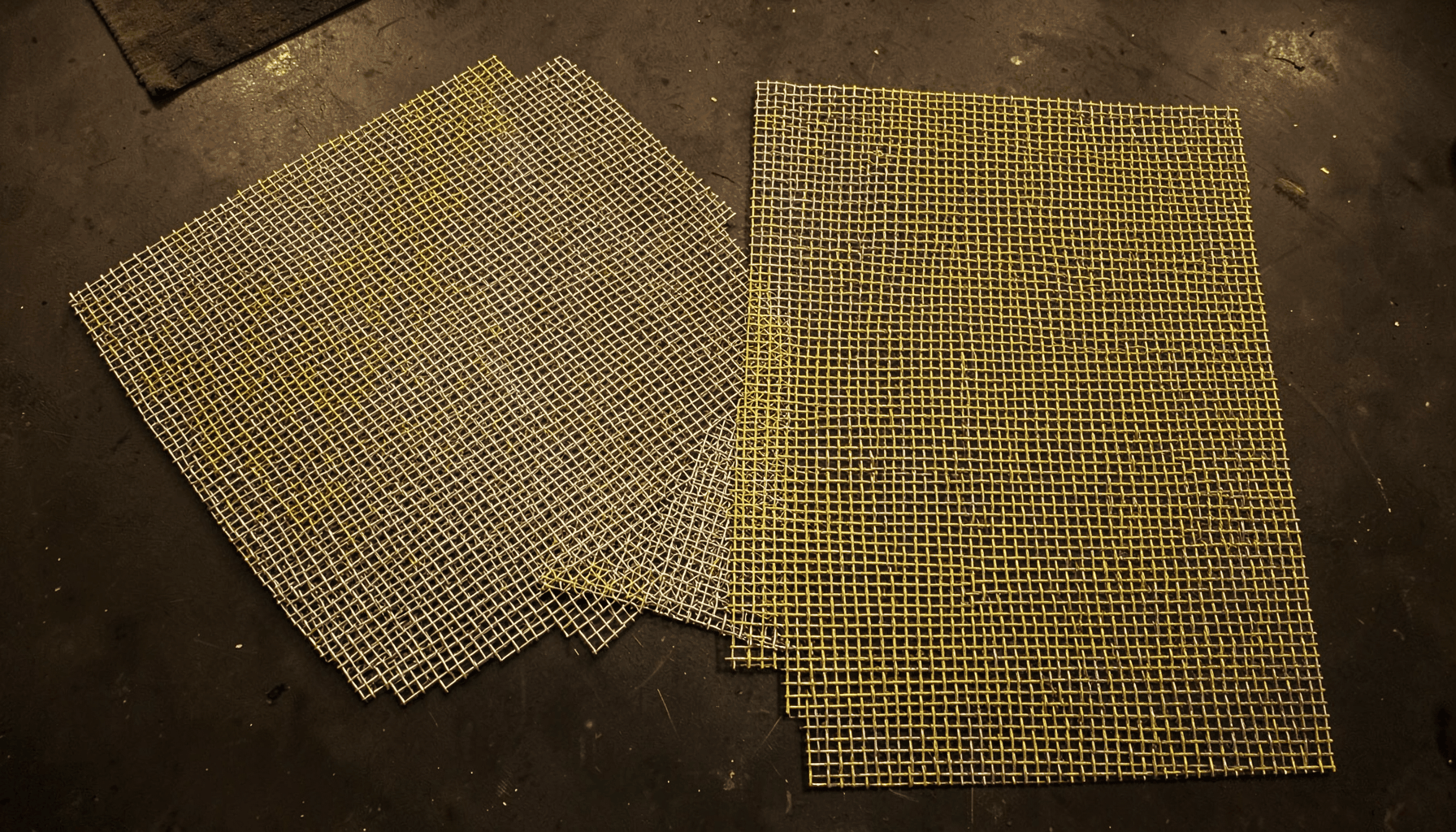
Custom mesh trays for sterilization and autoclaving in hospitals
Sterile processing departments move more than instruments: they manage ownership, damage control, traceability and the safe return of sets to the operating theatre. Custom mesh trays for sterilization and autoclaving in hospitals give teams a way to organise those sets while keeping steam pathways and drainage open. The tray is a support component, not a steriliser itself; the hospital’s validated cycle, packaging and loading procedure remain decisive.
Across Melbourne, Sydney and regional hospitals in Queensland and South Australia, facilities are replacing mixed, mismatched trays with made-to-measure modules. Sterile processing technicians and biomedical engineers want equipment that is fit for purpose, straightforward to reprocess and worth replacing after years of use. That makes mesh design a practical issue involving corrosion, infection control, ergonomics and procurement value, rather than simply choosing a container that happens to fit.
Why mesh construction supports sterilisation
Autoclaving exposes every tray to saturated steam under pressure, commonly around 121°C, while some validated hospital cycles reach 134°C. During a pre-vacuum cycle, air must leave the load and steam must reach each surface. Open mesh provides fewer barriers than a solid base, allowing condensate to drain instead of collecting around instruments. Reduced moisture also supports drying, which matters because persistent dampness can compromise the shelf life of a sterile package.
Fine woven wire can work, but its intersections and tight apertures may retain soil or allow small items to drop through when the tray is tipped. Perforated sheet or a wider-aperture woven pattern is often easier to inspect and clean. The right design balances openness with containment: blood-contaminated fragments must not escape, while instruments need to remain visible and correctly positioned. Mesh should never compensate for an overloaded steriliser. Hospital staff still need to follow the load configuration, cycle selection and drying time approved through their own validation.
Selecting materials for repeated autoclaving
Stainless steel is the usual starting point for reusable autoclave trays because it tolerates heat, has a long working life and can be cleaned with the products already used in most Australian hospitals. Grade 304 is common for general service; 316 or 316L offers additional resistance to chloride exposure, which can be useful in coastal facilities such as Perth or in wash areas using aggressive chemistry. The grade alone is not enough: surface finish, weld quality and post-fabrication passivation determine how readily the tray resists staining and corrosion.
Aluminium can reduce tray weight and ease handling, but it needs a defined alloy, finish and cycle limit. Anodising, sealing or other coatings must be confirmed as steam-compatible rather than assumed. Copper alloys and iron also need case-specific review, particularly where they contact dissimilar metals or cleaning chemicals. Any polymer handle, grip or divider must be removable, visibly intact and rated for repeated steam exposure; otherwise, use a welded stainless handle. If a tray will also enter a hydrogen peroxide low-temperature process, it needs separate compatibility evidence.
Engineering details that improve cleaning
Cleanability starts at the design stage. Internal corners should be rounded, welds continuous and accessible, and perforations oriented so that debris falls out rather than sits in a blind pocket. Avoid deep seams, countersunk screws and hollow handles that cannot be inspected. Smooth or electropolished surfaces can help soil release, while passivation restores the protective stainless layer after welding. Edge treatment matters too: a sharp cut edge can damage gloves, packaging or an instrument set.
Stable stacking is another overlooked requirement. Trays should fit the steriliser rack without rattling, tip or touch neighbouring loads, and retain their shape when loaded with instruments. Divider systems can separate delicate items, but enclosed compartments defeat the purpose of open mesh. Removable dividers should lift out for cleaning. Custom sizing around the actual instrument envelope can reduce rattling and accidental contact, while a small, permanent identification plate helps staff select the correct tray without adhesive labels or handwritten markings entering the sterilisation area.
Matching trays to Australian hospital workflows
Australian hospital workflows vary with size and location. A Melbourne teaching hospital may run multiple sterile processing departments and standardised trolley systems, while a private day surgery in Sydney might prefer compact trays that staff can move between instrument sets and local decontamination areas. Regional hospitals in northern Queensland and South Australia often maintain mixed fleets because replacement items travel long distances. Standard modules that work with existing racks can therefore be more valuable than a technically attractive tray that cannot be sourced or serviced locally.
Local teams also have practical language for these decisions. A supplier may be asked to “do the full mock-up”, meaning provide a physical sample that can be loaded, washed and autoclaved before approval. Buyers look for a fair dinkus: predictable quality, sensible lead times and straightforward repair or replacement. Hospital accreditation under the Australian Commission on Safety and Quality in Health Care includes requirements relevant to infection prevention and safe equipment use, so evidence should sit alongside claims about performance.
Procurement can run through state tender panels, hospital purchasing groups or distributors that hold local stock, so the commercial model affects the result as much as the design. Imported custom items may have longer lead times and higher freight costs from China; a local distributor can provide a smaller first run and replacements, though the underlying specification and factory quality checks still need review. Ask distributors for stockholding, spare-part availability and delivery windows, not only unit price.
Custom fabrication, samples and supplier checks
Custom work should begin with more than a tray photograph. Give the fabricator the instrument list, tray dimensions, rack pitch, required stacking height and expected loading arrangement. Check whether the design must accommodate laparoscopic instruments, powered equipment, oversize sets or standardised modules. Useful drawings show aperture size, wire or sheet thickness, weld positions, handle construction and drainage direction. A prototype should then be tested empty, fully loaded and stacked in the intended rack; fit at the bench is not the same as fit in a working steriliser.
Supplier quality systems matter as much as geometry. Request material certificates, fabrication tolerances, passivation records, cleaning instructions and evidence of steam-cycle testing. Ask for traceable revision control so approved samples match production. A manufacturer such as Shuo Ke Wire Mesh Product Technology Co., Ltd. can be approached for made-to-order samples and project discussion, while medical-device sponsors should separately confirm regulatory status. Whether a tray must appear on the Australian Register of Therapeutic Goods depends on its intended purpose and claims, so that determination should not be left to a catalogue description.
A practical specification for procurement teams
A written specification should state the material grade and surface finish, overall dimensions, mesh type and aperture, safe load, handle design, rack fit, cleaning chemistry, sterilisation method, maximum validated cycle, drying expectations and labelling method. It should also say whether the tray must nest, stack or remain fully open, and define acceptable limits for warping, sharp edges, weld cracks and corrosion. Include a sample approval step, packaging requirements and replacement quantities so competing quotations describe the same item rather than subtly different products.
Compliance review should follow the reprocessing pathway, not just the purchase order. Relevant Australian and New Zealand standards, including AS/NZS 4187 for reusable medical-device reprocessing, provide a framework for assessing cleanability and processing risk. If the tray changes the validated load, pack configuration or instrument arrangement, the hospital’s infection prevention, sterile processing and biomedical engineering teams should review the impact. Buying a new tray shape is not automatically a low-risk decision; changing airflow, drainage or contact points can affect the entire set.
Custom mesh trays work best when they are treated as engineered parts of the sterile supply chain. Specify the real instruments, actual racks and local reprocessing routines, then test a sample through the full cycle. That approach produces a tray that supports staff in Melbourne, Sydney and regional facilities while giving hospital managers a clear basis for comparing durability, operator safety and whole-of-life cost.
Contact Shuo Ke Wire Mesh Product Technology Co., Ltd. to request a material discussion, technical drawing review and sample quotation. Send the instrument dimensions, preferred metal, rack details and sterilisation cycle, and ask for custom mesh solutions tailored to your hospital’s next replacement or expansion programme.