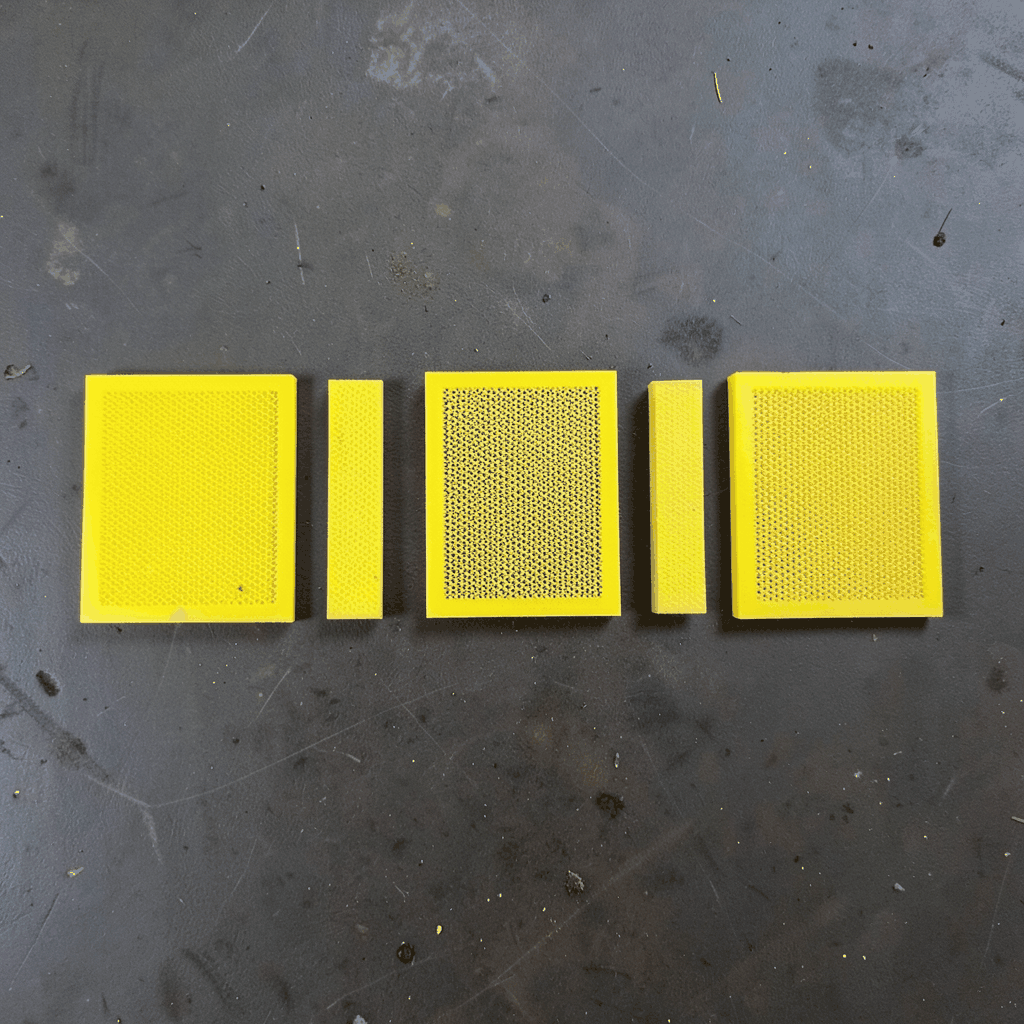
Custom metal mesh treads for safer, stronger staircases
Staircases in factories, commercial buildings, public facilities, and outdoor structures must withstand repeated foot traffic while maintaining reliable traction. A smooth or heavily worn step can become a serious safety concern, especially where water, oil, dust, snow, or process residue is present. Custom metal mesh treads provide a practical way to combine slip resistance, drainage, structural strength, and a clean architectural appearance.
Unlike solid stair coverings that can retain moisture and debris, perforated and expanded metal surfaces allow liquids and small particles to pass through the walking surface. The result is a tread that can support safer movement in demanding environments while remaining relatively easy to inspect, clean, and replace.
Shuo Ke Wire Mesh Product Technology Co., Ltd. manufactures and processes metal mesh products for architectural, industrial, commercial, and municipal applications. With stainless steel, aluminum, iron, copper, and other alloy options available, the company can develop stair treads and stair nosings around the load, environment, dimensions, and visual requirements of a project.
Why mesh treads improve stair safety
A properly designed metal mesh tread creates a textured walking surface that increases contact between footwear and the step. Raised patterns, serrated openings, embossed profiles, or close-set perforations can interrupt the smooth plane that often becomes slippery when wet or contaminated. The tread design should match the expected conditions rather than rely on a generic surface for every installation.
Open mesh construction also supports drainage. Rainwater can pass through exterior stair treads, while industrial versions can release oil, dust, chips, and other residue from the walking area. This reduces the likelihood of standing contamination underfoot. In facilities where cleaning is frequent, open surfaces may help water and wash-down fluids leave the stairway faster.
Slip resistance is influenced by several factors, including opening geometry, material thickness, surface finish, tread depth, footwear, and installation quality. A serrated edge can provide stronger traction than a standard flat opening, while a raised front nosing can make each step easier to identify. A complete design should consider the stair system rather than the tread panel alone.
Materials suited to different environments
Stainless steel is a strong choice for wet, corrosive, hygienic, or high-traffic applications. Grades such as 304 and 316 can be selected according to exposure conditions, with 316 stainless steel often preferred where chlorides, coastal air, chemicals, or frequent wash-down are concerns. Stainless steel stair treads also offer a refined appearance for commercial and architectural interiors.
Aluminum provides low weight and good corrosion resistance, making it useful for access platforms, maintenance stairs, rooftop equipment areas, and structures where reducing dead load matters. It is easier to handle during installation than many steel alternatives. Its surface can be mill finished, anodized, or otherwise treated according to the project’s appearance and exposure requirements.
Carbon steel and galvanized steel can deliver high strength at a practical cost. These options suit industrial stairways, warehouse platforms, plant access systems, and outdoor structures when an appropriate protective finish is applied. Powder coating, hot-dip galvanizing, paint systems, or other treatments can improve resistance to rust and weathering.
Copper and specialty alloys may be selected for decorative stair details, heritage projects, or installations where a distinctive finish is important. Material selection should account for load requirements, chemical exposure, temperature, cleaning agents, expected service life, and compatibility with the supporting staircase.
Custom fabrication for precise stair dimensions
Standard grating panels may be suitable for basic platforms, but staircases frequently require custom fabrication. Treads must align with the stair stringers, support brackets, side plates, nosings, and landing levels. Small dimensional differences can affect fit, walking comfort, and the visual continuity of the completed installation.
Custom metal mesh treads can be produced to specified length, width, thickness, opening pattern, edge profile, and mounting configuration. Welded side plates, punched holes, folded edges, reinforcing bars, and front safety nosings can be incorporated into the design. These details help the tread fit the existing structure and reduce the need for extensive site modification.
Accurate fabrication begins with reliable project information. Useful specifications include stair width, clear span, support spacing, rise and run, tread depth, material grade, surface treatment, anticipated load, fixing method, and installation location. Drawings, samples, and dimensional checks can help prevent errors when a staircase includes irregular angles, curved sections, or transitions between different levels.
Shuo Ke’s experience with wire mesh processing and metal fabrication supports customized solutions for both functional and decorative stair applications. The manufacturing approach can be adapted to industrial access steps, public walkways, architectural staircases, equipment platforms, and safety retrofit projects.
Choosing between mesh and perforated surfaces
Metal mesh treads can be made through several processes, and each construction method produces different performance characteristics. Expanded metal is slit and stretched to form a continuous diamond or shaped opening. It provides an integral structure with good strength-to-weight efficiency and can be formed with raised or flattened profiles.
Perforated metal uses punched or cut openings arranged in a defined pattern. Round, square, slot, and custom openings can be selected for drainage, appearance, weight, and traction. Perforated stair treads are useful where a controlled visual pattern is needed or where the panel must coordinate with wall cladding, elevator finishes, screens, or other architectural metalwork.
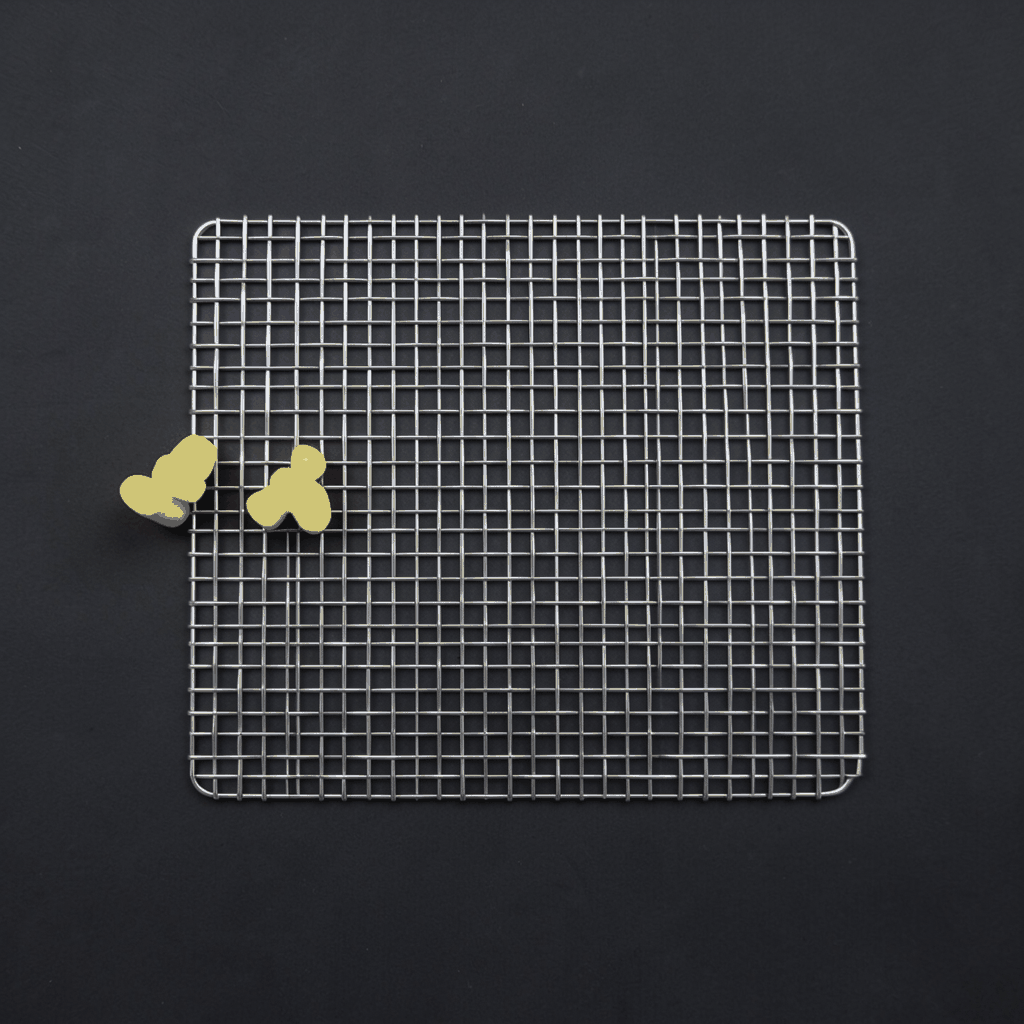
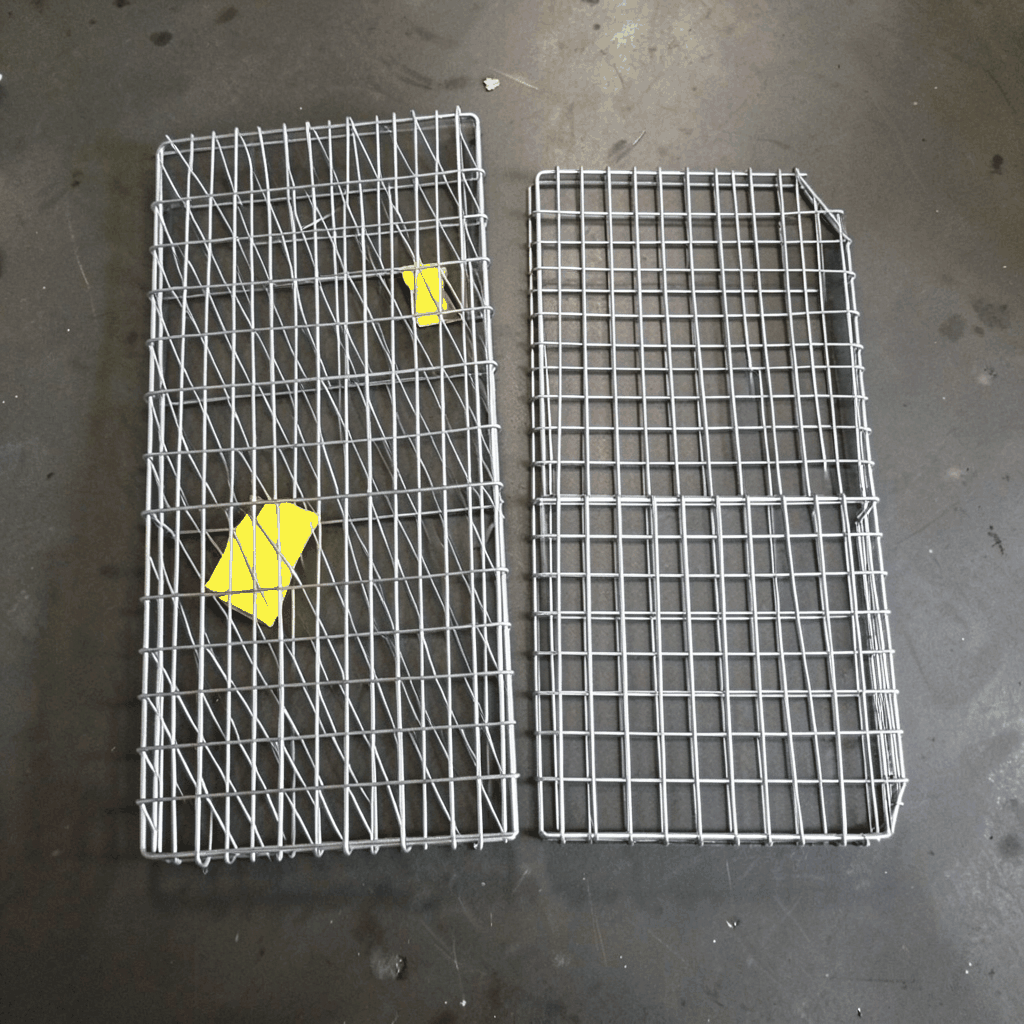
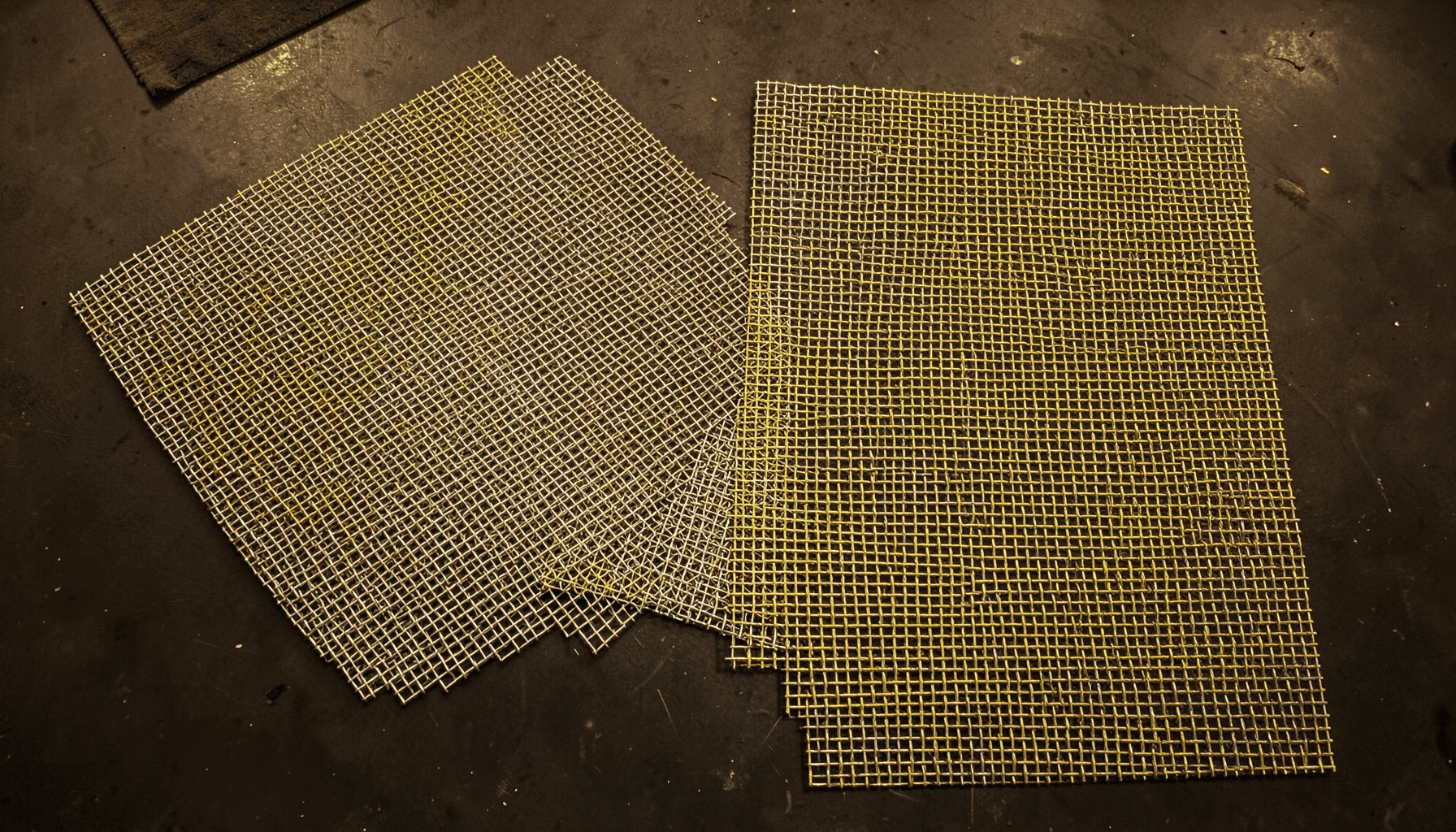
Welded wire mesh uses intersecting wires joined at regular intervals. It can provide a clean, open appearance and may be appropriate for lighter-duty access steps, guardrail-integrated platforms, or modular assemblies. Heavy-duty applications may require thicker wire, closer spacing, reinforced edges, or a different mesh construction.
The best choice depends on the balance between load capacity, opening size, slip resistance, cleaning requirements, appearance, weight, and cost. A manufacturer can compare samples or drawings before production so the selected pattern performs appropriately in the intended environment.
| Stair tread requirement | Suitable mesh approach | Common material options | Typical application |
|---|---|---|---|
| Heavy industrial loading | Serrated expanded metal or reinforced perforated panel | Carbon steel, galvanized steel, stainless steel | Plant stairs, service platforms, warehouse access |
| Wet or corrosive conditions | Open drainage pattern with aggressive traction profile | 304 or 316 stainless steel, aluminum | Food facilities, coastal structures, wash-down areas |
| Lightweight access system | Expanded aluminum or welded wire mesh | Aluminum, galvanized steel | Rooftops, maintenance ladders, equipment platforms |
| Architectural appearance | Controlled perforation or fine expanded pattern | Stainless steel, aluminum, copper | Commercial interiors, public buildings, feature stairs |
| Retrofit over existing steps | Cut-to-size panels with drilled mounting holes and nosings | Stainless steel, galvanized steel, aluminum | Renovation, safety upgrades, replacement treads |
Design details that affect long-term performance
The front edge of a stair tread deserves particular attention. A contrasting or raised nosing can make the step easier to see, especially in low light or high-traffic environments. Serrated nosings can also improve traction at the point where a person places the front of the foot. The nosing should be firmly attached and shaped to avoid creating a trip hazard.
Drainage openings should be large enough to release water and residue but appropriately sized for the footwear, tools, wheels, or objects used on the staircase. Excessively large openings can create discomfort or allow small items to fall through. The tread should also maintain sufficient bearing area and stiffness between supports.
Fixing methods influence safety and maintenance. Bolted treads are convenient for replacement and inspection, while welded assemblies can provide a permanent, rigid installation. Countersunk fasteners, side plates, mounting clips, and hidden fixing systems may be selected where appearance is important. Hardware should be compatible with the tread material to reduce galvanic corrosion and loosening.
Surface finishing contributes to both performance and visual consistency. Brushed stainless steel, anodized aluminum, galvanized steel, powder-coated color finishes, and protective paint systems each create a different combination of appearance and environmental resistance. Edges should be deburred, corners controlled, and cut areas protected where necessary.
Applications across industrial and public spaces
Industrial stair treads are commonly installed around machinery, tanks, production lines, mezzanines, warehouses, and service platforms. In these locations, the priority is usually stable footing under heavy use, reliable drainage, load capacity, and resistance to oil or chemical residue. A robust open tread can support routine inspections and maintenance while reducing the buildup found on solid steps.
Outdoor stairs benefit from mesh construction because rain, snow, and mud can leave the walking surface quickly. Steel, stainless steel, and aluminum treads can be adapted for pedestrian bridges, fire escapes, municipal facilities, stadium service areas, rooftop access, and landscape structures. The selected coating or alloy should reflect local weather and expected maintenance practices.
Architectural projects may use custom metal stair treads as part of a coordinated interior or exterior design. A fine stainless steel mesh can complement wall panels, elevator cladding, decorative screens, and metal partitions. Copper or colored finishes can add warmth, while aluminum supports contemporary lightweight detailing. In these applications, opening pattern, edge treatment, and finish consistency are as important as basic traction.
For renovation work, replacement treads can improve an existing staircase without requiring full reconstruction. New panels can be made to match existing support points, cover damaged surfaces, or add a more effective slip-resistant layer. Before fabrication, the condition of the supporting structure should be checked to ensure that the upgrade addresses both the walking surface and the underlying stair system.
Practical recommendations for specifying treads
A clear specification helps manufacturers produce a safe and accurately fitting product. Project teams should define the operating conditions, structural requirements, appearance, and installation method before requesting a quotation or sample.
- Select the alloy and protective finish according to moisture, chemicals, temperature, salt exposure, and cleaning conditions.
- Specify tread width, depth, thickness, opening pattern, support span, expected load, and required safety nosing.
- Choose an opening size that supports drainage without creating discomfort or allowing tools and footwear to catch.
- Confirm hole locations, side plates, edge folds, fasteners, and tolerances with fabrication drawings before production.
- Request a surface sample or technical drawing when traction, color, texture, or architectural coordination is especially important.
Quality control and project support
Reliable stair tread production involves more than cutting panels to size. Material identification, dimensional accuracy, opening consistency, weld quality, edge condition, flatness, and finish coverage should be checked during manufacturing. These controls help ensure that the delivered components fit the staircase and perform consistently across the installation.
Packaging also matters. Treads can be vulnerable to scratches, bending, and edge damage during transport if they are stacked or secured incorrectly. Protective wrapping, separated bundles, labeled parts, and clear installation references help the receiving team identify each component and reduce handling problems on site.
Shuo Ke Wire Mesh Product Technology Co., Ltd. can support projects that require custom sizes, material selection, surface treatment, decorative coordination, and practical engineering details. Its product range includes architectural and industrial mesh solutions, allowing stair treads to be developed alongside screens, fences, guardrails, cladding, baskets, filters, and other fabricated metal products.
Send the staircase dimensions, drawings, operating environment, preferred material, and finish requirements to Shuo Ke for evaluation. A tailored metal mesh tread solution can improve footing, drainage, durability, and visual integration while matching the technical demands of the project.