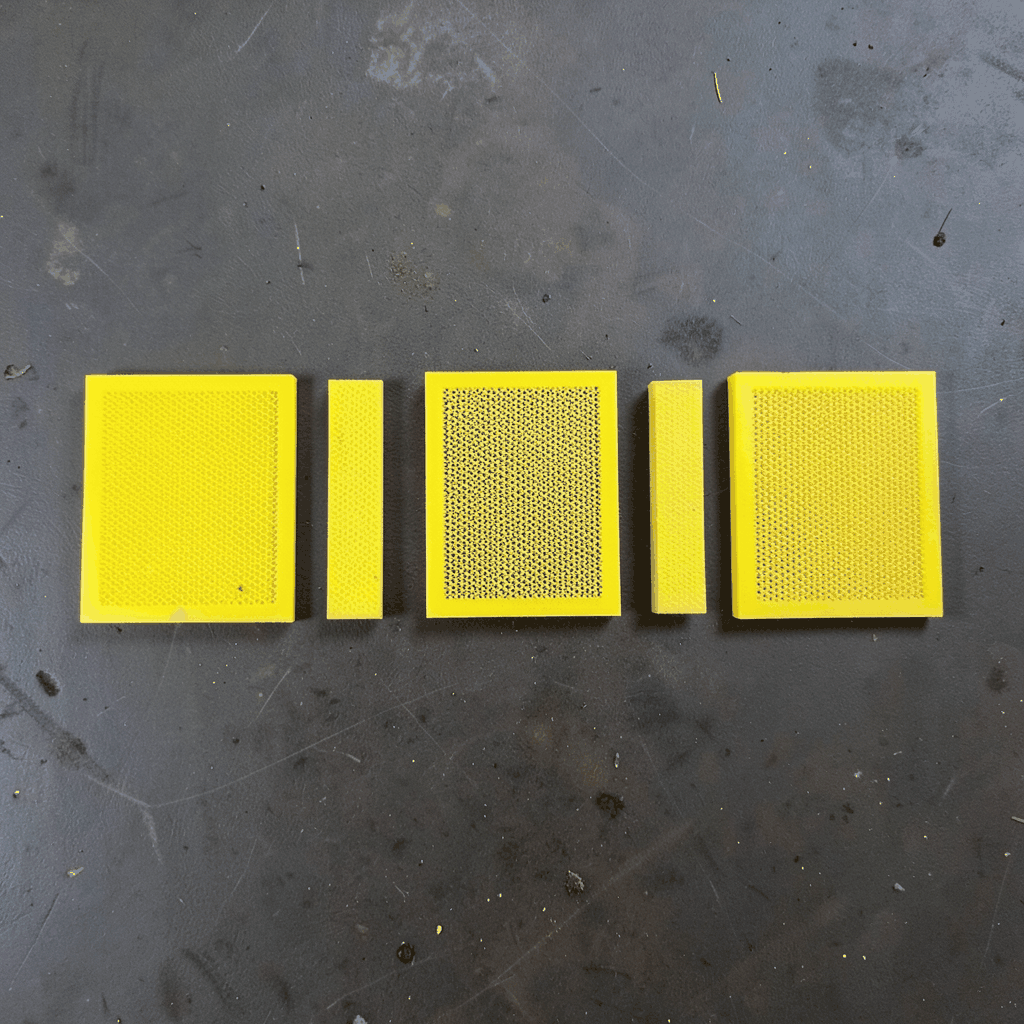
Color-Matched Powder-Coated Mesh for Fences and Gates
A fence or gate does more than define a boundary. It frames an entrance, influences how a property is perceived, and often remains visible from roads, courtyards, walkways, and neighboring buildings. When the mesh infill, posts, frames, and hardware share a carefully selected finish, the entire system appears intentional rather than assembled from unrelated parts.
Custom powder-coated mesh makes this visual coordination practical. Stainless steel, aluminum, iron, and other metal mesh products can be fabricated for different levels of privacy, airflow, security, and decoration, then finished in a color selected for the project. The result is a fence and gate system that supports the architectural palette while retaining the strength needed for everyday use.
Shuo Ke Wire Mesh Product Technology Co., Ltd. provides customized metal mesh solutions for residential, commercial, architectural, and municipal applications. Its capabilities cover decorative panels, security fencing, gates, guardrails, cladding, and other fabricated mesh products, allowing appearance and engineering requirements to be considered together.
Why Color Matching Matters
A coordinated finish can connect a fence to a building’s window frames, roofing, doors, signage, lighting, or landscape structures. Neutral shades such as black, gray, bronze, and white remain common, while custom color selections can support a brand identity or a distinctive residential design. Matching does not always require an identical color; a deliberate tonal contrast may provide greater visual depth.
Color consistency is especially important when a project includes several components. Expanded mesh, woven wire mesh, perforated panels, frame sections, posts, hinges, and gate leaves may have different shapes and surface areas. If each element receives a compatible finish, the system reads as a single designed assembly.
Powder coating also provides a clean, uniform surface with broad options for gloss, texture, and color. A fine-textured dark finish can reduce the appearance of minor marks and reflections, while a smooth light finish can create a crisp contemporary effect. The appropriate choice depends on the site environment, viewing distance, maintenance expectations, and architectural style.
Select the Mesh Around the Application
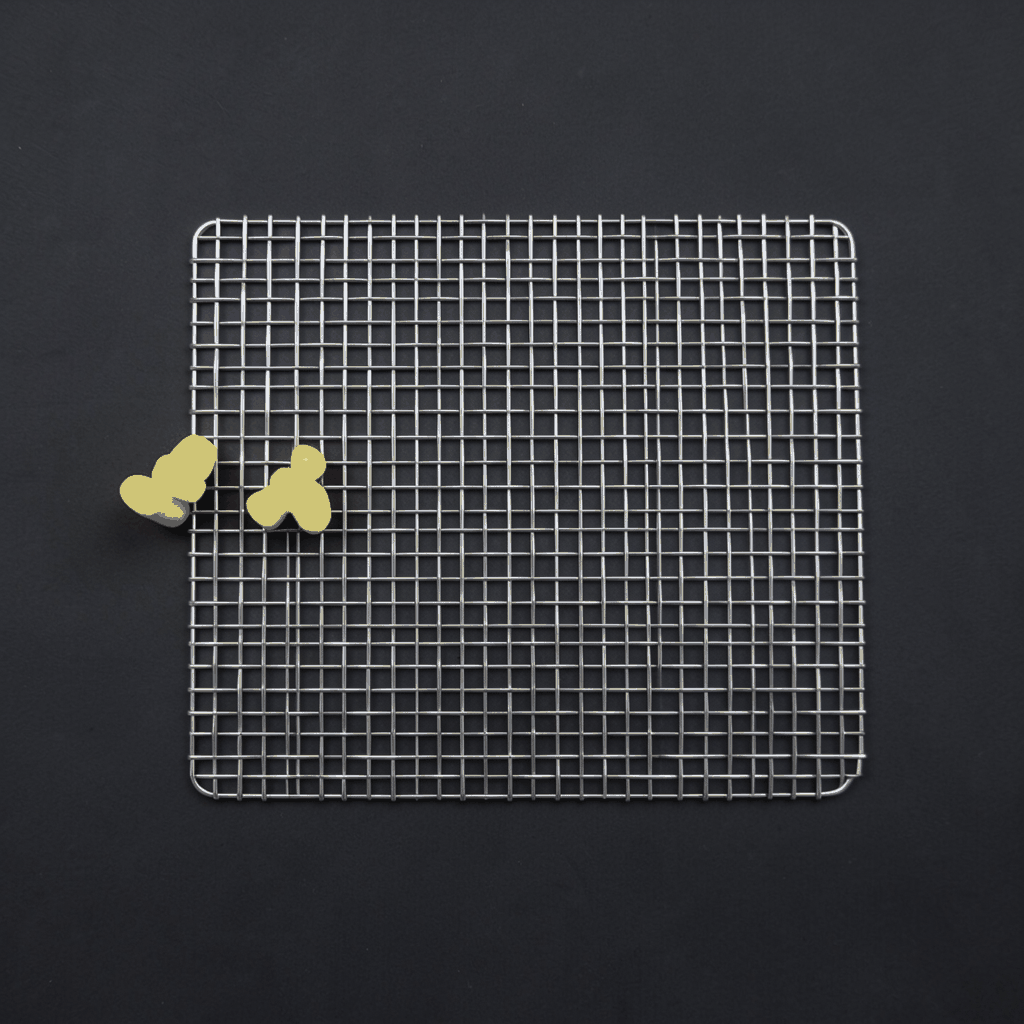
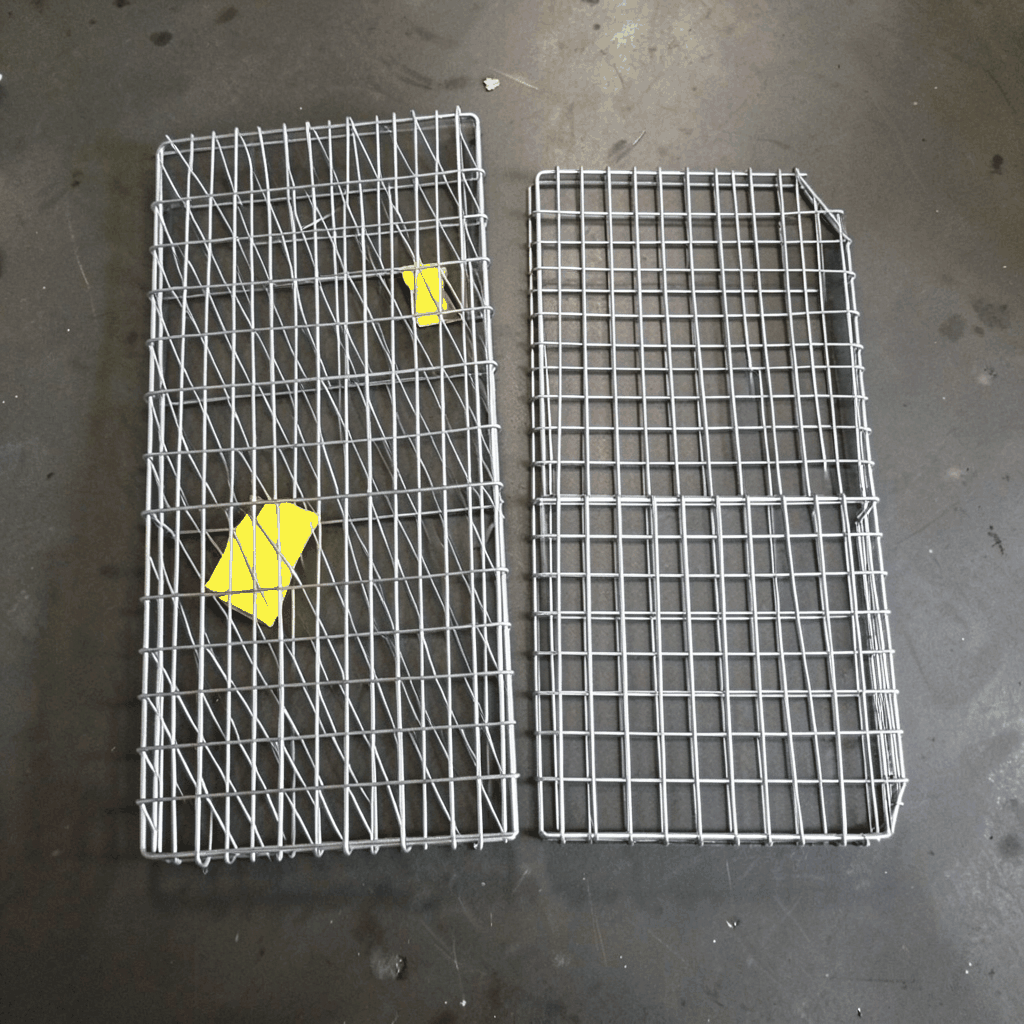
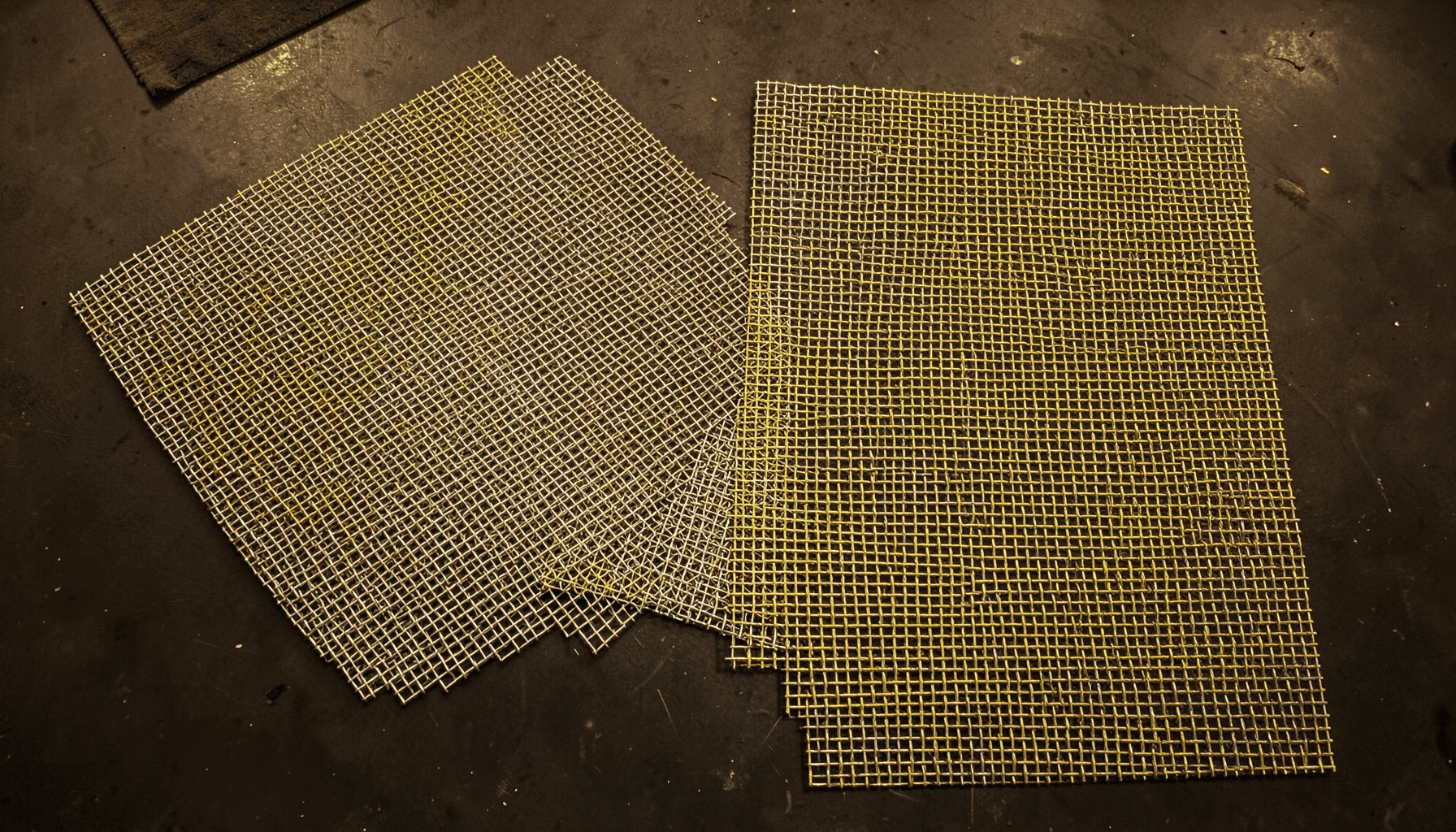
The pattern and construction of the mesh should be determined before the color is finalized. Welded wire mesh creates a regular, orderly appearance and works well for perimeter fencing, animal enclosures, partitions, and security barriers. Woven mesh can provide flexibility and a softer visual texture, while expanded metal offers a strong geometric surface with useful airflow and partial screening.
Opening size affects both appearance and performance. Smaller apertures increase visual privacy and make it more difficult to pass objects through the fence, but they may add weight and require stronger supporting frames. Larger openings preserve transparency and ventilation, which can be valuable around gardens, parking areas, sports facilities, and commercial properties.
The wire diameter, mesh thickness, panel dimensions, and frame design must also suit the expected loads. Wind exposure, impact risk, pedestrian activity, climbing resistance, and gate frequency all affect the specification. A decorative mesh panel used inside a courtyard should not automatically be treated as equivalent to a perimeter barrier exposed to traffic or severe weather.
For sliding and swing gates, the infill weight is particularly important. Heavy panels may require reinforced hinges, stronger posts, upgraded rollers, or motor systems with suitable capacity. A color-matched system performs best when the visual design and mechanical design are developed at the same time.
Build A Reliable Coating Specification
A powder-coated finish begins with the condition and preparation of the metal. Cleaning, degreasing, removal of contaminants, and suitable pretreatment help the coating bond to the substrate. The preparation method should reflect whether the product is made from galvanized steel, stainless steel, aluminum, or untreated carbon steel.
The coating specification should identify the color reference, surface texture, gloss level, target film thickness, pretreatment process, and intended exposure. For outdoor fencing, the finish must be selected for sunlight, rain, humidity, temperature changes, and contact with dust or pollutants. Coastal or industrial locations may require additional attention to corrosion protection and edge coverage.
Color samples should be assessed in the conditions where the fence will be installed. Indoor lighting can make a gray appear blue, a bronze appear brown, or a white appear warmer than expected. A physical sample viewed beside the building materials gives a more reliable impression than a digital screen or printed color card.
Batch control is another practical consideration. Large projects may be manufactured, coated, and delivered in stages. Recording the approved color reference and finish details helps reduce variation between production runs. It is also useful to specify whether small differences between mesh, frames, posts, and hardware are acceptable or whether all visible components must be matched closely.
Match The Finish To The System
Different mesh products create different visual effects even when they use the same powder-coat color. A tightly woven wire surface absorbs light differently from a flat laser-cut screen. A textured finish can emphasize the relief of expanded metal, while a smooth coating may highlight the clean lines of a welded panel.
The following comparison can help align material, pattern, and finish with common project objectives:
| System element | Suitable mesh approach | Finish considerations | Common applications |
|---|---|---|---|
| Front boundary fence | Welded, expanded, or decorative woven mesh | Durable low- to medium-gloss color coordinated with the facade | Homes, offices, villas |
| Pedestrian gate | Lightweight welded or laser-cut panel | Smooth or fine texture for close-range appearance | Entrances, courtyards, gardens |
| Driveway gate | Reinforced framed mesh panel | Consistent coating across frame, hinges, and posts where visible | Residential and commercial access |
| Security perimeter | Heavy welded mesh or rigid panel | Corrosion-resistant system with strong edge protection | Warehouses, utilities, municipal sites |
| Privacy screen | Small-aperture mesh or patterned sheet | Dark or muted colors can reduce glare and improve visual comfort | Balconies, service areas, rooftop spaces |
| Landscape enclosure | Open welded or woven mesh | Green, brown, gray, or custom colors can blend with surroundings | Parks, gardens, recreation areas |
Color selection should also account for maintenance. Very dark finishes may show dust, pollen, and scratches more readily in bright environments. Very light finishes can reveal mud and marks around gates or pedestrian contact points. A medium-tone textured coating may provide a practical balance where the fence is exposed to frequent handling.
When color coordination extends to wall cladding, elevator surrounds, screens, or interior partitions, the same design language can continue across the property. Metal mesh is therefore useful as more than a boundary material; it can become part of a broader architectural system.
Engineer For Wind, Impact, And Daily Use
A visually successful fence must remain stable after installation. Post spacing, foundation depth, frame rigidity, fastener selection, and connection details all influence long-term performance. Large solid areas can collect greater wind pressure, while open mesh reduces resistance but still transfers force into posts and foundations.
Gates introduce additional stresses because their weight is carried by hinges, pivots, rollers, and surrounding supports. Repeated opening cycles can loosen poorly selected hardware or distort a lightly built frame. For automated gates, the motor, control equipment, safety sensors, and stopping mechanism should be compatible with the finished gate mass.
Projects with elevated impact or safety requirements may need a heavier construction than a standard decorative fence. Guidance on heavy-duty guardrails can help clarify how steel wire mesh systems are evaluated when load requirements become a primary concern. The same principle applies to perimeter barriers: appearance should be developed around a realistic understanding of forces and use conditions.
Drainage and corrosion details deserve attention at ground level. Water trapped inside hollow frames or against unsealed edges can shorten service life. Sloped caps, drainage openings, protected welds, and suitable touch-up procedures can help preserve the coating and underlying metal. These details are rarely visible in a product photograph, yet they strongly affect performance after installation.
Coordinate The Practical Decisions
A clear project brief allows the manufacturer to recommend a suitable mesh construction and coating process. It should describe the site, dimensions, desired opening ratio, privacy level, gate movement, color reference, hardware requirements, and expected exposure. Drawings or reference photographs can further clarify how the finished system should relate to nearby materials.
Before approval, review the sample in daylight and inspect both the mesh and its frame. Check whether the selected aperture provides the intended screening, whether the edge treatment looks clean, and whether the proposed support structure appears adequate for the panel size. For a gate, verify clear opening dimensions and the direction of movement before fabrication begins.
Useful decisions to finalize early include:
- Select the metal type according to strength, weight, corrosion exposure, and fabrication requirements.
- Confirm mesh opening, wire or sheet thickness, panel dimensions, and frame construction.
- Approve a physical powder-coat sample with the desired color, texture, and gloss level.
- Define hinge, roller, lock, automation, post, and foundation requirements for each gate.
- Establish inspection, packaging, touch-up, and installation procedures before shipment.
Good packaging is especially important for coated products. Mesh panels should be protected from abrasion, edge damage, and contact with moisture during transport and storage. On-site handling should avoid dragging panels across concrete or placing finished surfaces against rough materials. Any repair coating should be compatible with the original finish and used according to the manufacturer’s instructions.
Turn A Color Concept Into A Finished System
Custom powder-coated mesh gives architects, contractors, property owners, and fabricators greater control over both appearance and performance. The right result depends on several coordinated choices: mesh pattern, material, structural support, coating preparation, color reference, hardware, and installation environment. Treating these decisions as one system reduces visual inconsistencies and helps avoid costly changes later.
Shuo Ke Wire Mesh Product Technology Co., Ltd. can support projects requiring decorative metal mesh, fence panels, gates, screens, guardrails, and related fabricated products in stainless steel, aluminum, copper, iron, and other alloys. Share the project dimensions, application requirements, preferred mesh style, and color reference to develop a coordinated solution for the site.