Custom Weave Patterns for Decorative Room Dividers and Partitions
Metal mesh has quietly moved out of the factory yard and into the lounge room. Once relegated to filters, fencing, and machine guards, woven wire and sheet products are now specified by interior designers for room dividers, screens, and partitions that shape light, sound, and movement across a space. Australian homeowners and architects have been quick to adopt the category, drawn by the way a slim mesh panel can replace a solid wall while still anchoring a room with texture and presence.
The shift has been accelerated by local housing trends. Inner-Sydney terraces, converted warehouses in Melbourne's inner north, and Brisbane's lifted Queenslanders are increasingly opened up as single, flowing spaces where one zone bleeds into the next. A solid wall often feels too heavy in these layouts, yet privacy, zoning, and acoustic separation still matter. A decorative mesh divider offers a middle ground: translucent enough to preserve borrowed light, sturdy enough to define a dining nook from a hallway or to screen a study nook from a busy living area.
Custom weave patterns sit at the heart of why mesh feels current rather than industrial. Stock dutch weaves and plain weaves still have their place in functional applications, but designers are asking for tailored textures that reference local motifs, brand identities, or simply the geometry of a particular floor plan. A pattern can be dense or open, rhythmic or free-form, and can be tuned to control how much a visitor sees from one side of a screen to the other.
What makes the medium genuinely flexible is the range of base materials on offer. Stainless steel, aluminium, copper alloys, and blackened iron can all be drawn, woven, or laser-cut into sheet form. That variety gives a project team room to match a divider to a coastal weatherboard renovation in Perth, a heritage apartment in Adelaide, or a new build in Brisbane's subtropical suburbs, each with its own expectations of durability, finish, and maintenance.
Materials and Weave Construction
The starting substrate defines both the look and the longevity of a finished divider. Stainless steel grades such as 304 and 316 remain the default for interior screens because they resist corrosion, take a soft brushed or mirrored finish, and hold their tension over large panel sizes. In coastal suburbs where salt spray drifts inland through open windows and balconies, 316 is the safer pick, particularly for screens installed near louvred doors or sliding panels that frame ocean views.
Aluminium brings a more decorative register. Anodised in bronze, champagne, or graphite tones, it suits apartment interiors in high-density suburbs where the weight of a screen matters. Aluminium mesh is also easier to manipulate into tight curves, useful for serpentine partitions that snake through open-plan layouts. Iron and low-alloy steels are the go-to when a screen needs to feel architectural rather than jeweller-like, often powder-coated for outdoor entertaining zones where Australian daily life from October through March revolves around barbecues and verandahs.
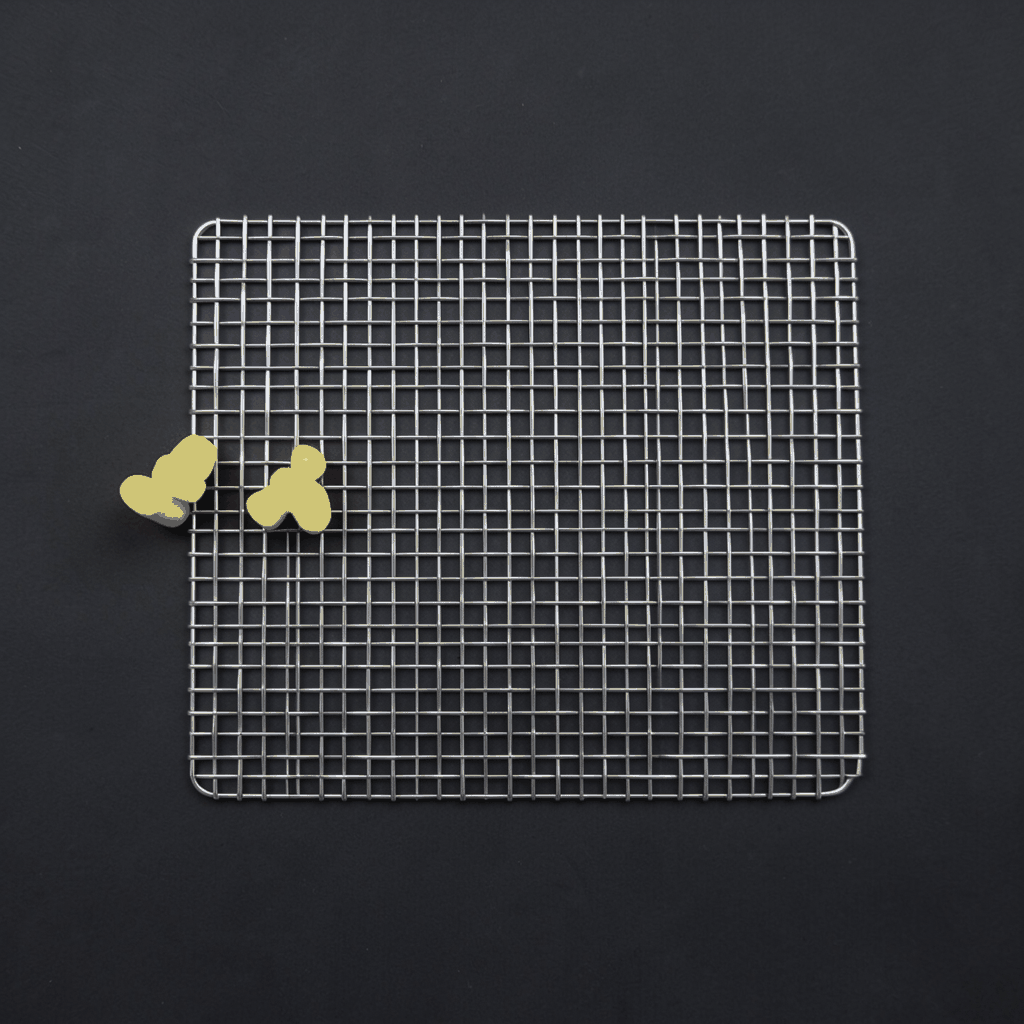
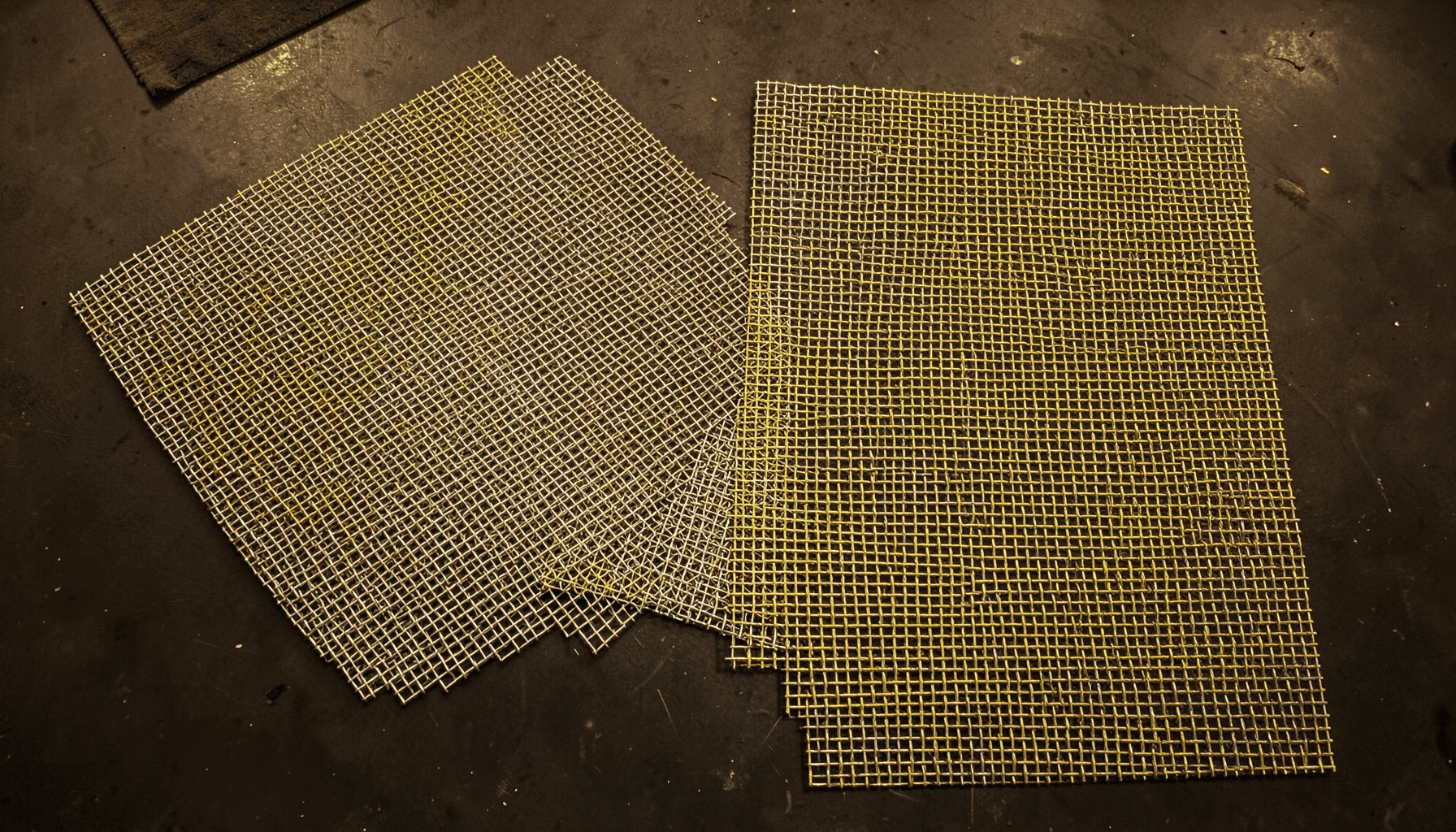
The weave structure itself — plain, twill, dutch, or a hybrid developed for the project — determines how open or closed the screen reads from a distance, and how it filters light through the room during the day. Tighter weaves behave almost like a textile, while looser structures lean toward the look of an open lattice. For most interior projects, the choice is less about engineering strength and more about the visual rhythm the screen adds to the wall behind it.
Pattern Possibilities from Geometric to Organic
Pattern is where a divider moves from background to feature. A regular geometric repeat, such as a square or hexagonal grid, reads as calm and contemporary, and works well behind a dining table where the pattern is glimpsed rather than studied. Tighter repeats work for screens intended to disguise a television or to soften the view of a kitchen servery from a living area. Looser, larger repeats let the panel behave almost like a piece of flat sculpture, especially when lit from one side.
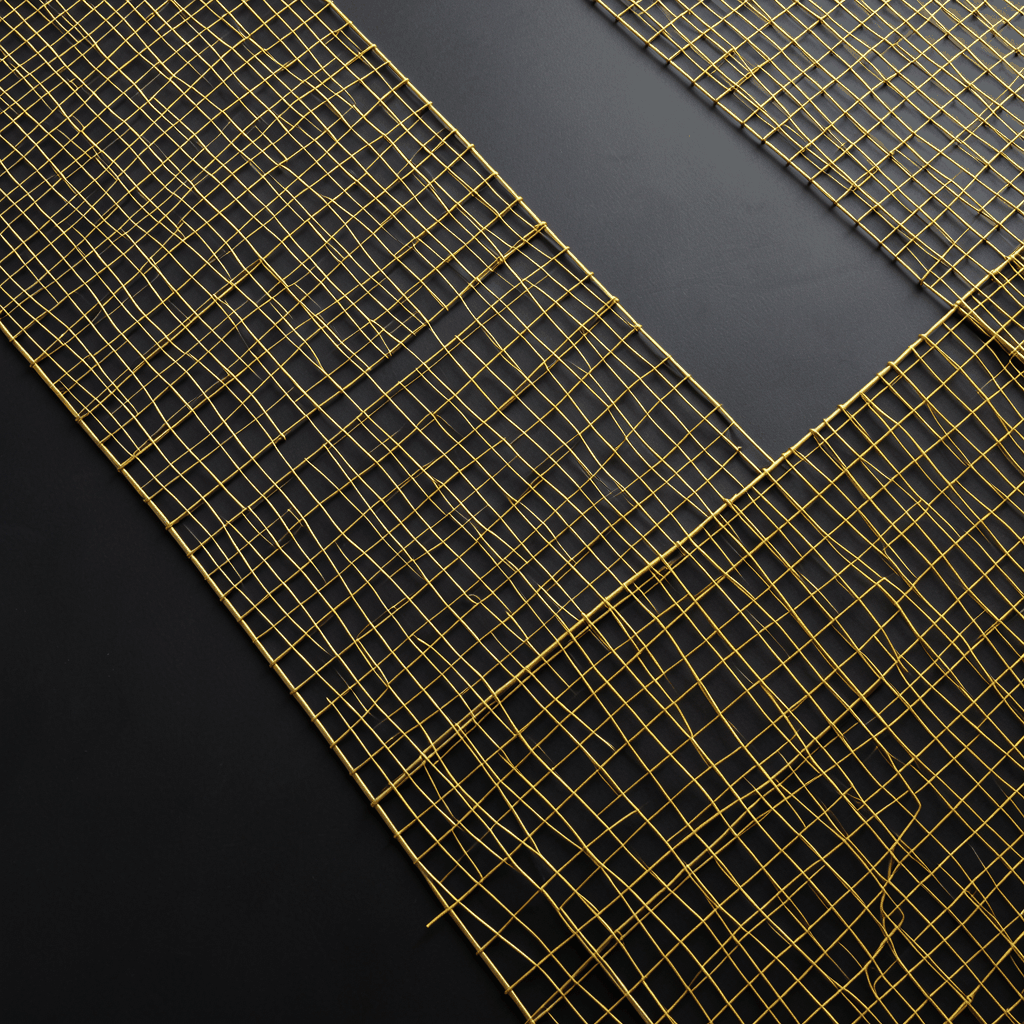
Organic and free-form weaves are increasingly popular with designers who want a screen that feels hand-drawn. Wavy wires, asymmetric spirals, and irregular lattices can be tuned to mimic natural references: eucalypt leaves, coral structures, the cracked surface of a dry riverbed. These patterns are often specified for wellness spaces, yoga studios, and boutique hotel lobbies, where the screen functions as a calm focal point rather than a busy backdrop.
A third category sits between the two. Engineered patterns use mathematics — Voronoi cells, Lissajous curves, parametric lattices — to generate something precise but visually fluid. These patterns translate well into laser-cut panels rather than woven mesh, and they tend to be specified for commercial lobbies, corporate headquarters, and the public-facing areas of healthcare and education facilities. Across all three categories, the right pattern can be calibrated to manage sightlines: tighter density at eye level, looser density above and below, so a divider provides privacy where it matters and openness where it does not.
Australian Interiors, Climate and Code Compliance
Working in Australia means designing around a few realities that rarely appear in international product catalogues. Bushfire Attack Level ratings, defined under AS 3959, dictate material choices for homes in bushfire-prone areas across the edges of Melbourne, the Adelaide Hills, the outskirts of Canberra, and large sections of coastal New South Wales. Non-combustible metal mesh satisfies BAL-29 and BAL-40 requirements in many configurations, which is why mesh screens are appearing on verandahs and as window furnishings in new builds across these zones.
Salt exposure is the second local reality. Homes within roughly a kilometre of the surf zone, including much of Sydney's Northern Beaches, the Gold Coast, and Perth's coastal strip, demand careful grade selection and finish specification. Manufacturers typically respond with marine-grade stainless, increased edge clearances, and advice on cleaning intervals so salt does not accumulate in the weave.
Acoustic performance is often undervalued at the brief stage but becomes critical after installation. A plain weave with a high open area does almost nothing to soften sound in a hard-surfaced apartment, while a denser pattern backed with a transparent acoustic fleece can drop reverberation noticeably in a home office. For commercial fit-outs in mixed-use towers in Sydney and Melbourne, where body corporate rules often govern what can be fixed to common property, mesh screens offer a reversible, low-load option that tends to win approval where solid partitions would not.
Practical Engineering, Fixings and Acoustic Behaviour
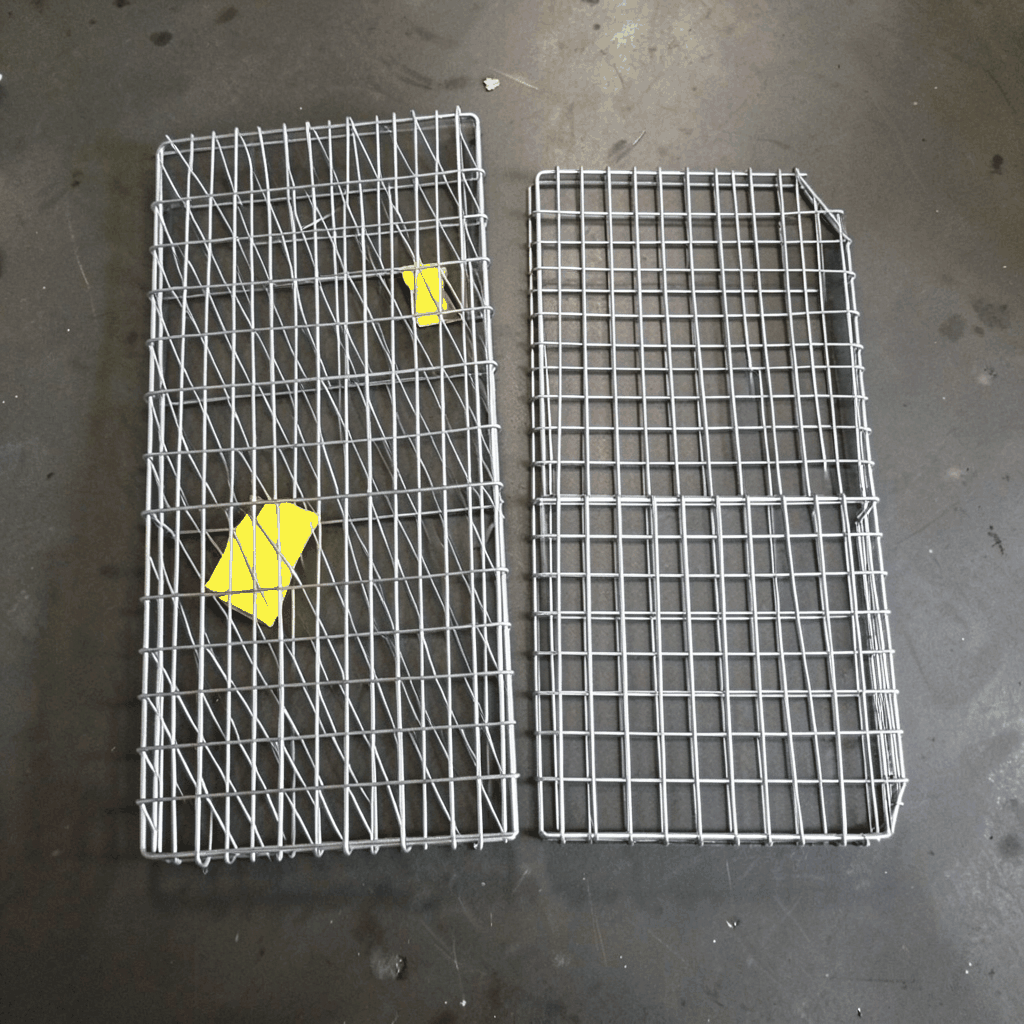
A custom divider is only as good as its fixings. Floor-to-ceiling screens usually sit in a slim aluminium or stainless frame, with the mesh either tensioned across the frame or set into a U-channel that allows the panel to be removed for cleaning or relocation. For freestanding screens, a weighted base in matching metal keeps the panel upright without the visual heaviness of a timber frame. In rental apartments, which dominate inner-city living across Carlton, Surry Hills, and Fortitude Valley, freestanding screens are often the only legal option because body corporate rules forbid fixed penetrations into floors and walls.
Acoustic behaviour depends on three factors: open area, wire diameter, and what sits behind the mesh. A screen with fifty per cent open area is essentially transparent to sound and will not change the room's reverberation. Drop the open area to thirty per cent and add a translucent acoustic blanket behind the weave, and the same screen begins to soften conversations and traffic noise. Specifiers working on home offices for hybrid workers often choose this second configuration because it lets a workspace feel separated from the kitchen or living zone without making a video call feel like it is being held inside a cupboard.
Maintenance is the final practical consideration. Most woven mesh screens need nothing more than a soft brush and a wipe with a mild detergent every season, with a freshwater rinse in coastal locations to remove salt. Powder-coated and anodised finishes are forgiving, while raw stainless and brass may show fingerprints and water spots in hard-water areas. For households with young children or pets, slightly larger wire diameters and tighter tensioning reduce snagging and make the screen more forgiving of the occasional bump.
Collaborating on a Bespoke Project
A short conversation early in a project saves expensive rework later. Most experienced mesh suppliers will begin by asking about the room orientation, the light source behind the screen, the required level of privacy, and any body corporate or local council constraints. From those answers they can usually recommend a weave family, a finish, and a fixing strategy before any pattern work is done, which keeps the design conversation focused on the look and feel rather than on technical fixes.
Popular weave directions worth raising with a designer
- Tight dutch weaves with a subtle horizontal grain, suited to long corridor screens and entry lobbies.
- Open spiral weaves that read almost like fabric, chosen for apartment living zones and hospitality fit-outs.
- Laser-cut parametric patterns calibrated to a brand's visual identity for commercial reception areas.
- Hybrid panels combining a woven centre with a laser-cut border, balancing openness at the top with privacy at eye level.
Questions to raise with a mesh supplier before ordering
- What grade of stainless or alloy suits the local environment and finish expectation?
- How will the screen be fixed, and does the building allow that fixing method?
- Are physical samples available in the intended finish and at the actual open-area target?
- What is the expected lead time for a one-off custom pattern versus a modified stock weave?
For those ready to explore bespoke weave patterns and request material samples for a residential or commercial project, the printformtech resource hub is a useful place to compare finishes and gather detailed technical information before specifying a screen for an Australian interior.