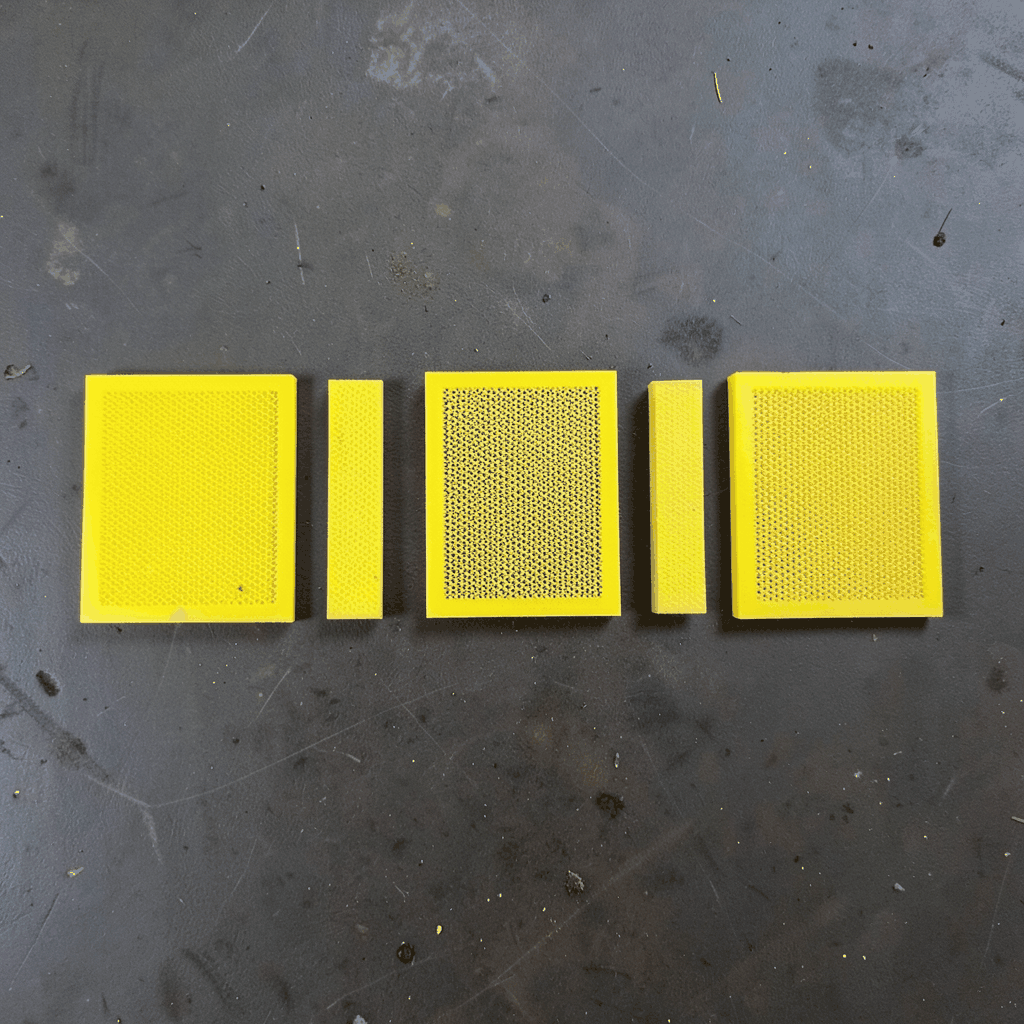
Custom Wire Mesh Filter Discs for Hydraulic Oil Filtration
Hydraulic equipment depends on clean oil to protect pumps, valves, cylinders and control components. A small quantity of abrasive dust, metal wear debris or seal material can accelerate damage, increase pressure drop and shorten service intervals. Filter discs made from precision woven wire mesh provide a practical way to support contamination control in suction strainers, return-line filters, pressure filters and compact filter assemblies.
For Australian operators, filtration performance must suit real working conditions. Mining sites around Perth and the Pilbara, agricultural machinery in regional New South Wales, and port or manufacturing equipment near Brisbane and Melbourne all face different combinations of dust, heat, vibration and maintenance access. A disc that looks suitable on paper still needs the right alloy, mesh opening, diameter, thickness and edge treatment for the actual hydraulic circuit.
Selecting Mesh for Hydraulic Oil Service
A hydraulic filter disc is generally produced by cutting woven wire cloth into a round, shaped or multi-layer element. The mesh opening controls the approximate particle retention, while the wire diameter affects strength, open area and resistance to deformation. A fine mesh may deliver better contamination control, but it can also create a higher initial pressure drop and require more frequent cleaning or replacement.
The correct rating should be selected with the whole system in mind. Pump inlet strainers often prioritise flow and protection against larger particles, while return-line elements may use finer filtration before oil returns to the reservoir. Pressure-line discs must withstand the circuit’s working pressure, pulsation and any temporary pressure spikes. Flow rate, oil viscosity at operating temperature and the available filter area all influence the final design.
Woven mesh should also be distinguished from perforated sheet. Perforated metal can provide rigid openings and good structural support, whereas woven wire mesh offers a broader range of precise filtration grades. The difference is explained clearly in this comparison of perforated metal and woven mesh, which is relevant when engineers are choosing between open-area performance and mechanical rigidity.
Designing Discs for Reliable Flow
A round disc may be supplied as a single layer, but demanding hydraulic applications often benefit from a composite construction. Fine filtration mesh can be supported by a coarser backing mesh, perforated plate or expanded support layer. This arrangement helps prevent the fine cloth from buckling under differential pressure and can extend service life where flow is turbulent or contamination loads fluctuate.
Edge construction is equally important. A plain-cut disc may be suitable for installation inside a retaining frame, but a welded, bonded or rimmed edge can help prevent fraying and bypass around the filter perimeter. The edge should match the housing and sealing method, including O-rings, gaskets, clamping rings or threaded retainers. Even accurate mesh cannot perform properly if oil can travel around the outside of the element.
Custom dimensions are useful when replacing an obsolete component or improving a standard filter assembly. The manufacturer can work from a drawing, sample, CAD file or measured part. Important details include outside diameter, inside diameter, thickness, tab location, mounting holes, number of layers and any required frame. For Australian maintenance teams, supplying a worn disc or a clear set of measurements can reduce delays when equipment is already down on site.
Materials for Australian Operating Conditions
Stainless steel is a common choice for hydraulic filtration because it combines corrosion resistance, mechanical strength and stable performance across a broad temperature range. Stainless mesh is suitable for systems exposed to moisture, wash-down areas, coastal air and industrial contaminants. It is also a practical option where the element will be cleaned and reused rather than discarded after one service interval.
Aluminium may be selected when low weight is important, although its suitability depends on the oil, temperature and structural demands of the filter. Plain steel can offer economical strength for protected industrial equipment, while copper and specialist alloys may be used for particular conductivity, corrosion or process requirements. Material compatibility should be checked against the hydraulic fluid, additives, cleaning chemicals and surrounding housing.
Australia’s environment makes this review especially important. A machine working in a dusty Pilbara yard may need robust support and a cleaning-friendly design, while equipment near Newcastle or Geelong may encounter humid air and salt-laden conditions. Irrigation pumps in Queensland and mobile plant in South Australia can also experience long idle periods, condensation and contaminated storage conditions. Choosing the alloy and finish around the service environment helps avoid premature rust, distortion or blocked openings.
Filtration Performance and Process Knowledge
The nominal or absolute filtration rating should be discussed with the hydraulic system designer rather than selected from mesh count alone. Two meshes with similar opening descriptions may behave differently because of wire shape, weave pattern and manufacturing tolerance. Oil cleanliness targets, component sensitivity and the expected contamination profile should determine whether a coarse, medium or fine grade is appropriate.
Hydraulic oil filtration is different from mineral separation, even though both involve controlling particles in a fluid stream. In mining and processing operations, engineers may encounter separate equipment based on settling, density or centrifugal effects. For background on gravity separation methods, see the discussion of spiral concentrators and tables; a wire mesh disc, by contrast, relies on a physical opening and does not separate particles according to density.
Flow distribution also affects service life. If oil reaches only one section of a disc, that area may load quickly while the remaining mesh contributes little useful capacity. A larger effective filtration area, pleated support arrangement or multiple-disc assembly can reduce local loading. Engineers should review the available housing space and pressure-drop limit before specifying an exceptionally fine mesh.
Manufacturing, Inspection and Maintenance
Consistent production begins with controlled wire cloth. Mesh should be checked for opening size, wire diameter, weave condition and visible defects before it is cut. Laser cutting, stamping or precision shearing may be selected according to material, thickness, quantity and edge requirements. Heat-affected areas and burrs should be considered where the disc sits against a seal or delicate hydraulic component.
Inspection can include dimensional verification, visual examination, layer alignment and edge integrity. For critical orders, the supplier may provide material documentation, mesh specifications, sample approval or inspection records. These checks are valuable when discs are being installed in mining hydraulics, heavy mobile equipment or automated production lines where an incorrect part can cause expensive downtime.
Cleaning and handling should be part of the design discussion. Reusable stainless-steel discs may be cleaned with a method approved for the mesh, oil residue and housing, then inspected for stretching, tears or blocked openings. A disc that has been flattened, deeply scored or permanently distorted should not be returned to service. Keeping spare elements labelled by machine and filtration grade can simplify planned maintenance for crews working across large Australian sites.
Practical Selection Checklist
Before requesting a quotation, prepare the operating information that allows a manufacturer to recommend a suitable mesh and construction.
- Hydraulic oil type, operating temperature and expected flow rate
- Filter location, working pressure and allowable pressure drop
- Disc diameter, thickness, mounting details and sealing arrangement
- Required filtration grade, contamination level and cleaning method
A clear enquiry also helps confirm whether the proposed disc will integrate with the existing assembly.
- Stainless steel, aluminium, steel or other alloy specification
- Single-layer or supported multi-layer construction
- Cut, welded, bonded or framed edge treatment
- Sample approval, dimensional inspection and packaging requirements
Shuo Ke Wire Mesh Product Technology Co., Ltd. can process woven mesh discs and related metal filter components for industrial applications. Custom work can be developed around drawings, samples or project specifications, with attention to mesh selection, structural support and practical installation. This approach is useful when a standard catalogue element does not match the housing or when an existing filter needs improved durability.
For Australian buyers, it is sensible to include the delivery location, required quantity and replacement schedule in the initial request. A one-off prototype for a workshop in Adelaide may need a different production approach from a repeat supply arrangement for mining equipment in Western Australia. Discussing tolerances, packaging and lead times early supports smoother purchasing and fewer surprises at the worksite.
Send the disc dimensions, application details and filtration requirements to Shuo Ke Wire Mesh Product Technology Co., Ltd. for a tailored assessment. A properly specified wire mesh filter can help protect hydraulic components, support steadier oil flow and provide a dependable solution for Australian industrial, agricultural, mining and municipal equipment.