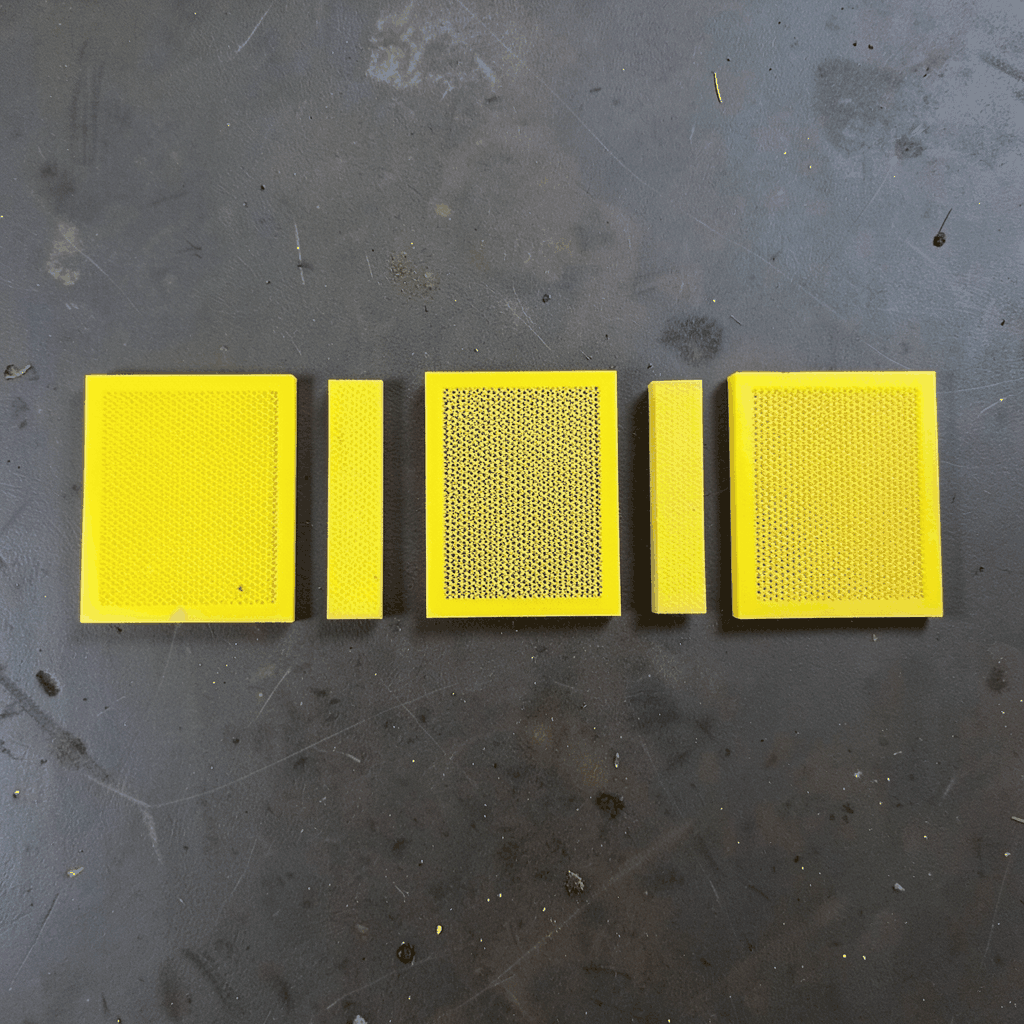
Decorative brass mesh for luxury furniture inlays and accents
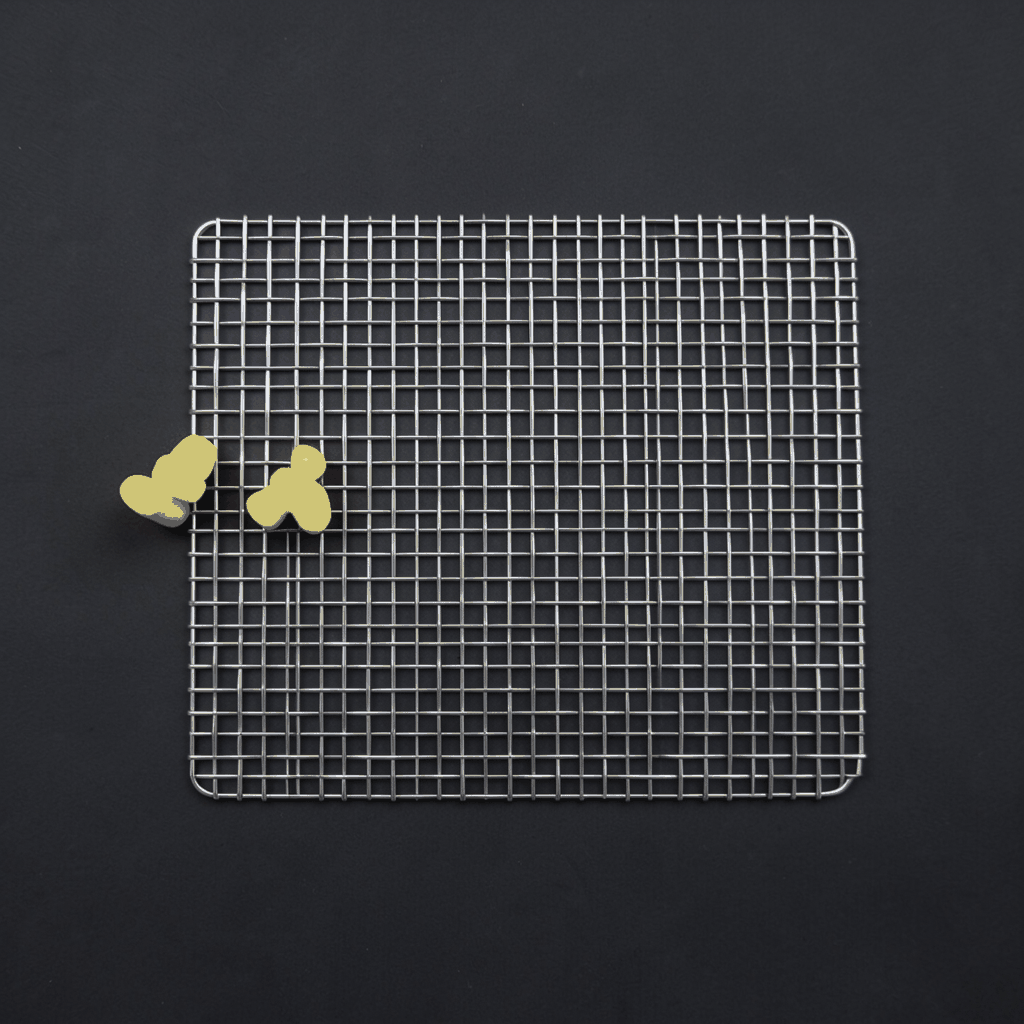
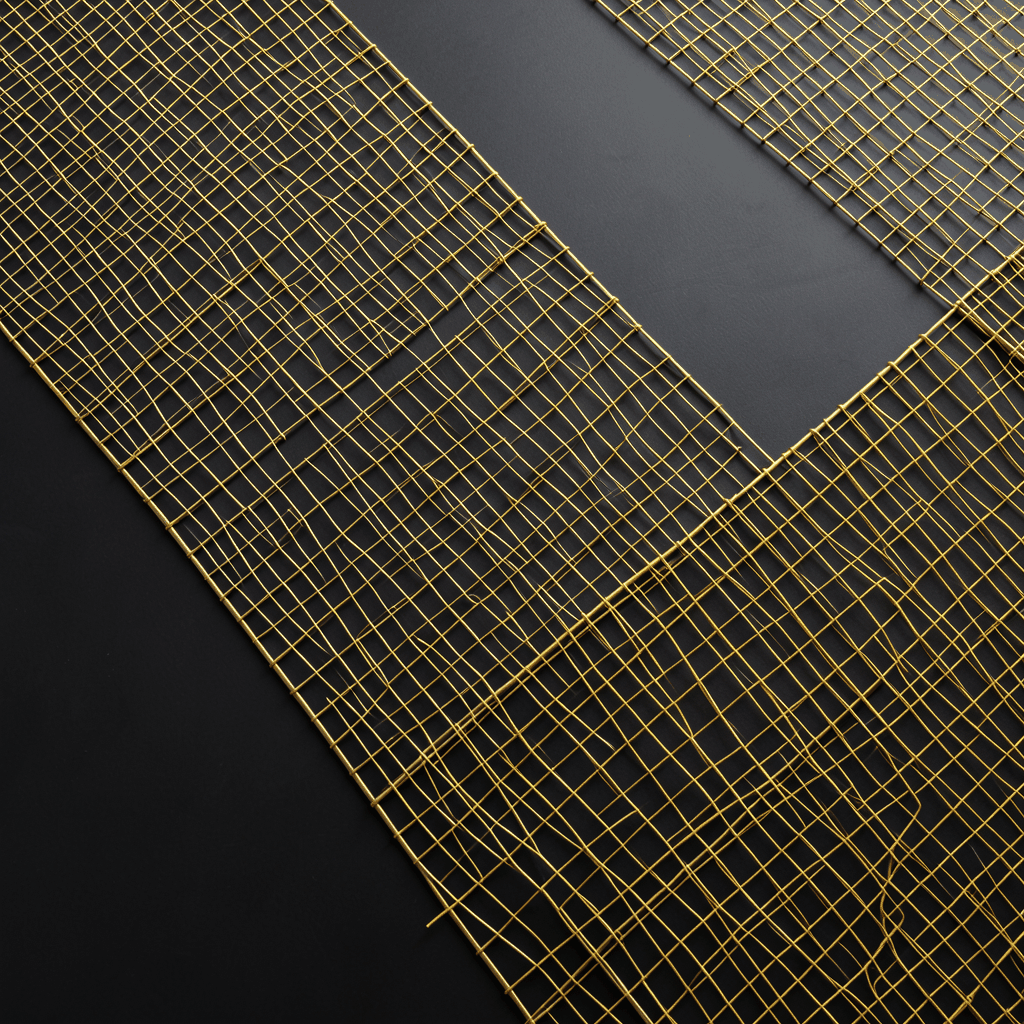
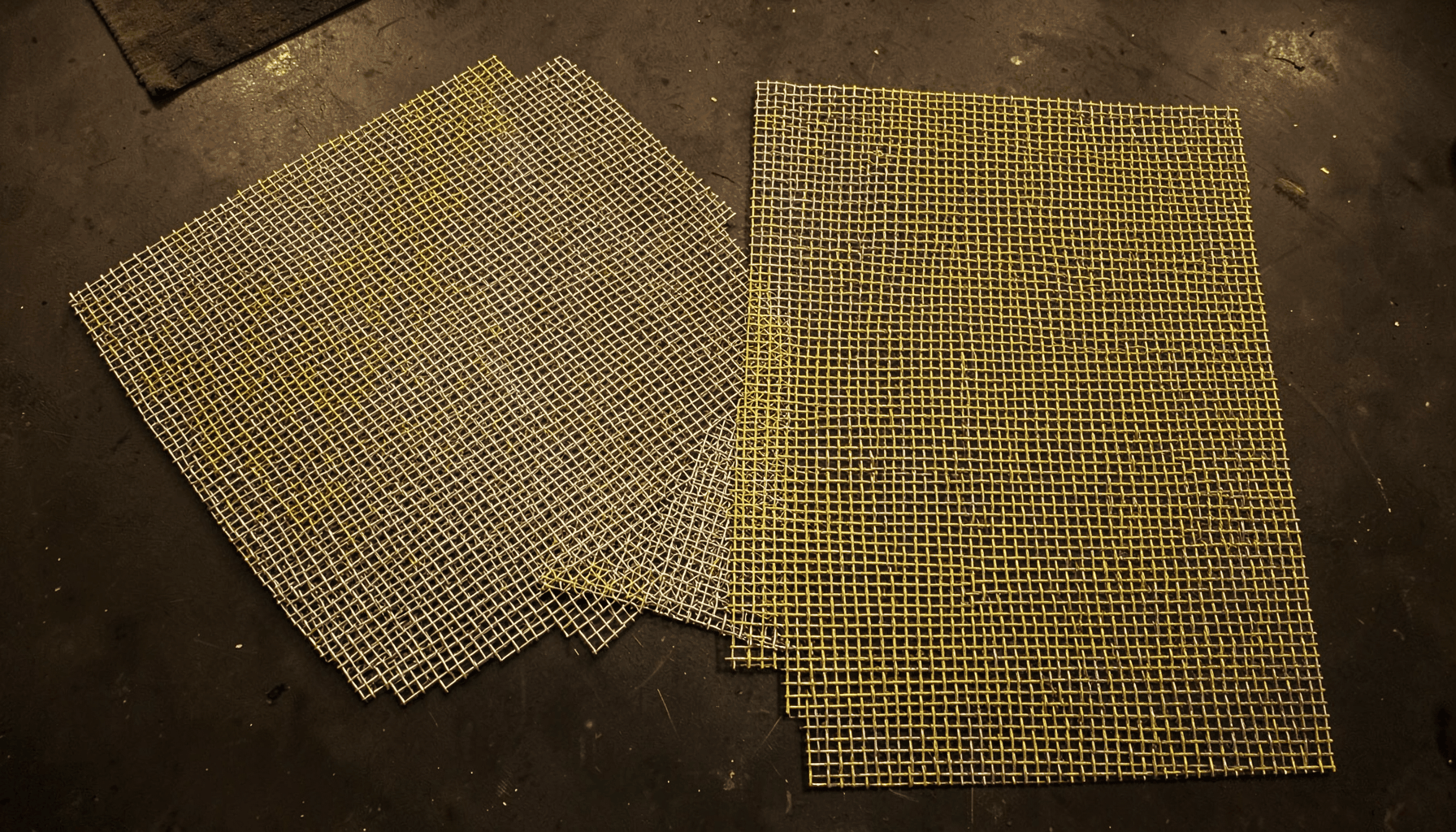
Decorative brass mesh brings a controlled glint and real depth to furniture, turning cabinet panels, tables and screens into crafted focal points. Woven strands create a fine veil of light, while perforated sheets reveal a bolder graphic pattern. Both offer a warm alternative to flat metal trim without making the room feel heavy. As an architectural mesh material, it suits furniture where an ordinary metal edge might look too cold or an ornamental moulding could feel overly formal.
For designers, cabinetmakers and furniture manufacturers, the appeal lies in the combination of precision and texture. A woven brass insert can soften a walnut door, a laser-cut screen can frame a lounge chair, and a mesh-backed cabinet can display objects while preserving visual lightness. The result works for a one-off sideboard as convincingly as for a coordinated hospitality fit-out.
Shuo Ke Wire Mesh Product Technology Co., Ltd. develops and processes architectural and industrial mesh from stainless steel, aluminium, copper, iron and other alloys. For a brass-led project, the relevant production path is custom mesh selected for the furniture design, with alloy, sheet format, pattern, joining method and finish confirmed against the drawings. That practical approach is valuable to Australian buyers working between local joinery workshops and international suppliers.
A warm architectural accent for refined pieces
Brass has an innate warmth that pairs naturally with walnut, oak, tan leather, travertine and deep green stone. Its colour shifts between muted honey and a brighter metallic gold as the light changes, so a panel can feel understated in the morning and more decorative under evening lamps. This responsiveness is one reason designers choose brass mesh for statement furniture rather than treating it as a purely structural element.
At furniture scale, the mesh can create depth without the visual weight of a solid sheet. Fine woven panels placed behind glass or timber frames reveal shadows and internal objects, while open grids catch highlights along their edges. This gives a practical layer of privacy to display cabinets and helps dividers separate zones in an open-plan room without closing them in.
A custom insert also signals careful making. Whether it appears in a bedside table, reception desk or dining setting, the precision of the aperture and the consistency of the border make the detail feel designed. For premium residential and commercial work, that small moment of craftsmanship can carry the character of the entire piece.
Selecting a pattern for the intended detail
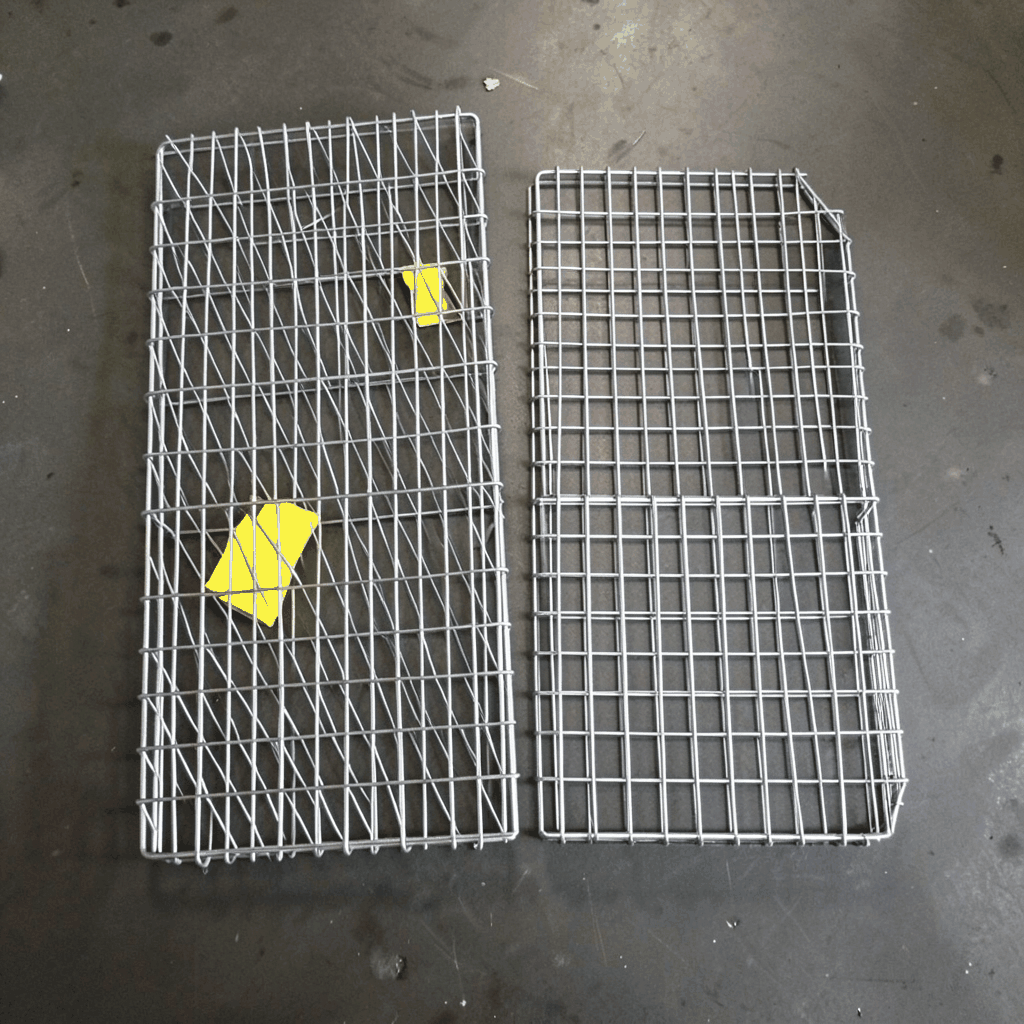
A woven brass mesh sheet creates a textile-like surface. Woven or knitted construction is useful for curtains, screens and cabinet inserts, particularly where a close view should reveal layers of texture rather than a hard industrial grid. A perforated panel offers a cleaner graphic effect because each opening is cut into a continuous sheet. Welded or expanded mesh provides a stronger, more architectural character.
Pattern density should follow viewing distance and handling. Dense weave suits a drawer front, door or inset that will be touched; larger apertures suit a table base, screen or room divider seen across a room. Too fine a pattern can disappear from a distance, while too coarse a grid can look utilitarian. Draw the intended detail roughly to full size and assess it beside the actual timber, stone or upholstery.
Samples remain essential because wire thickness, aperture and edge profile change the final impression. Specify whether the panel should filter light, conceal storage, carry a motif or provide an open boundary. A maker can then compare woven brass mesh, perforated brass sheet and other alloy options against the design intent, rather than choosing a pattern from a small image alone.
Inlaying mesh into cabinetry, tables and seating
For a cabinet or sideboard, the mesh can be recessed into a frame, floated within a door or used as a narrow display panel. A dark timber, smoked glass or acoustic backing controls what shows through, while the brass catches the eye at the edge. In drawers, the sheet can act as a protective liner beneath jewellery, stationery or objects with delicate finishes.
Tables benefit from a different treatment. A brass mesh band can replace a conventional rail around the perimeter, create a floating apron beneath a stone top or reveal a shadow beneath the surface. The mesh should remain separate from hot cooktops and direct heat sources, and any edge exposed to frequent contact needs a smooth, secure profile.
The installation method matters as much as the sheet. Mechanical capture within a rebate gives a crisp, repairable result and allows the mesh to be removed without pulling it from the substrate. Where adhesive is used, the selected adhesive and surface preparation should be approved for the metal, timber and chosen finish, with adequate curing time before the furniture is handled.
In seating, the same material can become a decorative backrest, a slim privacy panel between dining chairs or an accent visible beneath an upholstered shell. These details are usually most successful when the mesh continues a line already present in the design. It can echo the curve of an arm, the proportion of a door or the rhythm of a nearby screen.
Matching finishes with timber, stone and metal
Timber and brass create an immediate natural pairing. Walnut and brass can feel mature and richly layered, while pale oak and a satin brass tone produce a lighter, coastal character. Avoid judging the combination on a monitor: obtain a finish sample, place it against the selected board and view it under the same lighting used in the room. Stone is best handled similarly, as veining and colour can shift the perceived warmth of the metal.
A polished surface reflects sharper highlights and suits formal or glamorous settings; a brushed or satin finish reduces glare and shows fingerprints less readily. An unlacquered finish may develop a patina, which some designers welcome but others find inconsistent. Lacquered mesh offers a more controlled appearance, although it can show scratches and may need careful cleaning.
Agree on maintenance before fabrication. The supplier should state the alloy, surface treatment and expected cleaning method, while the joiner should identify areas exposed to salt, sweat, cleaning chemicals or coastal air. Clear instructions prevent a client from using an abrasive polish that removes a deliberately aged or brushed surface.
From one commission to a coordinated fit-out
A residential commission may start with a single hero table, while a hotel project may require repeated panels across doors, bars and guest rooms. The two scales need different production planning. For one piece, pattern development and hand fitting can be concentrated around the design; for a fit-out, consistent wire gauge, aperture, corner treatment and finish become essential so every panel reads as a matched set.
Custom metal mesh solutions are particularly useful when standard sheet dimensions do not align with the furniture. Shuo Ke can assess architectural and decorative mesh requirements, then discuss suitable configurations for partitions, elevator cladding, laser-cut screens and other elements alongside the furniture brief. A shared dimension schedule reduces errors when the mesh is handed from the designer to the metalworker and then to the local joinery shop.
For larger orders, request production samples and approval documentation before the full run. Useful details include the alloy designation, nominal wire size, open-area ratio, panel dimensions, edge treatment, finish reference and expected quantity. If a project combines furniture with room dividers or wall features, reviewing the whole package helps preserve visual coherence across the space.
Preparing details for Australian conditions
Australian conditions make finish selection particularly practical. In Brisbane, humid subtropical weather can accelerate corrosion on untreated metal, especially in bathrooms, kitchens and coastal properties. A suitable brass or copper-alloy grade, protective finish and sensible cleaning routine should be agreed before fabrication. Air-conditioned interiors may feel dry, but outdoor-facing joinery and coastal salt still warrant the same care.
Perth’s strong sunlight brings a different issue: glare and fading of adjacent materials. Mesh placed beside glazing can throw patterned light across a room, so test the finish in the orientation it will occupy. Melbourne’s warehouse conversions and Sydney’s compact apartments and terraces often call for visual separation without bulk, making finely patterned screens useful for joinery, bathrooms and open-plan living areas.
On the Gold Coast, hospitality and residential projects often pair brass accents with pale timber, stone and reflective glass. Australian importers and fit-out teams also work to staged delivery windows, so confirm dimensions, documentation and lead times before cabinetry is ordered. Metric shop drawings, clear approvals and local installer sign-off can prevent a detailed mesh feature from becoming a bottleneck on site. A sample may look “spot on” in the workshop; it still needs to perform in the finished Australian space.
Bring your brass mesh specification to Shuo Ke
A productive enquiry begins with the finished view in mind. Include a dimensioned sketch, photographs of the base material, the approximate panel size and the role the mesh will play in the piece. If the design includes a motif, a laser-cut screen or a woven curtain, show the desired openness and viewing distance. These references give the mesh producer enough information to recommend a practical construction.
Shuo Ke can develop a custom direction around brass or copper alloy, balancing pattern, sheet format, joining method and finish for the intended application. Samples allow a designer, architect or Australian joiner to compare the metallic tone against real materials before committing. For commercial work, the same conversation can extend from one furniture inlay to coordinated partitions, cladding, gates, guardrails or decorative architectural screens.
Contact Shuo Ke Wire Mesh Product Technology Co., Ltd. with your drawings, quantities, preferred finish and delivery requirements. Ask for a material and pattern recommendation, relevant samples and a quotation tailored to the project. That clear brief gives your brass mesh detail the best chance to arrive accurately made, correctly finished and ready for a skilled local installation.