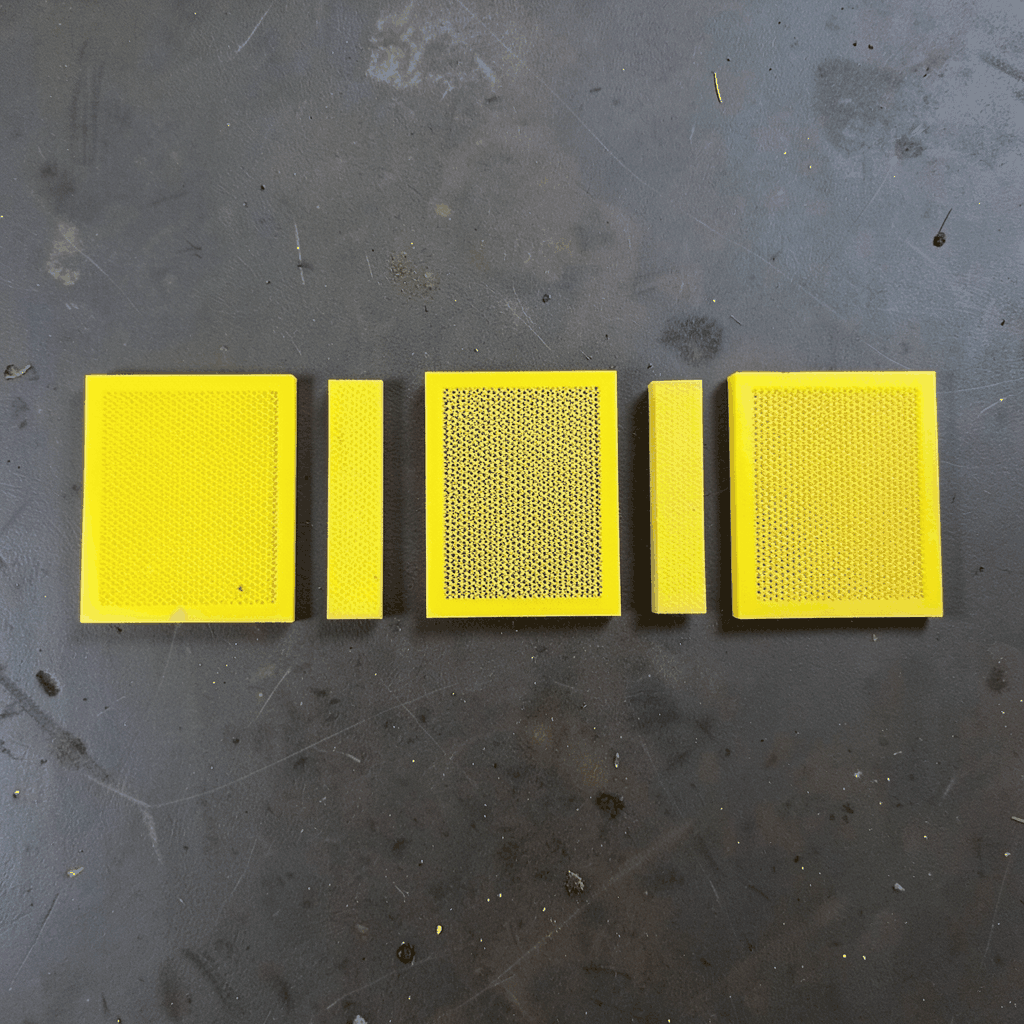
Decorative Copper Mesh for Fireplace Screens and Spark Guards
Copper gives a fireplace a warm, architectural finish while serving a practical purpose around an open fire. Decorative copper mesh panels can conceal loose logs and embers, add texture to a hearth and create a focal point that suits both traditional Australian fireplaces and contemporary wood-heating rooms. The reddish tone, soft sheen and ability to develop a patina make the material distinctive compared with painted steel or bright stainless finishes.
A fireplace screen and a spark guard are related, but they are not interchangeable. A freestanding screen mainly improves safety and comfort at the front of a domestic hearth. A spark guard is a fine-mesh barrier intended to intercept airborne embers, often near a wood heater or open fire. Copper mesh can form part of either assembly, provided its aperture, construction and distance from the flame meet the relevant requirements. A decorative panel without suitable testing or placement should not be treated as an approved ember-control device.
Shuo Ke Wire Mesh Product Technology Co., Ltd. manufactures decorative and industrial metal mesh from copper, stainless steel, aluminium and other alloys. Its production capability includes woven wire, expanded sheet, laser-cut panels and framed architectural screens. This makes it possible to develop a copper fireplace screen or spark-guard mesh around a specific opening, mounting arrangement and preferred finish rather than accepting a generic rectangle.
Why copper suits Australian fireplaces
Copper suits both the visual language of a traditional hearth and the cleaner lines of an open-plan Australian home. It introduces colour without looking overly polished, and a folded or framed edge gives a freestanding guard a substantial appearance. Copper also conducts heat readily, so the screen can still feel warm near a fire. The mounting design should keep users at a safe distance and allow the metal to cool without being handled unnecessarily.
Local conditions influence the finish as much as the décor. Melbourne fireplaces often sit within large living areas, while Hobart's cooler winters make enclosed hearths and wood heaters common everyday features. Sydney homes may have open fireplaces and coastal salt exposure, which can affect untreated metals. Australian buyers therefore often compare copper architectural finishes with black powder-coated steel and stainless, looking for a material that complements local stone, timber and brick interiors.
Unlacquered copper develops a varied brown, bronze or green patina, while brushed, satin and painted finishes offer more predictable tones. A clear protective coating can slow surface change, although it becomes part of the maintenance routine. For a contemporary room divider beside a fireplace, the same sheet can be fabricated with a directional grain, softened corners or a restrained perforation that coordinates with curtains, cabinetry and other metal details.
Selecting a mesh pattern that works
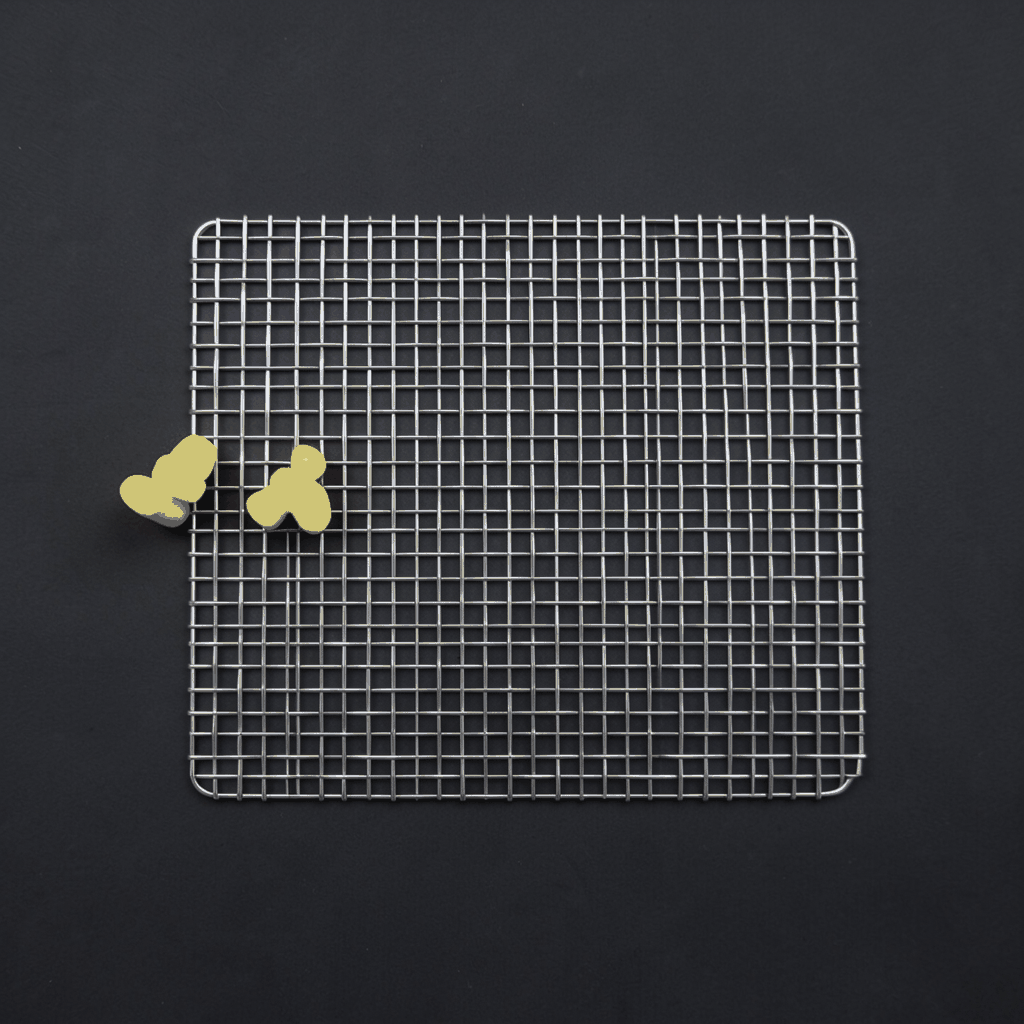
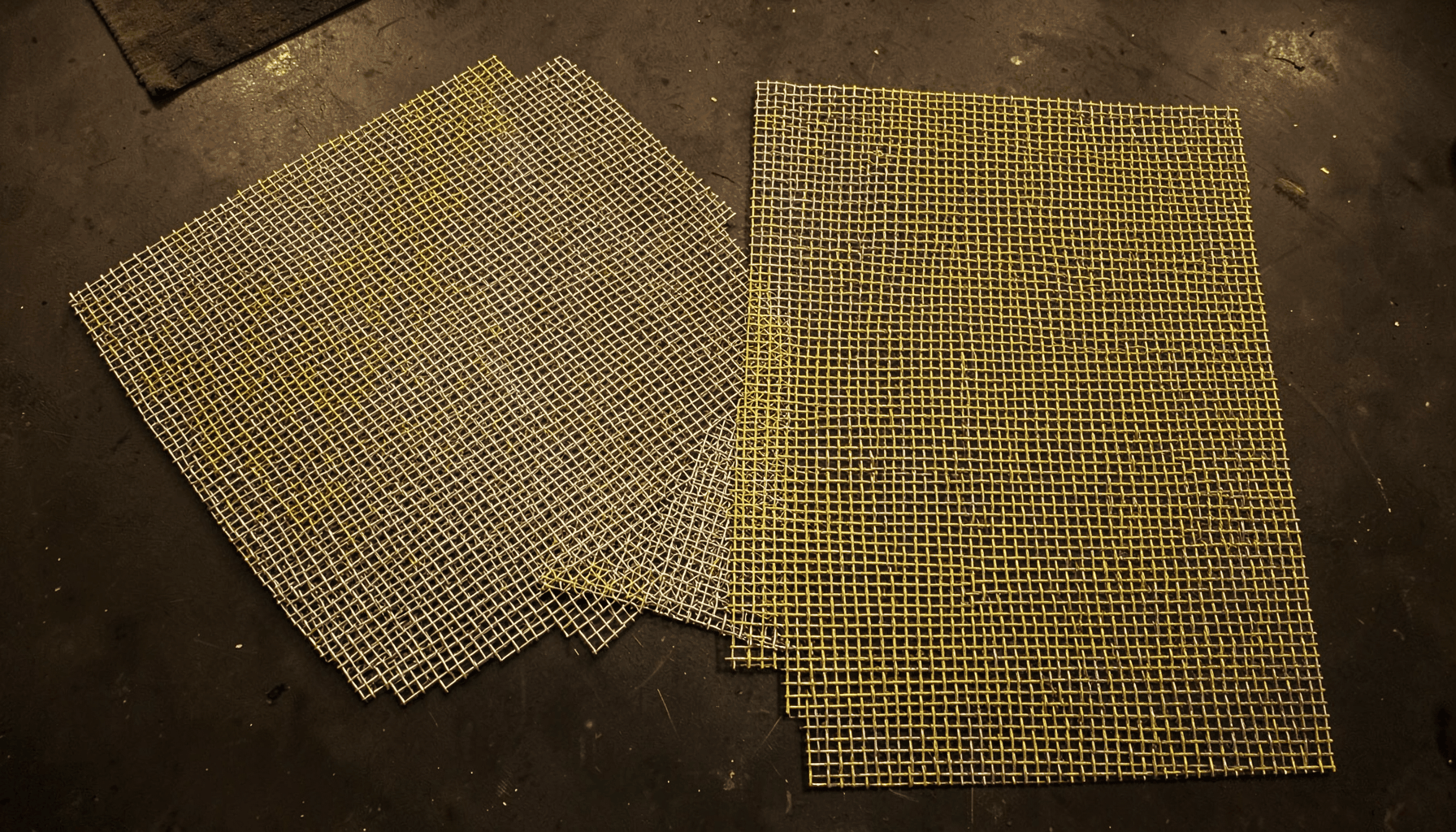
A mesh for a fireplace should balance ember interception with clear visibility and airflow. Fine woven wire creates a regular, textile-like surface and can suit a true spark guard, while expanded copper mesh has larger, directional openings suited more often to decorative screening. The selected aperture must reflect the fire type and the guard's location. A pattern that looks effective in a sample can still allow sparks to pass if the openings are too large or the panel is positioned too far from the heat source.
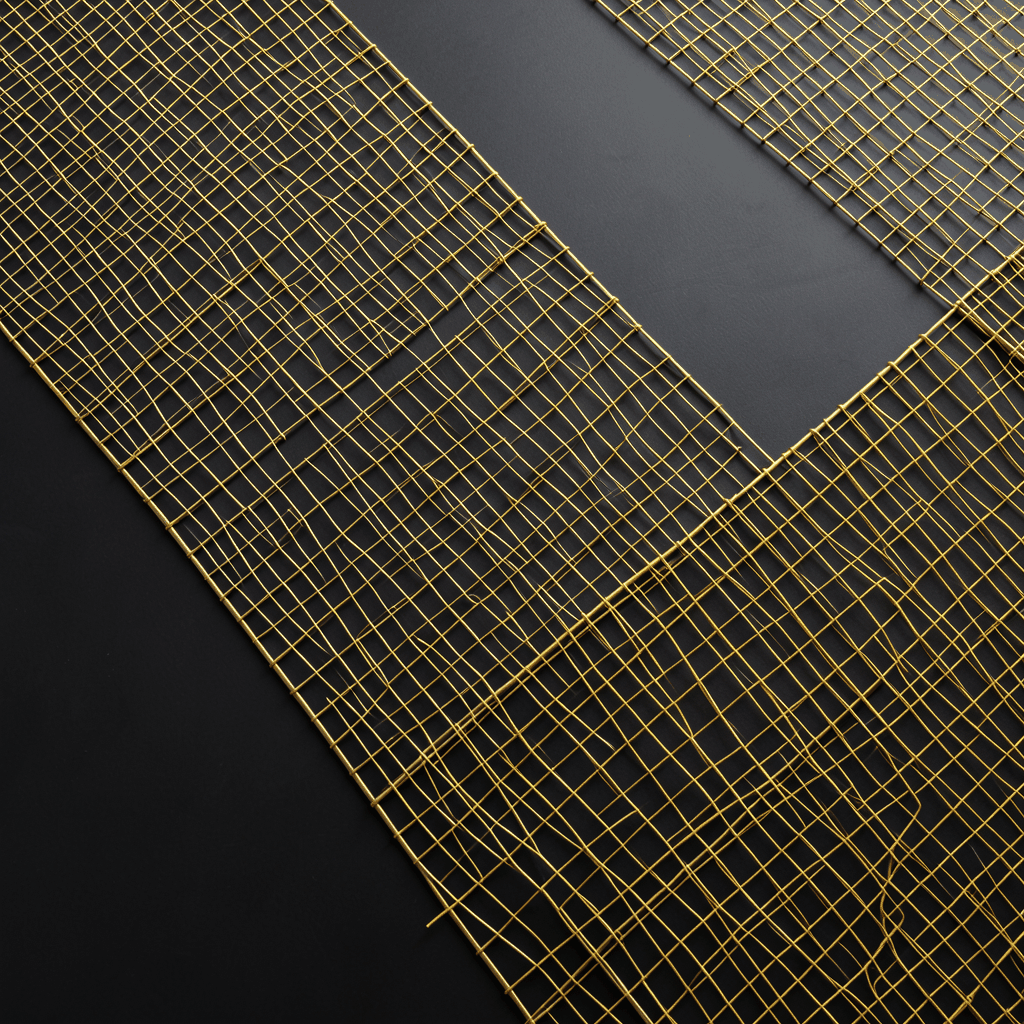
Laser-cut copper panels offer the greatest scope for decorative designs. Popular motifs include leaves, branches, geometric patterns and abstract textures, all available as flat sheets, framed panels or hinged screens. Woven mesh can be rolled into a gentle wave for a sculptural finish, while square wire offers a more industrial appearance. These treatments turn the guard into a feature of the room rather than an afterthought, although a large decorative cut-out should not be relied upon for spark control.
The intended function determines which layer does the work. A fine metal mesh can provide the actual ember barrier behind a decorative copper face, supported by a rigid frame that maintains its shape. If a specification refers to a chimney or flue spark arrestor, a decorative fireplace screen is not a substitute. Likewise, a front guard for an open hearth should not be described as a certified heat-exchanger or appliance component. The visible copper finish and the safety function can be combined, but each layer needs its own clearly defined role.
Measuring for an accurate custom fit
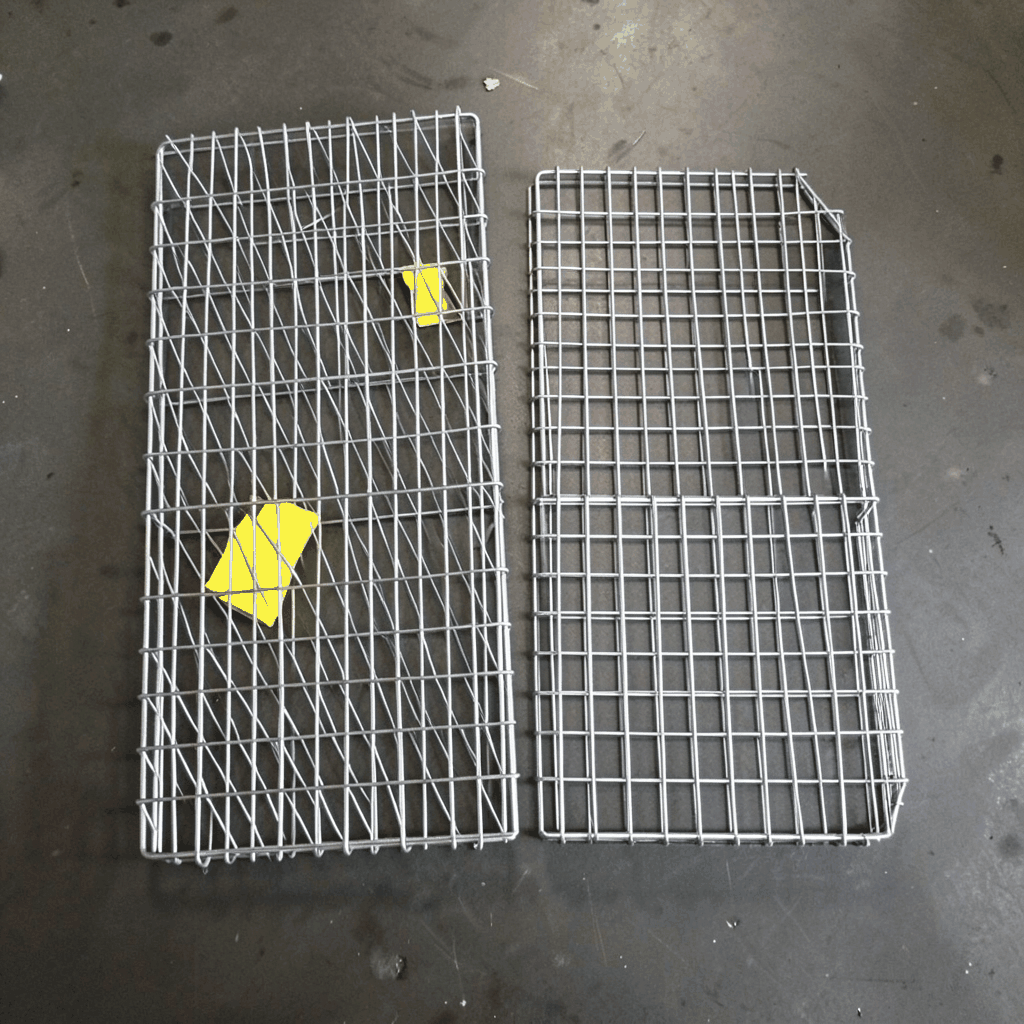
Begin with the largest clear opening, not just the nominal fireplace width. Measure the height from the hearth to the upper edge of the opening, then check whether the frame, architrave or stone surround reduces the usable space. Record the depth from the front of the firebox to the proposed screen position. These dimensions determine whether the guard should be a flat panel, a slight curve, a hinged pair or a deeper box screen.
Allow for the way the product will be used. A full-width screen may need two leaves and concealed hinges, while a narrower room divider can use a weighted floor frame. Check access to the fire for adding wood, cleaning ash and operating the appliance; a fixed panel should never obstruct normal use. It is also useful to photograph the hearth and surrounding finish, because brick colours, stone textures and lighting affect how copper and dark mesh appear in place.
Custom fabrication reduces waste and makes installation more predictable. Clear dimensions should distinguish the panel size from any overlap or mounting flange, and a drawing should show the centre, handle and hinge positions. Confirm whether installation is in a new build or a finished room, as the fixing method may change. For Australian sites, include the delivery suburb or project location so freight, packing and any local handling requirements can be considered.
Product details to confirm before ordering
A reliable order should define the material, mesh geometry, finish, frame and mounting method clearly enough for fabrication and safe installation. The following details help a supplier assess whether the screen is decorative only or intended to perform an ember-control function.
Specifications and installation information
Material and visual options
- Base metal, alloy grade and any surface coating
- Wire diameter, sheet thickness and clear mesh aperture
- Woven, expanded, perforated or laser-cut pattern
- Brushed, satin, lacquered, bronze or natural patina finish
Fit and performance information
- Exact panel, frame and overlap dimensions
- Hinge, handle, foot, bracket or floor-stand arrangement
- Intended indoor, covered outdoor or coastal location
- Available test data and manufacturer compliance information
These specifications prevent an attractive screen from being ordered with openings that are inappropriate for the fire, or with a frame that cannot remain stable. Decorative perforations and laser-cut motifs can be added over a separate fine-gauge barrier where ember retention matters. The supplier should also state whether the material is solid copper, an alloy or a copper-clad product, since each has different surface behaviour and heat characteristics.
The finer the appearance, the more important the fabrication details become. Woven panels need controlled tension and clean edge treatment; expanded sheet needs a stable perimeter; laser-cut panels need enough stiffness to prevent bowing. Ask how the screen will be packaged, because a flat architectural panel and a hinged screen require different protection. Any intended clear lacquer or patina treatment should be identified before production rather than added after delivery.
Installing, using and caring for copper mesh
Installation must follow the appliance instructions, the tested design of any safety component and the building regulations applying in the relevant Australian state or territory. Requirements for solid-fuel heating appliances can differ between jurisdictions and councils, and the AS/NZS 2918 series for domestic solid-fuel heating appliances may be relevant. A local fireplace installer or appliance service provider can confirm clearances, hearth extensions and whether approval or a permit is required. A freestanding decorative screen should sit in the designated position without blocking airflow, controls or fuel-door access.
Australian households commonly use firewood during winter, and many also manage fire pits or outdoor entertaining areas. Seasoned wood reduces excessive smoke and soot, but it does not guarantee that no embers will escape. Screens should be inspected for distorted mesh, loose frames and accumulated ash, while the firebox and ash handling routine should follow the appliance guidance. Ash should be placed only in a suitable metal container, away from combustible materials, after it has cooled sufficiently. A decorative screen is not a substitute for a tested ember-control system around an outdoor fire pit in bushfire-prone areas.
Care depends on the chosen finish. Natural copper can be left to patina, brushed copper can be gently dusted, and satin or lacquered surfaces should be cleaned with a non-abrasive method. Coastal exposure calls for more frequent inspection, particularly around joints and fixing points. Soot can be stubborn, so cleaning should not involve harsh abrasives or aggressive chemicals that damage the coating. Periodic care keeps the screen stable, visually consistent and easy to inspect throughout the heating season.
When requesting a quotation, provide the fireplace opening dimensions, a few reference photographs, the installation state, the desired copper finish and the intended guard position. These inputs allow Shuo Ke to recommend a practical panel construction, frame arrangement and mesh specification before production.
Contact Shuo Ke Wire Mesh Product Technology Co., Ltd. with your project details to develop a custom copper mesh screen sized for Australian hearths, wood heaters and feature fireplaces, with decorative patterns and mounting options aligned to the installation.