Decorative Mesh for Bar and Wine Rack Enclosures
A bar enclosure has to protect bottles, define service zones and still let the room remain visually open. Decorative mesh provides that balance: unlike a solid timber front or closed cabinet, a patterned screen keeps sightlines active while adding texture, shadow and brand character. It works equally well around wine racks, bottle displays, counters, café enclosures and residential cellar-style entertaining areas.
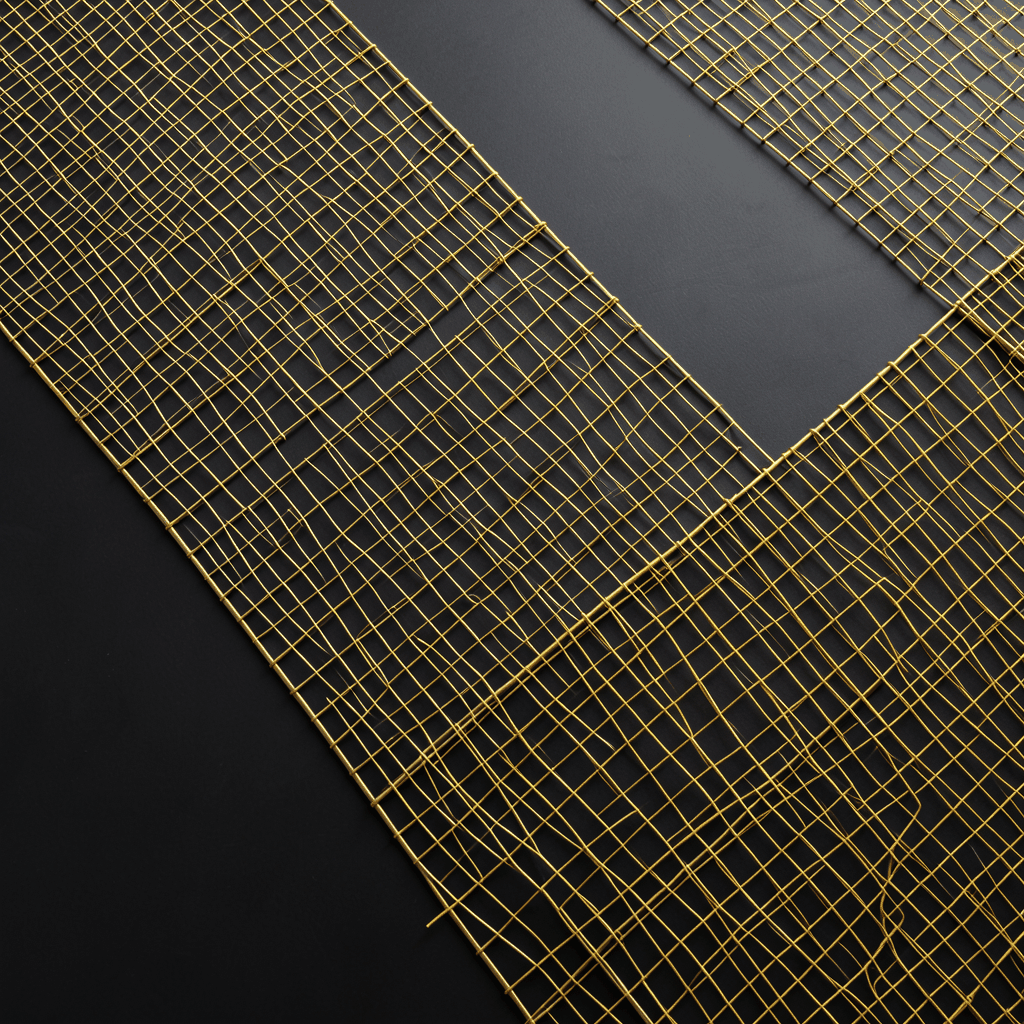
Successful specification starts with the panel’s job. Welded wire, woven mesh, perforated sheet and laser-cut screens each create different degrees of openness, airflow and privacy. Decorative mesh curtains can add movement to a bar front, while fixed mesh partitions can separate a dining room from a bar without making either space feel boxed in. The best pattern supports the venue rather than competing with its wine list, menus or lighting.
Material, aperture and fixing method then determine how an enclosure performs over time. A coastal site, an interior fit-out and a high-traffic cellar door do not need the same surface treatment. Australian designers and builders often work to tight millimetre dimensions, so accurate measuring, sensible panel modules and fabrication that suits local tolerances are as important as appearance. This guide explains how to specify decorative mesh for bar and wine rack enclosures that feel considered in daily use.
Set a clear purpose for every screen
Start by separating three needs: bottle security, visual definition and environmental control. A wine rack should prevent bottles from being knocked or removed, while a bar screen may mainly frame the counter and conceal storage. In a cellar door or bottle shop, displays also need to attract attention from a distance, making a bolder perforation or custom-cut pattern more useful than a very fine grid. A small residential bar may benefit from a quieter woven finish that blends with cabinetry.
Airflow should be assessed against the equipment and stock behind the screen. Ventilation can reduce condensation around chilled bottles and prevent warm air from trapping around bar equipment, but the pattern must not compromise security. Check clearances for bottle necks, taps and service openings, and decide whether staff reach through the enclosure or use a hinged panel. This turns decorative mesh from a visual layer into a practical part of the operating space.
Match metal and finish to conditions
Stainless steel is a dependable choice where hygiene, cleanability and corrosion resistance matter. For exposed outdoor or coastal work, 316-grade stainless can be considered for saline environments, with the final grade and finish confirmed for each location. Powder-coated or painted mild steel may be economical indoors, while aluminium offers a lighter option for decorative panels that need less structural weight. Copper brings warmth to wine bars but develops a patina that should be accepted as part of the design.
The finish changes both the visual character and maintenance routine. Brushed stainless gives a restrained commercial look; satin and matte black coatings create stronger contrast; aluminium can be powder-coated in a chosen colour; copper and bronze-toned alloys suit hospitality interiors with timber, stone and warm lighting. Specify the final finish early, including the colour of welds, edges and fixings. This prevents a small mismatch near a bottle display from becoming visible under focused bar lighting.
Tune openness for display and airflow
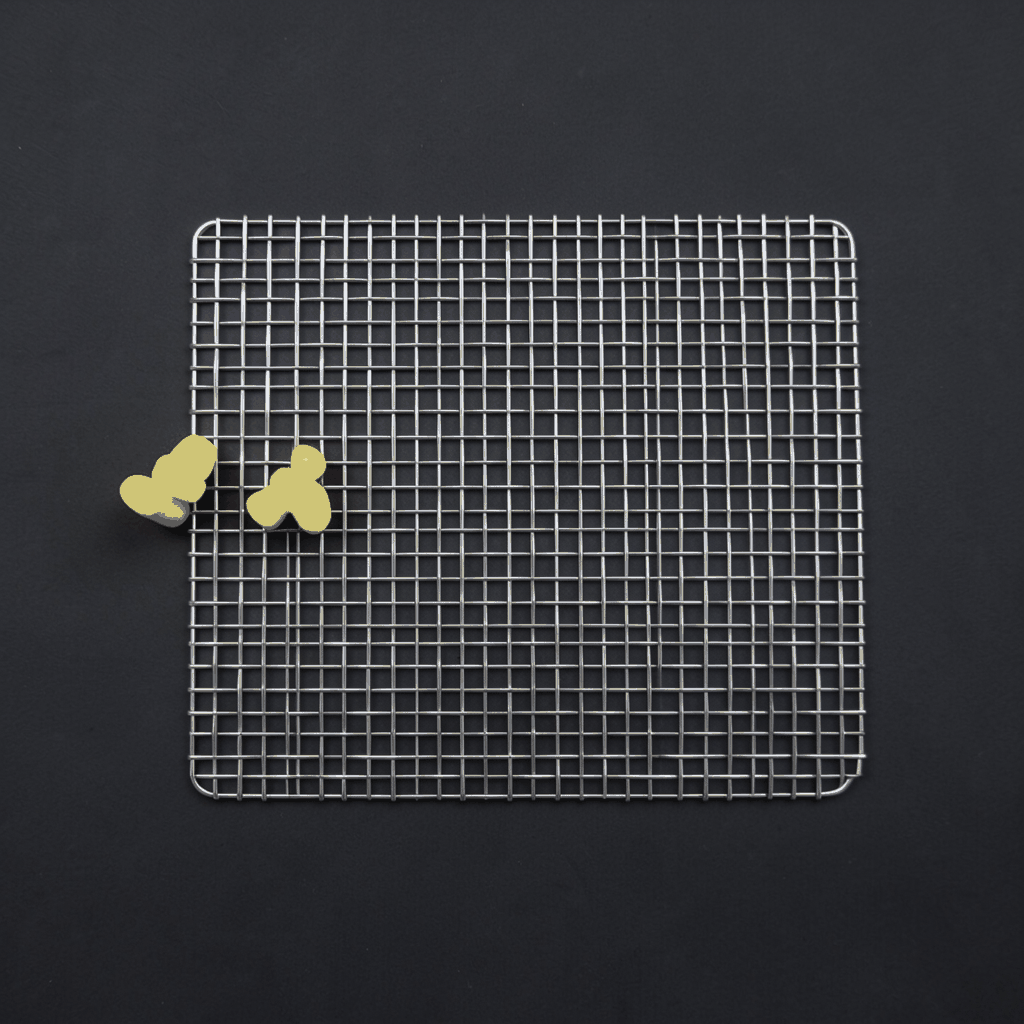
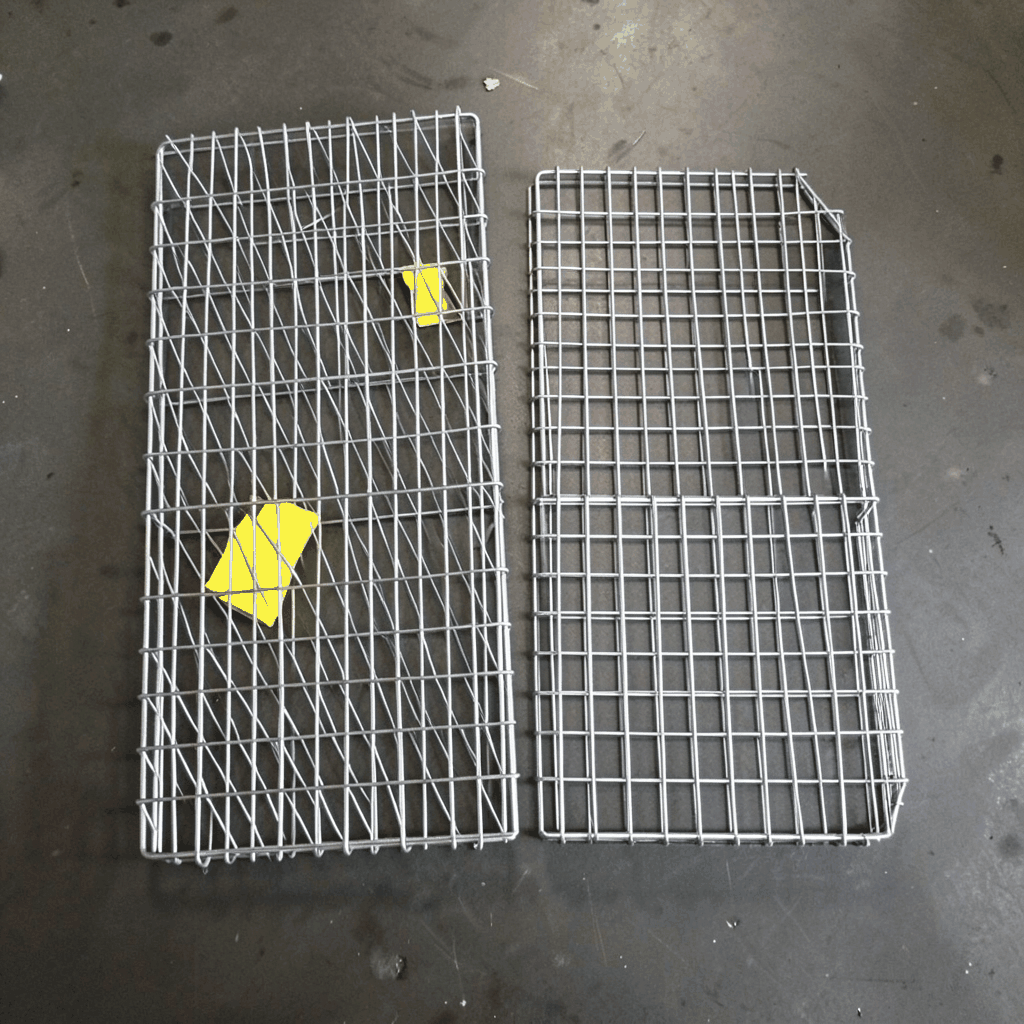
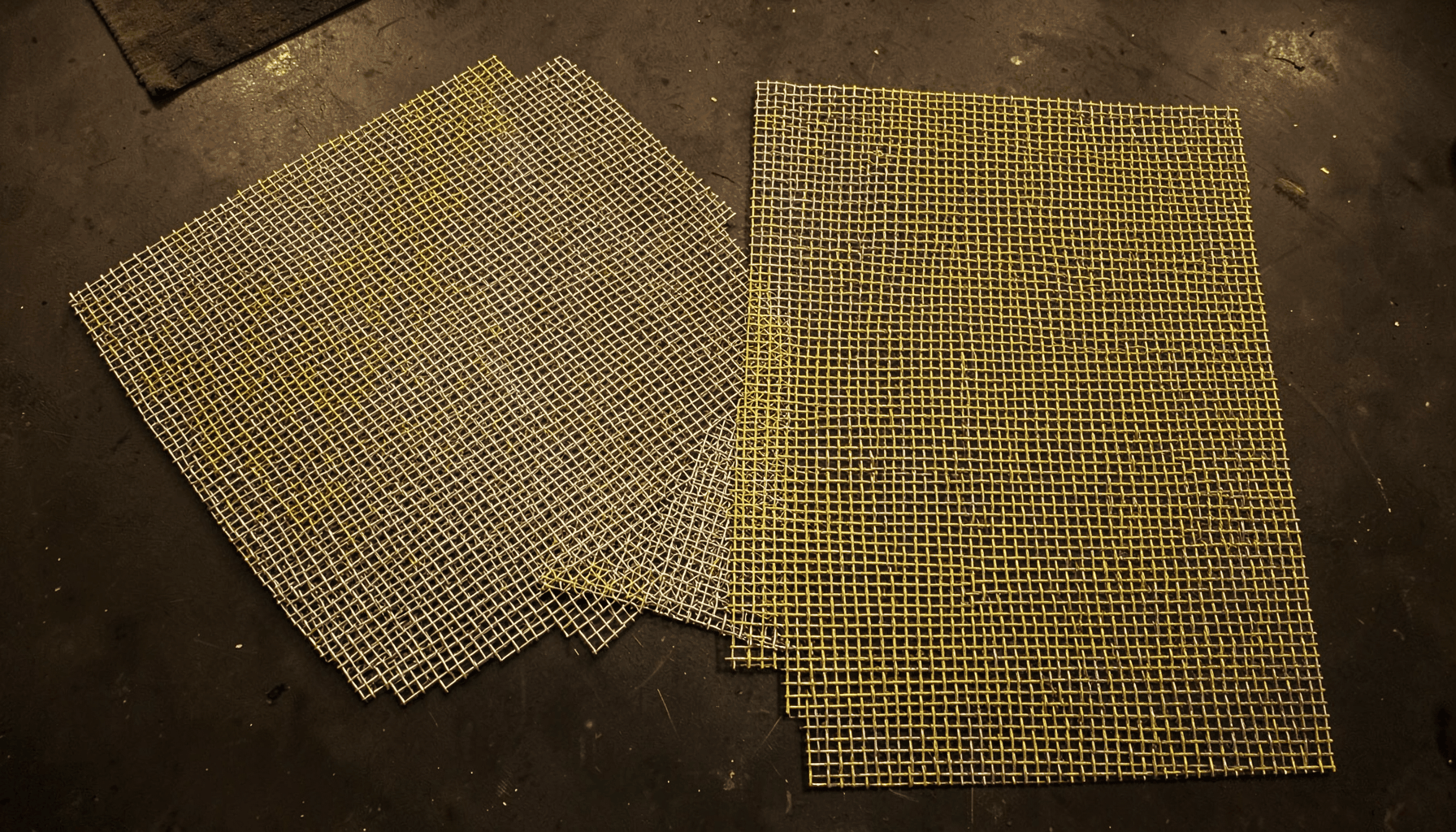
Mesh count and aperture are where decorative mesh becomes engineering. A fine woven panel can discreetly protect bottles while retaining a broad view, whereas a larger perforated or laser-cut opening creates a stronger display backdrop. Wire diameter and panel construction affect stiffness, load capacity and the ability to resist impact. For bottle racks, openings should be checked against the diameter and neck length of the bottles in use, not merely the cabinet dimensions.
Patterns can also manage glare, dust and privacy without closing the enclosure. A tight grid may soften a busy view from a street-facing bottle shop, while an airy architectural weave keeps a suburban dining room open to the kitchen. In a venue near a busy road, screens can reduce direct visual distraction; behind a bar, the same screen can conceal bottles and service clutter. Custom laser-cut work can introduce a restrained motif, a regional reference or a house identity without turning the whole front into a sign.
Coordinate panels with Australian fit-outs
Australian hospitality fit-outs are commonly coordinated across designers, builders, joiners, lighting specialists and equipment suppliers, especially in Melbourne, Sydney and Brisbane where compact venues leave little tolerance for improvised adjustments. Panels should be discussed early enough to coordinate with cabinetry, refrigeration, taps, electrical access and overhead lighting. Metric dimensions should be confirmed on site rather than inferred from a drawing, and templates can be useful where walls, counters or ceiling voids are not perfectly square.
Cellar-door culture gives decorative screens another role in Adelaide and regional wine districts, where tasting rooms must feel welcoming but still protect valuable stock and control where visitors stand. The phrase “cellar door” is common for a dedicated wine-tasting venue, and Australian projects often favour a rustic or regional character that avoids looking mass-produced. When a project needs broader architectural screening, teams can compare integrated architectural mesh alongside purpose-made bar panels to keep visual details consistent.
Plan access, safety and upkeep
Every enclosure needs a safe route for staff to restock, clean and inspect the area behind it. Hinged or lift-off sections should open without fouling taps, shelves or neighbouring joinery, and fasteners should not create exposed snag points at face level. If the enclosure forms part of a balcony, stair or public guardrail, structural and safety requirements must be checked by the responsible designer. Decorative appearance should never be used to justify an untested barrier.
Cleaning regimes are especially relevant in busy Australian venues, where ice, citrus, red wine and sunscreen can mark surfaces quickly. Smooth-edged perforated panels are generally easier to wipe than deeply textured woven wire, while removable sections allow access to drains and service points. Ask the supplier about weld treatment, edge finishing and coating consistency, then test the proposed finish with the venue’s actual cleaning products. A reliable enclosure should retain its neat appearance through service, not only on opening night.
Turn the enclosure into a design feature
Once performance is settled, the enclosure can become a defining part of the room. A restrained grain can echo timber joinery, a bronze-toned panel can pick up brass taps, or a black screen can frame a backlit bottle wall. Lighting should be planned around the aperture rather than washed flat across it, creating highlights on the metal while preserving the visibility of products behind it. Laser-cut screens can carry a simple logo, grape motif or local reference at an architectural scale.
Customisation works best when it resolves a practical brief as well as a visual one. Shuo Ke Wire Mesh Product Technology Co., Ltd. is a China-based manufacturer of architectural and industrial metal mesh products, producing decorative curtains, partitions, laser-cut screens and related items from stainless steel, aluminium, copper, iron and other alloys. For bar and wine storage applications, the supplier can develop panel dimensions, patterns, surface treatments and fixing details around project cabinetry and service requirements. Modular sections can simplify installation, while a unified edge treatment keeps multiple screens looking deliberate across a venue.
Specify early, request a sample panel and a full-size dimensional drawing, and test the proposed pattern against real bottles and working clearances. Share the venue plan, environmental conditions, preferred metal, finish and access requirements with Shuo Ke, then request a tailored quotation and production schedule. A well-matched decorative mesh enclosure gives Australian bar and wine-rack projects the durability of metalwork with the visual lightness of an open screen.