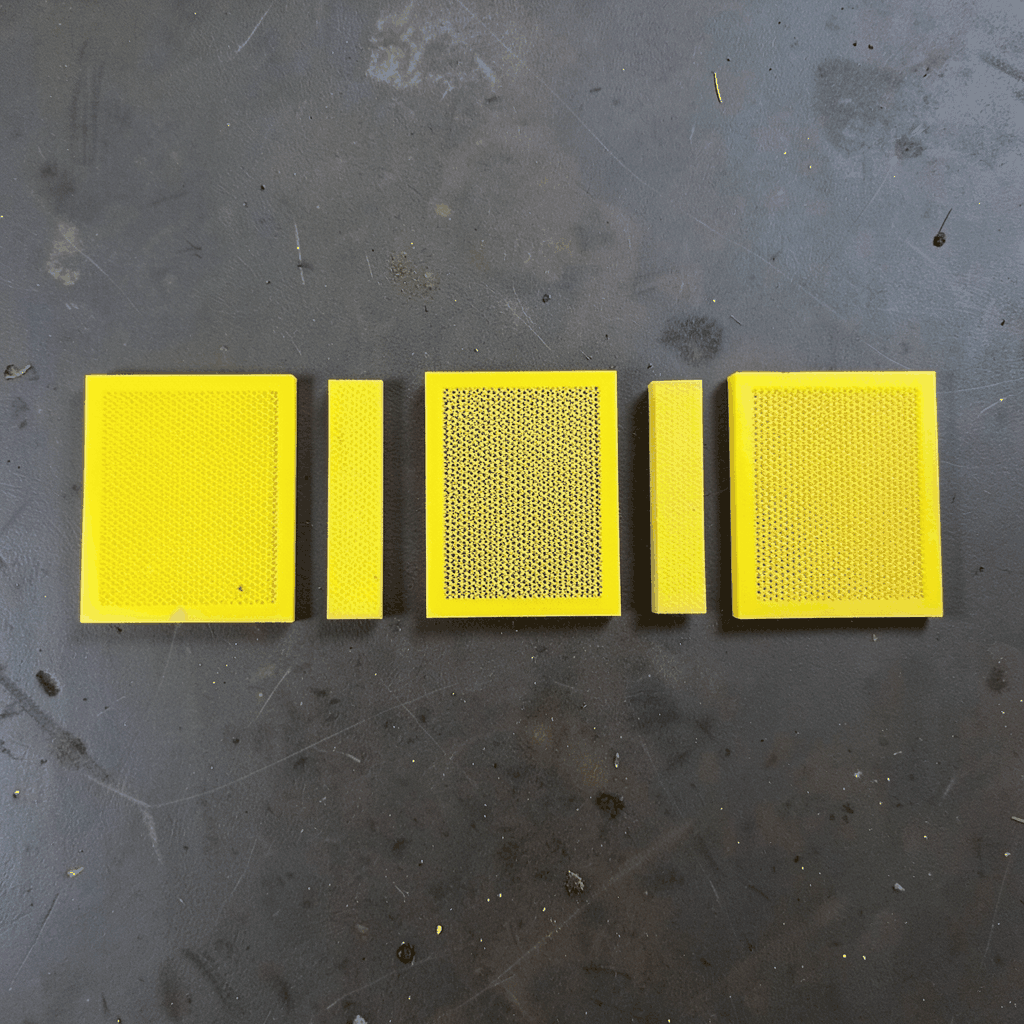
Decorative mesh screens reshaping Australian bar and restaurant spaces
Australia's hospitality scene runs on personality. From the late-night laneway bars tucked behind Melbourne's CBD to the breezy beer gardens spilling onto footpaths in Brisbane's Fortitude Valley, venue owners know that an interior can pull a crowd faster than any marketing spend. In Sydney, the post-lockout era has filled the inner west with pocket-sized cocktail lounges, while Adelaide's Peel Street and Perth's Northbridge have quietly built reputations as small-bar destinations worth travelling for.
Decorative metal mesh has become a quiet workhorse of that transformation. Used behind bars, across storefronts, and along open kitchens, woven and laser-cut screens give venues a tactile finish that painted plaster simply cannot match. They catch pendant light at golden hour, hold their colour under fluorescent kitchen beams, and tolerate the daily knocks of a busy Saturday night service without showing every spilled shiraz.
The country's coastal geography adds a technical wrinkle to any fit-out brief. A bar in Manly or Noosa sits in salt-laden air that punishes ordinary steel finishes within a season or two. Aluminium and marine-grade stainless mesh handle that exposure far better, which is why many specifiers in New South Wales and coastal Queensland now treat material grade as a baseline requirement rather than an optional upgrade for ocean-facing venues.
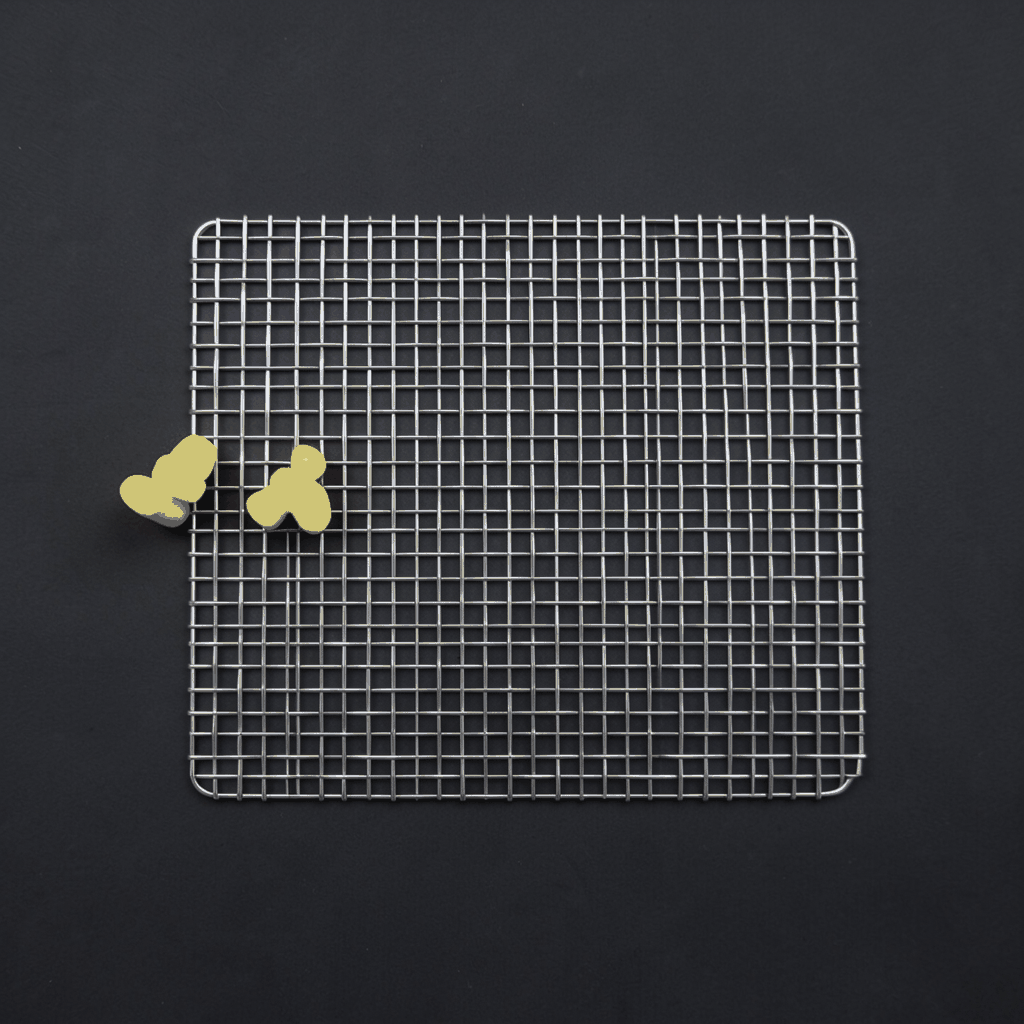
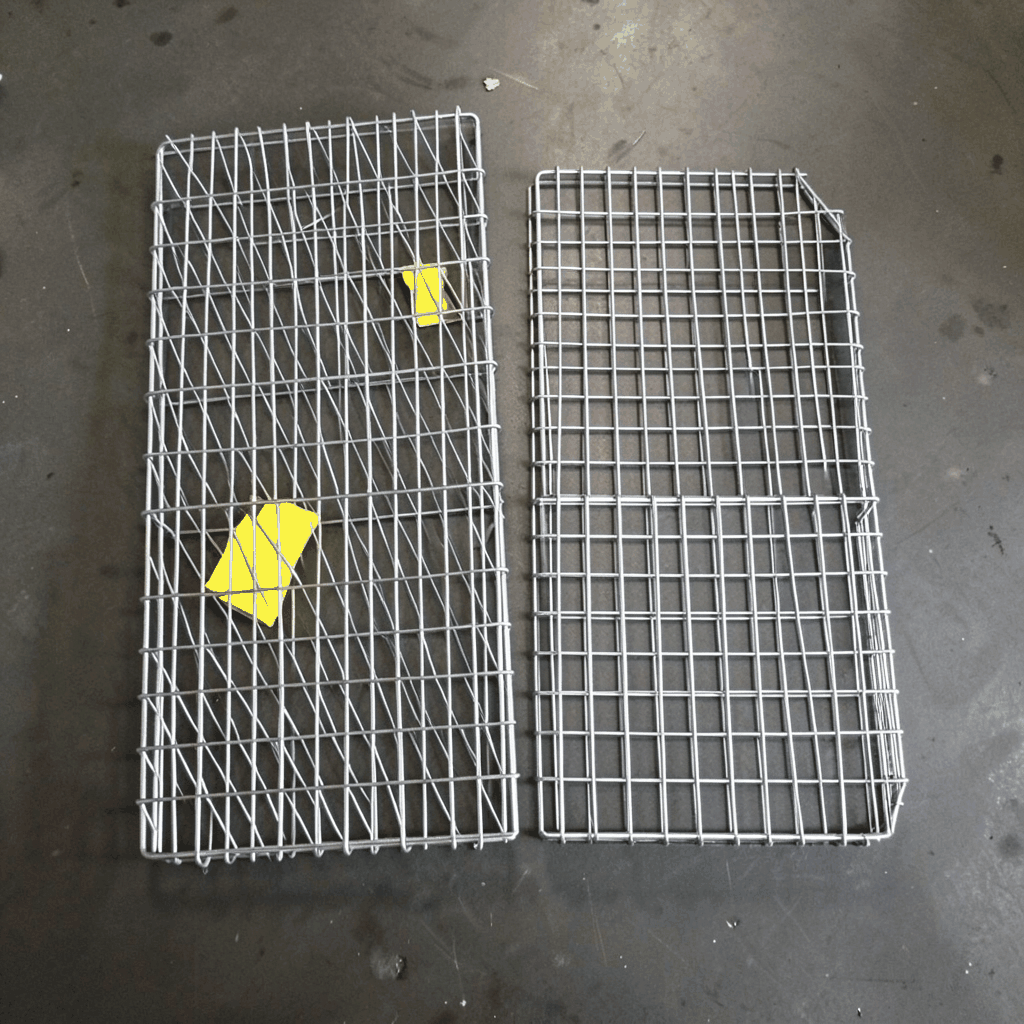
Shuo Ke Wire Mesh Product Technology supplies the woven, welded, and laser-cut formats that hospitality fit-out teams choose when they want a feature wall that doubles as a workhorse. The company works across stainless steel, aluminium, copper, and iron alloys, producing panels in sizes that suit everything from a single partition in a boutique wine bar to a full-height splashback behind an open kitchen pass.
The case for mesh behind Australian bars
A bar front is a high-traffic surface. Bartenders wipe it down between every round, glasses clatter against it, and patrons rest elbows on it while waiting for a cold one during Friday arvo service. Plasterboard absorbs every spill, tile grout discolours within months, and timber needs constant recoating. Metal mesh handles all of it with a quick spray-and-wipe routine that the floor staff can run at end of shift.
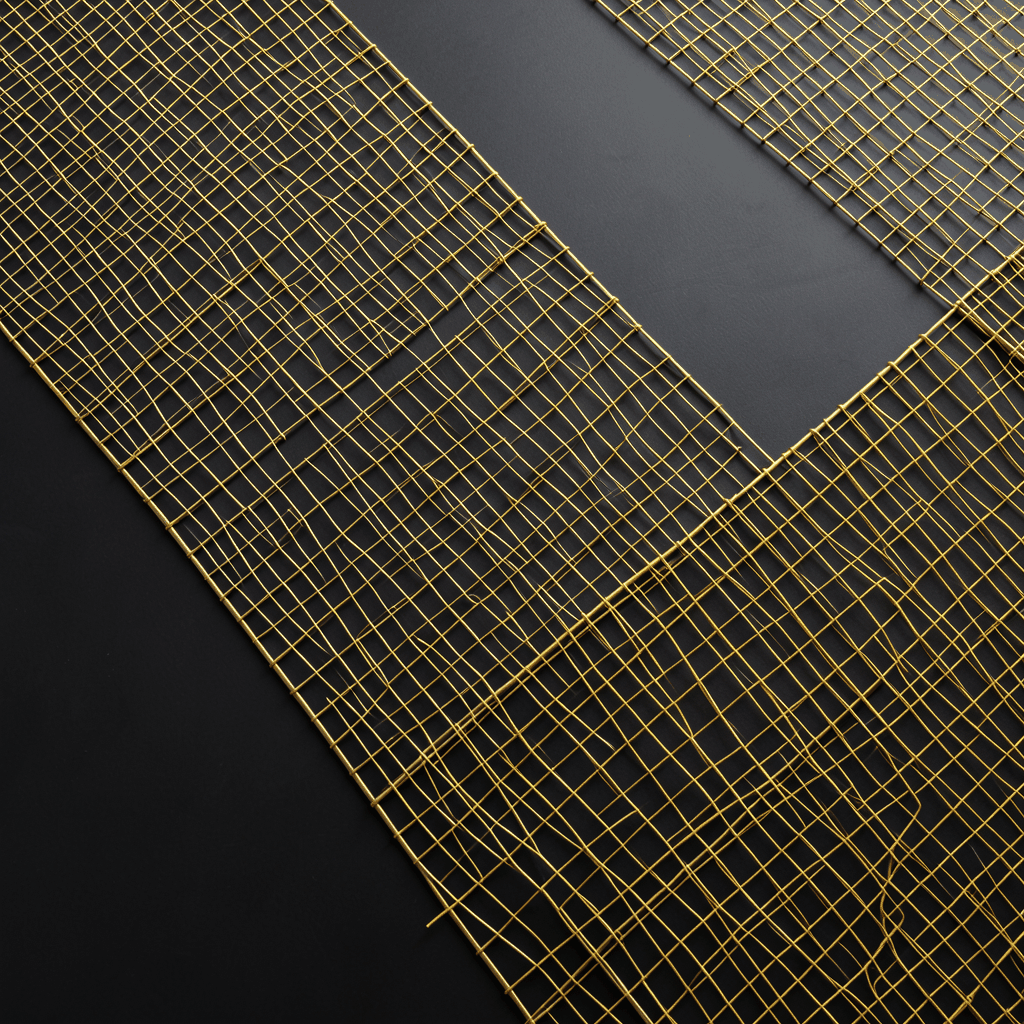
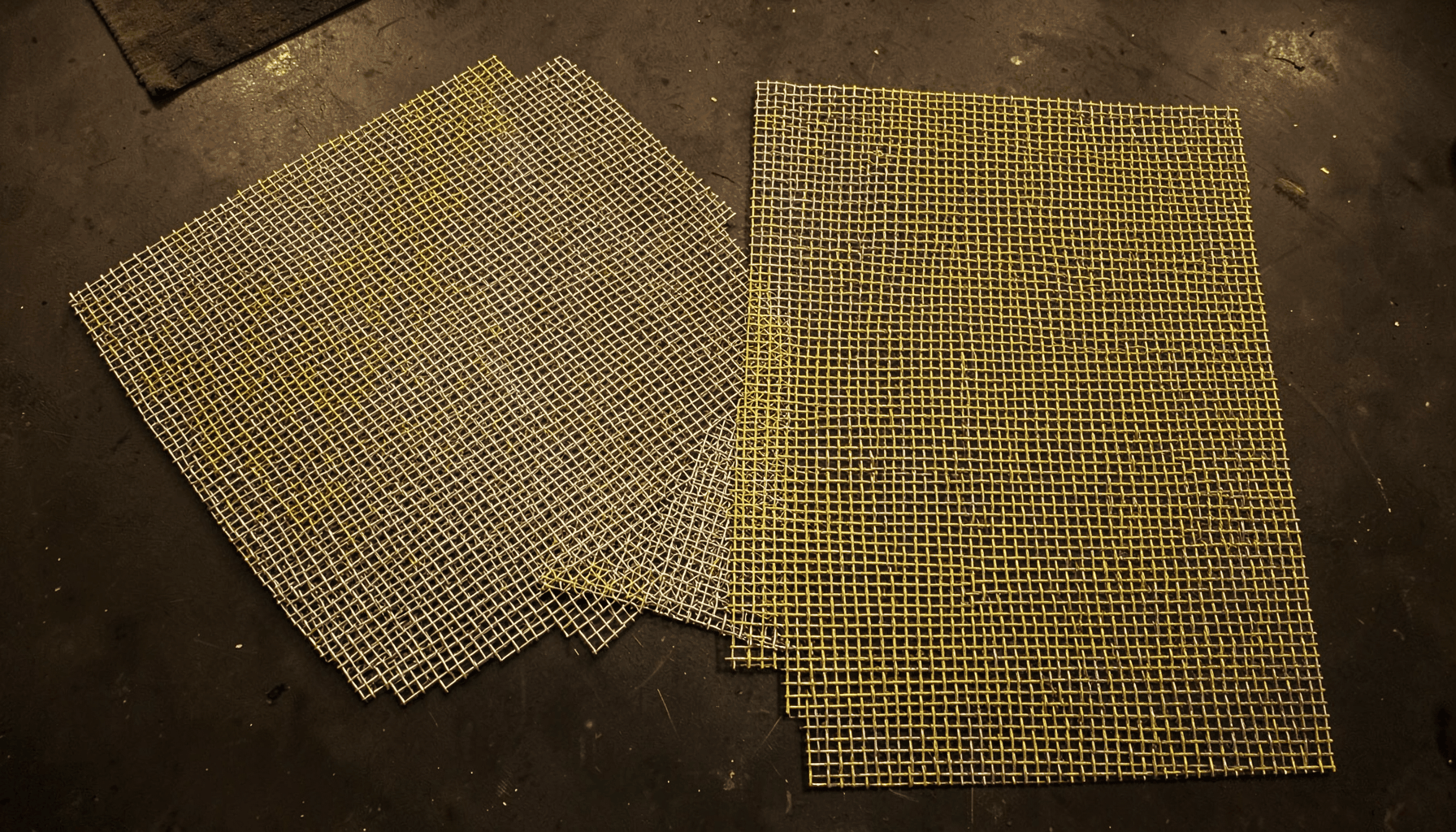
The visual payoff is genuine, too. A woven brass-toned panel behind a tap list adds warmth without competing with the bottles on the shelf. A geometric laser-cut screen in corten-style steel reads as industrial but inviting, the kind of backdrop that ends up on Instagram feeds without anyone in the venue trying to make it happen. For venues where the back bar is the focal point, a feature mesh panel can replace what would otherwise be a tiled artwork or a printed vinyl wrap that fades under UV.
The acoustic side is often overlooked. Hospitality designers in Brisbane and Melbourne have started specifying dense mesh panels to soften the chatter that builds up when a small bar fills to capacity. The texture of woven or perforated sheets breaks up reflections in a way smooth surfaces cannot, helping staff hear drink orders during a peak rush without raising their voice across the pass.
Designing bar fronts that earn their place
Bar fronts have moved far beyond a simple rail and a flat panel. Australian venues now treat them as a hospitality signature, almost a second logo. Several approaches have become common in the design studios working on small bars and chain refits alike.
- Woven architectural mesh in brass or warm bronze tones, applied as a single full-height panel that runs from benchtop to soffit
- Laser-cut screens with custom perforation patterns, often developed from a venue's own branding or a commissioned artwork
- Sliding or pivoting mesh doors that close off the bar after dark, useful for venues holding a daytime cafe licence and a separate small-bar licence
- Layered mesh where a fixed back panel sits behind a second decorative sheet, creating depth and shadow play under pendant lighting
Shuo Ke produces panels to custom widths and heights, so a venue that wants one continuous woven sheet across a five-metre bar front, with no vertical joins visible to the eye, can have it. Laser-cut screens ship with folded returns, mounting flanges, or Z-clips ready for attachment to timber or steel stud framing, depending on what the fit-out contractor is working with on site.
The company supplies panels fabricated to architectural drawings, which matters for Australian projects where compliance documentation forms part of every stage of a fit-out. Each panel can be colour-matched to a RAL or equivalent chart, allowing designers to coordinate with joinery and signage finishes specified elsewhere in the venue.
Backsplashes that survive a commercial kitchen
Open kitchens are a defining feature of modern Australian dining, particularly in the wine bars along Adelaide's Peel Street and the chef-hatted venues drawing queues along Melbourne's Lygon Street. A backsplash behind the pass is no longer hidden away. It is on camera most nights and within arm's reach of every customer leaning over to watch their dish finished by the head chef.
Stainless mesh handles that role well. The base material tolerates grease, vinegar, and the constant wipe-downs that a working pass demands through the dinner service. A fine woven pattern hides minor surface marks between cleans in a way polished sheet simply cannot, while still reading as a refined finish when filmed for content or photographed for a venue's social feed on a Tuesday night.
Decorative mesh also solves a practical problem that tile inevitably creates. Tile joints collect grime in a busy kitchen, and even epoxy grout starts to discolour within a season of heavy service. A continuous mesh panel removes that risk entirely, with no grouted edges for fat and flour to settle into during a fully booked service.
Material choices for coastal and bushfire-adjacent sites
Australia's climate is not gentle on building materials. A venue ten minutes from the surf in Cronulla faces salt-driven corrosion that a similar fit-out in Adelaide's CBD does not. Bushfire attack level ratings also matter for sites in regional Victoria or the Adelaide Hills, where summer ember attack is a genuine specification consideration rather than a hypothetical.
The four alloys most commonly chosen for Australian hospitality interiors cover a wide range of conditions.
- 304 stainless steel, the standard grade for interior bar fronts and kitchen backsplashes in suburban and CBD venues away from the coast
- 316 marine-grade stainless, used for venues within roughly a kilometre of breaking surf, where salt exposure would pit lesser grades within a couple of seasons
- Aluminium mesh, lighter and easier to handle on retrofits, best specified away from the pass where alkaline cleaners do the most damage
- Copper and brass tones, well matched to the warm finishes popular in Australian wine bars and cocktail lounges, with a patina that builds character over the life of a venue
For bushfire-prone locations, perforated steel panels with appropriate fire ratings can be specified to satisfy local building requirements without losing the decorative intent of the original design.
Customisation and installation for Australian fit-outs
Australian hospitality projects move quickly. A venue might have an empty tenancy on Monday and be serving by Friday arvo, with the fit-out contractor juggling suppliers, signage teams, and a final inspection in between. Mesh panels that arrive ready to mount save days on that compressed timeline and keep trades out of each other's way.
Shuo Ke works with drawings provided by designers or developed in-house from a brief, producing panels that drop into existing framing or wrap around corners without the need for site fabrication. For venues where the mesh is the design in its own right, the design team can develop a perforation pattern or woven specification from a sketch, a logo file, or a mood board reference supplied by the client.
The company ships worldwide from its manufacturing base, with documentation that supports the compliance requirements Australian builders typically request. Lead times vary with complexity, but most standard architectural-mesh panels for hospitality projects sit in a workable window for new openings and refits alike. The same weaving precision that produces a decorative panel underwrites heavy-duty mesh systems built for industrial separation work, which is why the specification backing a feature wall in a Sydney bar is just as rigorous as that behind a working screen in a processing plant.
For architects, designers, and hospitality operators planning a new venue or a refresh of an existing one, custom metal mesh offers a finish that holds its appearance well past the opening-night photographs, keeping its look through the thousandth service and beyond. Reach out to the Shuo Ke team with your drawings, dimensions, or simply an idea sketched on the back of a serviette, and the company will shape a panel specification that fits your venue, your climate, and the way your bar or kitchen actually gets used night after night.