Decorative mesh for wall-mounted planters and green walls
Decorative mesh for wall-mounted planters and green walls can provide more than a background for climbing plants. It can define an architectural feature, conceal irrigation components, create a sense of depth and give a courtyard, balcony or commercial interior a strong visual identity. The right balance of openness, pattern and strength allows foliage to remain the focus while the mesh contributes texture, shadow and structure.
Specification should begin with the planting arrangement rather than a generic panel selection. Consider mature plant size, available light, wind exposure, irrigation access, mounting conditions and maintenance requirements. Shuo Ke Wire Mesh Product Technology Co., Ltd. produces architectural and industrial metal mesh in stainless steel, aluminium, copper, iron and other alloys, enabling customised decorative screens, trellis panels and cladding to suit residential, commercial and municipal projects.
Mesh as a trellis, backdrop and green facade
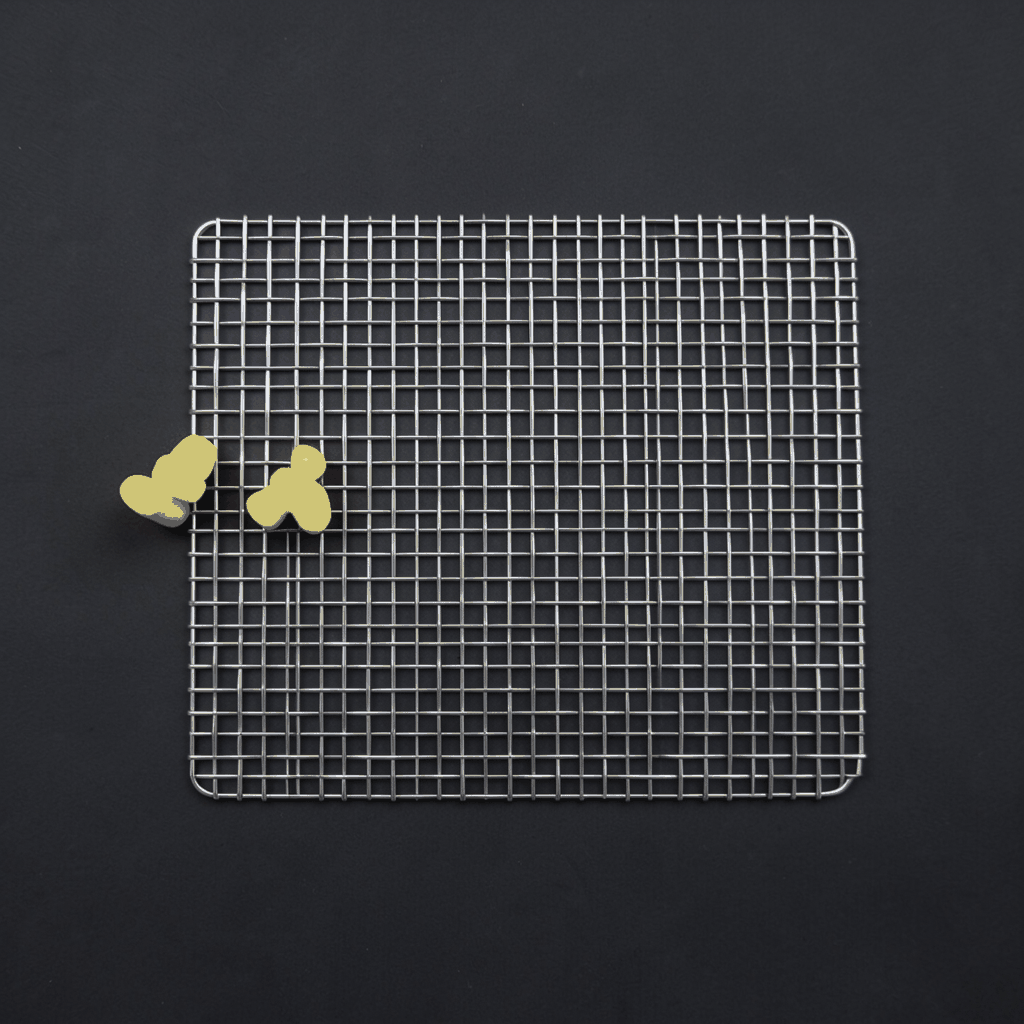
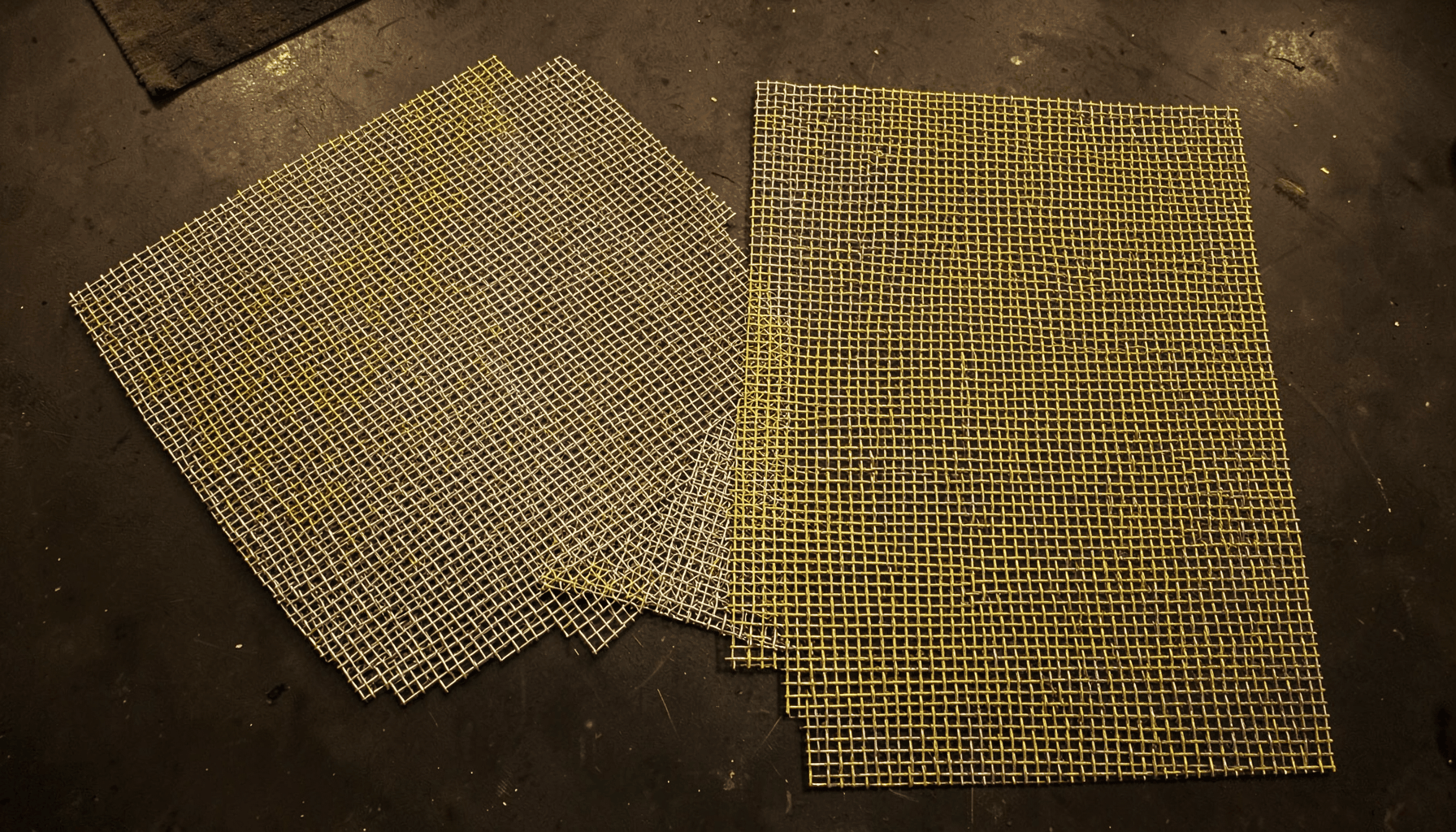
A wall-mounted planter becomes more functional when its climbing plants have a dependable support. Woven wire, cable mesh, expanded metal and perforated panels can all serve as trellises, with each producing a different pattern of shadows and a different degree of visual transparency. Fine woven mesh suits delicate climbers, while larger apertures are practical for vigorous vines that need to spread across a wider surface.
The mesh can also operate independently of the planter as a green backdrop. A living wall may combine several planter modules with a continuous screen behind them, allowing trailing foliage to overlap the panel while upright plants retain their own form. This layered arrangement is useful where a full covering would feel too dense or where an internal partition needs to remain partly visible.
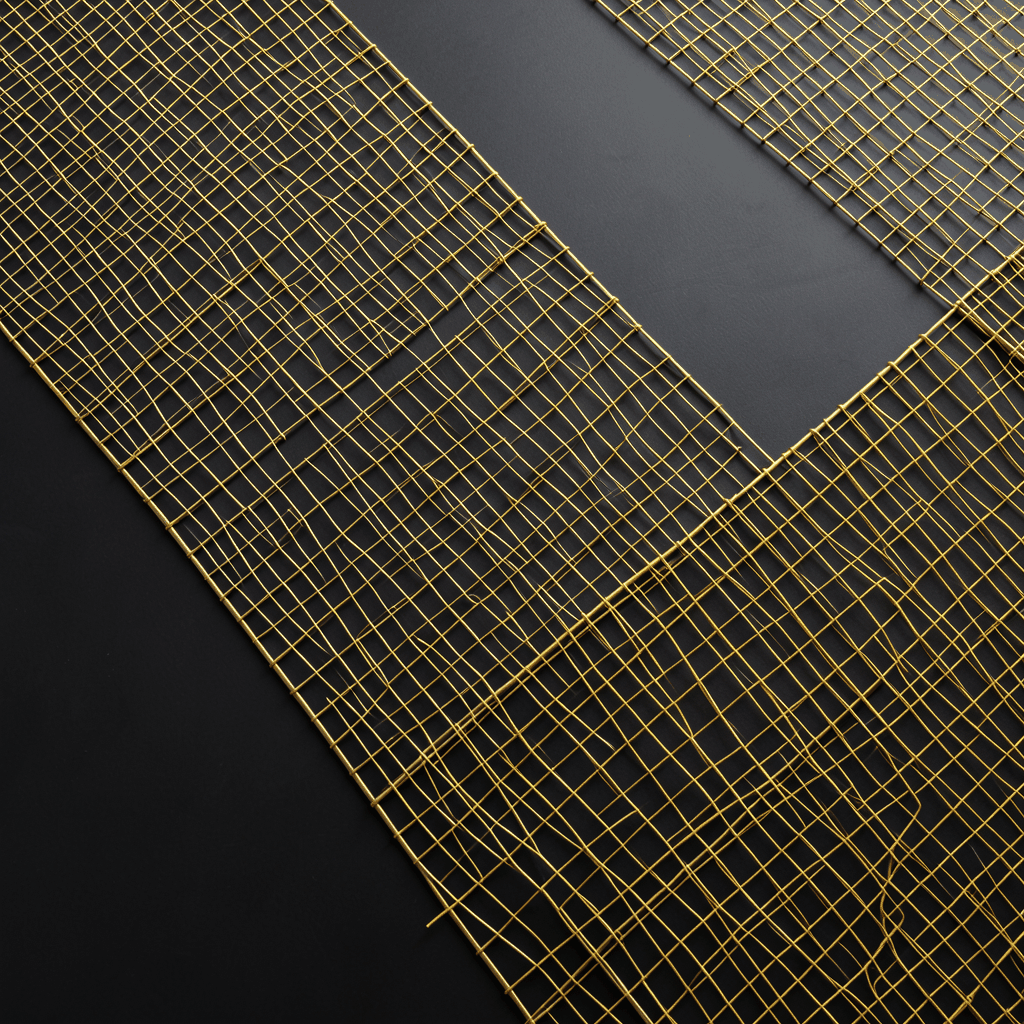
Shuo Ke’s decorative curtains, partitions, laser-cut screens and wall cladding offer several ways to develop this architectural language. Custom dimensions, apertures and patterns can respond to a building’s proportions, doorways or existing colour palette. A repeated geometric screen can provide continuity across a courtyard, while a feature panel can distinguish a restaurant entrance, reception area or vertical garden.
Supporting climbers without restricting plant growth
Mesh must be strong enough to retain stems, yet open enough to support healthy growth. Plants such as jasmine, clematis, passionfruit and suitable native climbers use tendrils or lateral shoots to attach to a support. The aperture size should accommodate the stems the plant will have when mature, not merely its initial nursery condition.
Orientation and spacing influence plant performance. A south-facing wall in southern Australia may suit shade-tolerant species, while a brightly exposed wall requires plants that can tolerate heat and reflected light. Local nursery advice and a site-specific planting plan remain valuable, particularly where irrigation, rainfall and seasonal temperatures differ across a city.
Airflow around the foliage matters as well. Dense mesh combined with tightly packed foliage can slow drying and encourage fungal problems. Adequate separation between planters, sensible irrigation scheduling and access for pruning help maintain an even, healthy display. Decorative mesh should frame the planting rather than trap moisture against leaves or make routine maintenance unnecessarily difficult.
Matching metal to Australian conditions
Material selection should reflect exposure, appearance and cleaning routines. Stainless steel offers a modern finish and high strength, with 316 grades generally preferred for coastal exposure because of their improved resistance to chloride corrosion. Aluminium is lightweight and naturally corrosion-resistant, making it useful for larger panels where weight must be controlled. Copper develops a distinctive patina, while iron and weathering steel options can provide warmer, more rustic character.
Australian conditions vary sharply between cities. Salt-laden air around Sydney can accelerate corrosion at concealed joints and cut edges, while Melbourne’s variable temperatures and strong winds place greater emphasis on secure fixings. Brisbane’s humidity calls for careful drainage and regular cleaning, and Perth’s intense ultraviolet exposure and dust can affect coatings, seals and moving components.
Coating, fastener selection and detailing are as important as the main material. Compatible stainless fixings can limit galvanic corrosion, and adequately vented cavities reduce trapped moisture. Coastal installations benefit from periodic rinsing, while powder-coated or anodised finishes should be checked for UV degradation. Edges, welds and attachment points need the same protection as the visible face.
Modular vertical gardens for compact spaces
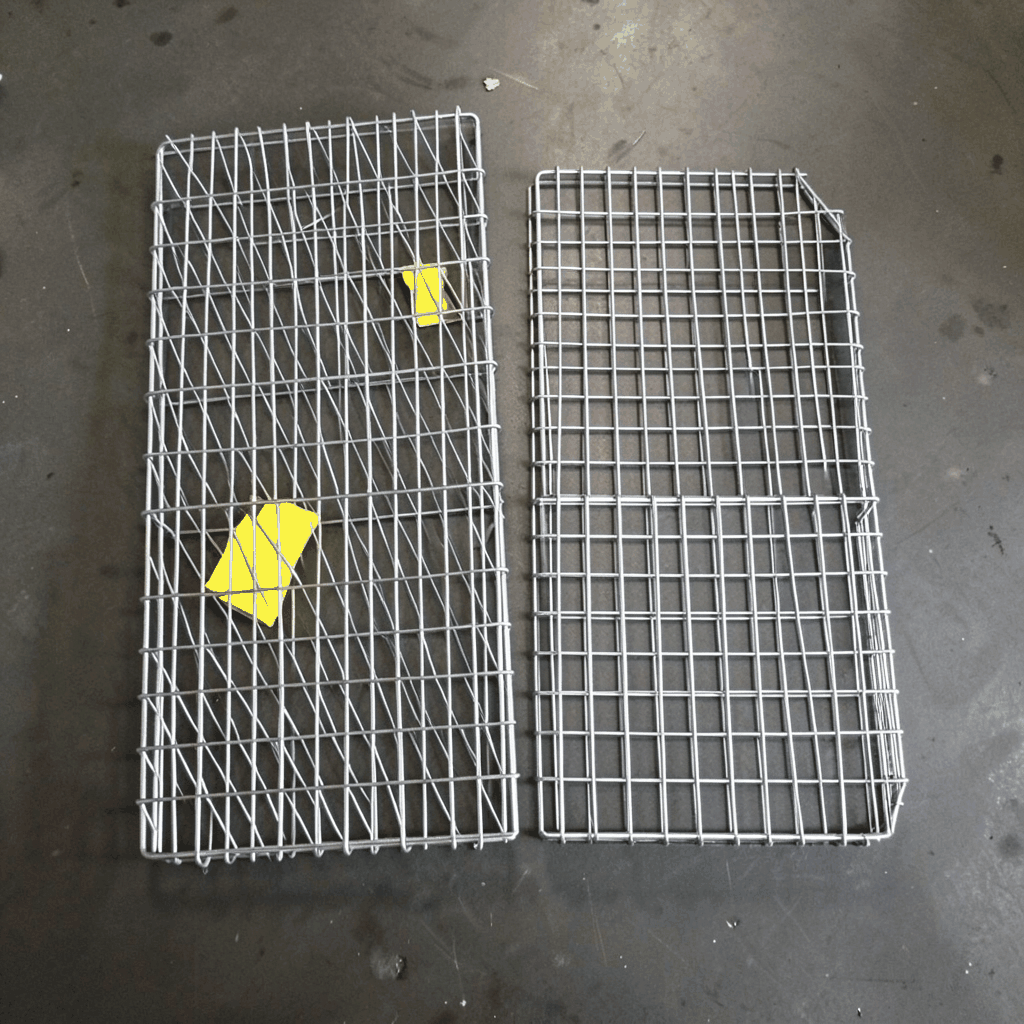
Panelised green-wall systems make it easier to install planting in stages and replace damaged modules without rebuilding an entire display. Horizontal shelves suit trailing and compact plants, while framed mesh sections provide better support for climbers. This modular approach suits Australian homes where balcony, courtyard and courtyard-wall dimensions are constrained but demand for productive outdoor space continues to grow.
The local home-improvement and garden retail market now offers planter boxes, narrow trellises, cable supports and vertical growing kits that appeal to weekend renovators. Many households combine online product research with collection from hardware stores or garden centres. Decorative architectural mesh adds a more tailored option for designers, builders and renovators who want a permanent feature rather than a lightweight freestanding frame.
Commercial projects require the mesh system to work alongside several other layers. Restaurants may use it to soften a service area or frame an outdoor dining zone, offices can combine it with biophilic planting, and schools or civic buildings may need durable panels that withstand frequent cleaning. Integrated irrigation, drainage, lighting and plant access should be planned from the outset.
Engineering fixings, drainage and compliance
A decorative screen has different structural demands from a planter filled with wet soil. Designers should account for the dead load of the containers, saturated growing medium, mature foliage, wind pressure and any maintenance personnel working at height. AS/NZS 1170.0 provides a framework for assessing wind actions, and a qualified structural engineer should confirm brackets, anchors and the supporting wall where loads are significant.
Depending on the installation, the National Construction Code and referenced Australian Standards may apply. AS 1657 is relevant where the system forms part of a guard or balustrading arrangement, while public installations may require additional accessibility and risk controls. Attachments to apartment common property, council-managed structures or heritage-listed buildings can also require owner, strata or development approval before work begins.
Water management protects both the building and the mesh. Planters should drain through dedicated outlets rather than discharge onto cladding, paving or neighbouring tenancies. An isolator, overflow control and accessible filter can prevent irrigation failures from causing water damage. Movement joints and carefully sealed penetrations help isolate dissimilar materials while preserving a neat architectural finish.
Selecting plants and planning long-term care
Plant selection should reflect the final environment of the green wall. Vigorous climbers can overwhelm a delicate screen, while compact plants may leave larger decorative panels looking empty. A balanced combination of upright, trailing and foliage plants creates depth, and locally adapted species generally require less irrigation and tolerate Australian heat more reliably.
Irrigation should deliver water evenly without wetting metal surfaces unnecessarily. Pressure-compensating drip lines, pressure gauges and accessible isolation valves make faults easier to identify. Substrate depth, root volume and foliage density determine how quickly the system dries, so the irrigation schedule should be adjusted to seasonal conditions rather than applied mechanically throughout the year.
Long-term performance depends on access for pruning, plant replacement and cleaning. Mesh apertures should not trap discarded leaves or obstruct servicing, and fasteners should remain reachable for inspection. Choosing a material combination that can be cleaned without specialist treatment helps preserve appearance and reduces disruption in busy commercial settings.
Shuo Ke Wire Mesh Product Technology Co., Ltd. can develop custom decorative mesh, trellis panels and architectural screens around a project’s dimensions, planting style and exposure. Share panel sizes, preferred materials, site photographs, mounting details and Australian location to obtain a tailored specification for assessment by the local designer, structural engineer and installer.