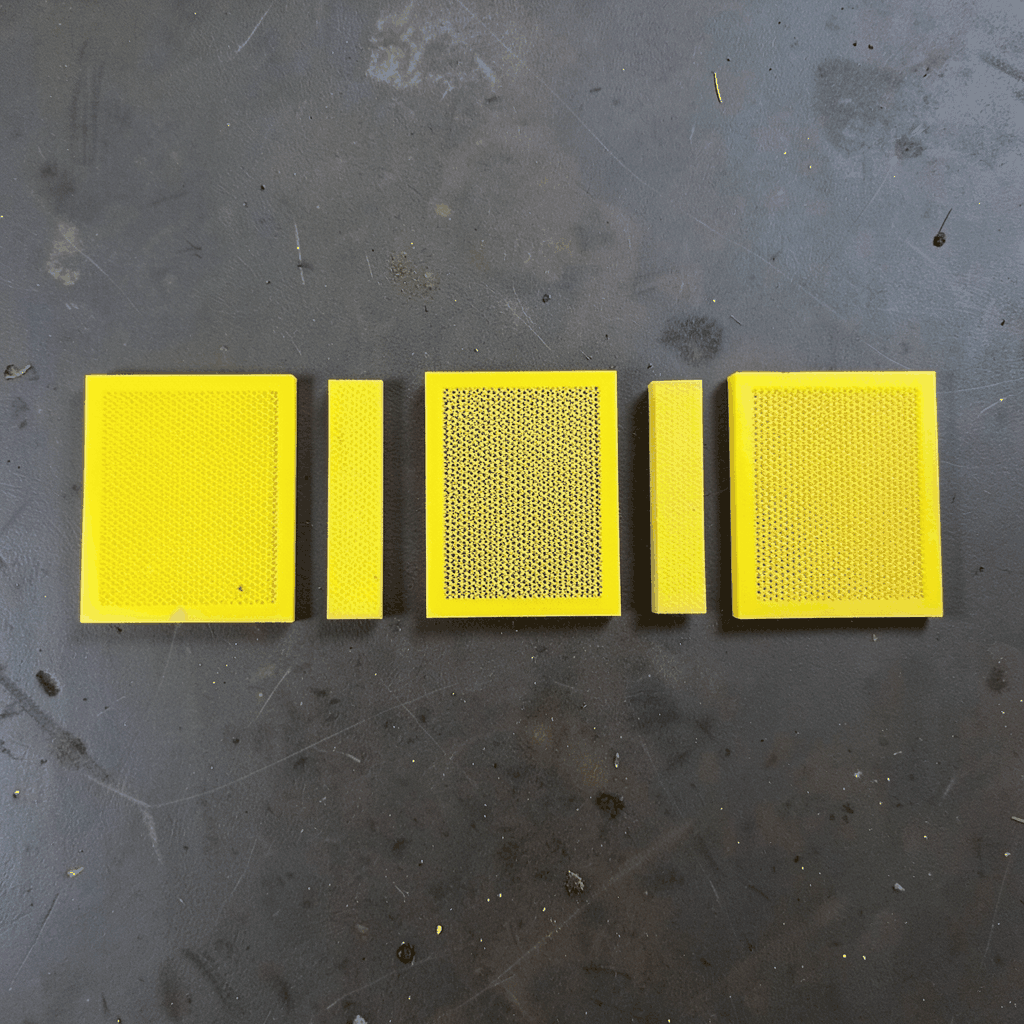
Decorative metal mesh for Australian retail window displays
A shopfront window has a short time to attract attention. It needs to frame products clearly, support seasonal changes and withstand constant contact from shoppers, cleaners and delivery teams. Decorative metal mesh panels provide a flexible way to add texture, depth and brand character without permanently blocking the view into a store.
For Australian retailers, the right display material must also cope with strong sunlight, coastal air, busy shopping centres and practical installation requirements. Stainless steel, aluminium, copper, iron and other alloys can be formed into screens, backdrops, hanging curtains and layered feature panels for boutiques, department stores, jewellery shops and pop-up spaces.
Why metal mesh works in a retail window
Metal mesh creates visual separation while allowing light and selected views to pass through. A woven panel can soften a large glass frontage, while a perforated or laser-cut sheet can create a sharper graphic effect behind mannequins and product stands. The open structure prevents the display from feeling like a solid wall, which is useful when the retailer wants pedestrians to see activity inside the shop.
The material also gives designers control over reflection. Polished stainless steel can add brightness to a darker frontage, brushed finishes provide a quieter architectural appearance, and powder-coated aluminium allows a brand colour to become part of the display. Copper and bronze-toned surfaces can suit premium fashion, cosmetics or hospitality-inspired retail concepts.
Mesh is particularly useful when a shop changes its presentation regularly. Panels can be fixed to a lightweight frame, suspended from a ceiling track or arranged as movable screens. This makes it easier to replace graphics, reposition mannequins and create different sightlines for a winter collection, Boxing Day campaign or local event.
Choosing the right pattern and finish
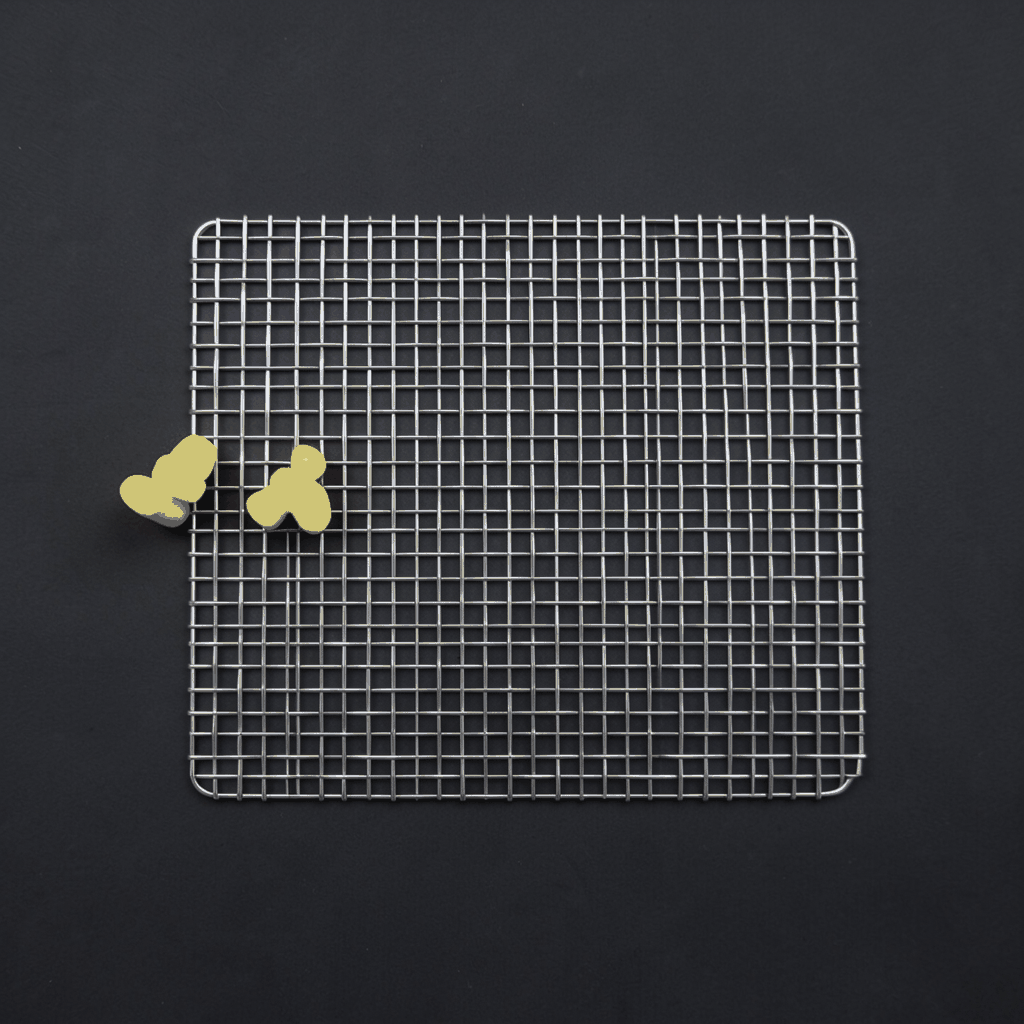
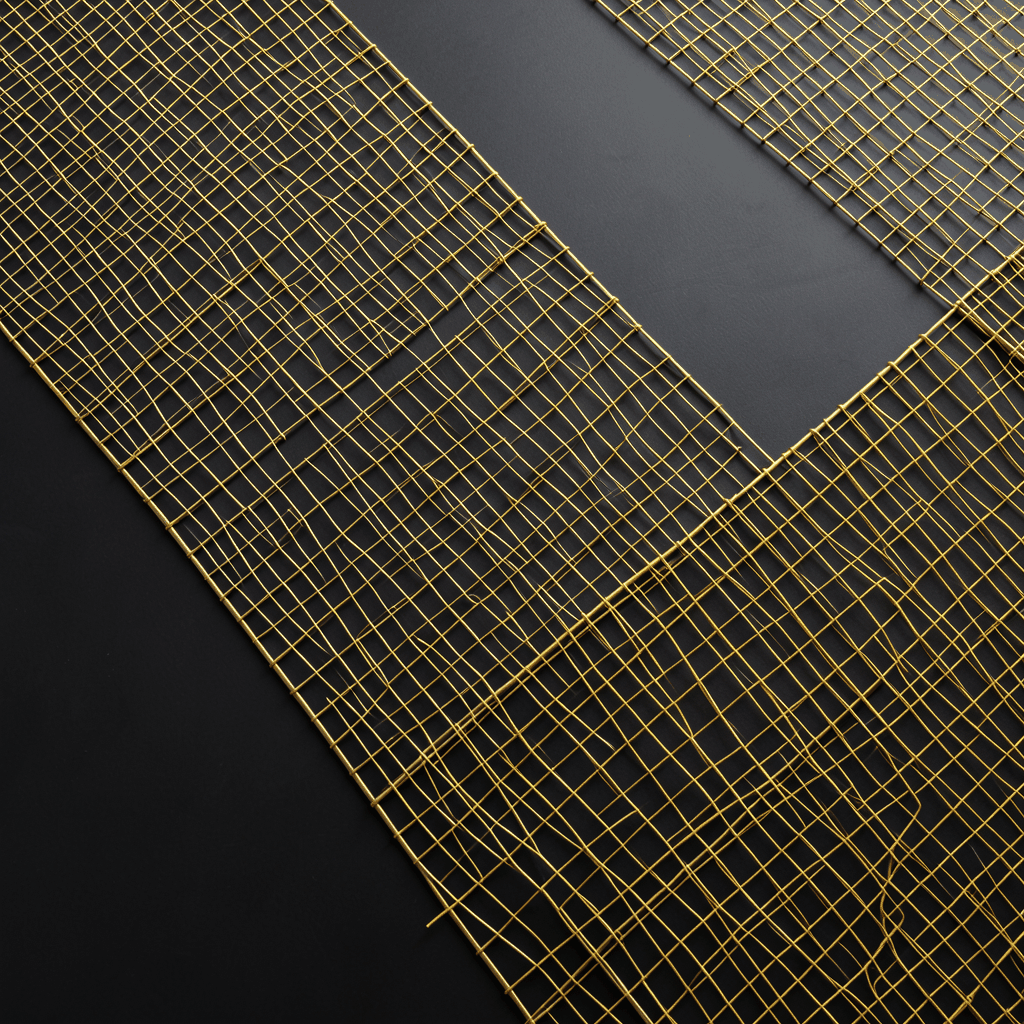
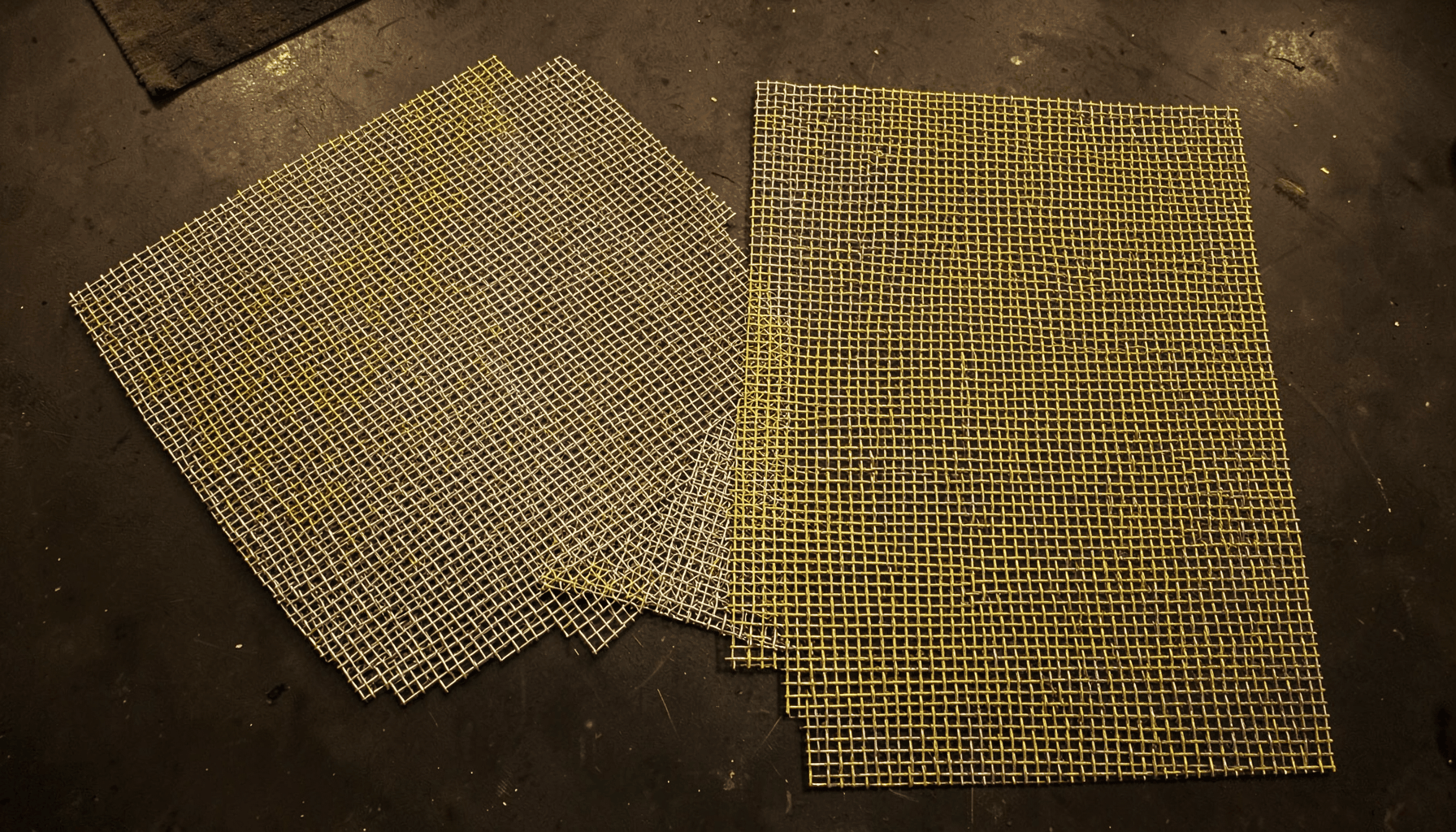
Woven wire mesh has a textile-like quality and works well as a curtain, layered backdrop or flowing divider. It can be gathered to expose a product, stretched flat for a precise grid or combined with lighting to produce shifting shadows. Expanded metal offers a more industrial look, with raised strands that catch light at different angles.
Perforated metal panels are suitable for repeated brand motifs, geometric compositions and controlled transparency. Laser-cut screens can carry custom botanical forms, abstract lines or a logo-inspired pattern. A carefully selected open area is important: a dense pattern may conceal merchandise, while a very open pattern may lack enough presence from the pavement.
Finish selection should consider the entire shopfront rather than the panel alone. A highly reflective surface can create glare in the afternoon sun, particularly on west-facing windows in Perth, Adelaide or Melbourne. Satin, brushed and matte finishes usually offer better visual control. For a coastal location such as Sydney’s eastern suburbs or the Gold Coast, stainless steel or a properly finished aluminium system can provide a stronger response to salt-laden air than untreated mild steel.
Designing for Australian light and climate
Australia’s intense ultraviolet exposure can affect coatings, graphics, adhesives and nearby materials. A display specification should identify whether the panel sits behind glass, near an open entrance or in a semi-external arcade. Powder coating, anodising and protective treatments should be selected for the expected exposure and cleaning routine rather than chosen only from a colour chart.
Natural light changes throughout the day. A screen that looks balanced at 9 a.m. may cast heavy shadows by late afternoon. Retailers in Melbourne’s laneway stores may want a warm, textured effect, while a bright Sydney street frontage may need a less reflective surface. Samples should be viewed in the actual window under daytime and evening lighting before production.
Ventilation and heat gain also deserve attention. Dark, dense panels can absorb heat when placed close to glass, particularly in north-facing windows. Leaving a small air gap between the mesh and glazing can improve circulation and give lighting cables a cleaner route. LED strips positioned behind the open pattern can add depth without requiring excessive brightness or energy use.
Planning dimensions, safety and access
A successful window screen begins with an accurate survey. Measurements should include the glass width, sill height, mullions, sprinkler heads, signage, lighting tracks and any doors used for stock movement. The design should also record how the panel will be removed for cleaning or emergency maintenance.
Australian retail fit-outs often involve shopping-centre rules as well as state and territory requirements. The National Construction Code may apply where display work affects building elements, fire safety or access, while AS 1428.1 is relevant to accessible paths and clearances. A decorative divider must not narrow an accessible route, obstruct a door swing or create a confusing hazard for customers with low vision.
Installation needs the same care as the visual design. Heavy steel screens require secure fixings and a suitable load path, while suspended components need properly rated supports. Edges should be finished without sharp projections, and movable panels should be stable when handled by staff. State and territory work health and safety duties also affect how contractors lift, secure and maintain the display.
Applications across shops and shopping centres
A fine stainless steel curtain can sit behind a jewellery counter, separating the product from a service zone while preserving a sense of openness. In a shoe or fashion store, a laser-cut panel can form a strong backdrop for mannequins and photography. A powder-coated expanded metal screen may suit a sportswear brand seeking an energetic, workshop-inspired identity.
Retailers can also use mesh to divide a temporary pop-up without building a solid partition. This is valuable in Sydney and Melbourne shopping centres where short-term leases require quick installation and removal. Panels can define a fitting area, conceal storage or direct customer movement while keeping the tenancy visually connected to the common walkway.
Window displays can become part of a digital campaign as well. A textured metal backdrop gives livestreamed product demonstrations a recognisable setting, and retailers planning social commerce content can review this live-streaming mix when coordinating shopfront presentation with online broadcasts. The same panel can therefore support street-level advertising, in-store photography and short-form video.
Custom fabrication and practical maintenance
Custom manufacturing is useful when the window includes irregular corners, curved glazing, branded cut-outs or restricted fixing points. Panels can be produced to measured dimensions, supplied with folded edges and prepared with holes, hooks or mounting channels. Combining materials is also possible: a laser-cut aluminium face may be set over a darker mesh layer to create contrast and depth.
The product specification should state the alloy, wire diameter or sheet thickness, aperture, finish, edge treatment and installation method. These details help the retailer compare options accurately and make future replacement easier. For a multi-site rollout, a documented specification keeps displays consistent across locations while allowing minor adjustments for each tenancy.
Cleaning requirements are generally straightforward, but they should be defined early. Dust can collect where mesh meets the sill, and fingerprints are more visible on polished surfaces. A soft brush or vacuum attachment can remove loose particles, followed by a compatible mild cleaner. Abrasive pads and harsh chemicals may damage decorative finishes, so the maintenance team should receive clear instructions.
For heavy-duty retail hardware, it is helpful to understand the broader engineering value of welded mesh, including its use in concrete floor reinforcement. The same focus on consistent fabrication, dimensional accuracy and dependable material performance supports well-made display components.
Balancing brand image with budget
The most economical solution is not always the thinnest or simplest panel. A display that bends, tarnishes quickly or requires frequent repairs can cost more over the life of a tenancy. Retailers should compare the expected service period, cleaning frequency, replacement access and installation labour alongside the initial material price.
A layered design can deliver a premium appearance without covering the entire window in an expensive finish. For example, a standard stainless steel mesh may be used across the main area, with a smaller laser-cut feature panel positioned where pedestrians naturally look. Aluminium is often useful when low weight matters, while iron can suit indoor applications where a heavier visual character is desired and corrosion exposure is controlled.
Local production and clear technical communication can reduce delays in a fit-out schedule. Shuo Ke Wire Mesh Product Technology Co., Ltd. manufactures and processes architectural and industrial mesh products, including decorative curtains, partitions, cladding, screens, fences and custom metal components. Its experience with stainless steel, aluminium, copper, iron and other alloys supports tailored solutions for retailers requiring both decorative impact and practical durability.
A mock-up is a sensible investment before a large order. It can show how much merchandise remains visible, how the finish responds to shop lighting and whether the fixing system works with the existing structure. It also gives the brand team, shopfitter and centre manager a shared reference before fabrication begins.
Making a display part of the customer experience
Retail mesh should guide attention rather than compete with the products. Openings can frame a hero item, lead the eye towards a new collection or create a gradual transition from the pavement to the sales floor. Repeated vertical lines may make a narrow shopfront feel taller, while a curved screen can soften a rectilinear tenancy.
The panel can also carry a changing story. Magnetic graphics, interchangeable cut-out inserts, coloured backing fabrics and adjustable lighting allow one structural screen to support multiple campaigns. A retailer could use a clean open pattern for everyday presentation, then add a dense seasonal layer for Christmas, Lunar New Year or a winter promotion without replacing the complete installation.
In Australian high streets, where pedestrians may pass quickly between cafés, offices and public transport, contrast and recognisable form matter. In a suburban centre, the display may need to work from several angles as shoppers approach from a car park or food court. Designing for these real viewing conditions produces a more effective result than judging the panel only from inside the store.
A carefully specified decorative mesh panel can become a durable part of the shop’s identity. It provides texture, privacy, product framing and adaptability while respecting safety, maintenance and local building conditions. Contact Shuo Ke Wire Mesh Product Technology Co., Ltd. with window dimensions, preferred material, finish and design intent to develop a custom retail display solution for an Australian store.