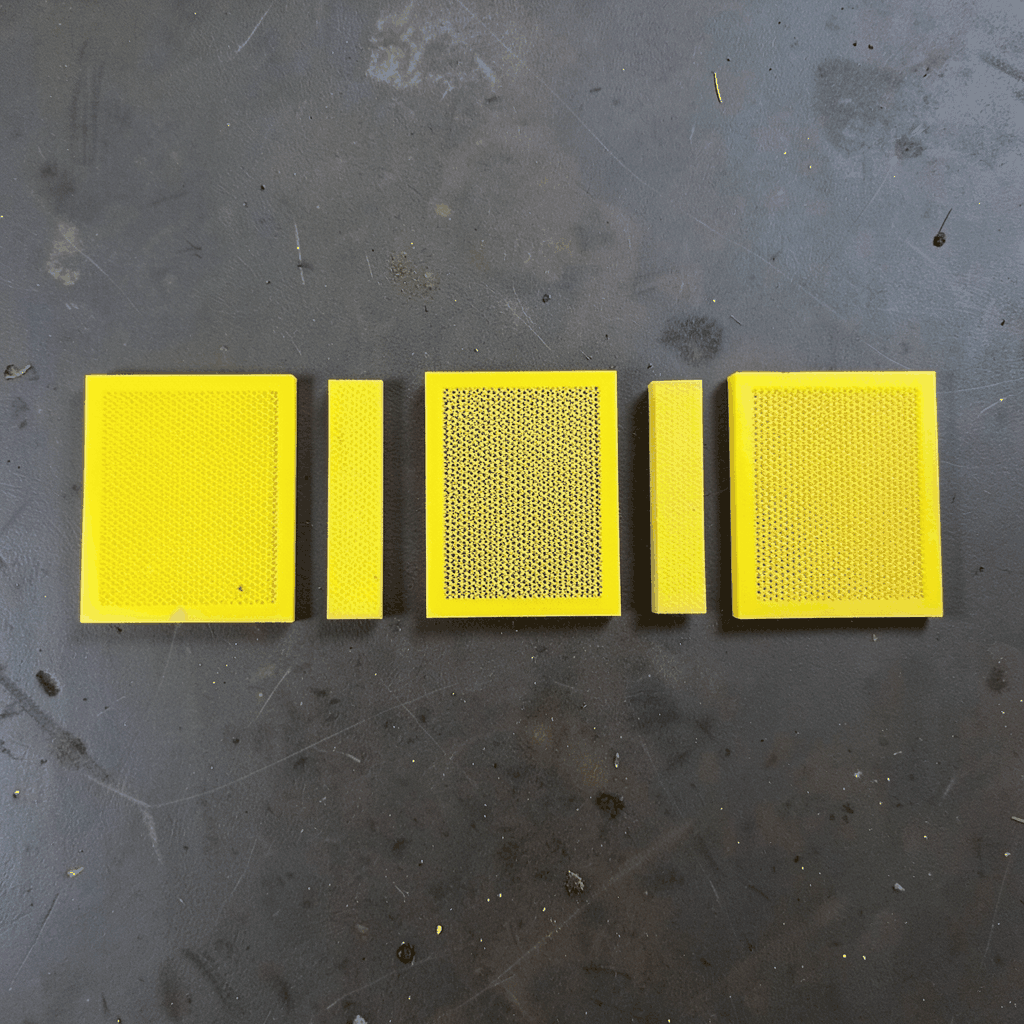
Decorative Mesh Panels for Stage and Theater Backdrops
Decorative metal mesh can give a stage backdrop depth, movement, and a refined architectural character without making the set feel visually heavy. Its open structure allows lighting, colour, and silhouettes to work through the surface, creating a flexible background for theatre, concerts, exhibitions, hospitality venues, and corporate events.
Unlike painted flats or solid scenic boards, metal mesh panels can divide a performance area while preserving sightlines and airflow. They may be installed as fixed wall features, suspended curtains, folding screens, framed panels, or movable partitions. With the right finish and pattern, the same material can appear industrial, luxurious, contemporary, or understated.
Australian venues often require scenery to perform across varied conditions, from air-conditioned theatres in Sydney and Melbourne to touring stages, outdoor festivals, and humid coastal locations in Brisbane or Cairns. Material selection therefore needs to consider corrosion resistance, cleaning, transport, fire documentation, and compatibility with venue rigging systems.
Shuo Ke Wire Mesh Product Technology Co., Ltd. manufactures and processes architectural and industrial mesh in stainless steel, aluminium, copper, iron, and other alloys. Its custom approach supports stage designers, fit-out contractors, event companies, architects, and venue operators seeking a backdrop that combines visual impact with practical service life.
Creating Depth With Metal Mesh Backdrops
A mesh backdrop does not need to function as a flat wall. Layering two or more panels at different distances from the audience can produce depth while keeping the stage open. A dark mesh layer behind a brighter decorative screen may create a graduated effect, while a reflective surface can catch moving lights and change appearance throughout a performance.
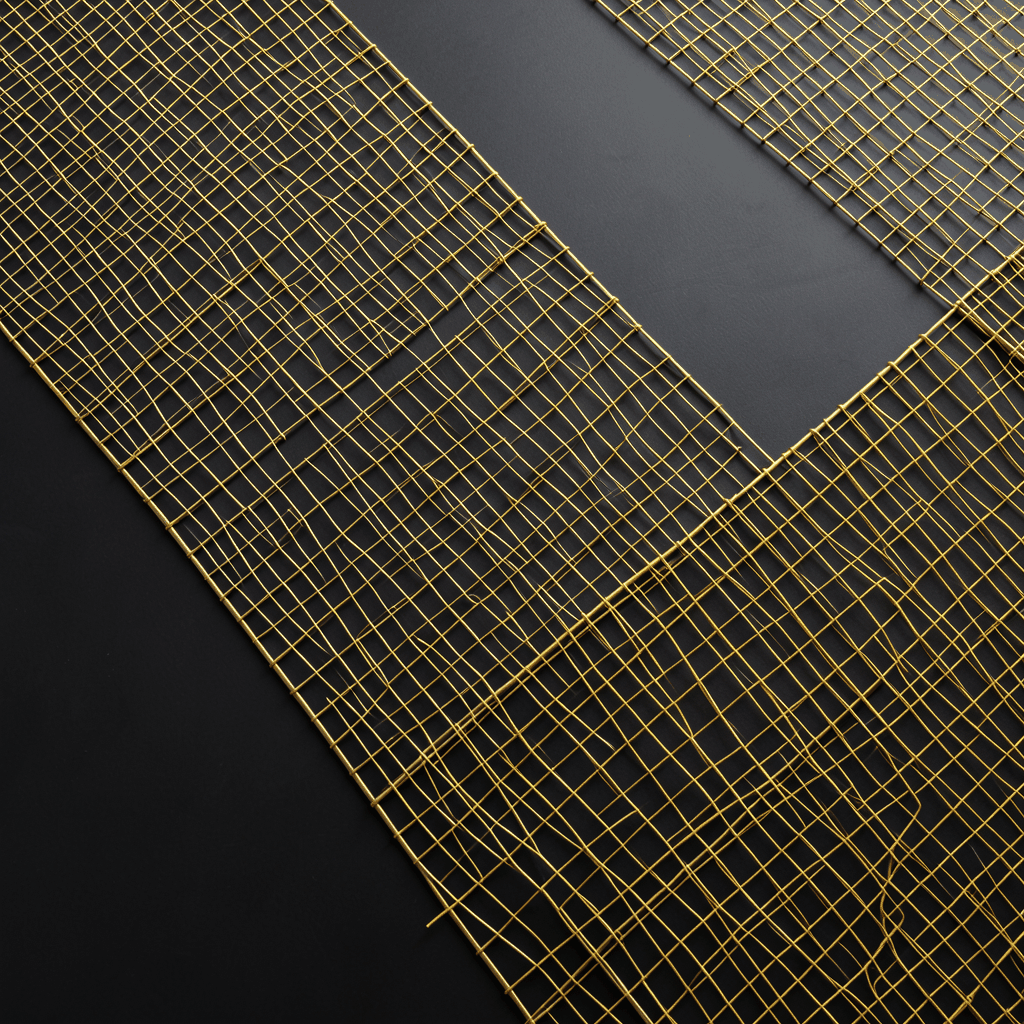
Metal mesh can also support a sense of movement. Chain-style curtains, spiral wire, woven cable mesh, and linked decorative elements respond to airflow and performer movement. They can be pulled aside, gathered, folded, or arranged in overlapping sections. This makes them useful for scene changes where a fixed scenic wall would be difficult to move.
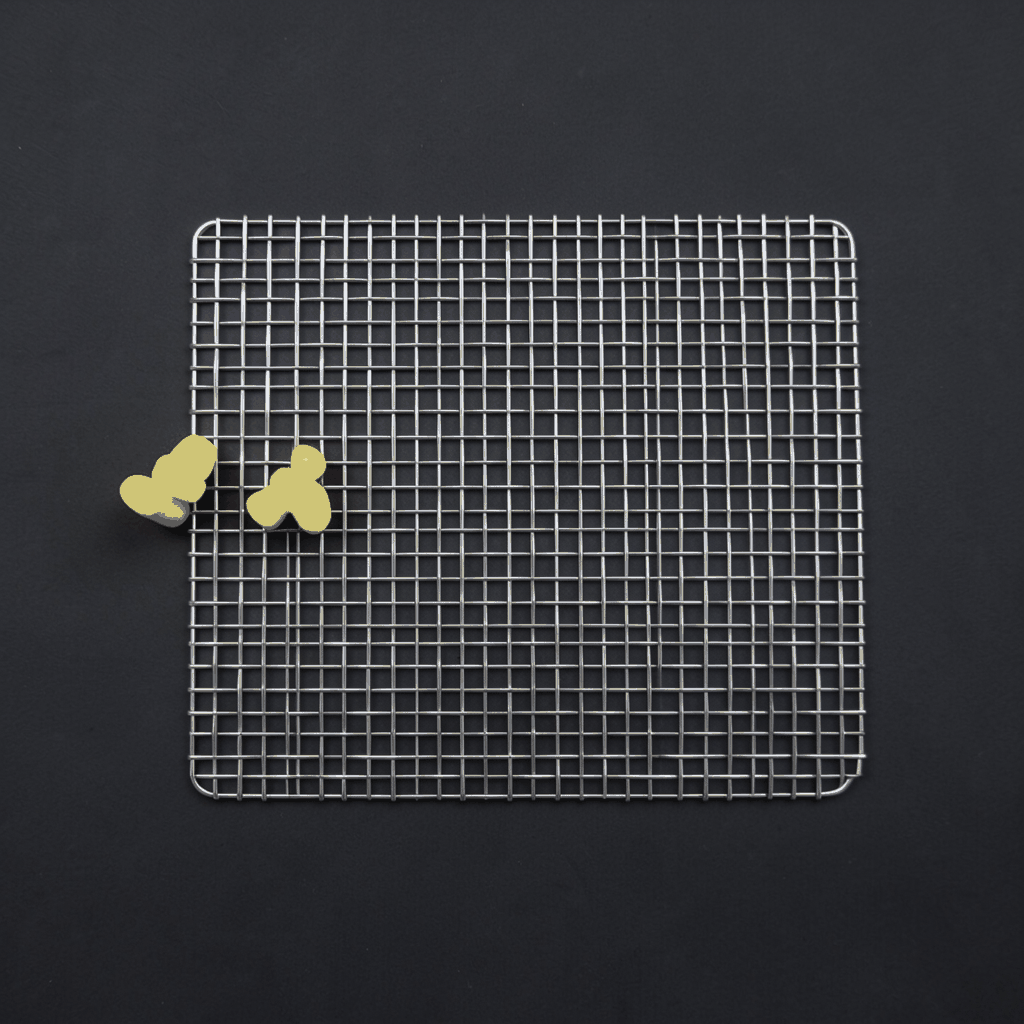
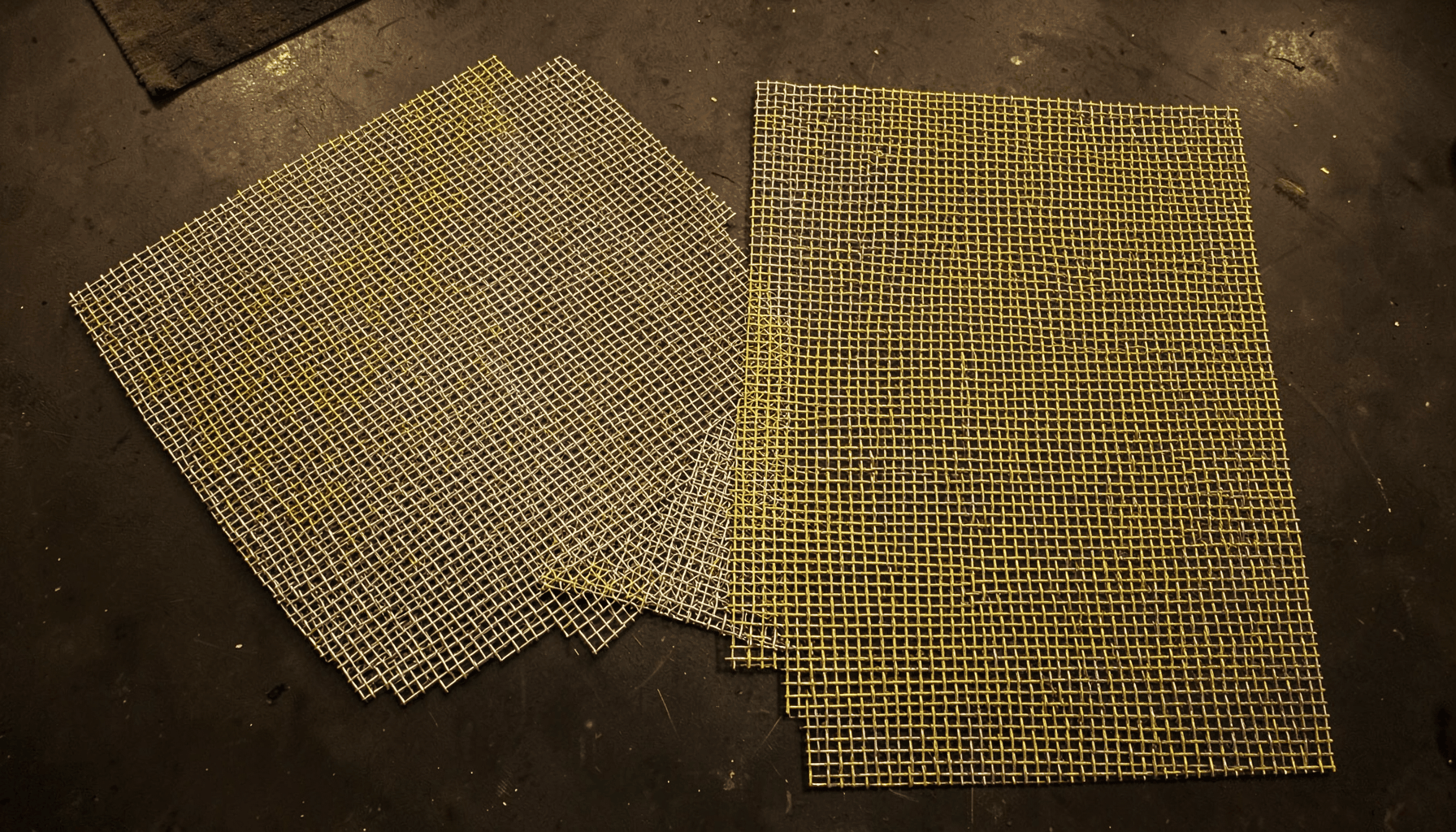
Pattern choice has a strong effect on visual scale. Fine woven mesh creates a subtle veil that works well behind performers, while larger apertures form a stronger graphic statement. Perforated and laser-cut panels can introduce geometric patterns, botanical motifs, cultural references, or custom branding. The design should be considered from the audience’s viewing distance rather than judged only from a sample held close.
Materials, Finishes, and Colour Choices
Stainless steel is a dependable option for venues that need strength, low maintenance, and a clean contemporary appearance. Polished stainless steel reflects stage light sharply, whereas satin or brushed finishes provide a softer effect. Stainless steel is particularly suitable for touring equipment, public spaces, and installations exposed to frequent handling.
Aluminium offers lower weight, which can simplify suspended installations, transport, and temporary event construction. It can be finished in different colours and may suit large decorative panels where reducing the load on a support frame is important. Copper and brass-toned materials bring warmth and richness to theatres, restaurants, foyers, and heritage-inspired productions, although their appearance may change with age and handling.
Iron and mild steel can create a darker, more substantial aesthetic for industrial sets, music venues, and dramatic stage environments. These materials need an appropriate protective finish when used in areas exposed to moisture. In coastal Australian locations, including Perth, Adelaide, and the eastern seaboard, corrosion resistance deserves early attention rather than being treated as a final detail.
Managing Light, Visibility, and Acoustic Effects
Stage mesh is valuable because it interacts with lighting rather than simply blocking it. Backlighting can turn a panel into a glowing screen, while front lighting can reveal its texture and create crisp shadows. A semi-transparent curtain may appear solid under one lighting state and almost disappear under another, allowing designers to create reveals without changing the physical set.
Laser-cut screens and patterned panels can project shadows onto floors, walls, or adjacent scenery. Aperture size, panel spacing, surface reflectivity, and light angle all influence the result. A mock-up or small test panel is worthwhile when a production depends on a precise silhouette, moiré effect, or controlled transparency.
Mesh should not automatically be described as an acoustic treatment. Some open metal products can influence sound reflection or diffusion, but they generally do not replace certified absorptive panels, drapes, or acoustic engineering. In a theatre, the final arrangement should be reviewed with the venue’s sound team, especially where speech intelligibility, amplified music, or orchestra projection is important.
Visibility and audience safety also matter. Sharp edges, loose wires, unstable frames, and unexpected glare can create hazards. Panels near performers should be deburred, securely restrained, and positioned to protect access routes, sightlines, and emergency egress. The venue’s technical manager should approve the final installation before public use.
Custom Fabrication for Different Stage Formats
A custom mesh supplier can produce panels to suit proscenium stages, black-box theatres, theatre-in-the-round layouts, school halls, exhibition spaces, and outdoor performance areas. Dimensions can be coordinated with existing trusses, battens, tracks, frames, or freestanding bases. Custom fabrication also helps when the backdrop needs doors, curved sections, cut-outs, folding joints, or integrated mounting points.
For a touring production, weight and packing volume are central considerations. Modular panels can be designed to stack efficiently, with removable frames and repeatable connection details. A venue in Melbourne may need a different rigging arrangement from a festival stage in regional New South Wales, so a clear installation drawing is as important as the mesh pattern itself.
Large permanent installations may combine mesh with wall cladding, guardrails, partitions, or feature screens in the same venue. A foyer could use a decorative screen that relates visually to the stage backdrop, while elevator cladding or balustrade infill uses a matching finish. This creates a consistent design language across public areas without requiring every product to have the same construction.
Customisation may include aperture, wire diameter, panel size, border treatment, surface finish, colour, curvature, and fixing method. Designers should provide the intended viewing distance, lighting concept, expected handling, and installation environment when requesting a quotation. These details help the manufacturer recommend a product that is attractive and practical rather than merely decorative.
Safety and Installation Considerations in Australian Venues
The backdrop support system must be designed for the actual load, span, movement, and suspension method. Mesh panels may appear lightweight, but framed sections, tracks, fasteners, and decorative accessories add to the total load. Overhead systems should be assessed by qualified professionals and coordinated with the venue’s rigging procedures.
Australian theatres and event spaces commonly require documentation for materials, fixings, flame behaviour, and installation methods. Requirements can vary according to the building, use, temporary or permanent status, and local authority. Relevant provisions of the National Construction Code and applicable Australian Standards may need to be considered, while fabricators and venue managers should verify the current requirements for each project.
Fire performance should be assessed as a complete assembly rather than assumed from the fact that metal is non-combustible. Coatings, backing fabrics, acoustic materials, cable ties, scenic paints, and adjacent components may affect performance. If a project requires fire testing or certification, the purchaser should request suitable documentation and obtain approval from the venue or building consultant.
Cleaning and maintenance are usually straightforward when the mesh is selected correctly. Dust can be removed with a soft brush or low-pressure air, while fingerprints and surface marks may require a compatible cleaning solution. Abrasive tools and unsuitable chemicals can damage polished finishes or protective coatings. A maintenance schedule is useful for high-traffic venues, touring stock, and installations close to the audience.
Selecting the Right Mesh for a Stage Project
A considered specification balances visual style with weight, durability, transparency, budget, and installation. The most attractive sample may not be the right choice if it creates excessive glare, blocks performers, exceeds a rigging limit, or requires more maintenance than the venue can provide.
The following recommendations can help designers, producers, contractors, and venue operators compare options before fabrication:
- Request physical samples in the intended finish and view them under front lighting, backlighting, and coloured theatrical light.
- Confirm panel dimensions, total weight, aperture, edge treatment, and fixing details before approving production drawings.
- Select stainless steel or another corrosion-resistant material for coastal, humid, or frequently transported applications where appropriate.
- Ask whether the proposed coating, backing, or scenic assembly requires fire documentation for the venue and its intended use.
- Plan for storage, folding, stacking, cleaning, and repairs if the mesh backdrop will be used by a touring or event company.
- Coordinate suspended panels with qualified riggers, existing tracks, battens, trusses, access routes, and emergency egress requirements.
- Request a sample layout or mock-up when transparency, shadow projection, acoustic behaviour, or audience sightlines are critical.
A reliable supplier should be able to discuss material alternatives rather than offering one standard product for every stage. It should also provide practical information about tolerances, finish variation, packaging, lead time, and replacement sections. For a custom project, drawings and sample approval reduce the risk of receiving a backdrop that looks different from the designer’s expectation under real venue lighting.
For Australian buyers, freight planning is also important. A permanent installation may be delivered directly to a building site, while a touring backdrop may need protective cases and compact modules. Scheduling should account for fabrication, surface finishing, inspection, shipping, and local installation, particularly when the production has fixed opening dates or must travel between cities.
Decorative metal mesh can give a theatre backdrop a distinctive identity while supporting efficient scene changes, layered lighting, and adaptable spatial design. The most successful installations begin with a clear understanding of how the mesh will be seen, moved, supported, cleaned, and maintained.
Contact Shuo Ke Wire Mesh Product Technology Co., Ltd. with your stage dimensions, preferred material, finish, lighting concept, and installation requirements. Its architectural mesh team can develop a customised solution for a theatre, concert venue, touring production, exhibition, hospitality fit-out, or municipal performance space.