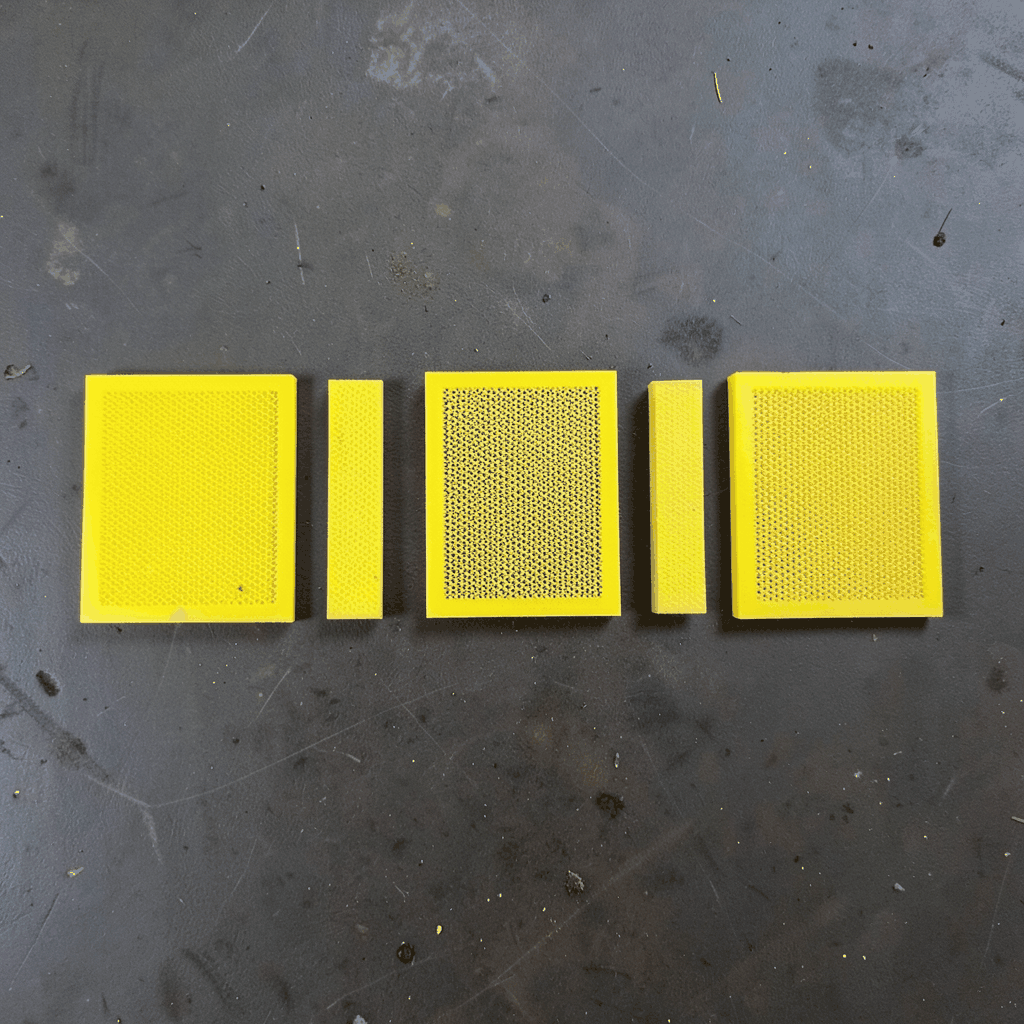
Decorative Metal Mesh Backsplashes For Modern Kitchens
Decorative metal mesh backsplashes bring texture, light, and practical protection to residential kitchens. Instead of presenting a completely flat surface, a mesh panel creates a layered visual effect behind a cooktop, sink, island, or open shelving. Its pattern can appear subtle and refined or become a strong architectural feature, depending on the material, weave, finish, and panel size.
A kitchen splashback must perform in a demanding environment. It may encounter steam, oil, food splashes, heat, cleaning products, and frequent contact with hands or utensils. Properly selected stainless steel mesh, aluminum screening, copper mesh, or coated steel can provide a durable surface while supporting a wide range of interior styles.
Shuo Ke Wire Mesh Product Technology Co., Ltd. manufactures and processes architectural and industrial metal mesh for residential and commercial applications. Its custom approach allows homeowners, designers, and contractors to specify dimensions, materials, openings, finishes, and fabrication details for a backsplash that fits the kitchen rather than forcing the design to adapt to a standard product.
Why Metal Mesh Works Behind A Kitchen Counter
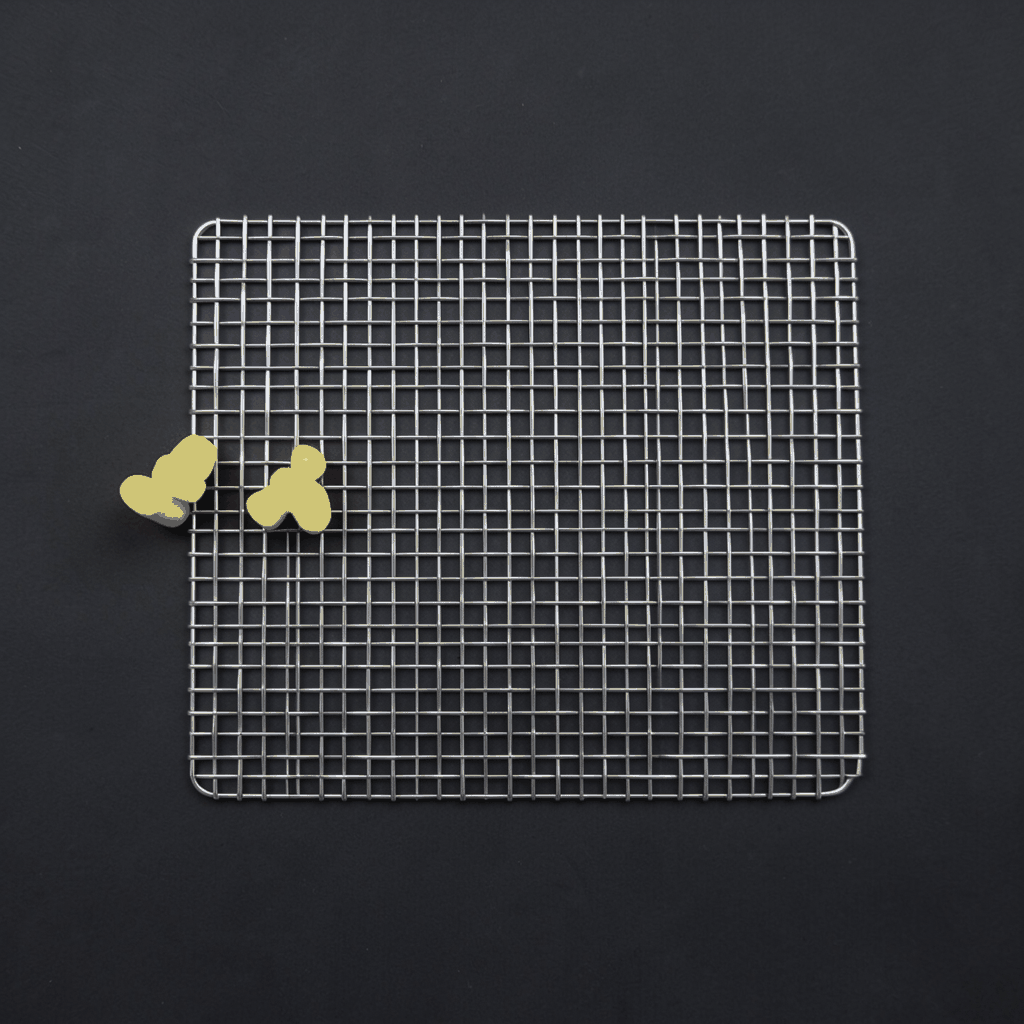
A metal backsplash protects the wall from moisture, grease, and everyday splashes while contributing a distinctive decorative element. Wire mesh has a lighter visual presence than a solid sheet, so it can add detail without making a compact kitchen feel enclosed. Small openings allow the wall color or backing surface to remain visible, creating depth through contrast.
The surface also works well beside common kitchen materials. A stainless steel mesh panel can complement marble, quartz, ceramic tile, timber, and painted cabinetry. Copper introduces warmth beside dark green, navy, charcoal, or natural wood finishes. Black powder-coated steel creates a strong industrial appearance, while brushed aluminum offers a clean, contemporary look with less visual weight.
Mesh can be used as a full-height kitchen wall panel, a narrow strip between countertops and cabinets, or an accent behind a range hood. Designers may also continue the same material onto an island front, pantry door, open shelf backing, or room divider to create a connected interior scheme.
Materials And Finishes For A Kitchen Splashback
Stainless steel is one of the most practical choices for a residential backsplash. It resists corrosion, tolerates heat, and works with modern appliances and hardware. Brushed, satin, polished, and colored finishes create different levels of reflection. A brushed finish can help soften fingerprints and small marks, while a polished surface produces a brighter, more reflective effect.
Aluminum is lightweight and suitable for projects where easy handling or reduced wall load is important. It can be anodized, brushed, painted, or powder coated in a broad range of colors. Copper mesh offers a naturally warm appearance and can develop a changing patina over time. If a consistent color is preferred, a protective finish can help maintain the selected appearance.
Iron and mild steel can support robust decorative designs, especially when powder coated. They require suitable protection in areas exposed to water or humidity. The choice should consider the position of the backsplash, ventilation, cleaning routine, proximity to a gas flame, and the finish of neighboring fixtures.
A metallic surface can look very different under warm pendant lighting, daylight, and under-cabinet LEDs. Requesting material samples or finish swatches before fabrication helps confirm how the mesh interacts with cabinet colors, countertops, and flooring.
Patterns That Shape The Kitchen Interior
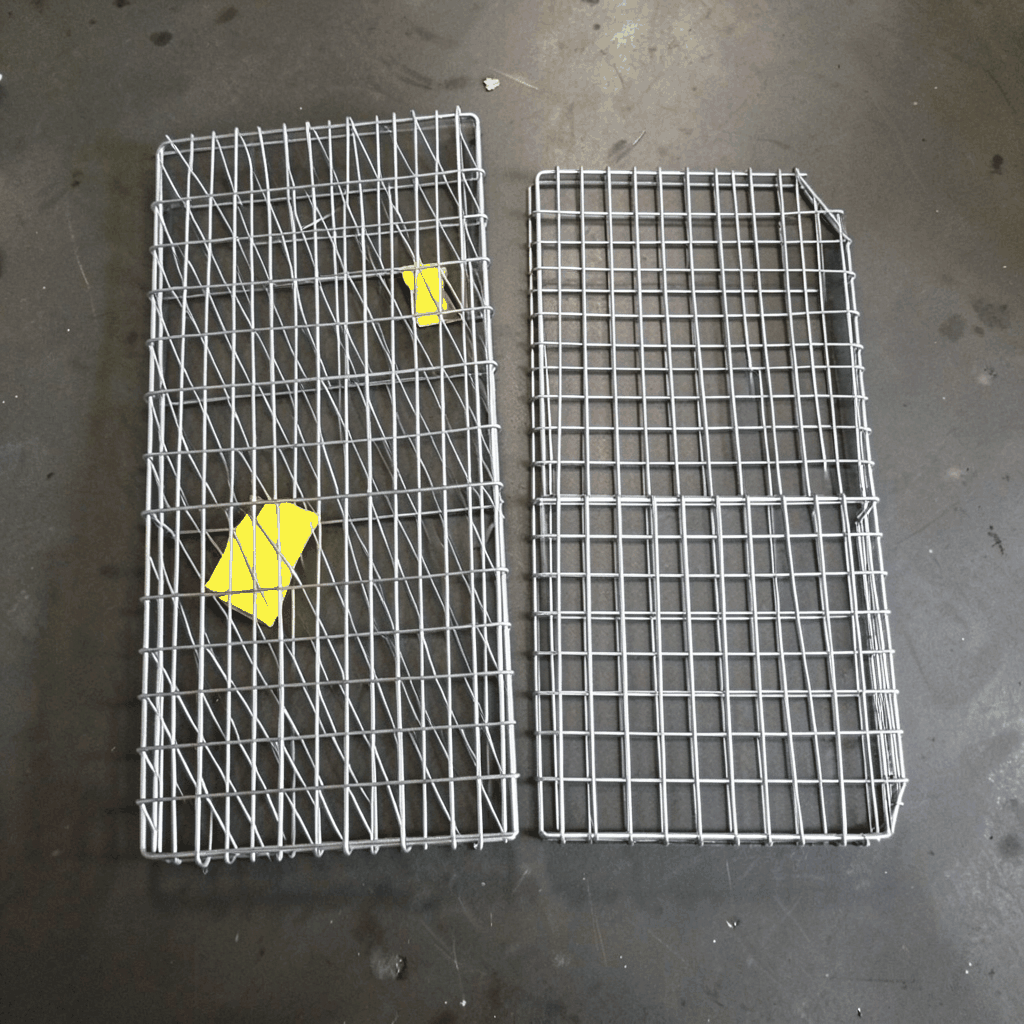
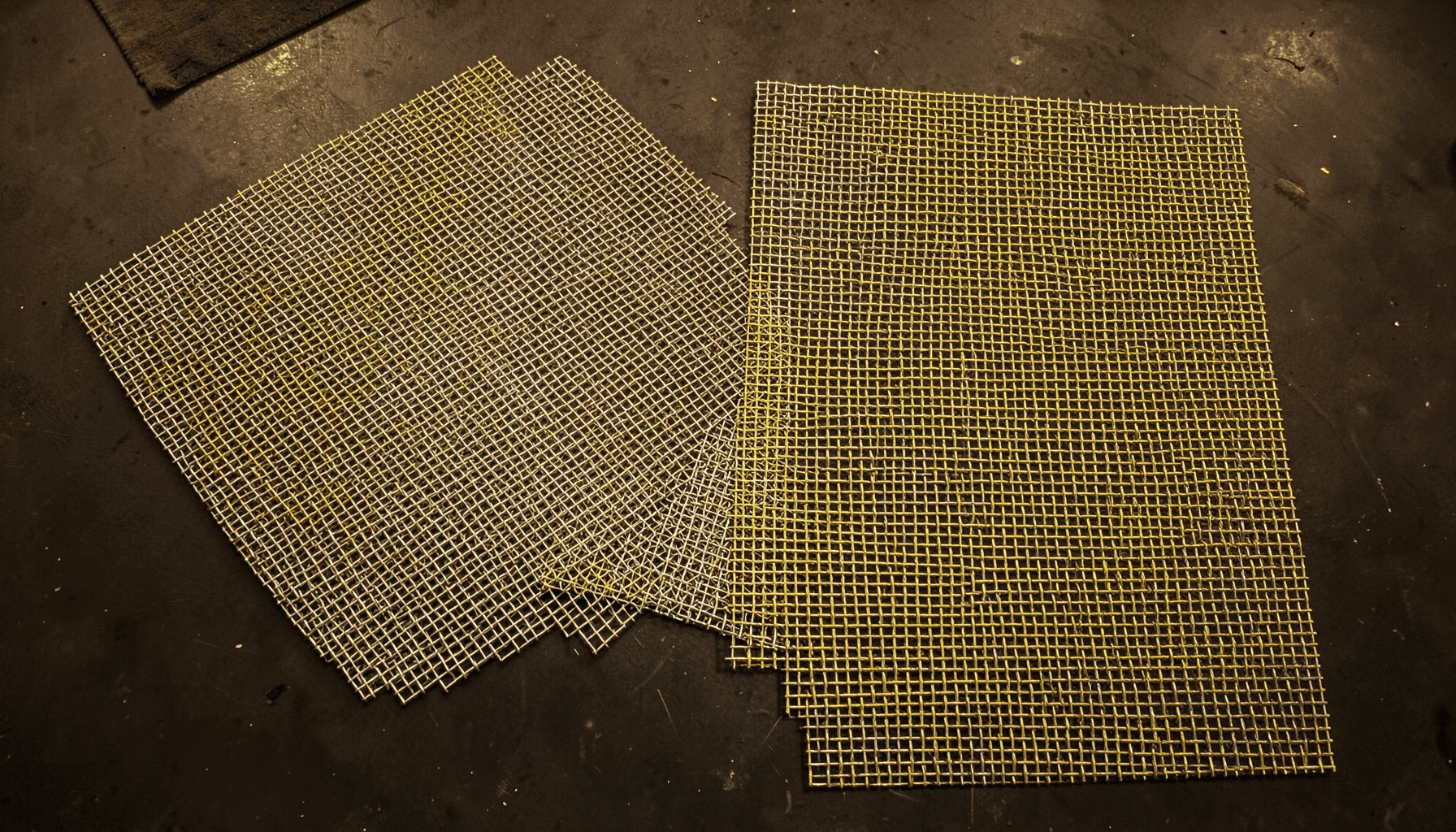
Architectural wire mesh is available in many constructions, including woven wire, welded wire, expanded metal, perforated sheet, and custom decorative patterns. Woven mesh creates a refined textile-like texture. Expanded metal provides a more geometric appearance, while perforated panels can use round, square, slot, or custom openings to control light and visibility.
The opening size affects both appearance and maintenance. Fine mesh produces a delicate surface and can reduce the visibility of the wall behind it. Larger openings make the pattern more noticeable and allow a contrasting backing panel to become part of the design. The panel can be installed over a colored wall, tile, glass, or a separately fabricated backing sheet.
Pattern direction also matters. A horizontal arrangement can visually widen a narrow kitchen, while vertical lines may emphasize ceiling height. Repeated geometric openings can align with cabinet doors, drawer fronts, or lighting fixtures. A custom laser-cut screen can introduce botanical, abstract, or linear motifs when a standard woven pattern does not match the interior concept.
| Material or construction | Visual character | Practical strengths | Suitable kitchen uses |
|---|---|---|---|
| Stainless steel woven mesh | Refined, technical, lightly reflective | Corrosion resistance, heat tolerance, long service life | Range areas, full-height walls, contemporary kitchens |
| Aluminum mesh | Light, clean, adaptable | Easy handling, many color options, low wall load | Cabinet inserts, compact splashbacks, accent panels |
| Copper mesh | Warm, rich, changing surface | Distinctive color, decorative appeal, custom finish options | Feature walls, farmhouse interiors, luxury kitchens |
| Powder-coated steel | Bold, architectural, color-focused | Strong construction and broad finish selection | Industrial designs, statement panels, island cladding |
| Expanded metal | Geometric and dimensional | Durable pattern, strong visual texture | Modern backsplashes, ventilation-adjacent areas |
| Perforated metal | Precise and graphic | Controlled openings, custom patterns, easy panel fabrication | Minimalist kitchens, decorative screens, cabinet backing |
Planning Sizes, Edges, And Installation
Accurate measurement should account for the wall width, countertop height, cabinet gaps, outlets, switches, range hoods, and exposed corners. A metal backsplash may be produced as one continuous panel or divided into several sections. Larger panels reduce visible joints, while smaller sections can simplify transport, handling, and replacement.
Edges deserve attention because they influence both safety and appearance. Hemmed edges, folded returns, flat bars, or framed borders can cover sharp cut ends and create a finished perimeter. Corner conditions may require folded panels, separate side pieces, or carefully planned joint lines. Cutouts for sockets and fixtures should be confirmed before production.
Several installation methods are available. Panels can be fixed with mechanical fasteners, clips, frames, adhesive systems, or a combination of methods depending on the wall substrate and panel weight. Removable fixing is useful when access behind the backsplash may be needed. A concealed frame can produce a cleaner appearance, while visible fasteners may suit an industrial kitchen concept.
The backsplash should be coordinated with electrical and plumbing work before installation. Heat-producing appliances require appropriate clearances and compatible materials. A qualified installer can confirm the fixing method, substrate condition, edge treatment, and local requirements for the specific kitchen layout.
Cleaning And Long-Term Care
Routine care for metal mesh is generally straightforward. Dust and loose residue can be removed with a soft brush, vacuum attachment, or lint-free cloth. For ordinary kitchen marks, a mild soap solution and a non-abrasive cloth are usually suitable. Cleaning in the direction of a brushed finish can help preserve its consistent appearance.
Grease may collect around a cooktop, especially on fine decorative patterns. Regular light cleaning is preferable to allowing residue to harden inside the openings. Harsh scouring pads, chlorine-based products, and aggressive chemical cleaners may damage a finish or leave visible scratches, so the care instructions should match the selected metal and coating.
A backing surface can make maintenance easier by catching splashes behind an open mesh design. It can also increase contrast and hide the wall substrate. For a more transparent appearance, the exposed wall should be finished with a durable, washable coating that can tolerate the kitchen environment.
Ventilation, appliance placement, and cleaning frequency all affect service life. Stainless steel and correctly finished aluminum are strong options for areas with regular moisture. Coated steel and iron should be inspected periodically, particularly at cut edges, fastener points, and areas where the finish may have been scratched.
Selecting A Custom Mesh Solution
A residential backsplash should be designed around the way the kitchen is used as well as its visual style. Before requesting fabrication, define the main exposure conditions, preferred pattern, required transparency, edge treatment, and relationship to surrounding materials. These details help the manufacturer recommend a practical construction instead of treating the backsplash as a purely decorative panel.
Important specifications may include:
- Choose a corrosion-resistant material for areas exposed to steam, water, or frequent cleaning.
- Select an opening size that balances visual texture, grease control, and ease of maintenance.
- Confirm the sheet or mesh thickness, panel dimensions, cutouts, folded edges, and corner details.
- Match the finish to cabinet hardware, appliances, lighting temperature, and countertop colors.
- Request a sample or prototype when the project depends on a particular reflection, color, or pattern.
Shuo Ke Wire Mesh Product Technology Co., Ltd. can process stainless steel, aluminum, copper, iron, and other alloys for customized architectural metalwork. Its capabilities support decorative mesh panels, laser-cut screens, cladding components, partitions, and related interior products. This makes it possible to coordinate a kitchen backsplash with other metal elements instead of sourcing unrelated finishes from different suppliers.
Custom fabrication is especially useful for unusual wall shapes, oversized openings, curved sections, integrated shelving, or designs that continue from the countertop to the ceiling. Production drawings can clarify panel orientation, joints, cutouts, and attachment points before manufacturing begins, reducing avoidable adjustments during installation.
A well-designed metal mesh backsplash can give a kitchen a distinctive identity while meeting everyday performance needs. The right material protects the wall, the right pattern controls visual density, and the right finish connects the backsplash with the wider interior palette.
Share your kitchen dimensions, preferred metal, pattern ideas, and finish requirements with Shuo Ke Wire Mesh Product Technology Co., Ltd. A custom architectural mesh solution can then be developed for a durable, decorative, and precisely fitted residential kitchen.