Decorative Wire Mesh Backsplashes for Commercial Kitchen Restaurant Designs
Commercial kitchens must withstand heat, moisture, grease, frequent cleaning, and continuous activity while maintaining a professional appearance. A backsplash protects the wall behind cooking and preparation areas, yet it also occupies a highly visible part of the restaurant interior. Decorative metal mesh offers a practical way to combine wall protection with texture, depth, and a distinctive architectural finish.
Unlike conventional ceramic tile or painted wall panels, metal mesh can introduce filtered light, linear movement, and a crafted industrial character. Stainless steel, aluminum, copper, iron, and specialty alloys provide different appearances and performance qualities, allowing designers to coordinate the backsplash with countertops, ventilation systems, shelving, furniture, and brand colors.
For restaurants, hotels, cafés, catering facilities, and institutional kitchens, the right mesh construction can support sanitation requirements without making the space feel purely utilitarian. Careful selection of material, opening pattern, finish, and mounting method helps create a backsplash that serves the kitchen operationally and strengthens the overall design concept.
Why Metal Mesh Works In Restaurant Kitchens
A commercial kitchen backsplash must create a durable barrier between the wall and cooking processes. Oil splashes, water, food particles, steam, and cleaning chemicals can quickly damage untreated surfaces. Properly specified stainless steel or coated metal mesh resists many of these conditions while providing a replaceable or serviceable surface.
Mesh panels are also lighter than many solid metal sheets of comparable visual impact. Their open structure reduces visual heaviness and can make a compact kitchen appear more spacious. Depending on the pattern, the screen may conceal utility areas, soften equipment lines, or add a decorative layer behind an open pass-through counter.
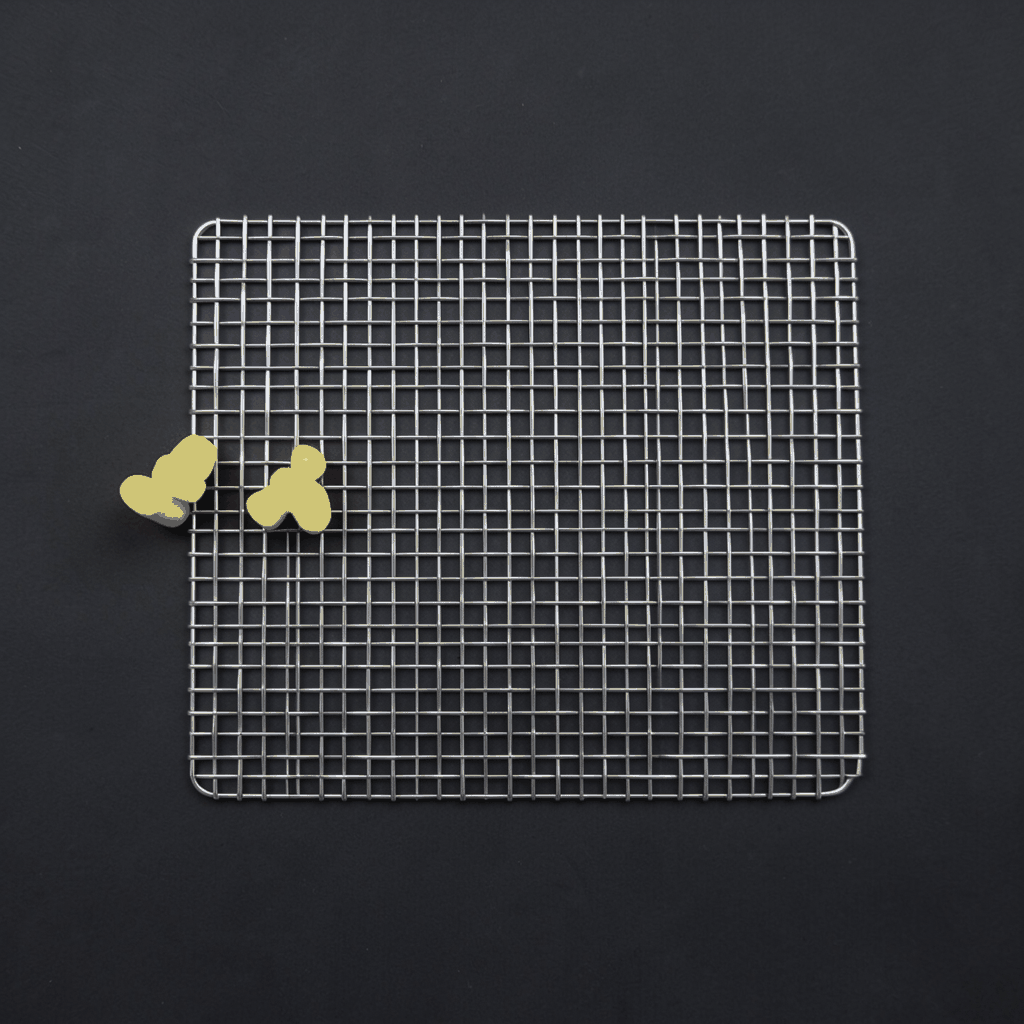
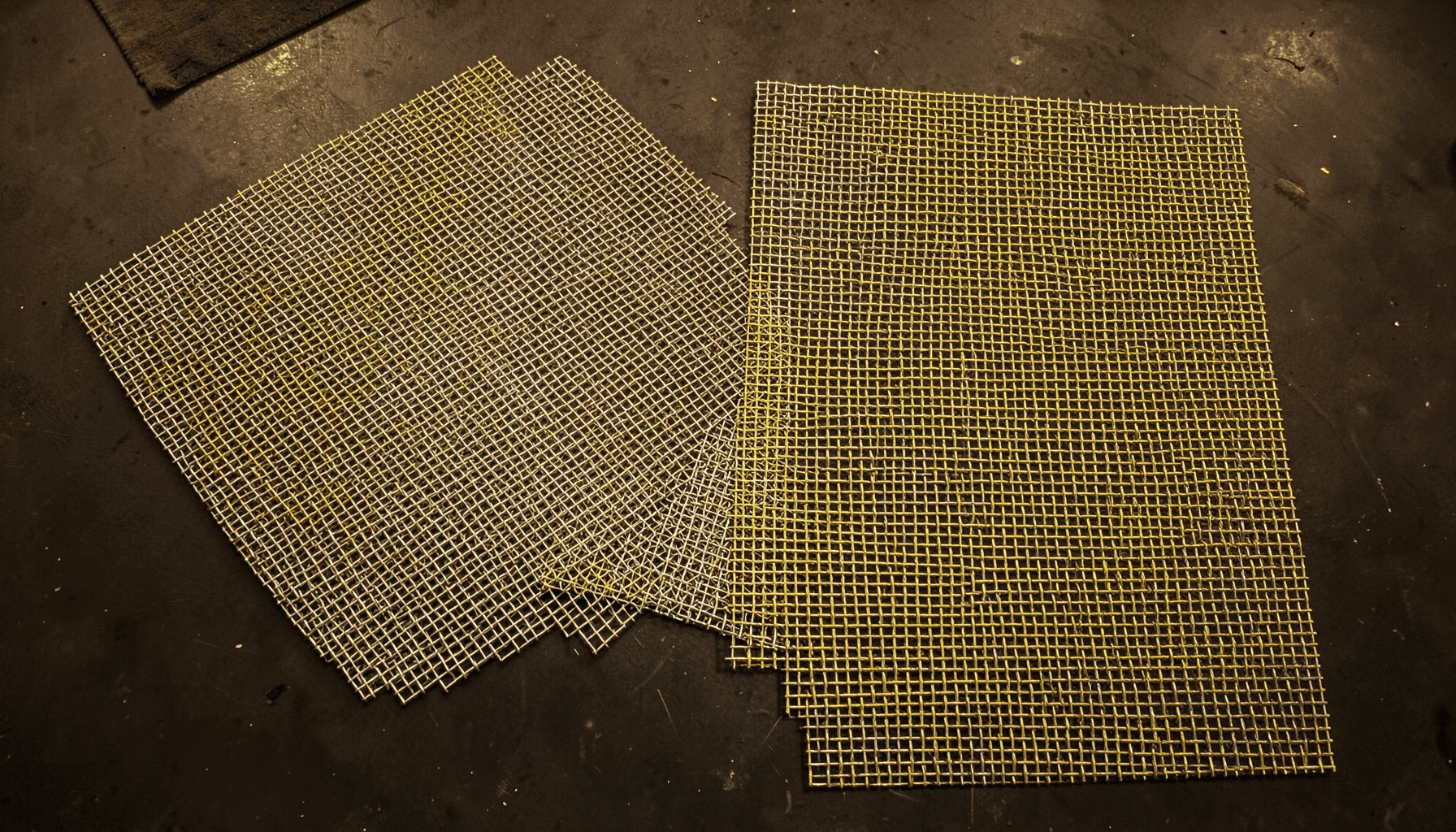
The appearance can range from fine woven wire cloth to expanded metal, perforated sheet, crimped mesh, and custom architectural patterns. A tight weave creates a refined, nearly continuous texture, while larger openings produce a stronger industrial effect. Decorative metal panels can therefore fit modern bistros, luxury hotel kitchens, food halls, breweries, and casual restaurant interiors.
Selecting Materials, Patterns, And Finishes
Stainless steel is often the first choice for a busy food-service environment because it offers strong corrosion resistance, dependable durability, and a clean professional appearance. Grades such as 304 are widely used for general indoor applications, while 316 stainless steel may be preferred where exposure to salts, aggressive cleaners, or humid conditions is higher. Brushed, satin, polished, and bead-blasted finishes each create a different reflection level.
Aluminum provides a lightweight option for wall cladding and decorative screens. It is easy to handle during installation and can receive anodized, powder-coated, or painted finishes in a broad color range. Aluminum mesh works well when designers want a colored backsplash, a muted metallic tone, or a coordinated surface that matches the restaurant’s visual identity.
Copper and brass-toned finishes bring warmth to hospitality spaces. They can complement timber, stone, leather, and warm lighting, although the selected finish should be evaluated for tarnishing, cleaning procedures, and long-term color changes. Iron and carbon steel can deliver a bold industrial appearance when properly powder-coated or protected against corrosion.
Pattern selection should follow the kitchen’s cleaning and operational needs. Fine openings collect less visible debris than deep, irregular profiles, while smooth surfaces are generally easier to wipe. Custom laser-cut screens can feature geometric motifs, brand-inspired shapes, or repeating patterns, but the design should avoid narrow recesses that trap grease and food residue.
Balancing Hygiene, Safety, And Visual Appeal
A decorative backsplash should never obstruct cleaning access or create hidden areas where contaminants can accumulate. Panels need to be installed with suitable edge details, sealed joints, and a logical relationship to worktops, sinks, cooking equipment, and service counters. Removable sections can be valuable behind appliances that require maintenance or replacement.
The mesh itself is only one part of the hygiene solution. Surface treatment, frame construction, fasteners, and the wall substrate all affect performance. Smooth stainless steel frames, concealed fixings, and properly finished cut edges create a more sanitary assembly than rough supports or exposed gaps.
Heat exposure also requires attention. A metal mesh backsplash installed behind a grill, range, fryer, or pizza oven should be selected according to the equipment manufacturer’s clearance requirements. Decorative panels can be used with heat-resistant backing materials where needed, but they should never replace a tested fire-rated or heat-protection assembly.
Lighting can enhance the mesh without compromising function. Linear LED strips placed above or below the panel can emphasize woven texture, while backlighting a laser-cut screen can create a branded focal point. In open kitchens, the backsplash should look attractive from the dining area while remaining easy for staff to maintain during demanding service periods.
Comparing Common Backsplash Mesh Options
The best option depends on cleaning frequency, heat exposure, desired visual character, and the level of customization required. The following comparison provides a practical starting point for restaurant design teams.
| Mesh Option | Visual Character | Main Advantages | Points To Check | Suitable Applications |
|---|---|---|---|---|
| Stainless steel woven mesh | Refined, technical, textured | Corrosion resistance, durable construction, professional appearance | Opening size, edge finishing, cleaning access | Open kitchens, hotel kitchens, preparation zones |
| Expanded metal | Strong, geometric, industrial | Lightweight, rigid, economical, good airflow | Sharp cut edges, grease collection in deep profiles | Cafés, bars, food halls, service counters |
| Perforated metal sheet | Ordered, modern, semi-solid | Easy to customize, stable flat surface, strong branding potential | Hole pattern, ventilation needs, panel weight | Contemporary restaurants, wall cladding, equipment surrounds |
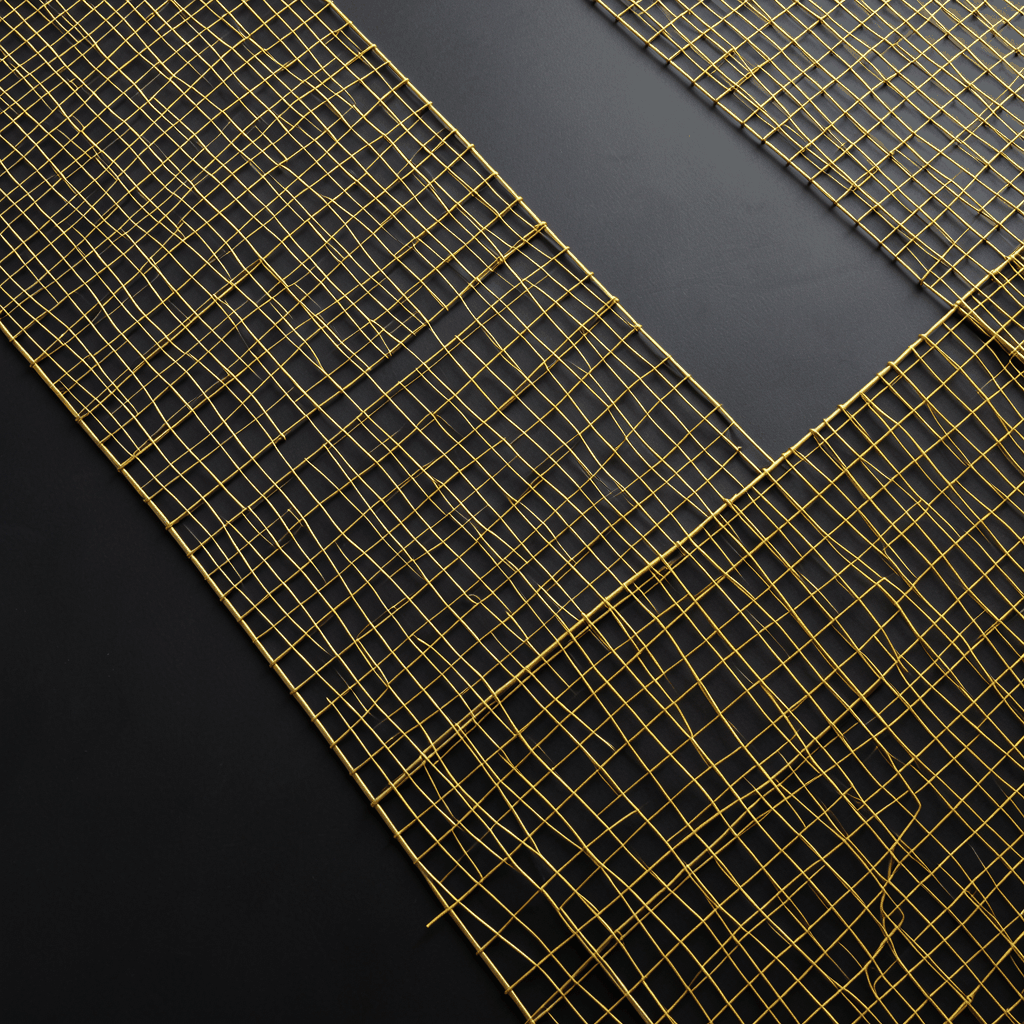
| Laser-cut screen | Artistic, branded, highly customized | Bespoke patterns, visual separation, dramatic lighting effects | Cleaning recesses, heat clearance, fabrication cost | Feature backsplashes, chef counters, hospitality showpieces |
| Aluminum mesh | Light, adaptable, color-ready | Easy handling, powder-coating options, reduced structural load | Finish durability, chemical exposure, impact resistance | Color-themed interiors, lightweight partitions, renovation projects |
| Copper or brass-finish mesh | Warm, premium, decorative | Adds richness and contrast to hospitality interiors | Patina, cleaning products, surface protection | Upscale dining rooms, visible pass-through counters |
This comparison should be considered alongside local health regulations, equipment specifications, and the restaurant’s maintenance program. A visually attractive material may require more careful cleaning or periodic refinishing than a standard stainless steel surface.
Planning Fabrication And Installation
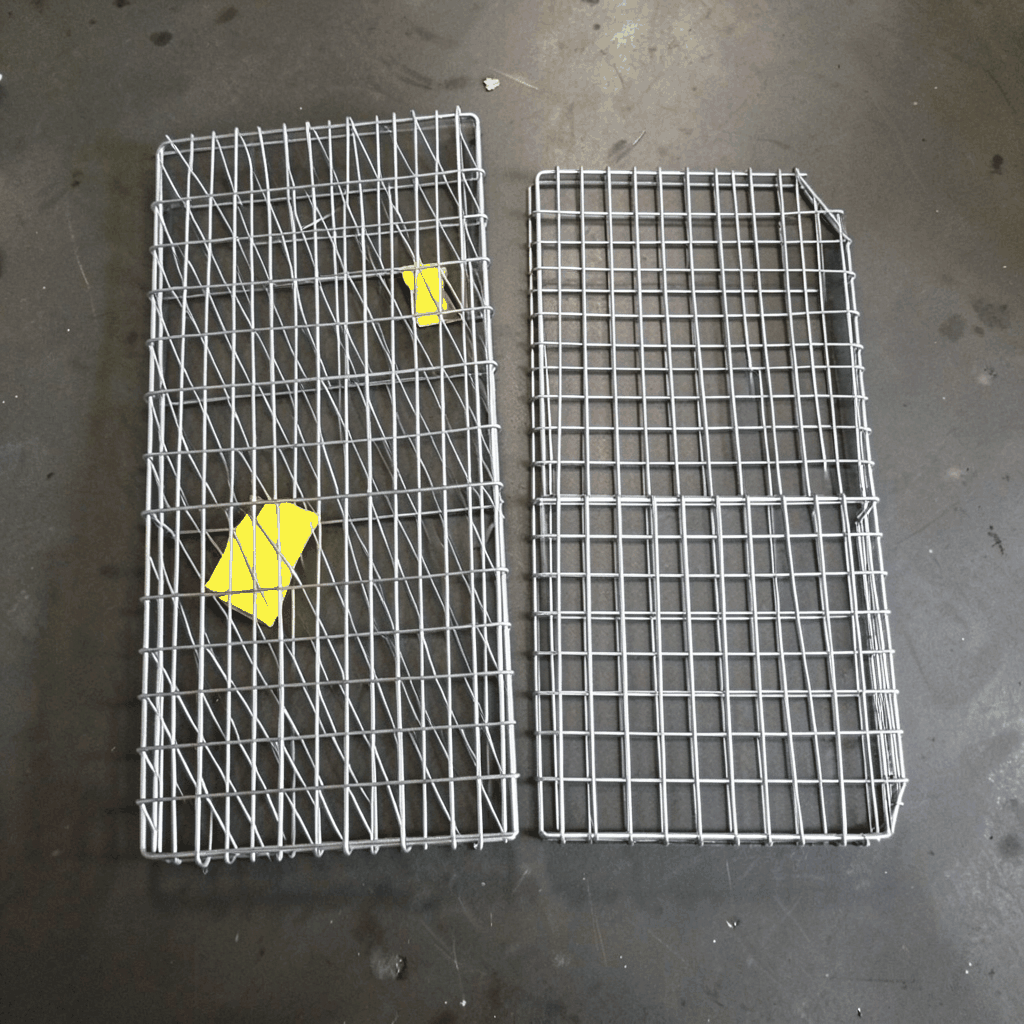
Accurate site measurements are essential before a backsplash is fabricated. Designers and contractors should document wall dimensions, corners, outlet positions, pipe penetrations, shelf brackets, hood edges, and equipment clearances. Dividing a large installation into manageable panels can simplify transport, replacement, and future access.
Panel orientation also affects the finished appearance. Woven mesh may have a visible direction, while expanded metal and laser-cut screens can look different when rotated. A consistent layout helps maintain visual rhythm across corners and adjoining walls. Mock-ups or finish samples are useful when the mesh is placed close to reflective stone, glossy tile, or metallic equipment.
Mounting methods include framed panels, stand-off clips, concealed brackets, direct fixing, and custom edge trims. Stand-off installations can create shadow lines and allow services to run behind the mesh, but the cavity must remain accessible and cleanable. Direct-mounted panels create a flatter profile and may be preferable in areas with intense grease and moisture exposure.
Shuo Ke Wire Mesh Product Technology Co., Ltd. can support projects requiring custom dimensions, material selection, mesh processing, decorative screens, wall cladding, and related architectural metalwork. Working with a manufacturer during the design stage helps align the pattern, finish, panel size, and fixing details with the actual conditions of the restaurant site.
Recommendations For A Reliable Kitchen Backsplash
A successful installation begins with a design that treats appearance, sanitation, and serviceability as connected requirements. Restaurant owners, architects, kitchen consultants, and contractors can use the following principles when developing a specification:
- Choose stainless steel or another corrosion-resistant material for areas exposed to frequent moisture, steam, salt, and cleaning chemicals.
- Match the mesh opening and profile to the cleaning routine, avoiding deep recesses behind fryers, grills, and food preparation stations.
- Use heat-resistant backing or approved protective assemblies where the backsplash is near high-temperature cooking equipment.
- Request physical samples to compare reflectivity, color, texture, edge quality, and compatibility with surrounding finishes.
- Divide large panels into accessible sections and coordinate joints, outlets, shelving, and equipment clearances before fabrication.
- Confirm surface-care instructions with the manufacturer so cleaning products do not damage coatings, patinas, or polished finishes.
Custom decorative wire mesh backsplashes can be especially effective in open kitchens, where the wall surface is visible to guests throughout the dining experience. In these settings, the mesh should support the restaurant’s identity without competing with food presentation, lighting, or staff movement. A restrained pattern may suit a premium dining room, while a bold expanded-metal or laser-cut design can strengthen an industrial concept.
Creating A Distinctive Commercial Kitchen Interior
A backsplash has a functional role, yet it can become one of the most memorable visual surfaces in a restaurant. Woven stainless steel behind a chef counter can create a precise contemporary backdrop. Bronze-toned mesh can warm a hotel breakfast kitchen, while a custom laser-cut panel can carry a subtle logo pattern through a branded hospitality space.
The material can also connect different zones within a project. Matching mesh may appear on a kitchen backsplash, host stand, elevator cladding, bar front, partition, or ceiling detail. This repeated language makes the interior feel coordinated without requiring every surface to use the same material.
For larger projects, a manufacturer with experience in architectural and industrial mesh can help coordinate decorative panels with fences, screens, guardrails, filters, baskets, and other fabricated products. This broader capability may simplify sourcing when a restaurant development includes multiple metal components with shared finishes or dimensional requirements.
A well-designed metal mesh backsplash protects the wall, supports efficient maintenance, and adds architectural value to the working kitchen. Share your drawings, dimensions, preferred material, and finish requirements with Shuo Ke Wire Mesh Product Technology Co., Ltd. to develop a customized solution for your restaurant, hotel, café, or commercial food-service project.