Designing Mesh Curtains For Outdoor Event Venue Sheer Walls
Outdoor venues need boundaries that define a space without making it feel enclosed. A mesh curtain sheer wall can create that balance, screening service areas, framing a stage, dividing hospitality zones, or softening the appearance of temporary structures while allowing light and airflow to pass through.
For Australian event operators, the design must respond to intense sunlight, sudden wind, coastal conditions, public safety requirements, and the practical rhythm of pack-in and pack-out. A successful installation should look refined in photographs, operate smoothly during the event, and remain reliable after repeated use.
Start With The Venue And Event Brief
The best mesh curtain design begins with the purpose of the wall. A curtain used behind a wedding ceremony may need a softer metallic finish and a high level of visual transparency. A barrier beside a food and beverage area may require tighter mesh, extra privacy, and a surface that is easy to clean. A concert perimeter generally needs stronger framing, controlled access points, and resistance to movement under wind loads.
Consider the viewing direction from every important position. Guests may see the screen from a main entry, a VIP deck, a dance floor, or an adjacent footpath. A sheer wall that appears elegant from the front can look untidy from the service side if cables, posts, weights, or back-of-house equipment are exposed. Draw both elevations before selecting the mesh opening and finish.
The operating schedule matters as well. Some venues install a wall for a single weekend, while others use the same system across a summer program. A reusable curtain should be labelled by panel, rolled or folded without kinking, and supplied with hardware that event crews can understand quickly during a busy bump-in.
Select Mesh For Light, Privacy And Airflow
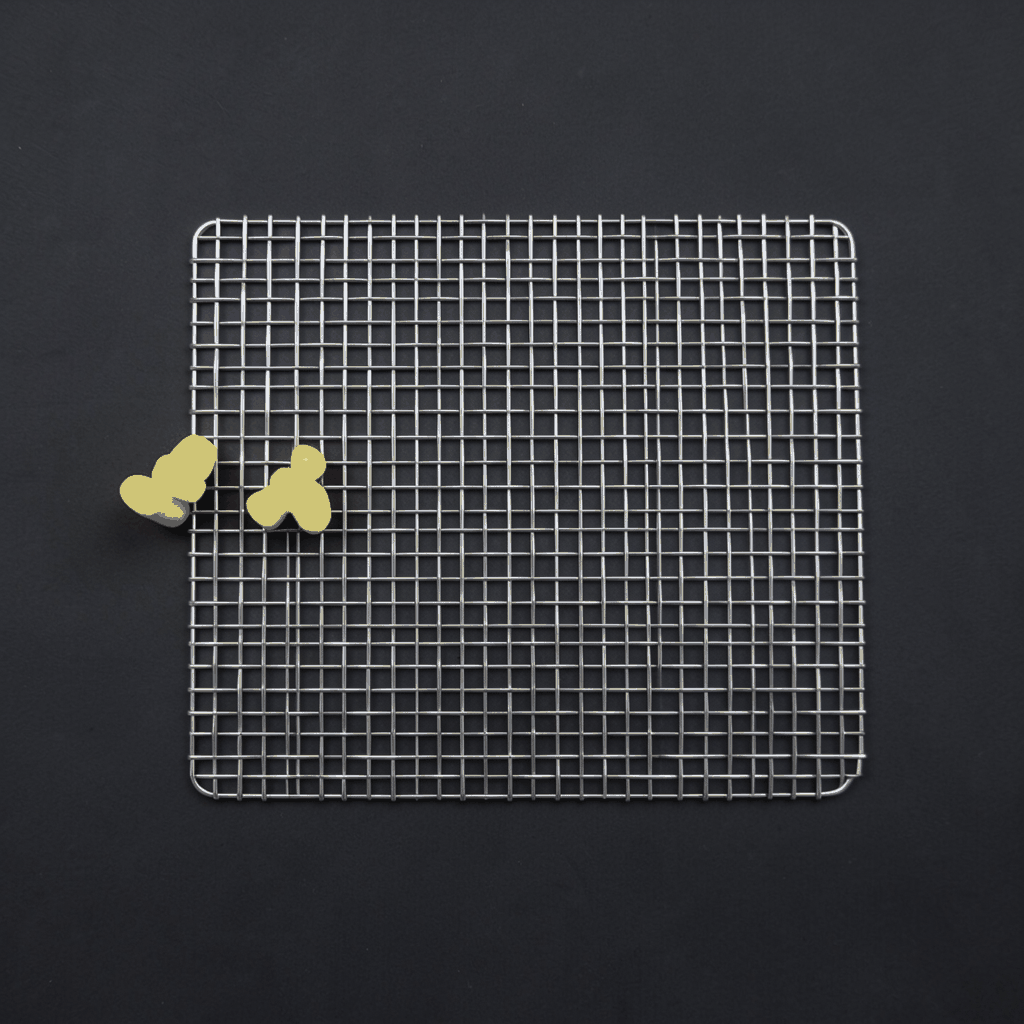
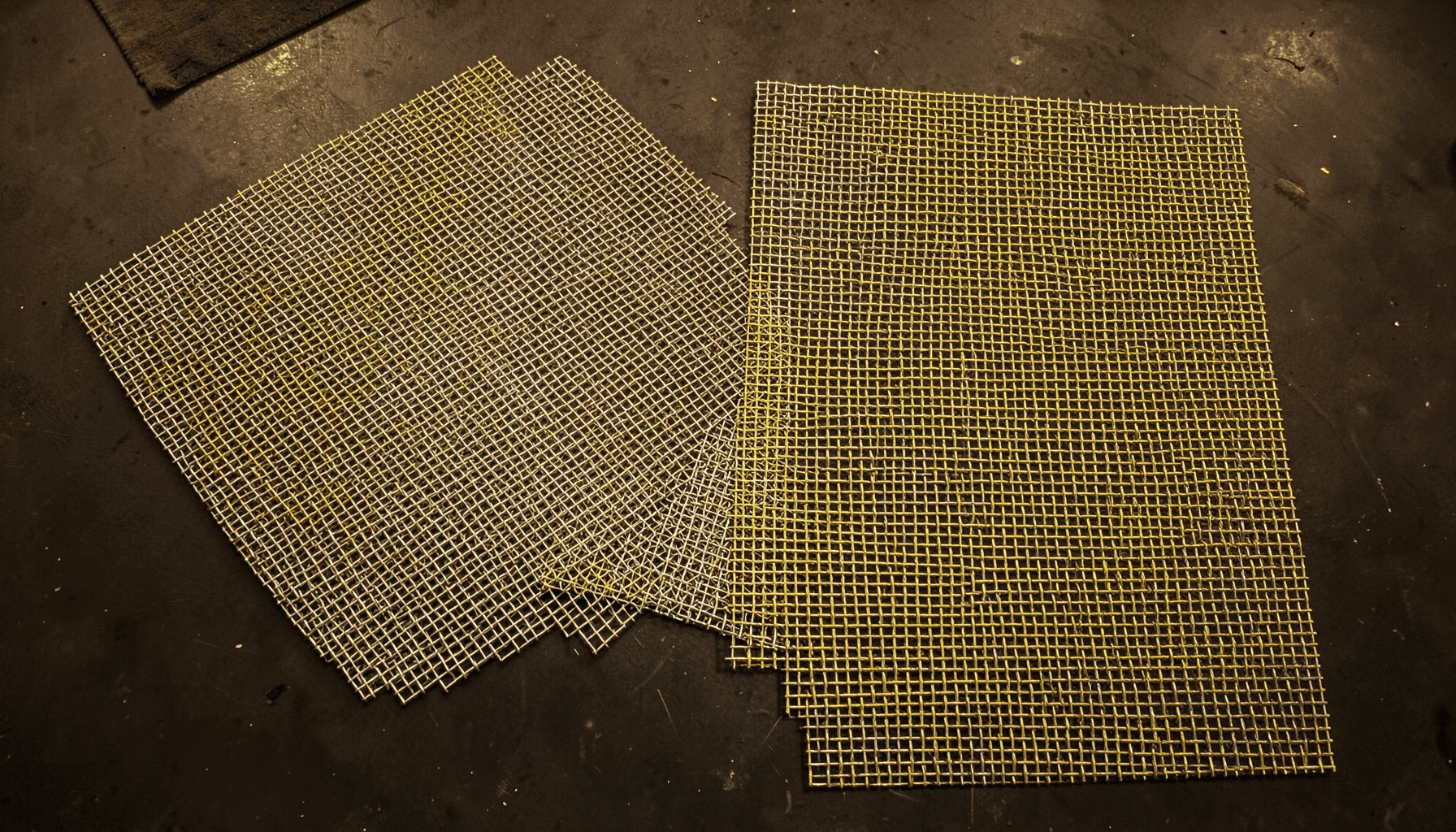
Metal mesh offers a wide range of visual effects. Fine stainless steel woven mesh can provide a more continuous veil, while chain-style decorative mesh creates movement and a stronger pattern. Expanded metal and laser-cut panels give a firmer architectural appearance, although they usually provide less flexibility than hanging curtains. Aluminium is useful where low weight is important, while stainless steel is often preferred for demanding outdoor exposure.
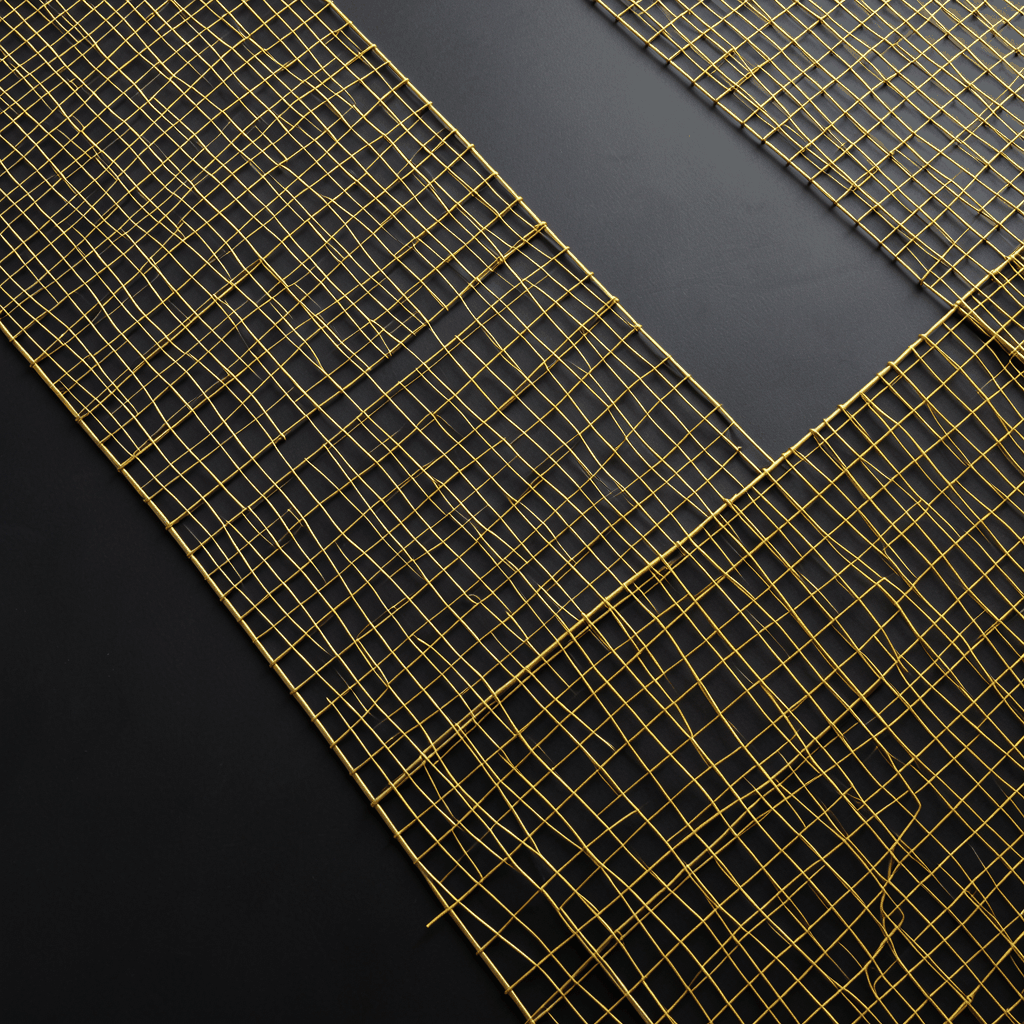
Transparency changes throughout the day. In bright sun, a polished or reflective surface can appear almost solid from certain angles, then become highly transparent after dark when the lit side is behind the viewer. A satin or brushed finish generally produces a calmer appearance and reduces harsh glare in event photography. Copper and coloured finishes can support a particular brand palette, but their ageing behaviour should be reviewed before specifying them for long-term outdoor use.
Wind performance must be considered early. An open mesh reduces sail area compared with a solid sheet, but it does not eliminate wind load. A large wall can still catch gusts, especially when its lower edge is close to the ground or when several panels overlap. For projects requiring tailored material selection, dimensions, and finishing, an experienced metal mesh manufacturer can help match the curtain construction to the intended use.
Build A Stable And Serviceable Support System
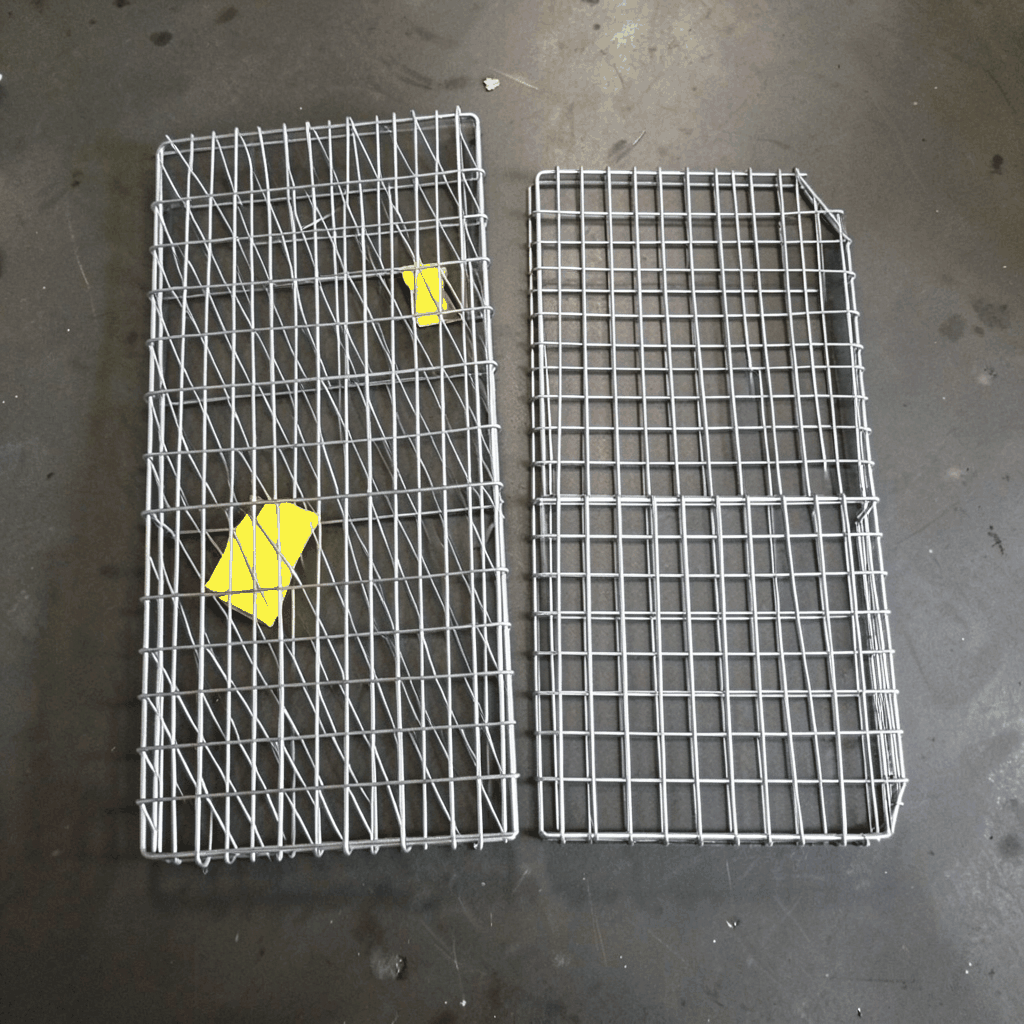
The curtain is only one part of the sheer wall. A strong design coordinates the top track or tension cable, vertical posts, base plates, ballast, panel connections, and access openings. Lightweight temporary frames may suit an indoor marquee, while an exposed waterfront site may need engineered posts and substantial anchoring. The support system should be assessed as a complete assembly rather than treating the mesh as a decorative afterthought.
Suspended curtains need enough clearance to move without dragging across uneven paving. The bottom can be left free for a fluid drape, weighted with a discreet chain, or guided with a lower track where alignment is important. A weighted hem can reduce flutter, but it also increases the load on the frame and may create a trip hazard if it projects into a public circulation route.
Choose hardware that can tolerate frequent handling. Stainless steel hooks, rings, clips, and cables are appropriate for many outdoor applications, but galvanic corrosion can occur when dissimilar metals are exposed to moisture. Near Sydney Harbour, Perth beaches, or other salt-laden environments, specify compatible finishes and plan regular freshwater rinsing. All sharp edges, cut wire ends, and accessible fixings should be protected or positioned away from guests.
Design For Australian Weather And Compliance
Australia’s conditions vary dramatically between regions. A rooftop function in Melbourne may face cold rain and sudden southerly changes, while a Brisbane event may contend with humidity, heavy downpours, and mould-prone surroundings. In Darwin, heat and intense ultraviolet exposure can affect adjacent plastics, coatings, and seals. Coastal locations from the Gold Coast to Fremantle add salt to the maintenance equation.
Temporary walls should be reviewed against the site’s wind exposure, ground condition, expected crowd pressure, and duration of installation. The project team may need a qualified engineer to confirm frame stability, ballast, anchoring, and connection details, particularly for tall screens or installations near public access. Wind actions and temporary structures should be addressed with reference to applicable Australian requirements and the venue’s own risk controls.
Fire safety, emergency access, and crowd movement cannot be separated from the visual design. A curtain should not obstruct exit paths, emergency equipment, accessible routes, or the sightlines needed by venue staff. Check the required fire performance of the mesh, backing materials, drapes, and any decorative treatment with the relevant certifier or authority. Council and venue approvals may also apply, especially for public land, footpaths, waterfront precincts, or structures visible from neighbouring properties.
For Australian events, “weatherproof” should mean more than simply surviving a light shower. Specify drainage around base plates, corrosion-resistant fasteners, safe electrical separation, and a pack-down plan for wet materials. A curtain stored damp after an arvo storm can develop staining or odour even when the metal itself remains sound.
Coordinate Appearance With Brand And Guest Experience
A sheer wall can serve as a quiet architectural backdrop or become a recognisable feature of the event identity. Mesh panels can carry a repeating geometric pattern, logo-inspired perforation, or a layered combination of opaque and open sections. Laser-cut screens are useful when a venue wants a strong motif at entrances or photo points, while flexible woven curtains work better where the wall needs to fold, stack, or curve.
Scale is important. A small mesh opening viewed across a long wall can read as a flat grey surface, whereas a larger pattern can create moiré effects when photographed or filmed. Test a full-size sample in the actual light before approving production. View it from three to five metres away, from the stage or focal point, and from the opposite side where staff and contractors will work.
Colour temperature also affects the result. Warm lighting against a bronze or copper-toned mesh can create an intimate evening atmosphere, while cool white light may emphasise the industrial character of stainless steel. In Sydney or Melbourne venues where event photography and social media content are central to marketing, a sample shoot can reveal glare, unwanted reflections, and shadows that are not obvious during a daytime inspection.
Keep circulation intuitive. A decorative wall should guide people towards an entry rather than create a dead end. Use contrasting trims or subtle signage at openings, maintain clear widths for wheelchairs and equipment, and ensure the curtain can be tied back securely when guests are moving between zones. The most attractive installation is one that feels effortless to navigate.
Plan Installation, Maintenance And Reuse
A modular system usually offers the best value for event venues. Standard panel widths can be combined with custom corner sections, gates, and shorter pieces for stairs or sloping ground. Numbered panels, colour-coded hardware bags, and a simple assembly drawing reduce setup time for contractors who may be working overnight before a festival opens.
Before installation, inspect the mesh for bent links, broken wires, coating damage, and contamination from previous events. Check the frame for loose welds, distorted tracks, damaged feet, and missing safety pins. After installation, operate every opening several times and verify that the curtain cannot detach under normal handling. A supervisor should inspect the wall after strong weather or any significant crowd contact.
Maintenance is generally straightforward when it is scheduled rather than postponed. Remove dust and food residue with mild detergent and clean water, then dry the mesh before storage. Avoid abrasive pads that can scratch decorative finishes. For coastal sites, rinse salt deposits promptly. Store curtains off the ground in a dry, ventilated area, with protective separators between finished panels.
A reusable curtain can support a lower-impact event strategy by replacing disposable printed backdrops and single-use screening materials. Repairable panels, replaceable hooks, and recyclable metal components extend service life. Record the panel dimensions, material grade, finish, and care instructions so future event teams can reorder compatible parts instead of replacing a complete wall.
Practical Specifications For A Reliable Sheer Wall
Use the following checks when developing a design brief for a venue, event producer, architect, or temporary-structure contractor:
- Define the wall’s purpose, viewing distances, privacy level, panel height, required transparency, and whether the system will be used indoors, outdoors, or in both settings.
- Confirm mesh material, wire diameter, opening size, finish, corrosion exposure, expected wind conditions, frame design, ballast, anchoring, and maximum unsupported spans.
- Coordinate gates, emergency routes, accessible paths, service access, lighting, signage, power cables, sprinkler coverage, and any requirements from the venue or local authority.
- Request a full-size sample and inspect it in daylight, under event lighting, from both sides, and through a camera lens before approving the complete quantity.
- Prepare installation drawings, panel labels, storage protection, cleaning instructions, inspection records, and replacement hardware for repeated event use.
A clear specification prevents late substitutions that can change the appearance or compromise stability. It also gives the manufacturer enough information to recommend a suitable metal type, mesh style, edge treatment, hanging method, and finish rather than quoting from dimensions alone.
For a venue in Australia, the right result combines visual lightness with practical strength. A well-engineered mesh curtain can create privacy without blocking breezes, define a hospitality zone without building a heavy wall, and give a temporary venue the polished character of a permanent architectural installation.
Contact Shuo Ke Wire Mesh Product Technology Co., Ltd. with the venue dimensions, site conditions, event schedule, preferred appearance, and support concept. Its team can develop a customised decorative or functional mesh solution for outdoor sheer walls, partitions, screens, gates, and related architectural applications. Start with a material sample and a practical installation brief so the finished wall performs beautifully from the first pack-in through many events to come.