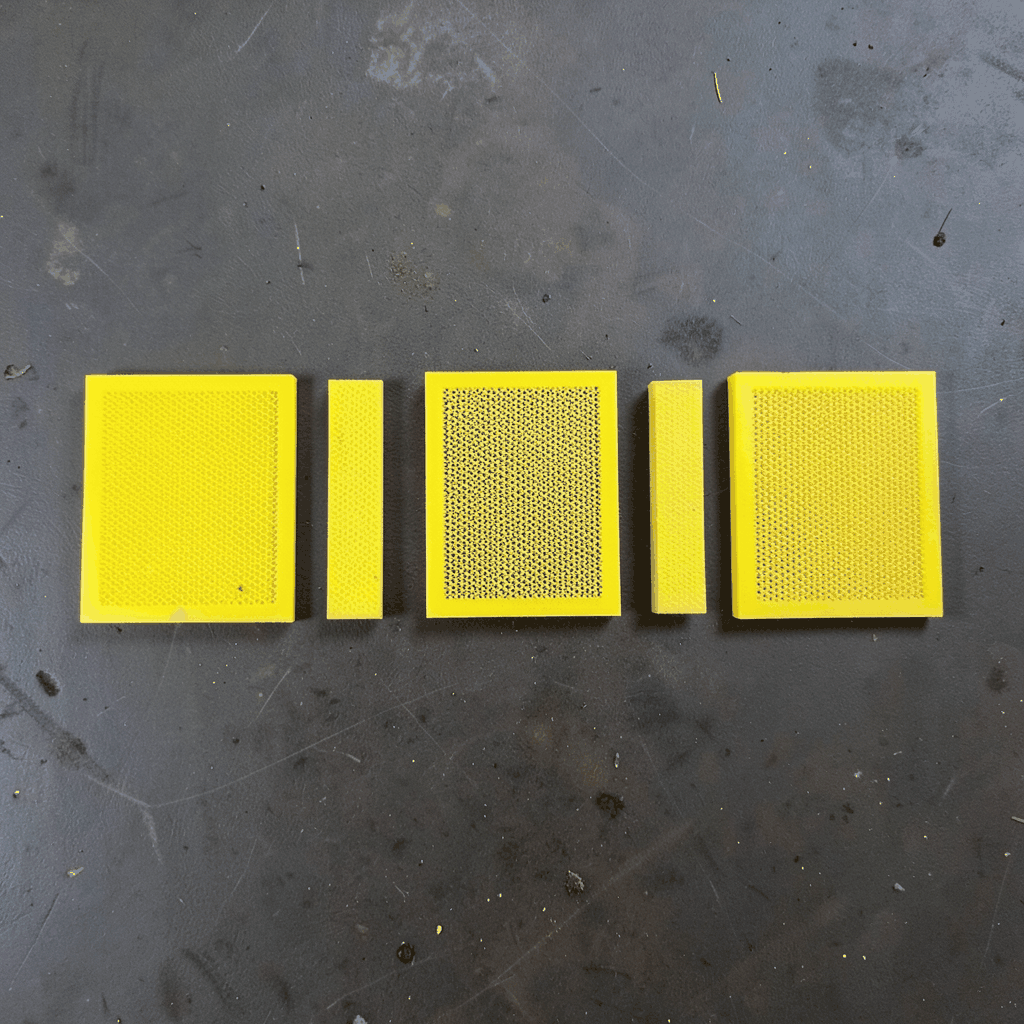
Designing Residential Gate Panels With Decorative Metal Mesh Inserts
A residential gate does more than mark the entrance to a property. It establishes privacy, controls access, supports security, and shapes the first impression of a home. Decorative metal mesh inserts provide a practical way to combine these functions with a refined architectural appearance.
Unlike solid panels, mesh allows designers to control visibility, airflow, daylight, and visual weight. The right pattern can make a compact entrance feel open, give a contemporary home a crisp geometric detail, or add texture to a traditional gate without overwhelming the surrounding landscape.
A successful design begins with the relationship between the gate frame, the mesh infill, the property style, and the local climate. Stainless steel, aluminum, copper, iron, and alloy panels each offer different combinations of strength, weight, finish quality, and maintenance requirements.
Start With The Gate’s Role
Before selecting a pattern, define what the gate must accomplish. A front garden gate may primarily provide a welcoming boundary, while a driveway gate often needs greater impact resistance, controlled sightlines, and compatibility with hinges, locks, or an automated opening system. A side gate may require stronger privacy protection because it faces a neighboring property or service area.
Visibility is one of the most important design variables. Expanded or perforated mesh with larger openings can preserve a view of the garden and make the entrance feel accessible. Fine woven wire mesh or tightly spaced decorative designs can obscure activity behind the gate while retaining air movement. A layered design, using a mesh insert behind a frame or secondary screen, allows privacy to be adjusted without making the panel completely opaque.
Scale also matters. A small repeating pattern may look elegant on a narrow pedestrian gate but become visually busy across a wide driveway panel. Large geometric openings can create a bold feature on a broad gate, though they may need additional framing to prevent vibration. Designers should review the pattern at its actual panel size rather than relying only on a small sample.
Match The Mesh To The Architectural Style
Contemporary residences often suit clean linear patterns, woven wire surfaces, rigid grids, and laser-cut panels with controlled negative space. A black or dark bronze finish can emphasize the silhouette of the design, while brushed stainless steel creates a lighter, more technical effect. For minimalist architecture, a restrained pattern with a narrow border usually looks more intentional than a highly ornate motif.
Traditional homes can use decorative metal inserts with scrollwork, leaf forms, quatrefoils, or repeating lattice details. Copper and bronze-toned finishes work well with brick, stone, timber, and warm-colored stucco. The key is to echo existing details such as balcony rails, window grilles, lanterns, or fence posts so the gate appears integrated into the property rather than added later.
Transitional designs benefit from mesh that combines a classic material with a simplified pattern. A woven metal panel inside a rectangular steel frame can bridge rustic landscaping and modern architecture. When coordinating several exterior elements, reviewing broader railing selection guidance can help maintain consistent opening proportions, finishes, and safety considerations across the property.
Select A Material For The Environment
Stainless steel is a strong choice for exposed residential gates because it resists corrosion and retains a clean appearance with relatively little maintenance. Grades and surface treatments should be selected according to the setting. Coastal properties, areas exposed to road salt, and locations with frequent moisture need careful attention to corrosion resistance, weld quality, and fastener compatibility.
Aluminum reduces the weight of large gate panels and can simplify installation, especially where hinges, posts, or automated operators have limited capacity. It accepts powder coating in a wide range of colors and can be formed into perforated, expanded, or laser-cut designs. Because aluminum is softer than steel, the frame and attachment method should be designed to resist denting and distortion at vulnerable edges.
Iron and mild steel provide a substantial, traditional appearance and can support robust ornamental patterns. They require appropriate priming, powder coating, galvanizing, or another protective system to prevent rust. Copper offers a distinctive natural aging process, shifting from a bright metallic tone toward deeper brown and, in some environments, a green patina. This change should be treated as part of the intended finish rather than an unexpected defect.
The mesh and its surrounding frame should be considered as one system. Dissimilar metals can create galvanic corrosion when moisture is present, particularly around fasteners and cut edges. Insulating washers, compatible coatings, stainless hardware, and sealed interfaces help protect the assembly over time.
Balance Privacy, Light, And Security
Decorative mesh can support privacy without producing the closed, heavy appearance of a solid steel or timber gate. Opening percentage, wire diameter, panel depth, and pattern orientation all affect what can be seen through the insert. A horizontal design may make a narrow gate appear wider, while vertical lines can reinforce the height of a tall entrance.
Security performance depends on more than reducing the opening size. The mesh should be firmly attached to the frame, with protected edges and tamper-resistant fixings where appropriate. A rigid welded panel may be preferable for areas that need greater resistance to impact, while a woven panel can deliver a softer decorative effect when the primary function is boundary definition.
Avoid creating climbable features on gates intended to restrict access for children or pets. Closely spaced horizontal bars, protruding ornaments, and large footholds can affect safety. The gate’s latch height, hinge arrangement, bottom clearance, and relationship to adjacent fencing should be reviewed as part of the full entrance design.
Lighting can further change the performance of a mesh insert. Backlighting may turn a laser-cut pattern into a strong nighttime feature, while downlighting can reveal texture without creating glare toward the street. A matte finish generally produces more controlled reflections than a highly polished surface.
Compare Common Mesh Options
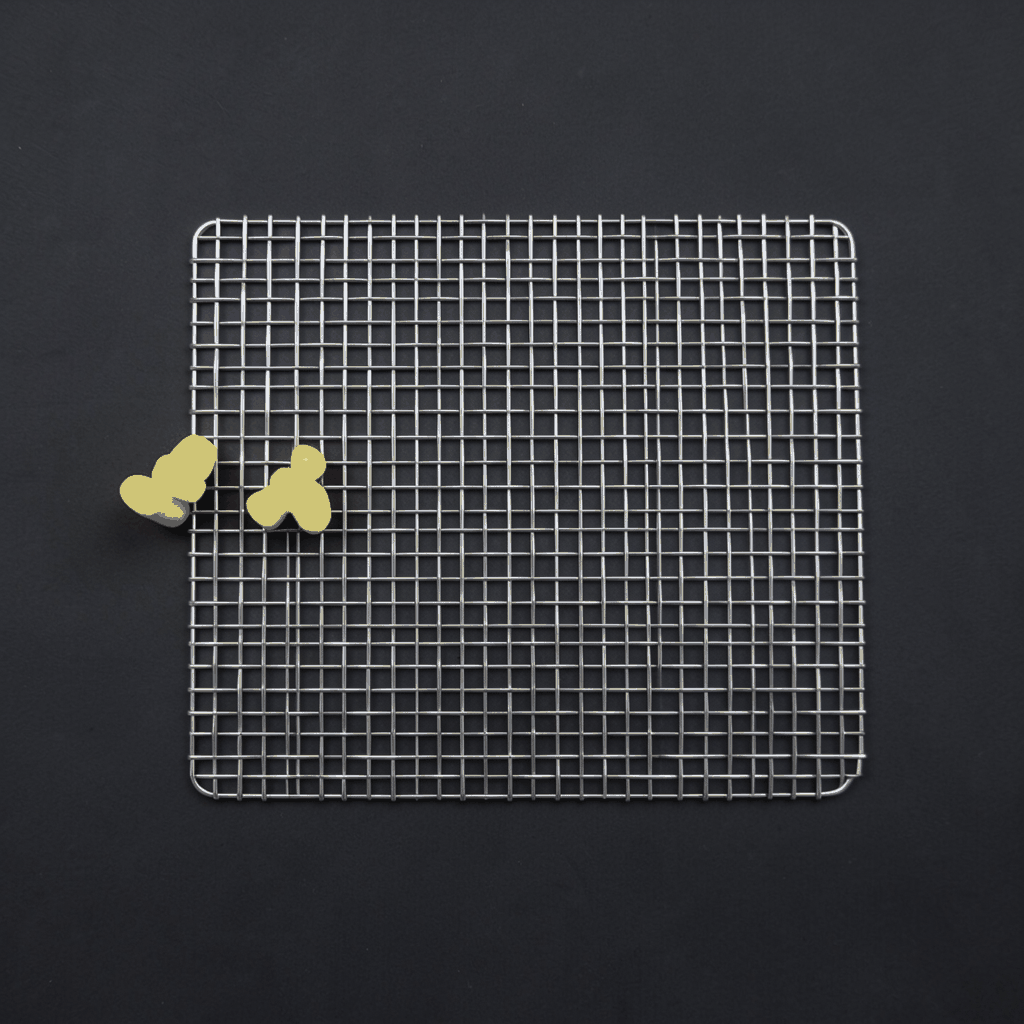
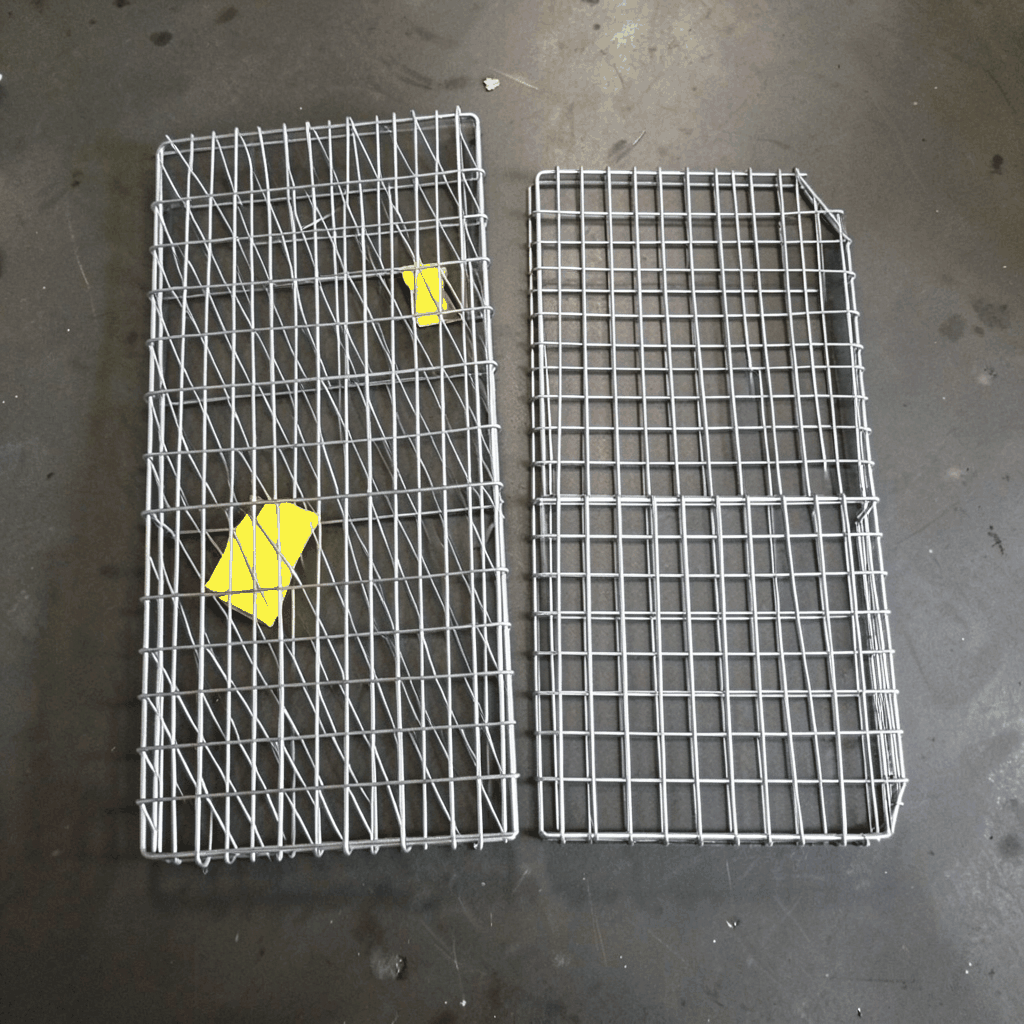
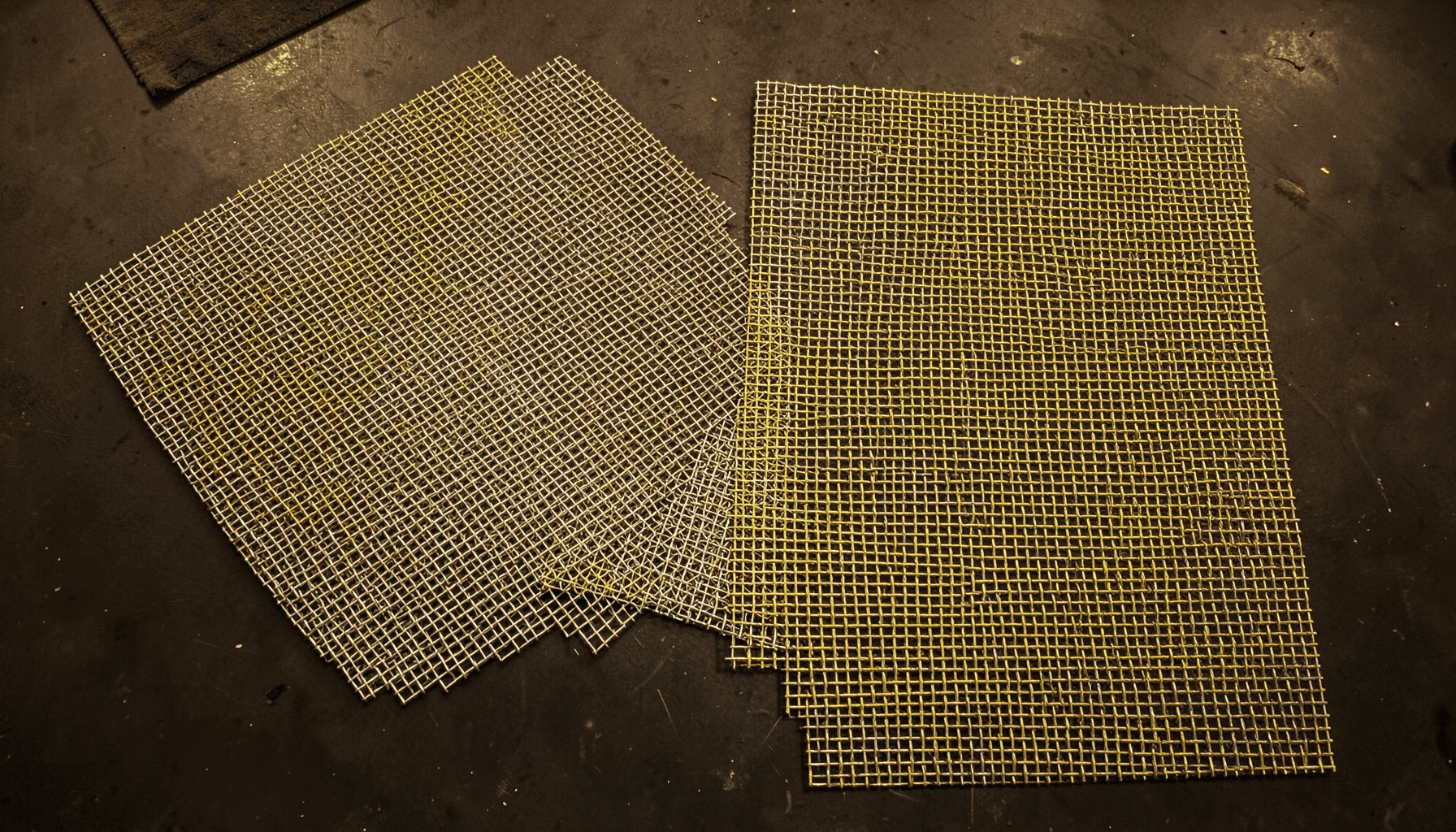
Different manufacturing methods create distinct visual and structural results. Woven wire mesh offers flexibility, fine texture, and a broad range of opening sizes. Welded wire mesh provides a more rigid grid and is useful where panel stability is important. Expanded metal has a continuous structure with diamond-shaped openings, while perforated sheets offer precise round, square, or custom apertures.
Laser-cut screens allow highly customized imagery, lettering, botanical motifs, and geometric compositions. They are especially useful when the gate is intended to act as a signature architectural element. The design should maintain enough solid material around openings to prevent weak points, narrow cut bridges, and distortion during fabrication or finishing.
| Mesh Style | Visual Character | Typical Advantages | Design Considerations |
|---|---|---|---|
| Woven wire mesh | Fine, textured, lightweight | Flexible appearance, controlled privacy, strong airflow | Needs secure edge fixing and careful tension |
| Welded wire mesh | Regular, structured grid | Rigid infill, dependable panel stability | Pattern may appear utilitarian without a decorative frame |
| Expanded metal | Bold diamond or directional pattern | Durable, continuous material, good ventilation | Opening direction influences shadows and visibility |
| Perforated sheet | Clean, precise, modern | Consistent apertures and customizable open area | Solid sheet adds weight and may need reinforced framing |
| Laser-cut screen | Custom artistic or geometric motif | High design freedom and strong visual identity | Narrow cut sections require engineering review |
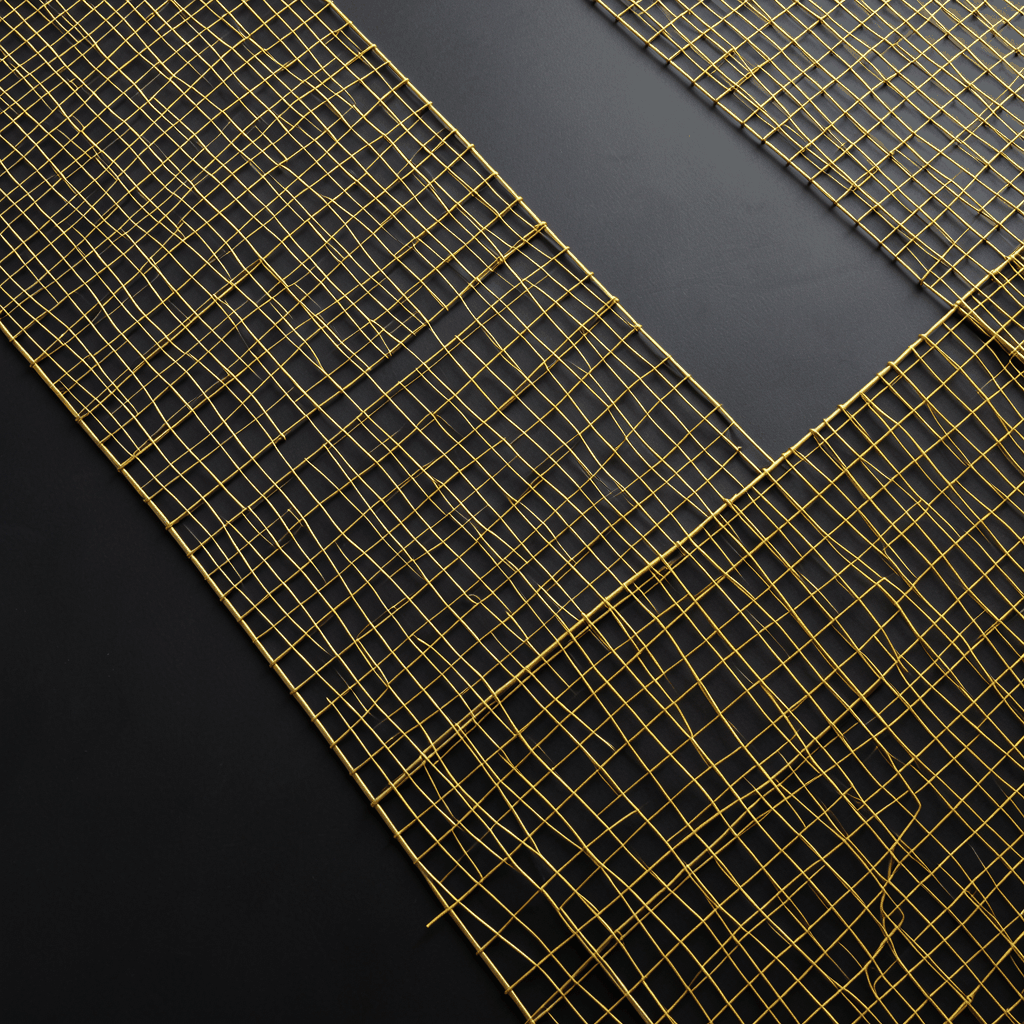
| Decorative woven curtain | Soft, flowing metallic texture | Distinctive appearance and light movement | Better for sheltered or low-impact applications |
The choice should reflect the gate’s width, operating frequency, exposure, and desired maintenance level. A residential entrance that opens dozens of times each day may need a rigid panel and reinforced perimeter, while a fixed garden screen can accommodate a lighter decorative mesh.
Engineer The Frame And Installation
The mesh insert should sit inside a properly proportioned frame rather than carrying loads it was not designed to handle. Steel or aluminum perimeter members can limit flexing, protect the mesh edge, and provide reliable fixing points for hinges and latches. On wide gates, intermediate rails or concealed stiffeners may be necessary to control deflection.
Automated driveway gates require particular care. Added mesh weight changes hinge loads, operator sizing, stopping distances, and wind pressure. A mostly solid design can behave like a sail, while a well-ventilated pattern reduces wind resistance. The gate fabricator, hardware supplier, and mesh manufacturer should coordinate before production so the decorative insert does not interfere with the drive mechanism.
Drainage and cleaning access should be planned from the start. Water trapped in folded edges or between dissimilar materials can accelerate corrosion. Slightly open lower details, sloped frame members, and accessible fasteners make routine washing and inspection easier. For coastal or polluted environments, periodic rinsing can preserve finishes and remove deposits before they become permanent stains.
A sample panel is valuable before approving a full production run. It reveals how the pattern looks at the selected scale, how the finish reflects daylight, and whether the opening provides the expected privacy. It also allows the installer to test fixings, edge treatments, and alignment with the gate frame.
Build A Clear Specification
A useful specification should identify the mesh type, material grade, wire or sheet thickness, opening dimensions, panel size, border treatment, surface finish, and fixing method. It should also state whether the insert is welded, bolted, clipped, or retained within a removable frame. These details reduce ambiguity between the designer, fabricator, installer, and property owner.
Color and finish samples should be evaluated outdoors because sunlight changes the appearance of metallic surfaces. Powder coating offers consistent color and can support textured or low-gloss effects. Brushed, satin, mirror, oxidized, and patinated finishes create different relationships with nearby stone, wood, glass, and planting.
Customization is especially useful for residential gates. A manufacturer and processor experienced in architectural metal mesh can adapt opening ratios, border dimensions, panel shapes, and decorative motifs to suit a specific elevation. Custom fabrication also helps coordinate pedestrian gates, driveway gates, fence panels, balcony screens, and other exterior metalwork.
For a dependable result, select a supplier capable of discussing both design intent and practical engineering. Shuo Ke Wire Mesh Product Technology Co., Ltd. produces customized mesh solutions in stainless steel, aluminum, copper, iron, and other alloys, supporting decorative and industrial applications with fabrication options suited to residential entrances.
Practical Recommendations For A Durable Gate
The following decisions help turn an attractive concept into a gate panel that performs reliably:
- Choose the opening percentage according to privacy, airflow, daylight, and visibility requirements.
- Match the mesh material and protective finish to humidity, salt exposure, pollution, and cleaning conditions.
- Reinforce wide or automated gates with a frame designed for the final panel weight and wind load.
- Use compatible fasteners and isolate dissimilar metals at joints, edges, and drainage points.
- Approve a full-size sample before production to verify pattern scale, finish, transparency, and installation details.
A coordinated specification also prevents common visual problems, such as a mesh pattern that disappears at a distance, a frame that overwhelms the insert, or a finish that clashes with other exterior hardware. Reviewing the gate in daylight and under nighttime lighting gives a more accurate sense of its completed character.
Decorative metal mesh gives residential entrances a flexible design language. It can appear refined and nearly transparent, bold and graphic, traditional and ornamental, or understated and architectural. With the correct material, pattern, frame, and protective treatment, a gate panel becomes a long-lasting part of the home’s exterior rather than a short-term decorative feature.
Share your gate dimensions, preferred material, architectural style, privacy requirements, and finish expectations with Shuo Ke Wire Mesh Product Technology Co., Ltd. Its customized metal mesh capabilities can help develop a residential gate insert that combines visual detail, structural practicality, and dependable outdoor performance.