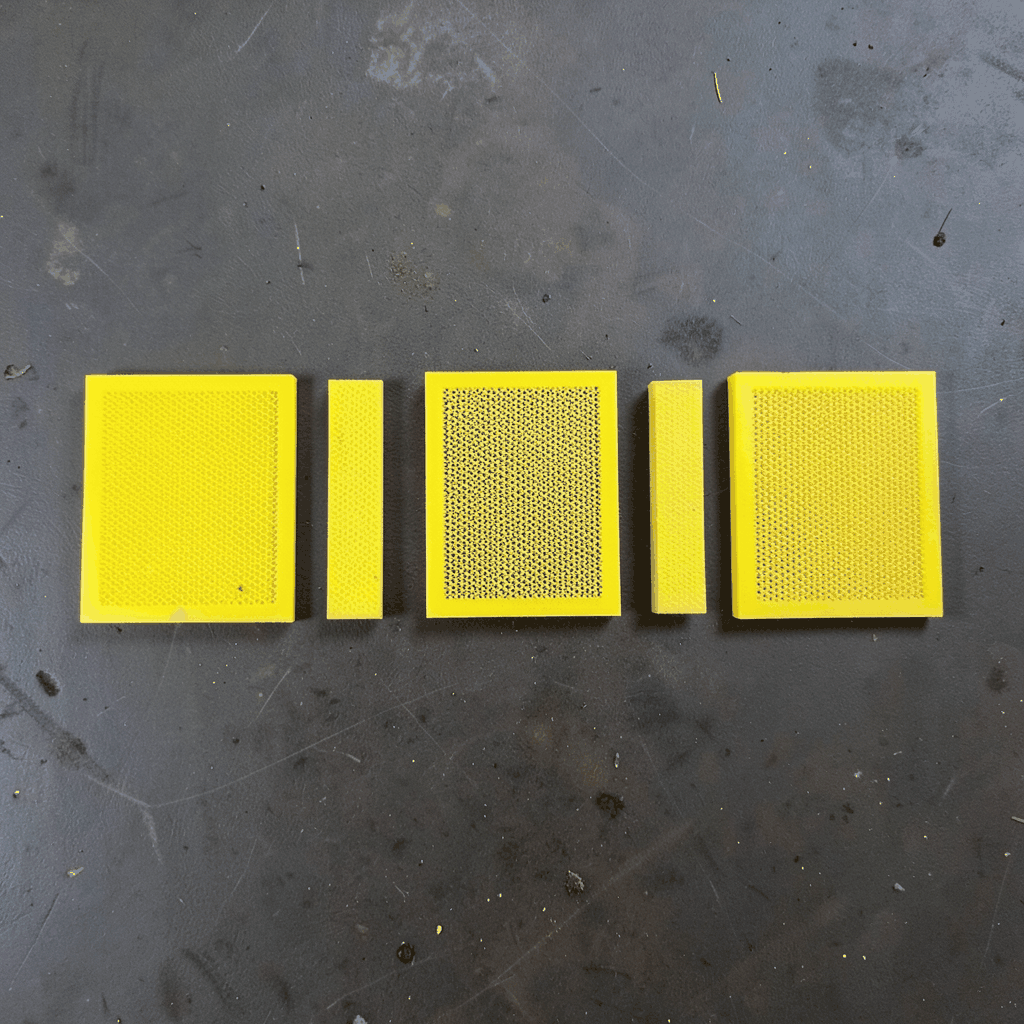
Copper Mesh Countertops for Commercial Kitchens
Commercial kitchens need work surfaces that withstand heat, moisture, frequent cleaning, and constant handling without losing their visual quality. Copper mesh can meet these demands when it is fabricated as part of a properly engineered countertop system rather than used as an unsupported decorative layer. Its warm metallic color gives food preparation areas, service counters, bars, and display stations a distinctive architectural finish.
A copper mesh countertop may combine woven or expanded copper mesh with a rigid stainless steel, aluminum, stone, compact laminate, or composite substrate. This layered construction allows the mesh to contribute texture and appearance while the supporting core provides stability, impact resistance, and a smooth working plane. The result is a surface that can be customized for demanding hospitality environments.
Successful fabrication depends on more than selecting a copper pattern. Mesh opening, wire thickness, edge treatment, joining method, surface finish, sanitation requirements, and local food-service regulations all influence the final design. Working with an experienced metal mesh manufacturer helps align decorative goals with practical engineering from the beginning.
Why Copper Mesh Suits Commercial Food Spaces
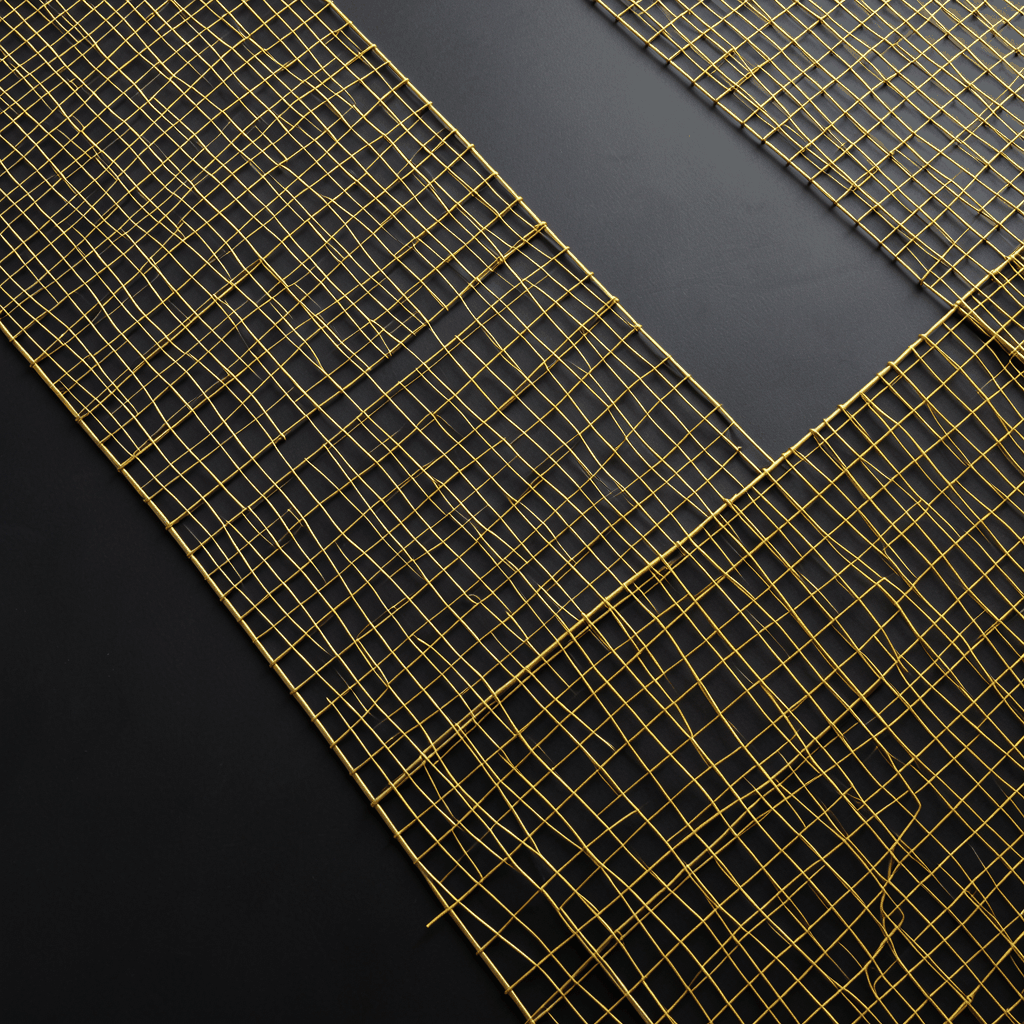
Copper is valued for its natural color, thermal conductivity, and distinctive aging process. Freshly finished copper has a bright reddish-gold appearance, while exposed surfaces gradually develop darker tones and, under certain conditions, a green or brown patina. This changing character can complement restaurants that use brick, timber, stone, brass, or industrial-style metalwork.
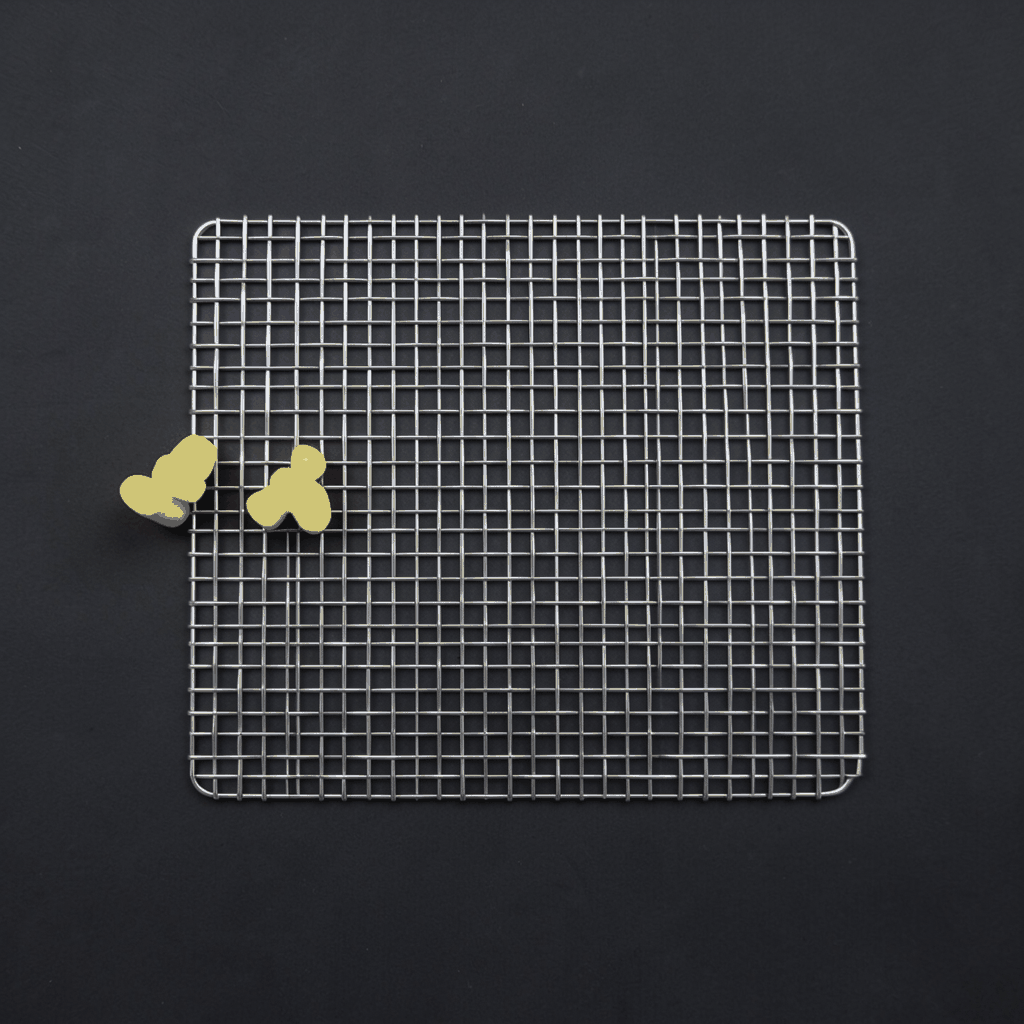
The mesh format adds depth and airflow that a solid copper sheet cannot provide. Woven wire creates a textile-like surface, while expanded copper mesh produces a more geometric pattern. Perforated or architectural mesh can also be integrated into counter fronts, service ledges, cabinet panels, and decorative partitions, allowing the countertop treatment to continue across the wider interior.
Copper should be selected carefully for areas that come into direct contact with food. In many installations, it is used as an exterior finish, front fascia, raised bar surface, or protected decorative insert rather than as the primary cutting surface. A separate food-safe worktop made from stainless steel, engineered stone, or another approved material can handle direct preparation while copper mesh supplies the visual identity.
Choosing Mesh, Substrate, And Finish
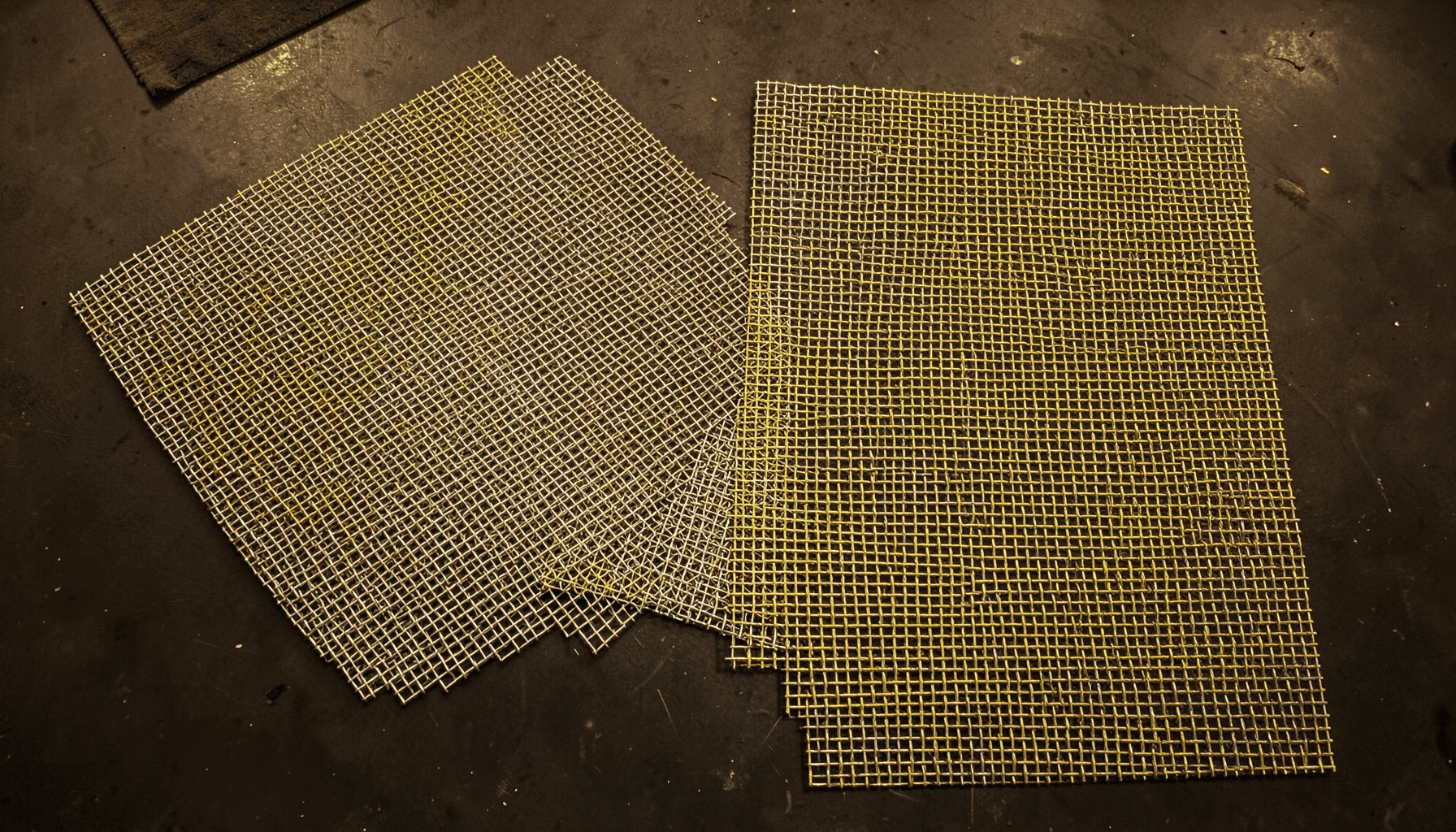
The first decision is the type of copper mesh. Plain woven wire mesh offers a regular, refined pattern and can be produced with different wire diameters and aperture sizes. A tighter weave gives a denser appearance and better resistance to snagging, while a wider opening creates a lighter, more open visual effect. Expanded mesh is useful when a stronger geometric pattern and greater panel rigidity are required.
Substrate selection determines how the countertop performs under weight, vibration, and repeated cleaning. Stainless steel is suitable for hygienic food-service zones and can provide a strong internal frame. Aluminum reduces weight, while stone and compact panels offer dimensional stability and a solid upper surface. For a decorative copper insert, the mesh may be stretched over a recessed panel and mechanically secured beneath a sealed perimeter.
Finish requirements should be established before fabrication. Brushed, polished, antique, oxidized, or clear-coated copper each produces a different appearance and maintenance profile. A protective coating can slow oxidation, but it must be compatible with the intended cleaning chemicals and expected abrasion. If a naturally developing patina is part of the design, the owner should understand that color variation will occur over time.
Dimensions should account for corners, sink cutouts, equipment openings, backsplash transitions, and service pass-throughs. Accurate shop drawings reduce visible joints and prevent the mesh from interfering with appliances or removable access panels. For larger projects, coordinated fabrication of counters, wall cladding, screens, and partitions creates a consistent metal language throughout the kitchen.
Fabrication Process For Durable Countertops
Fabrication begins with a detailed specification covering alloy, mesh style, wire diameter, opening size, panel dimensions, tolerances, finish, and installation method. Copper alloys may be selected according to appearance, formability, and project requirements. The manufacturer can then prepare samples so the client can review color, reflectivity, pattern density, and edge behavior under actual lighting.
The mesh is cut using suitable shearing, laser, or forming equipment, depending on its construction and thickness. Precision cutting is particularly important around outlets, corners, sink openings, and equipment interfaces. Rough or exposed edges can collect residue, catch clothing, or compromise the visual quality of an otherwise carefully finished counter.
Edges are commonly folded, framed, hemmed, or captured inside a metal trim. A framed edge protects the mesh and makes replacement or maintenance easier. In a laminated design, the copper panel can be bonded or mechanically fixed to a stable substrate, with carefully controlled pressure to prevent rippling. Where panels meet, seams should be aligned with architectural lines or concealed beneath trim.
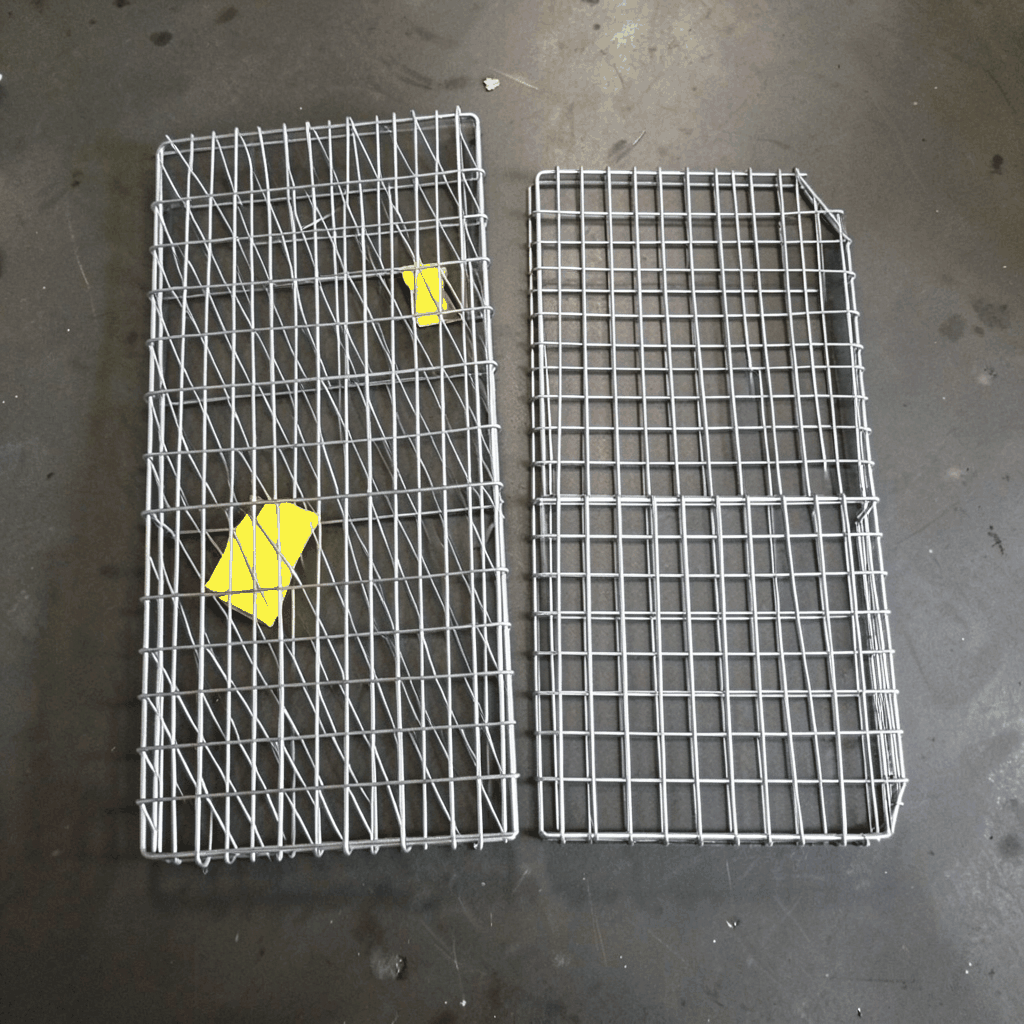
Welding copper requires appropriate control because copper transfers heat rapidly and can deform if the process is poorly managed. Mechanical fastening, brazing, or concealed clips may be preferable for thin decorative mesh. Every joint should be evaluated for cleanability, strength, and access. Custom metal mesh work for other demanding environments, such as custom mesh panels used in municipal landscaping, illustrates why fabrication details and site-specific engineering should be considered together.
Hygiene, Safety, And Maintenance
A commercial countertop must support an effective cleaning routine. Open mesh can create recesses where grease, flour, or food particles accumulate, so it is generally better suited to protected vertical surfaces, front panels, raised serving areas, or sealed decorative zones. If mesh is used horizontally, the design should minimize ledges and provide access for wiping, inspection, and periodic deep cleaning.
Copper can react with acidic foods and aggressive chemicals, causing discoloration or surface damage. The maintenance schedule should identify approved cleaners, dilution levels, contact times, and drying practices. Abrasive pads may scratch polished or coated finishes, while chlorine-rich products can affect copper and nearby metals. A sample panel should be tested with the proposed cleaning regime before full production.
Corners and transitions deserve special attention. Rounded or capped edges reduce injury risk and make wiping easier. Countertop joints should be sealed where necessary, but sealants must be selected for food-service conditions and expected temperature changes. If the copper mesh is adjacent to stainless steel, aluminum, or galvanized components, the design should limit trapped moisture and consider galvanic interaction.
Ventilation, heat, and equipment clearance also influence the material choice. Copper conducts heat efficiently, so hot appliances should not transfer unexpected temperatures into an adjacent decorative panel or work surface. Proper separation, insulation, and support framing protect both the copper and the staff who use the kitchen throughout the day.
Comparing Countertop Mesh Options
Copper is one option among several architectural metal mesh materials. Stainless steel remains the standard choice for many direct food-preparation surfaces because it is durable, familiar to kitchen staff, and relatively easy to sanitize. Aluminum offers low weight and broad finish flexibility, while brass provides a gold-toned appearance with a different aging profile. The right material depends on whether the priority is hygiene, branding, weight, thermal behavior, or decorative warmth.
The comparison below can guide early specification decisions. Actual performance depends on alloy, thickness, coating, support structure, cleaning chemicals, and the quality of fabrication.
| Material | Visual Character | Key Strengths | Main Considerations | Suitable Countertop Role |
|---|---|---|---|---|
| Copper mesh | Warm red-gold tone that can darken or patinate | Strong decorative identity, formable, visually distinctive | Requires finish and cleaning control; may react with acidic substances | Decorative inserts, bar fronts, protected service areas |
| Stainless steel mesh | Neutral silver appearance with brushed or polished options | Hygienic, durable, heat resistant, widely accepted in food service | Can show fingerprints, scratches, and weld discoloration | Direct-use zones, backsplashes, equipment surrounds |
| Aluminum mesh | Light silver or colored finish | Low weight, corrosion resistance, easy handling | Softer than steel and sensitive to some chemicals | Lightweight panels, cabinet fronts, decorative surfaces |
| Brass mesh | Golden yellow finish with potential aging | Premium appearance, warm architectural effect | May tarnish and needs careful coating or maintenance | Front fascias, hospitality counters, display features |
| Expanded metal | Strong geometric pattern in several alloys | Good rigidity, efficient coverage, architectural texture | Openings and edges require careful cleaning design | Decorative panels, partitions, counter cladding |
| Woven wire mesh | Flexible textile-like appearance | Fine pattern control, broad aperture options, custom scale | Needs proper tensioning and edge capture | Infill panels, screens, protected counter details |
A copper mesh countertop often performs best as part of a mixed-material installation. For example, a stainless steel preparation top can be paired with a copper mesh apron, while a stone service counter can receive copper mesh in a recessed front panel. This division preserves practical hygiene where it matters most and places the decorative material where its color and texture can be appreciated.
Integrating Copper Mesh Into Kitchen Design
Copper mesh can be used beyond the countertop itself to create a coordinated interior. Matching drawer fronts, ventilation screens, cabinet inserts, shelving guards, and divider panels can carry the same aperture pattern through the kitchen. In open restaurants, the mesh may also connect the back-of-house service zone with the dining area through bar fronts or decorative screens.
Lighting has a major effect on copper. Warm directional lighting emphasizes its reddish tones and creates shadows through the mesh openings, while cooler light can make the material appear more subdued. Samples should be viewed under the actual lighting temperature and from the typical customer and staff sightlines.
Designers should also consider how the counter will be repaired or modified. Removable framed panels allow access to plumbing, electrical outlets, refrigeration units, and waste systems. Standardized panel sizes can simplify future replacement, while concealed fasteners help maintain a clean appearance. A clear maintenance specification should accompany the fabrication drawings so operators know how to preserve the finish.
For branded commercial spaces, mesh geometry can be customized to reflect a logo, repeated motif, or architectural grid. Laser-cut copper panels may complement woven mesh, although the two materials should be coordinated for color, thickness, and edge detail. Combining patterns selectively prevents the interior from appearing visually crowded.
Practical Recommendations Before Production
A reliable project brief should define the countertop’s role before the mesh pattern is chosen. A front-facing decorative panel has different requirements from a surface used for rolling dough, placing hot pans, or supporting heavy equipment. Early clarification prevents an attractive material from being assigned to an unsuitable location.
Manufacturers can provide cut samples, corner prototypes, and finish panels before the full order. These physical references help confirm the mesh scale, color, reflectivity, and interaction with adjacent materials. They also expose practical issues such as snagging, visible fasteners, or cleaning access while changes are still economical.
Use the following recommendations when preparing the specification:
- Reserve copper mesh for approved decorative, protected, or low-contact zones unless its direct food-contact suitability has been verified.
- Select a rigid, moisture-resistant substrate and design concealed support beneath every horizontal panel.
- Specify rounded, folded, framed, or capped edges to improve safety and simplify cleaning.
- Test the proposed coating and cleaning chemicals on a sample before approving full production.
- Coordinate sink openings, appliances, seams, lighting, and removable access panels in detailed shop drawings.
A qualified architectural metal mesh processor can translate these requirements into a manufacturable assembly. The most dependable results come from reviewing material samples, fabrication drawings, installation tolerances, and maintenance procedures as one coordinated package rather than treating the copper finish as a late decorative decision.
Bring your commercial kitchen concept to life with a copper mesh assembly designed for the right balance of appearance, durability, sanitation, and serviceability. Contact Shuo Ke Wire Mesh Product Technology Co., Ltd. to discuss custom copper mesh panels, countertop cladding, edge details, and integrated architectural metalwork for your project.