Fabricating custom bronze mesh for high-end architectural accents
Bronze mesh brings warmth, depth, and a refined metallic character to architectural interiors and exterior details. Its reddish-gold tone changes subtly with lighting, allowing a surface to look polished and contemporary in one setting, then rich and historic in another. For designers seeking an alternative to ordinary steel screens or flat decorative panels, custom bronze wire mesh provides texture, transparency, and visual movement in one material.
The value of a bronze mesh installation depends on more than the alloy selected. Wire diameter, aperture, weave pattern, panel size, edge treatment, mounting hardware, and surface finish all influence the final appearance. Careful fabrication turns a raw mesh roll into a coordinated architectural feature that fits the dimensions, performance requirements, and design language of a specific project.
Shuo Ke Wire Mesh Product Technology Co., Ltd. develops and processes customized metal mesh products for architectural and industrial use. Its experience with stainless steel, aluminum, copper, iron, and other alloys supports tailored solutions for wall cladding, partitions, screens, ceilings, elevator interiors, gates, and decorative metalwork.
Why bronze works in premium architectural spaces
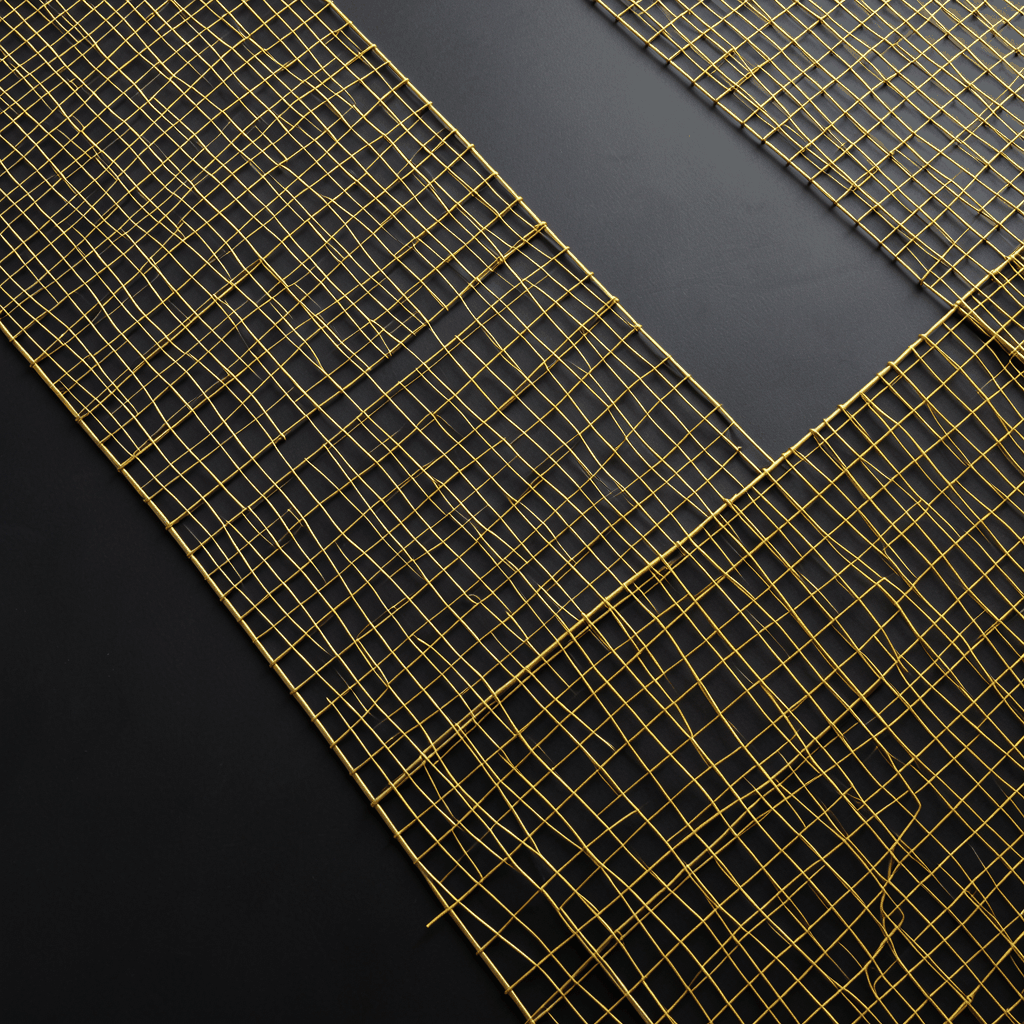
Bronze has a visual identity that is difficult to reproduce with painted steel. Its natural copper-based color offers a sense of permanence and craftsmanship, while the open structure of woven mesh keeps a space visually light. Designers can use it as a partial screen, an illuminated surface, or a layered divider without creating the solid mass of a conventional wall.
The material also responds well to changing light. Warm interior lighting can emphasize its golden and reddish tones, while daylight can reveal individual wires, apertures, and weave intersections. When placed behind glass, in front of stone, or alongside timber, bronze mesh creates a measured contrast between reflective and organic surfaces.
Architectural bronze mesh is suitable for hotel lobbies, luxury retail stores, restaurants, museums, galleries, corporate reception areas, and private residences. It can form elevator wall panels, room dividers, feature ceilings, balustrade infill, cabinet inserts, and decorative façades. A single material can therefore create continuity across several parts of an interior scheme.
Selecting the right bronze alloy and finish
“Bronze” can describe several copper-based alloys, and the exact composition affects color, strength, workability, and aging. Silicon bronze is often valued for its warm appearance and corrosion resistance, while phosphor bronze can provide useful spring characteristics and a distinctive darker tone. Some projects may use a bronze-colored finish over another metal when weight, budget, or structural requirements make that approach more practical.
The distinction between solid bronze mesh and bronze-finished mesh should be established early. Solid bronze offers authentic material depth and can develop a natural patina over time. A finished stainless steel or aluminum mesh may offer lower weight and higher structural efficiency, while a controlled coating can provide a consistent color across a large installation. Both options can be attractive, but they create different maintenance and lifecycle expectations.
Surface treatments may include bright polishing, satin brushing, antique finishing, chemical patination, clear protective coating, or controlled oxidation. A clear coating helps preserve a selected appearance, whereas an untreated surface will gradually respond to air, humidity, handling, and nearby materials. Sample panels should be reviewed under the actual project lighting before production approval.
Engineering the weave, aperture, and panel format
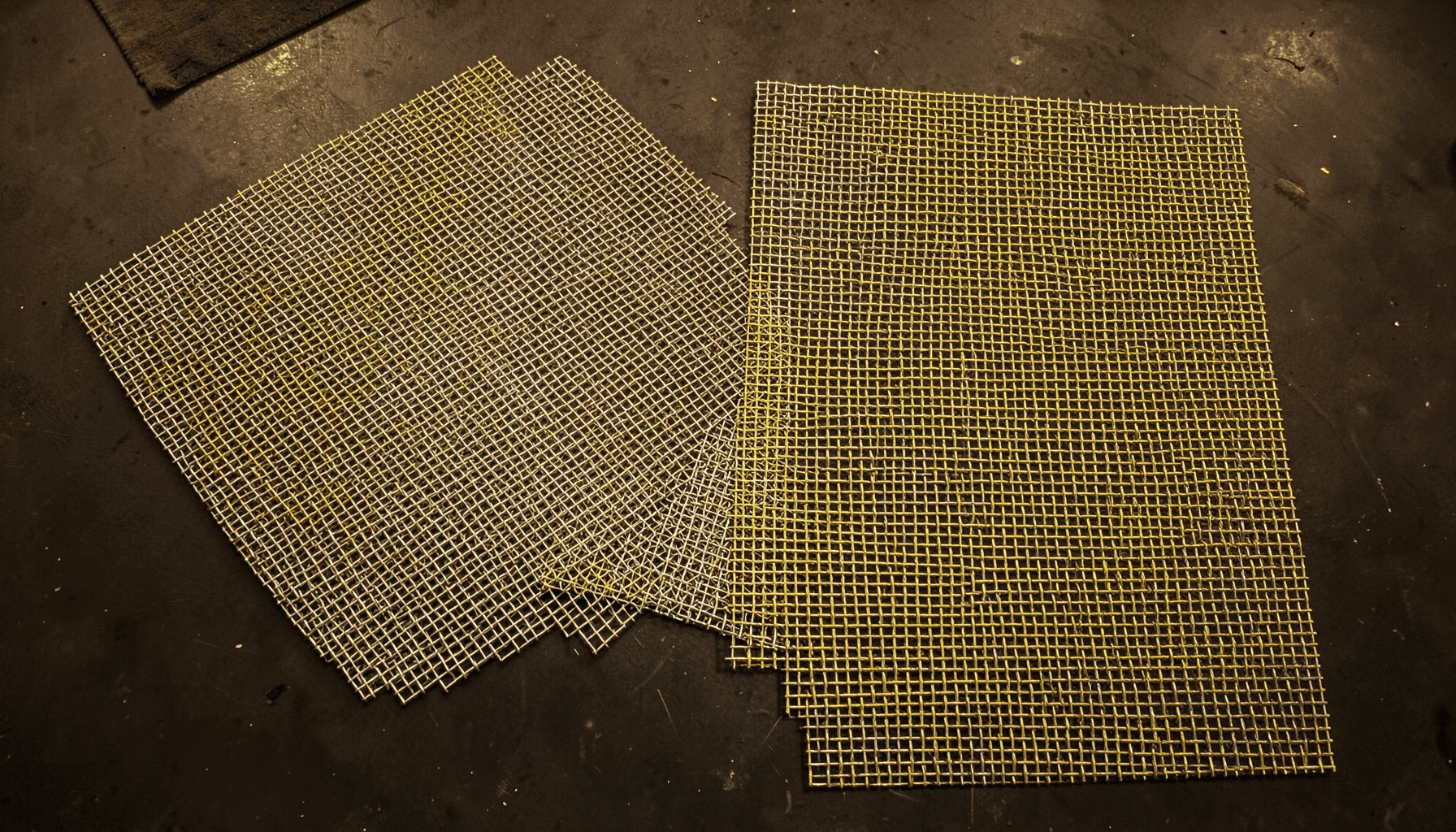
The visual scale of bronze wire mesh is controlled by wire diameter and opening size. Fine wire with small apertures produces a delicate, textile-like surface that suits screens, cabinet panels, and layered partitions. Heavier wire and larger openings create a stronger architectural expression for wall cladding, elevator interiors, guards, and freestanding dividers.
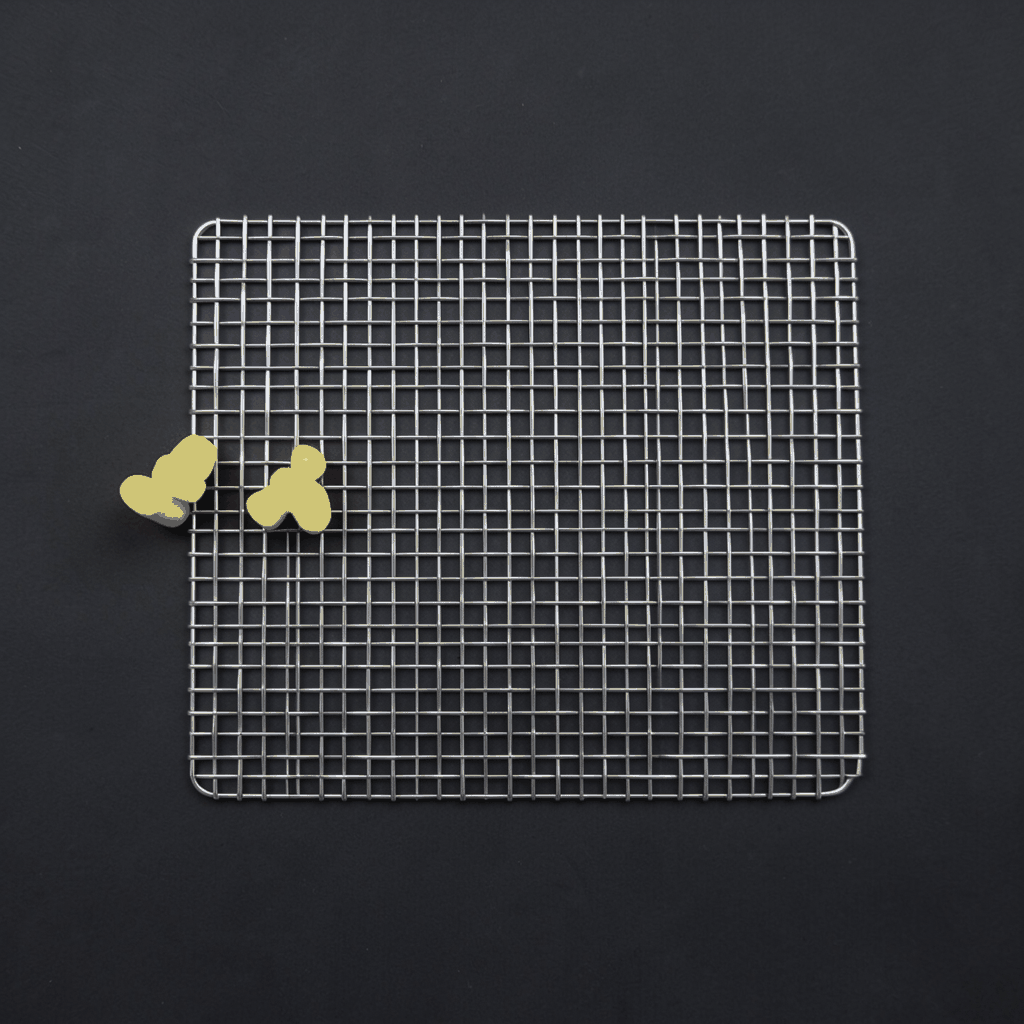
Common woven constructions include plain weave, twill weave, Dutch weave, and specialty decorative patterns. Plain weave provides a balanced, regular appearance and is easy to coordinate across large surfaces. Twill can create diagonal movement and increased flexibility, while denser filter-style weaves are selected when concealment or controlled airflow matters more than transparency.
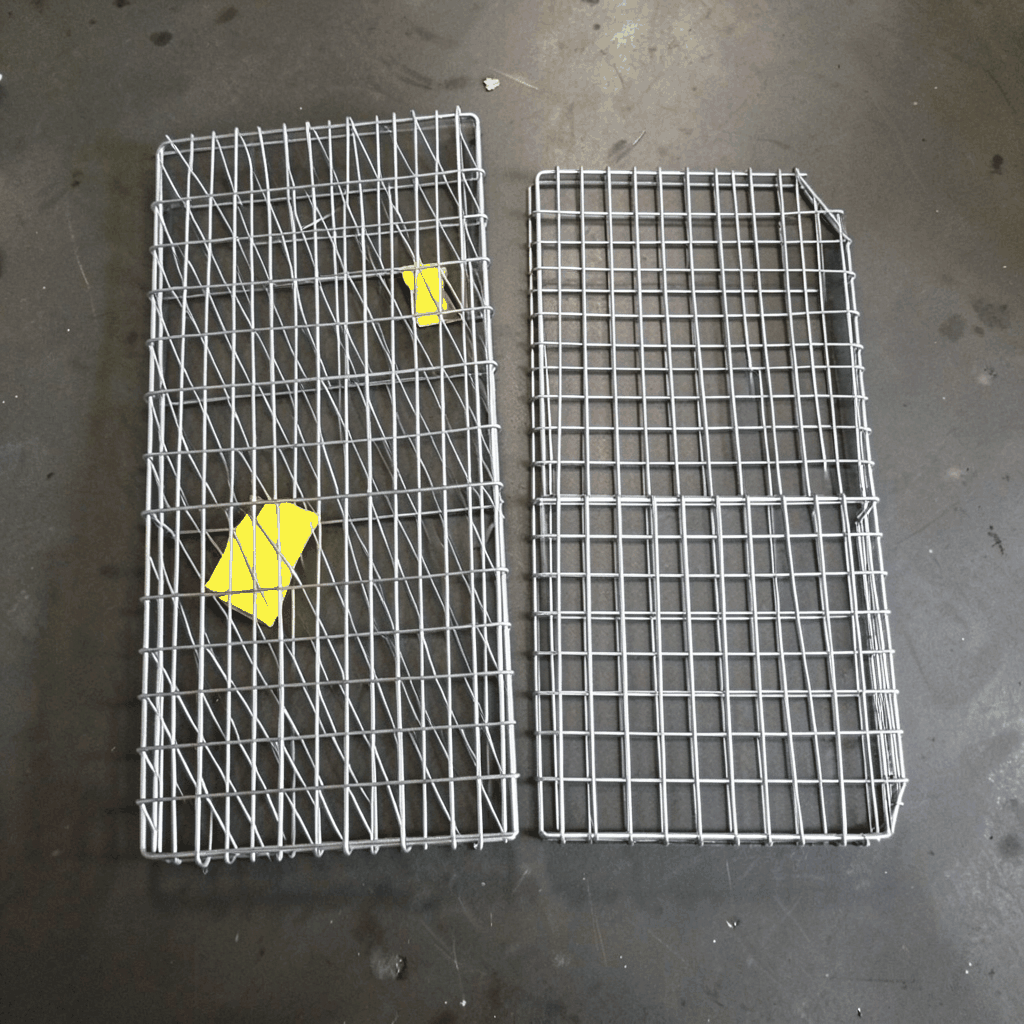
Panel dimensions must be coordinated with transport, handling, frame design, and installation access. Large mesh sheets may reduce visible joints, but they also require greater rigidity and careful support. In some projects, mesh is tensioned within a perimeter frame. In others, it is mounted with concealed clips, rods, tubes, tracks, or custom edge bars. The attachment method should be considered alongside the mesh rather than added after fabrication.
Bronze wire mesh can also be formed into drapery systems. Flexible mesh curtains are useful for dividing dining areas, retail zones, or hospitality spaces because they can slide, stack, or overlap. A custom chain or rod system allows the mesh to function as an adaptable architectural partition while retaining its metallic character.
Comparing materials for decorative metal mesh
Bronze is often selected for its appearance, but a complete specification should also consider corrosion behavior, weight, cost, fabrication, and maintenance. The following comparison provides a practical starting point for material discussions.
| Material | Visual character | Typical strengths | Key considerations | Suitable architectural uses |
|---|---|---|---|---|
| Bronze | Warm reddish-gold tone that can deepen with age | Distinctive appearance, durable construction, authentic patina potential | Higher material cost and greater weight than aluminum | Feature walls, partitions, elevator interiors, luxury retail, decorative screens |
| Brass | Bright gold to muted yellow tone | Easy to form, strong decorative appeal, broad finish options | Can tarnish or require protective treatment | Interior screens, furniture panels, reception features, ceiling details |
| Stainless steel | Silver, mirror, satin, or colored finish | High strength, corrosion resistance, dependable maintenance | Cooler visual character unless specially finished | Exterior screens, balustrades, cladding, industrial and commercial interiors |
| Aluminum | Light silver or coated color | Low weight, easy handling, useful for large panels | Softer surface and different tactile quality | Suspended panels, partitions, façades, ceiling systems |
| Copper | Red-orange tone that develops a strong patina | Excellent visual warmth and design flexibility | Surface changes can be rapid in some environments | Feature panels, artistic screens, heritage-inspired interiors |
Material selection should also account for contact with dissimilar metals. Bronze mesh installed against stainless steel, aluminum, or galvanized components may require isolation washers, gaskets, coatings, or other measures to reduce galvanic interaction in damp conditions. Outdoor projects deserve particular attention to drainage, ventilation, fastener choice, and exposure to salt or industrial pollutants.
From design concept to finished bronze mesh
Custom fabrication begins with a clear design brief. Drawings should define the intended opening percentage, mesh orientation, panel dimensions, visible edges, frame geometry, access points, and relationship to lighting or adjacent finishes. If the mesh will cover an elevator wall or curved surface, the radius and installation tolerances should be included at the quotation stage.
A manufacturer can then recommend an appropriate wire diameter, weave, alloy, and production method. Physical samples are especially important for bronze because color varies with alloy, finishing process, polishing level, and viewing angle. A small sample may look more reflective than a full panel, so large-format approval pieces are useful for high-value projects.
After material confirmation, the mesh is woven or otherwise fabricated to the specified pattern. Panels may be cut, straightened, formed, reinforced, edge-trimmed, and fitted with mounting elements. For a decorative metal screen, precision at the edges is as important as the mesh field itself. Uneven borders or inconsistent tension can distract from an otherwise excellent design.
Quality checks should cover aperture uniformity, wire condition, dimensions, finish consistency, flatness, weld or frame quality where applicable, and the fit of hardware. Packaging also matters. Bronze surfaces can be marked by abrasion, fingerprints, moisture, or contact with unsuitable packing materials. Protective wrapping and separated components help preserve the finish until installation.
Applications that benefit from tailored detailing
Bronze mesh partitions are effective when a project needs separation without full visual closure. In a hotel lobby, for example, a woven screen can define a lounge or reception queue while allowing light and movement to remain visible. Overlapping mesh layers can increase privacy and create a richer appearance without changing the basic material.
For elevator interiors, bronze mesh can be installed as a durable decorative lining over a properly engineered backing system. The weave introduces texture to a compact vertical surface and coordinates well with stone, timber veneer, glass, and indirect lighting. Rounded corners, framed panels, and carefully aligned joints help create a finished cabin rather than a collection of individual sheets.
Wall cladding and ceiling accents require close coordination with substrate conditions and building services. Mesh may be installed as a floating layer, backed by a contrasting color, or combined with acoustic material and lighting. A bronze screen can conceal technical elements while preserving access through removable panels or hinged sections.
Retail displays, restaurants, and residential interiors often use smaller custom components. These may include cabinet inserts, bar fronts, balustrade infill, radiator covers, room dividers, and decorative door panels. Consistent wire direction and finish across these elements help create a unified interior, especially when several components are produced at different sizes.
Practical recommendations for specification and installation
A successful project balances visual ambition with measurable production information. The following points help reduce revisions and protect the intended appearance:
- Specify the actual alloy, wire diameter, weave pattern, aperture, finish, and open-area percentage rather than using “bronze mesh” as the complete description.
- Request physical samples and approve them under the project’s daylight, artificial lighting, and surrounding material conditions.
- Decide whether the surface should retain a stable color or develop a natural patina, then select a protective treatment and maintenance method accordingly.
- Coordinate frames, fasteners, backing panels, access doors, and isolation materials with the mesh manufacturer before fabrication begins.
- Confirm panel tolerances, joint locations, lifting requirements, packaging, and installation sequencing for large or difficult-to-access areas.
Maintenance requirements are generally straightforward when the finish is correctly selected. Interior mesh can often be cleaned with a soft cloth, mild diluted detergent, and clean water, followed by careful drying. Abrasive pads, chlorine-based cleaners, harsh solvents, and unapproved polishes may alter the surface or remove a protective layer.
Outdoor bronze mesh requires a maintenance schedule based on local climate and exposure. A coastal façade, shaded courtyard, and conditioned interior will age at different rates. Regular inspection should include fasteners, frame joints, drainage paths, coating condition, and areas where moisture or debris may collect. Planned maintenance is preferable to aggressive restoration after staining or corrosion has become established.
Building a dependable custom mesh solution
High-end architectural metalwork is judged at close range. The weave must appear consistent, the color must work with the design palette, and the hardware should support the feature without competing with it. These details require communication between the architect, interior designer, contractor, installer, and manufacturing team.
A capable mesh supplier should be able to discuss both aesthetics and fabrication limits. Questions about minimum panel widths, maximum practical sizes, edge reinforcement, bending radii, tensioning, surface variation, and replacement panels should be addressed before the shop drawings are finalized. This early coordination is especially valuable when bronze mesh forms part of a larger wall, ceiling, façade, or elevator package.
Shuo Ke Wire Mesh Product Technology Co., Ltd. supports customized metal mesh production for decorative and practical applications. Its product range includes mesh curtains, partitions, cladding, laser-cut screens, fences, gates, guardrails, baskets, filters, and barbecue mesh. For a bronze architectural feature, the same custom-oriented approach can be applied to material selection, pattern development, panel processing, finishing, and installation coordination.
A well-developed specification makes it easier to control cost and quality. It also gives the project team a clear basis for reviewing samples, approving shop drawings, and checking delivered products. When the mesh is treated as an engineered architectural component rather than a generic roll material, its decorative potential becomes much easier to realize.
Start with the design intent, project dimensions, desired bronze tone, and installation environment. Share those details with Shuo Ke’s technical team to develop sample options, fabrication recommendations, and a customized quotation for architectural bronze mesh that brings lasting texture and distinction to the finished space.