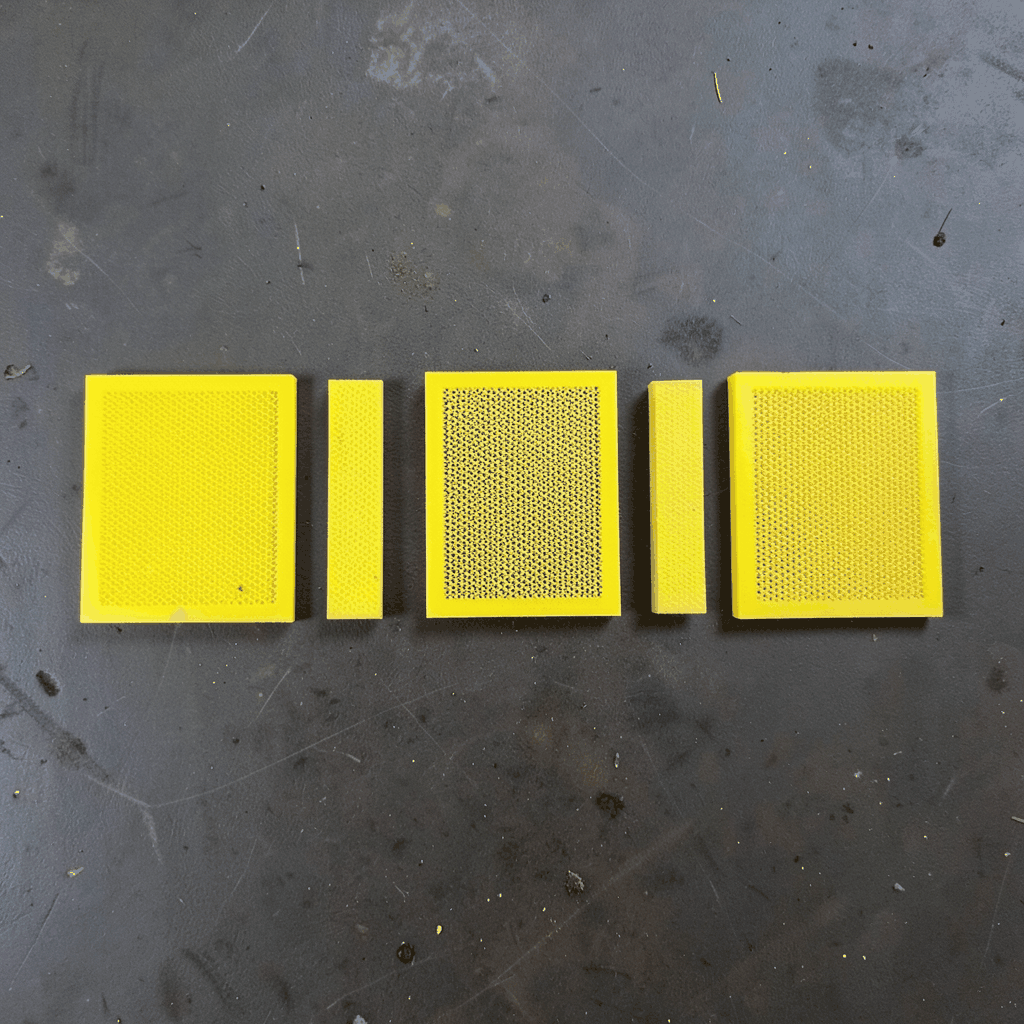
Square Wire Mesh Filters For Pharmaceutical Processing
Pharmaceutical manufacturing depends on controlled separation at many stages, from screening powders and granules to protecting pumps, filling equipment, and process lines. Square woven wire mesh is a practical filter medium for these duties because its regular openings, stable structure, and repeatable dimensions support predictable particle separation.
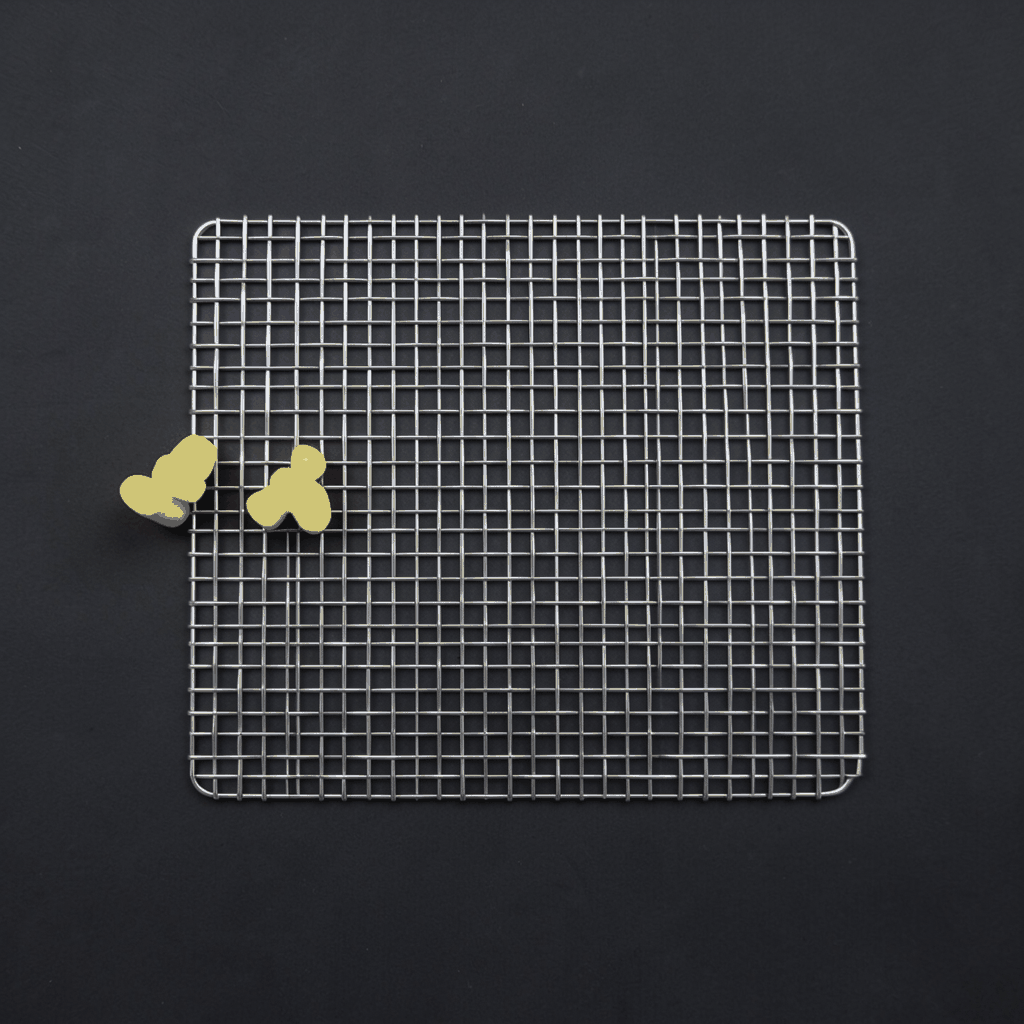
A square mesh filter is made by interlacing wires at right angles, creating uniform apertures across the usable area. Depending on the process, the mesh may serve as a sieve, support layer, strainer, pre-filter, vent screen, or component within a multi-layer filter assembly. Material choice, opening size, wire diameter, edge construction, and surface finish all affect performance.
Shuo Ke Wire Mesh Product Technology Co., Ltd. manufactures and processes metal mesh products for industrial and architectural applications. Its experience with stainless steel, aluminum, copper, iron, and alloy mesh can support customized pharmaceutical filtration components where dimensional accuracy, durability, cleanability, and application-specific engineering are required.
Why Square Woven Mesh Suits Pharmaceutical Equipment
Uniform square openings provide consistent passage for particles, powders, liquids, or gases. Unlike irregularly perforated materials, woven wire cloth can be specified by mesh count, aperture size, and wire diameter, giving engineers a clear basis for selecting a filtration grade. This repeatability is useful when a process requires stable screening results from one production batch to the next.
The open structure also permits relatively efficient flow. In a powder sifter, square mesh can separate oversized particles while maintaining a suitable throughput. In a liquid strainer, it can retain larger contaminants before finer filtration stages. In a gas or air-handling assembly, the mesh may function as a protective screen or support medium rather than the final sterile barrier.
Metal wire cloth tolerates demanding operating conditions when the correct alloy and finish are selected. Stainless steel, especially 304 or 316/316L grades, is commonly considered for pharmaceutical equipment because of its corrosion resistance and compatibility with frequent cleaning. The actual grade should be matched to the chemicals, temperature, moisture, and validation requirements of the process.
Selecting Materials And Mesh Specifications
Material selection begins with the process environment. Stainless steel is generally the most versatile option for pharmaceutical screens, powder sifters, filter baskets, and process strainers. Grade 316L may be preferred where enhanced corrosion resistance, low-carbon composition, or hygienic equipment compatibility is important. Aluminum is lightweight but may be unsuitable for aggressive cleaning agents or direct product contact in certain processes.
The mesh specification should identify more than a nominal mesh number. Aperture size, wire diameter, open area, material grade, weave type, roll or panel dimensions, and allowable tolerances should be documented. A small change in wire diameter can alter both flow resistance and retained particle size, so replacement screens should match the original specification rather than relying only on appearance.
Edge treatment is equally important. Cut edges can be folded, hemmed, welded into frames, fitted with gaskets, or reinforced with support rings. A properly finished edge helps prevent wire movement, product entrapment, and damage during installation. For removable baskets or filter discs, the edge design should also make inspection and replacement straightforward.
Relating Aperture Size To Separation Performance
Mesh count describes the number of openings along a linear inch, but it does not by itself define the opening. Two meshes with the same nominal count may have different apertures if their wire diameters differ. For pharmaceutical screening and filtration, the stated aperture in micrometers or millimeters is often the more useful control value.
The required opening depends on the target particle range, product characteristics, fluid viscosity, pressure, and desired flow rate. Fine openings can improve retention but may reduce throughput and become more vulnerable to blinding. Coarser openings allow higher flow but may permit unwanted particles to pass. Testing with the actual powder, liquid, or gas is the safest way to verify a design.
| Filter Requirement | Suitable Mesh Consideration | Fabrication Detail | Key Verification |
|---|---|---|---|
| Coarse particle removal | Larger square aperture and stronger wire | Reinforced frame or basket | Opening size and structural rigidity |
| Powder classification | Precisely controlled aperture and stable woven cloth | Tensioned screen with smooth edges | Particle-size separation test |
| Liquid pre-filtration | Corrosion-resistant stainless steel | Welded disc, panel, or strainer basket | Flow rate and pressure drop |
| Equipment protection | Durable medium or coarse mesh | Secure mounting and supported surface | Retention of damaging particles |
| Fine support layer | Fine mesh or multi-layer construction | Laminated or spot-welded assembly | Layer alignment and integrity |
| Vent or air protection | Mesh selected for airflow and dust retention | Gasketed frame or removable cartridge | Airflow, fit, and cleanability |
Square wire mesh is often used as one part of a filtration system rather than as a complete solution for every pharmaceutical duty. A process may combine coarse screening, finer woven mesh, sintered elements, membranes, or depth media. In such assemblies, the wire cloth can provide mechanical support and protect more delicate filter layers from deformation.
Fabrication Methods For Filter Components
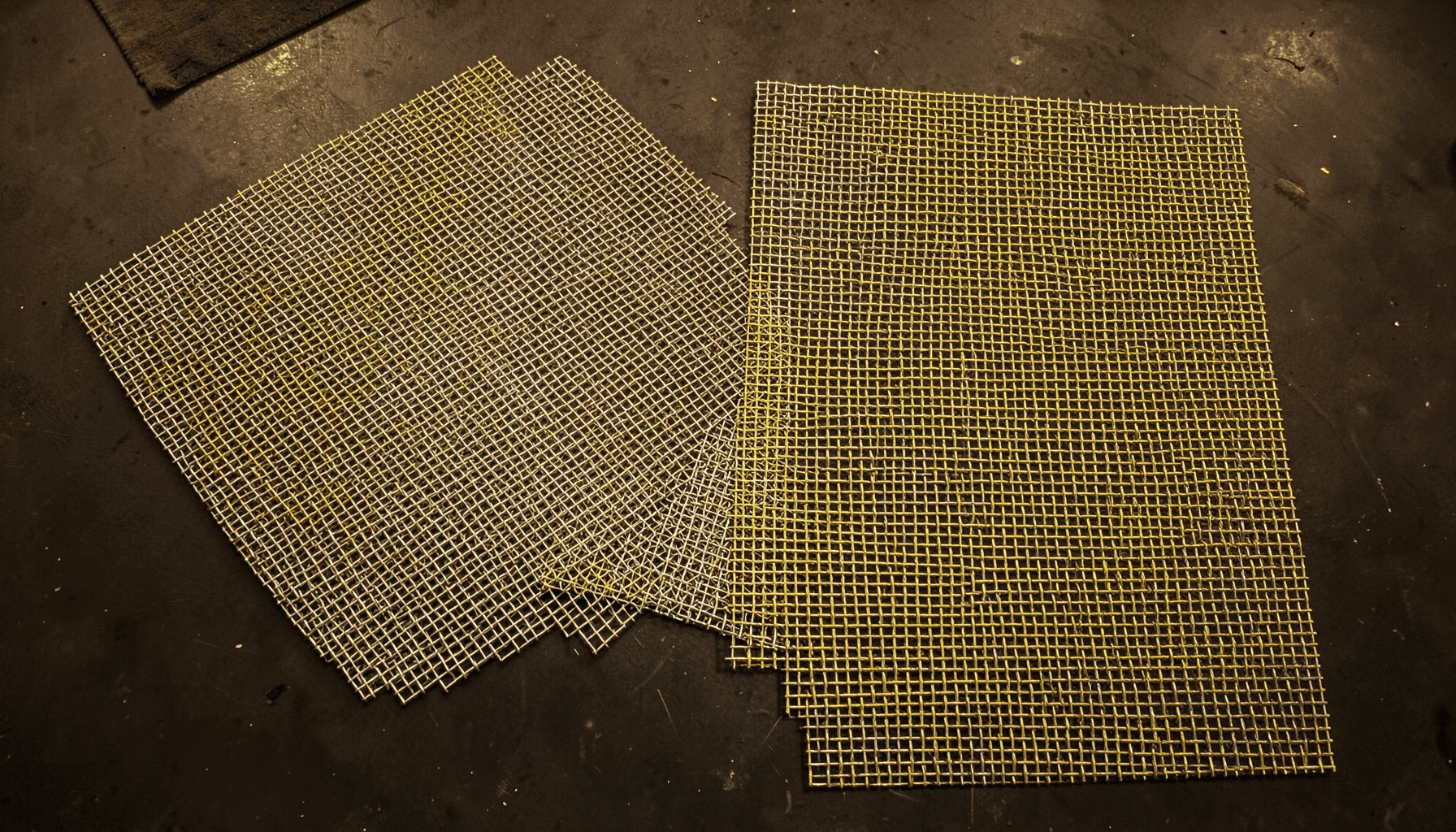
Fabrication starts with cutting the woven wire cloth to a controlled dimension. Laser cutting, shearing, or precision stamping may be selected according to the alloy, thickness, shape, and required edge quality. Circular discs, rectangular screens, conical pieces, cylinders, and custom inserts can be produced for different equipment layouts.
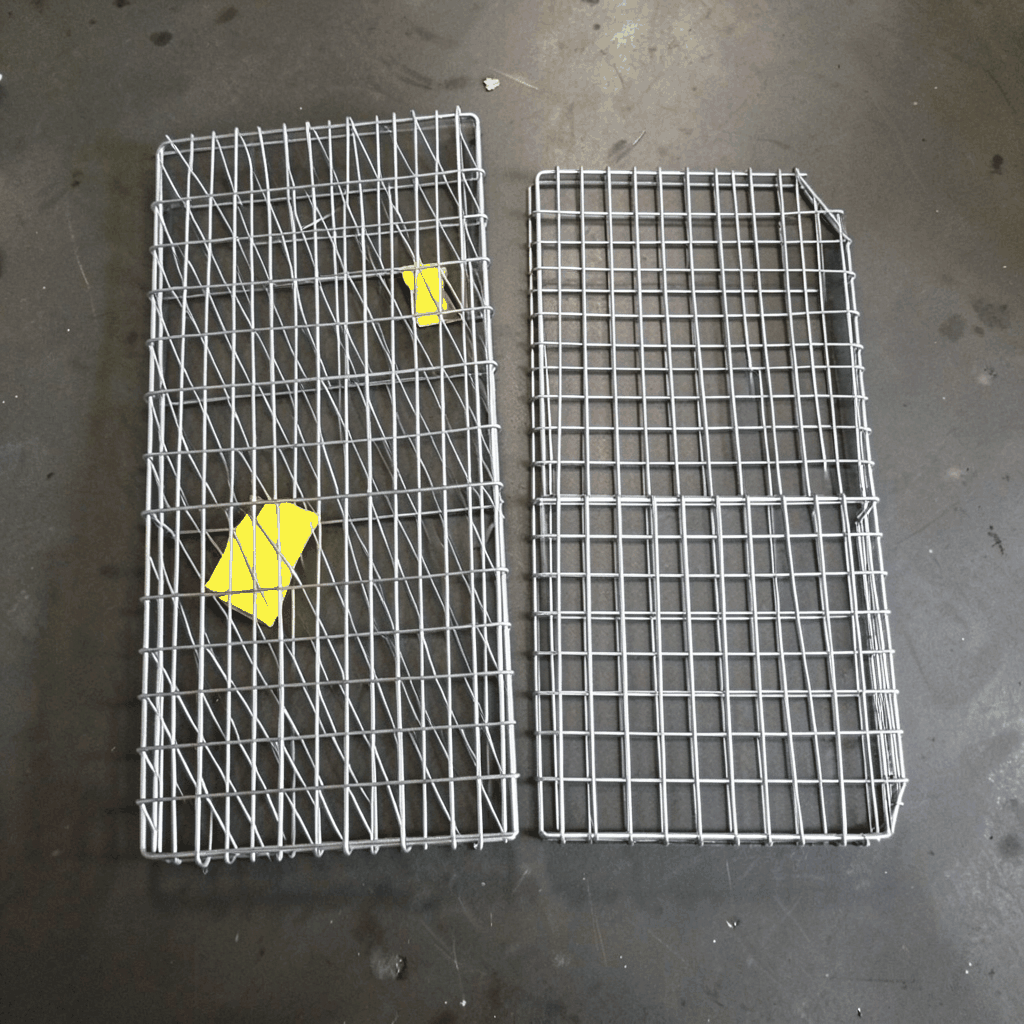
For filter baskets and strainers, the mesh is formed around a mandrel or support frame and joined by welding. Resistance welding, TIG welding, or another suitable method may be used depending on the material and geometry. Welds should be continuous or strategically placed to prevent gaps, loose wires, and bypass paths around the filter media.
Multi-layer screens can combine different aperture sizes or add a coarse support layer behind a fine filtration layer. This arrangement improves handling strength and helps distribute pressure across the finer mesh. The layers need accurate alignment and secure joining so that they do not separate, wrinkle, or trap product between surfaces.
Frames and mounting features should be designed around the equipment interface. Bolt holes, retaining rings, clamps, gaskets, handles, and reinforced corners can be integrated into a custom assembly. Shuo Ke can process metal mesh into application-specific panels, baskets, screens, and other components rather than supplying only flat wire cloth.
Surface Finish And Hygienic Construction
A pharmaceutical filter should have surfaces that can be cleaned effectively and inspected without difficulty. Burrs, sharp projections, deep scratches, loose wires, and incomplete welds can create contamination risks or interfere with fit. Smooth finishing and careful edge treatment are therefore functional requirements, not simply cosmetic details.
After forming and welding, components may require cleaning, passivation, polishing, or another surface treatment appropriate to the material and process. Stainless steel parts can be finished to different roughness levels depending on equipment specifications. The selected finish should support cleaning and minimize locations where powder, residue, or microorganisms could accumulate.
Designers should also limit unnecessary crevices. Overlapping mesh without secure bonding, poorly fitted gaskets, and hollow frame sections can complicate cleaning. A hygienic filter assembly should allow product-contact surfaces to drain, dry, and receive the required cleaning or sterilization treatment.
Before production, the buyer and fabricator should agree on whether the filter will be cleaned in place, removed for cleaning, chemically sanitized, steam sterilized, or exposed to another procedure. These conditions affect alloy selection, weld design, gasket compatibility, and dimensional tolerances.
Inspection, Testing, And Documentation
Quality control should verify both the woven mesh and the finished component. Typical checks include aperture measurement, wire diameter, mesh count, material identification, overall dimensions, flatness, weld appearance, edge integrity, and frame alignment. For critical components, a certificate of material conformity and inspection records may be required by the purchaser’s quality system.
Functional testing can include pressure-drop measurement, flow testing, particle retention checks, burst or strength testing, and fit verification. The appropriate test depends on whether the mesh is used for powder classification, liquid separation, air protection, or mechanical support. Testing should reflect actual operating conditions as closely as practical.
Documentation helps establish traceability during installation, maintenance, and replacement. A useful specification may include a drawing, mesh grade, aperture tolerance, wire diameter, surface finish, weld requirements, cleaning limitations, and packaging instructions. Clear identification reduces the risk of installing a visually similar but technically different screen.
A wire mesh manufacturer cannot replace the end user’s process validation, equipment qualification, or regulatory responsibilities. However, accurate fabrication records and consistent production controls give the pharmaceutical manufacturer reliable technical evidence for its internal approval procedures.
Designing A Custom Pharmaceutical Filter
Custom design is valuable when standard discs or screens do not fit the equipment. The starting information should include the filter’s length, width, diameter, thickness, mounting method, operating temperature, pressure, product type, cleaning method, and target separation range. A drawing or sample component can help resolve dimensional details before fabrication begins.
The mesh may need reinforcement when it spans a large opening or experiences repeated pressure cycles. Support grids, perforated backing plates, rings, ribs, and multi-layer construction can improve service life. These supports should be arranged to preserve the required open area and avoid creating inaccessible pockets.
Packaging and handling also deserve attention. Clean, protected packaging helps prevent damage and contamination before installation. Fine wire cloth can deform if stacked improperly, while welded frames may be bent by impact. Components should be labeled according to their mesh grade, dimensions, and intended location where the customer’s procedures require controlled identification.
Practical Specification Recommendations
- Define aperture size, wire diameter, alloy grade, and tolerance instead of specifying mesh count alone.
- State whether the filter contacts product and identify the chemicals, temperature, pressure, and cleaning cycle involved.
- Select a frame, gasket, weld, or edge treatment that prevents bypass and supports complete inspection.
- Request material certificates, dimensional inspection data, and functional test requirements before production.
- Approve a drawing or sample before ordering repeat quantities for validated equipment.
For pharmaceutical use, the best filter is the one that balances separation accuracy with throughput, cleanability, mechanical strength, and service life. A finely woven screen may appear attractive for high retention, yet a slightly larger aperture with better flow and easier cleaning may perform more reliably in production.
Shuo Ke Wire Mesh Product Technology Co., Ltd. can support these decisions through customized metal mesh fabrication in stainless steel and other alloys. Its capabilities cover woven mesh processing, formed filter parts, baskets, screens, protective layers, and engineered assemblies for industrial applications. Share the required aperture, material, dimensions, operating conditions, and finishing expectations to develop a filter component suited to the equipment and process.