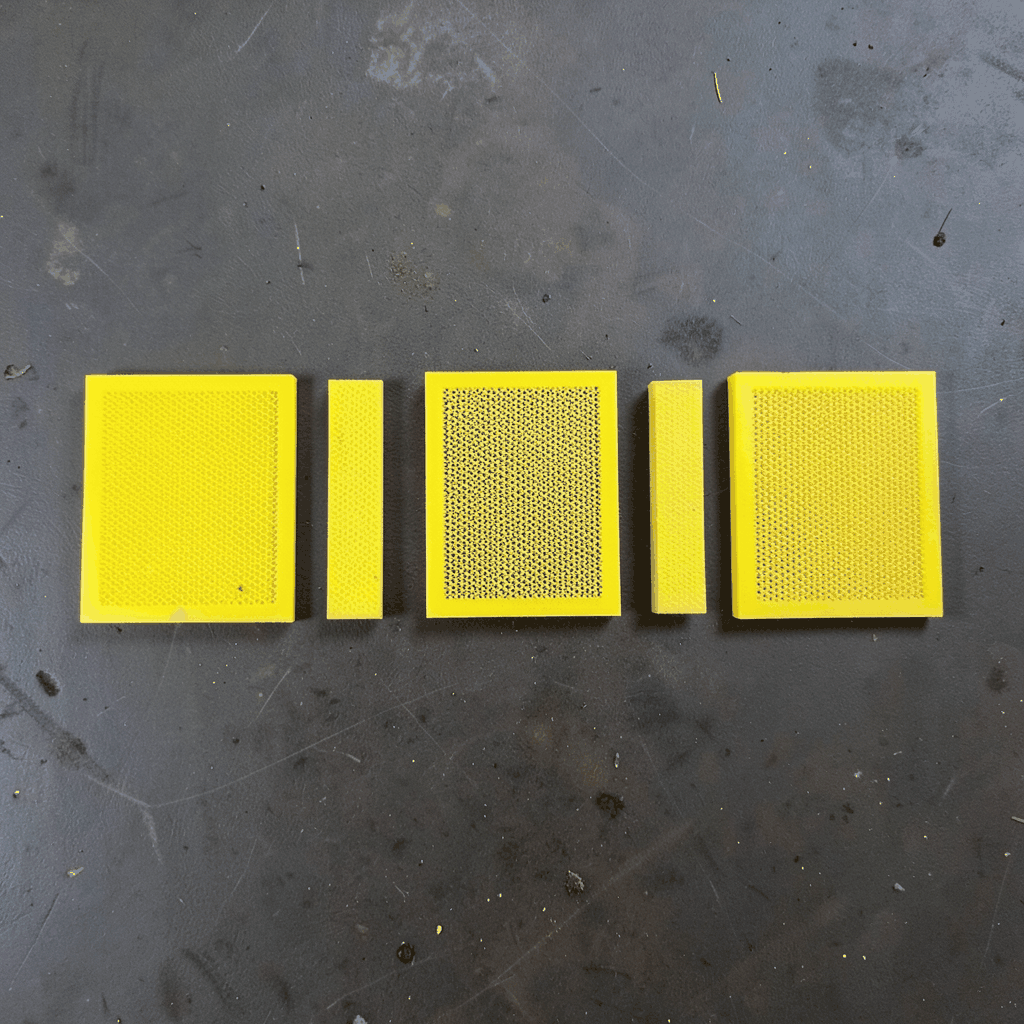
Fabricating Metal Mesh Troughs for Hydroponic Water Flow
Hydroponic growers rely on controlled water movement to deliver nutrients, oxygen and moisture to plant roots. A trough or channel must carry the solution at a steady rate while resisting corrosion, sagging, blockages and repeated cleaning. Metal mesh can play several roles in this system, from supporting growing media to filtering debris and distributing flow across a planting bed.
For a fabricator, the starting point is the growing method. Nutrient film technique systems need a smooth, shallow channel with consistent fall. Deep-water culture requires plant support and aeration rather than a fast-running film. Ebb-and-flow benches, vertical towers and aquaponic installations each place different demands on the perforation pattern, frame strength and drainage arrangement.
Stainless steel, aluminium, copper and coated steel are available for custom hydroponic components, but the right selection depends on nutrient chemistry, temperature, sanitation procedures and exposure to the Australian climate. A trough installed on a Brisbane roof may face heat, humidity and salt-bearing air, while an indoor Melbourne facility may prioritise compact dimensions and easy access for cleaning.
A properly fabricated assembly combines accurate forming with practical engineering. Weld quality, edge treatment, support spacing, outlet placement and surface finish all influence how reliably water reaches the crop. Custom production also makes it possible to match existing pumps, benches, filters and greenhouse layouts instead of forcing the system to fit an unsuitable standard part.
Selecting Metal For Nutrient-Rich Water
Stainless steel is often the safest general-purpose option for hydroponic water channels. Grade 304 suits many indoor and protected installations, while 316 stainless steel provides stronger resistance to chlorides and coastal exposure. This can be valuable in places such as Perth, Sydney or other Australian coastal areas where airborne salt may accelerate corrosion around greenhouse equipment.
The nutrient solution itself must be considered. Fertilisers can change water conductivity and pH, and some cleaning chemicals can attack a metal surface or weld area. A fabricator should review the expected chemical exposure before recommending a grade. Smooth stainless sheet with welded mesh inserts can provide a hygienic water-contact surface while retaining the drainage or support benefits of mesh.
Aluminium is lightweight and useful where troughs must be lifted regularly or installed on elevated racks. It should be isolated from dissimilar metals and assessed for compatibility with the nutrient solution. Copper may be attractive for decorative or specialised components, but excessive copper release can harm plants and beneficial organisms, so it is rarely the first choice for direct water contact.
Galvanised or painted steel may work for external frames, legs and guards when the coating remains intact. It is less suitable for areas where the coating can be scratched, exposed to concentrated nutrients or placed in continuous contact with recirculating water. Separating structural components from wet surfaces improves service life and simplifies maintenance.
Choosing Mesh Geometry And Opening Size
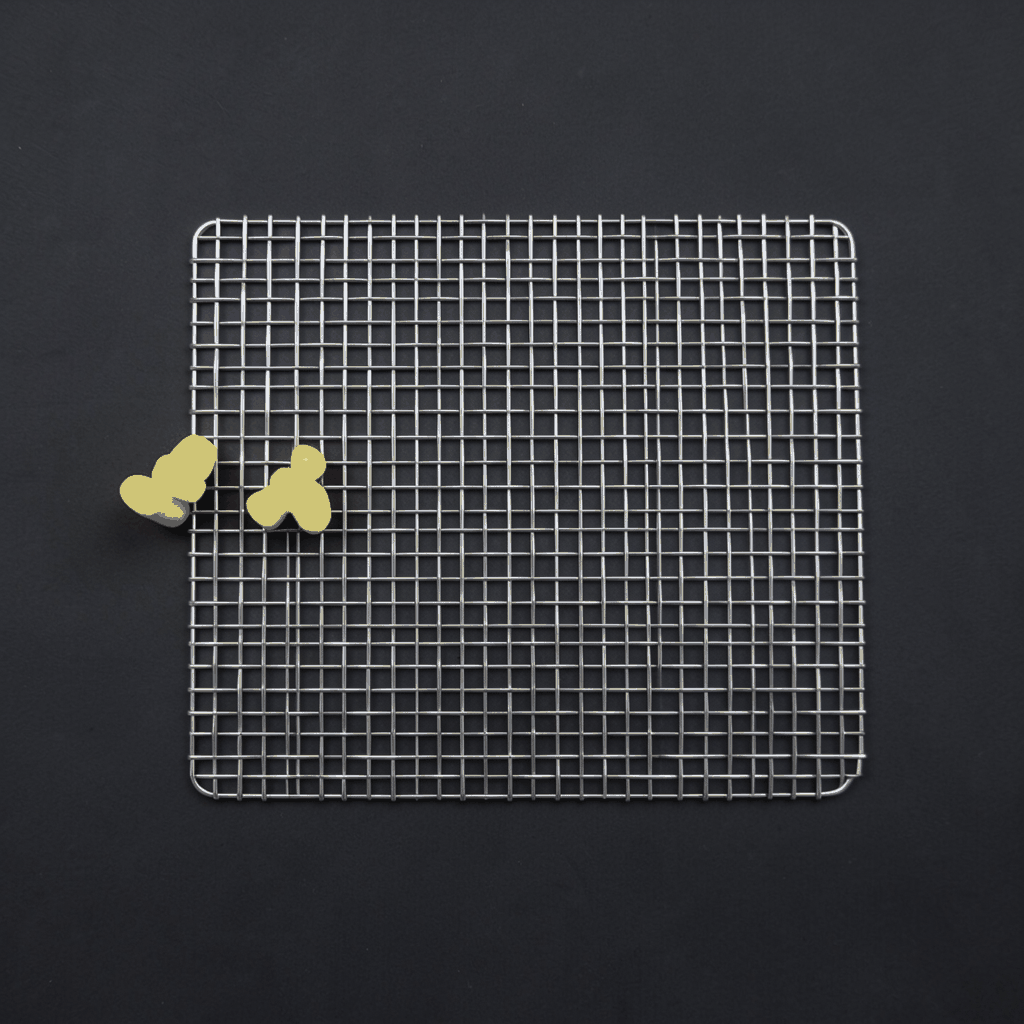
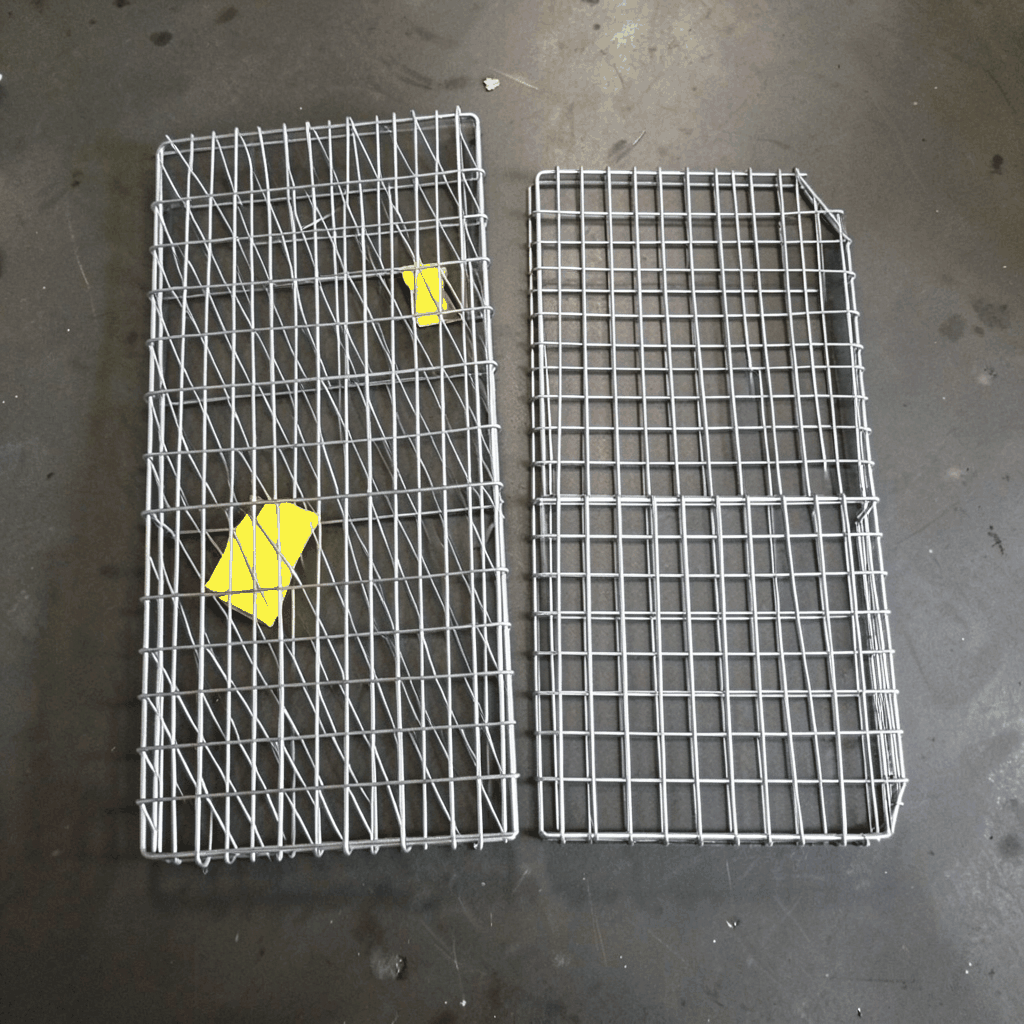
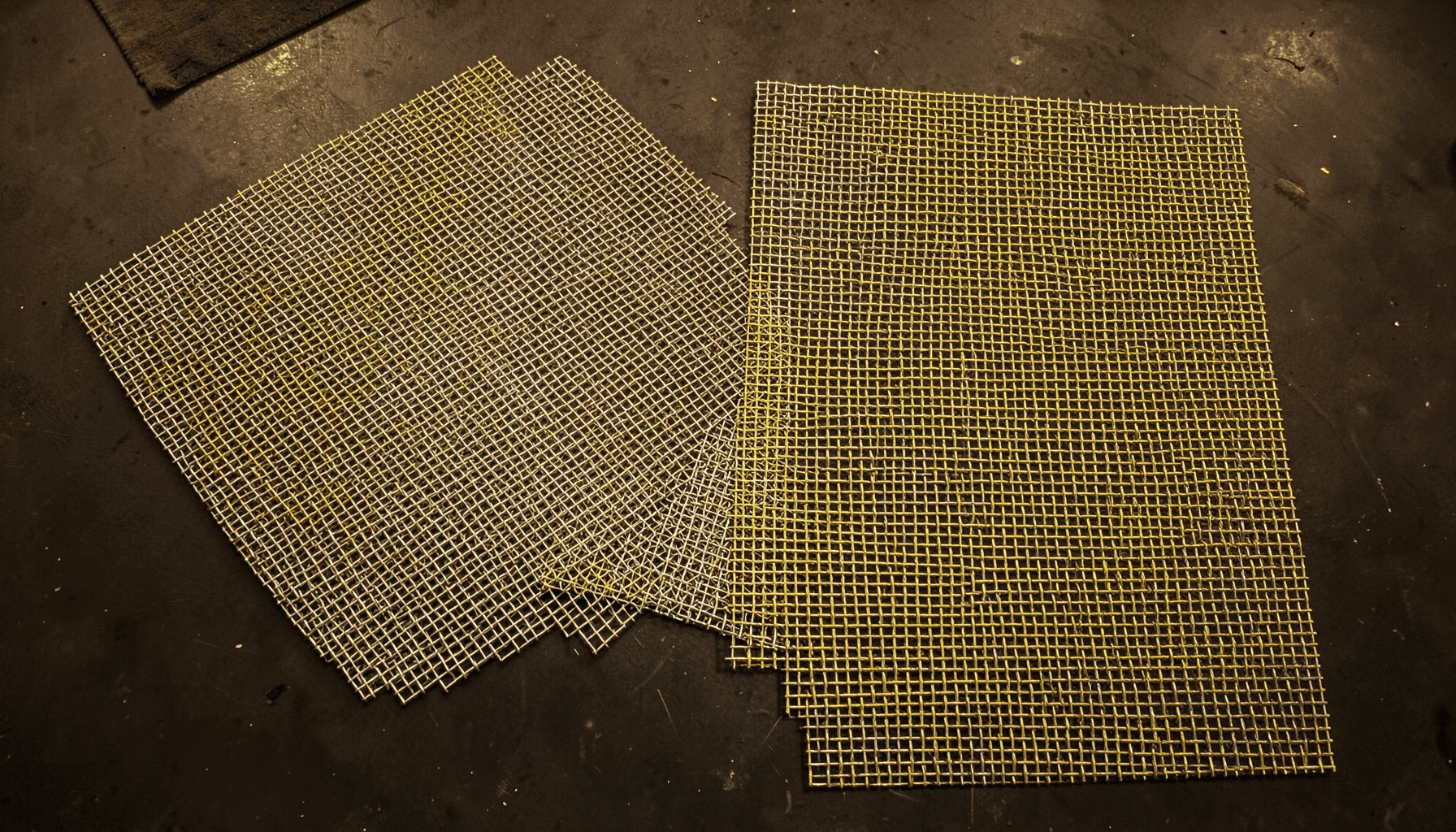
The word mesh can describe woven wire cloth, welded wire mesh, perforated sheet or expanded metal. Each form produces a different hydraulic and structural result. Woven wire offers fine filtration and flexible specification, welded mesh supplies a firm support grid, perforated sheet gives predictable openings, and expanded metal provides a strong, continuous panel with good drainage.
Opening size should be based on the crop, growing medium and debris load. Large openings encourage fast drainage but may allow roots, clay pellets or coco coir to fall into the return line. Small openings retain finer material but can collect biofilm and restrict flow. A removable liner or replaceable filter panel can help balance drainage with cleaning access.
For a nutrient film channel, the water usually needs a smooth path rather than a heavily textured base. A perforated support deck may sit above a sealed trough, allowing plant plugs or containers to remain stable while the liquid flows below. In an ebb-and-flow bench, a perforated floor can distribute water upward and release it quickly when the pump stops.
Perforation shape also matters. Round holes are easy to specify and clean, while slots can support longer root mats and encourage directional drainage. Hole pitch, open-area percentage and panel thickness should be selected together. A thin sheet with a high open area may deform under load, whereas a stronger panel with fewer openings may require a larger pump or steeper fall.
Engineering The Trough For Reliable Flow
Water should move by a controlled gradient or by a designed pumping arrangement. Even a small distortion can create a low spot where nutrient solution remains after the pump stops. This stagnant area may encourage algae, odour and root disease. Folded edges, formed channels and intermediate supports help maintain the intended profile over the full length of the trough.
Long channels benefit from calculated outlet positions and accessible inspection points. A single undersized drain can cause water to back up when roots or debris enter the system. Multiple outlets, removable screens and a generous return connection provide greater operating security, especially in commercial facilities where a blocked channel can affect an entire crop row.
The trough must also handle the weight of water, plants, media and maintenance activity. Structural supports should be placed according to the panel thickness and span, not simply at convenient intervals. A reinforced rim can reduce flexing and provide a secure fixing point for covers, plant supports or adjacent channels.
A practical design includes overflow protection. An overflow lip or secondary drain can direct excess solution away from electrical equipment and growing areas. This is particularly important in rooftop gardens in Melbourne or Sydney, where water leakage may damage building surfaces, insulation or tenants’ property. Drainage should be tested under full pump output rather than at an assumed normal rate.
Fabrication Details That Affect Hygiene
Hydroponic equipment needs regular removal of roots, sediment, algae and mineral deposits. Internal corners should therefore be easy to reach, with smooth transitions that do not trap residue. Continuous welds can prevent leakage, while ground and polished weld areas reduce rough points where organic material can accumulate.
Woven or expanded mesh may be appropriate for a support surface, but exposed wire ends must be removed or finished. Sharp edges can damage roots, gloves, hoses and flexible liners. Deburring, edge folding and rounded corners are simple fabrication steps that make an installation safer during harvesting and cleaning.
Where a sealed water channel is required, mesh can be integrated as a removable insert rather than used as the entire trough floor. This arrangement allows the grower to lift out the support grid and wash the base separately. Fasteners should be corrosion-resistant and positioned so that tools can reach them without dismantling the whole growing rack.
Surface finishing should match the intended sanitation routine. Brushed stainless steel is practical for many installations, while a smoother finish can reduce residue retention in high-cleanliness environments. Any coating used near the crop should be selected for the expected moisture and chemical exposure, with damaged areas repaired before corrosion spreads beneath the finish.
Designing For Australian Conditions
Australian growing operations face substantial variation in temperature, humidity and water availability. In Queensland, intense sun can heat exposed channels and increase evaporation. Light-coloured or reflective surfaces, insulated supports and shaded return lines can help control temperature. In arid areas, a well-sealed system limits losses and supports more precise water recycling.
Water quality differs between regions and individual sites. Bore water may contain minerals that leave scale on perforations, while treated mains water can have a different pH or chlorine profile. Growers in Adelaide and other water-conscious markets often place strong emphasis on recirculation efficiency, so accessible filters and easy descaling are important parts of the fabrication brief.
Coastal installations need attention to salt exposure even when the nutrient solution is carefully managed. Stainless fixings, isolated dissimilar metals and suitable drainage reduce the likelihood of galvanic corrosion. In Tasmania or southern Victoria, cooler conditions may make condensation a bigger concern inside enclosed growing areas, requiring ventilation around support frames and return plumbing.
Local building conditions also influence dimensions and anchoring. Rooftop and balcony systems must account for access, wind, drainage and the load capacity of the host structure. A custom mesh manufacturer can produce compact sections, folded brackets and removable guards that suit restricted access in urban farms rather than relying on oversized industrial channels.
Integrating Screens, Filters And Accessories
A trough rarely operates as an isolated component. It may connect to a pump sump, sediment basket, return manifold, overflow guard or distribution header. Fabricating these parts as a coordinated set helps maintain compatible openings, fixing points and flow capacity throughout the system.
A removable mesh screen at the inlet can catch leaves, root fragments and growing-media particles before they reach the pump. The screen needs enough surface area to avoid rapid blockage, and it should be easy to remove without draining the full installation. A second, finer filter may be placed downstream when the irrigation emitters require extra protection.
Plant supports can be made from welded mesh, perforated sheet or formed wire panels. Their spacing should match the crop and container size, while their finish should protect stems and roots from abrasion. For vertical systems, mesh panels may support grow bags or channels while keeping the load distributed across the frame.
Covers and guards have practical value in commercial settings. A removable cover can limit light exposure and algae growth, while a mesh guard can keep hands, tools and large debris away from moving water. These additions should preserve visual access to the flow path and leave enough clearance for inspection and sanitation.
Testing And Maintaining A Custom Assembly
Before planting, the completed trough should be checked for dimensional accuracy, leaks, sharp edges and stable support. Run clean water through the system at the pump’s maximum expected output. Observe the entire length for uneven pooling, splashing, overflow and slow drainage. Testing with clean water makes faults easier to identify and avoids wasting nutrient solution.
Flow testing should include realistic operating conditions. Add the intended mesh inserts, filters, liners and plant supports before measuring performance. A channel that works when empty may drain poorly once roots, media or a fine screen are installed. Marking normal water levels and outlet positions gives operators a quick visual reference during routine checks.
Maintenance schedules should cover mesh openings, drain outlets, welds, fasteners and support brackets. Remove deposits before they harden, inspect coated steel for scratches and check stainless surfaces for contamination from carbon-steel tools. In recirculating systems, regular inspection helps prevent a small blockage from becoming a pump failure or crop loss.
The final design should include clear access for replacement parts. A mesh insert, filter basket or outlet screen will eventually need cleaning or renewal. Modular panels and standard fixing points reduce downtime and allow a grower to upgrade the system as crop varieties, flow rates or production volumes change.
Shuo Ke Wire Mesh Product Technology Co., Ltd. can develop custom metal mesh components for hydroponic channels, support panels, filter baskets, guards and related water-management equipment. Share your required dimensions, material preference, flow arrangement, operating environment and finishing requirements to receive a practical fabrication solution for your Australian growing project.